
体育产业

Search documents
朱小燚:广州拟打造“喜洋洋”“乐融融”IP公园 让全民快乐
2 1 Shi Ji Jing Ji Bao Dao· 2025-11-30 15:17
朱小燚强调,赛场之外,体育产业正为经济发展注入新动能。伴随赛事与城市共同成长,体育企业迎来 发展良机。以广州本土专精特新企业同欣体育为例,从服务奥运到助力全运,将一条条跑道铺成发展 的"康庄大道",也成为运动员屡破纪录的"冠军跑道"。 他透露,全运会吉祥物"喜洋洋"与"乐融融",已然从赛会符号跃升为湾区顶流,成为现象级的文化IP。 广州接下来将打造"喜洋洋""乐融融"永久IP公园,让每一个来到广州、来到大湾区的人都感受到十五运 会赛后的快乐。 在本届赛事中,可以容纳8万人的奥体中心72小时内需要完成从开幕式到田径赛事的转换,但最终36个 小时就完成转场,体现了赛事组织的高效率。科技也为本届赛事注入了更多温度。30个场馆全部实现绿 电供应,"海马号"潜入1522米深海采集"科技之火"成为本届赛事的名场面,自动驾驶、人工智能等前沿 技术在赛事保障中发挥了重要作用。 与此同时,全民参与为赛事赋予了更深意义定期锻炼、保持良好运动习惯,已成为年轻人的生活新风 尚。《中国城市消费报告》进一步显示,2023年中国体育消费规模已达1.5万亿元,预计到2025年将增 至2.8万亿元。 11月30日,2025年"读懂中国"国际会 ...
暨南大学吴延年:后全运时代建设体育湾区的三大任务
2 1 Shi Ji Jing Ji Bao Dao· 2025-11-30 15:16
Core Viewpoint - The "post-National Games" era presents opportunities for the Guangdong-Hong Kong-Macao Greater Bay Area to leverage sports as a means to enhance cross-border cooperation and resource integration, ultimately driving high-quality regional development [1][2][3] Group 1: Challenges and Opportunities - The Guangdong-Hong Kong-Macao region faces challenges such as regulatory inconsistencies, limited factor mobility, and significant institutional differences due to its unique "one country, two systems, three legal jurisdictions" context [1] - Sports, characterized by low sensitivity, high aggregation, and strong identity, serve as an ideal entry point to break down institutional barriers and promote cross-border factor flow [1] Group 2: Development Strategies - The 15th National Games achieved unprecedented collaboration across the three regions, establishing a cross-administrative organizational system that enhances sports cooperation and resource efficiency [1] - Recommendations include integrating sports venues into urban renewal plans, promoting mixed-use development with community and commercial spaces, and transforming venues into vibrant urban centers [2] Group 3: Future Directions - The establishment of a "1+4+N" spatial experiment aims to create a sports resource network sharing platform, optimizing resource allocation and promoting differentiated development in the regional sports industry [2] - The construction of "three bases and three centers" will facilitate the closed-loop flow of technology, capital, talent, events, rules, and finance, supporting high-quality development in the sports industry [3]
集聚600多家企业 2025深圳全球招商大会下周五召开
2 1 Shi Ji Jing Ji Bao Dao· 2025-11-28 10:45
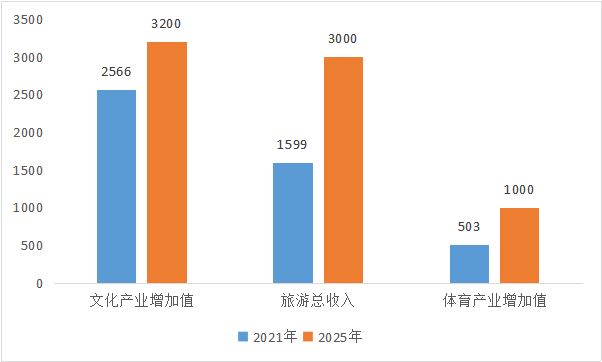
Group 1: Investment Conference and Economic Outlook - The 2025 Shenzhen Global Investment Conference will be held on December 5, focusing on seven key sectors including AI, biomedicine, and finance, with over 600 participating companies expected, including more than 200 Fortune 500 and multinational companies from over 30 countries [1] - As of October 2025, Shenzhen has a total of 4.5921 million business entities, including major companies like Huawei and Tencent, and 1,333 national-level specialized and innovative "little giant" enterprises [1] Group 2: Financial Sector Developments - Shenzhen has established 11 key financial institutions this year, including branches of Santander Bank and Fubon Bank, and has launched seven bank-affiliated AIC pilot funds totaling 22.16 billion yuan, leading the country [2] - The total industrial output value of Shenzhen ranks first among Chinese cities for three consecutive years, with foreign trade totaling 18.9 trillion yuan, accounting for 9.5% of the national total [2] Group 3: Cultural and Tourism Industry Growth - From 2021 to 2025, the added value of Shenzhen's cultural industry is projected to grow from 256.6 billion yuan to approximately 320 billion yuan, with tourism revenue expected to rise from 159.9 billion yuan to around 300 billion yuan [4] - The recent 15th National Games in Shenzhen attracted 18.049 million visitors, boosting tourism consumption by 24.48% year-on-year [3] Group 4: Future Development Plans - By 2030, Shenzhen aims to achieve tourism revenue of 450 billion yuan and 280 million tourist visits, with plans to support the digital creative industry and optimize tourism product offerings [5] - The city is also focusing on developing the sports industry, including fitness, competition, and sports training, while promoting the integration of sports with other sectors [6] Group 5: Foreign Investment Trends - In the first ten months of this year, Shenzhen's actual foreign investment reached 29.7 billion yuan, a year-on-year increase of 8.4%, with high-tech industries accounting for over one-third of the total [7] - Notable foreign companies such as DuPont, BP, and Hexagon have established or increased investments in Shenzhen, with over 10,000 foreign-invested enterprises now operating in the city [8]

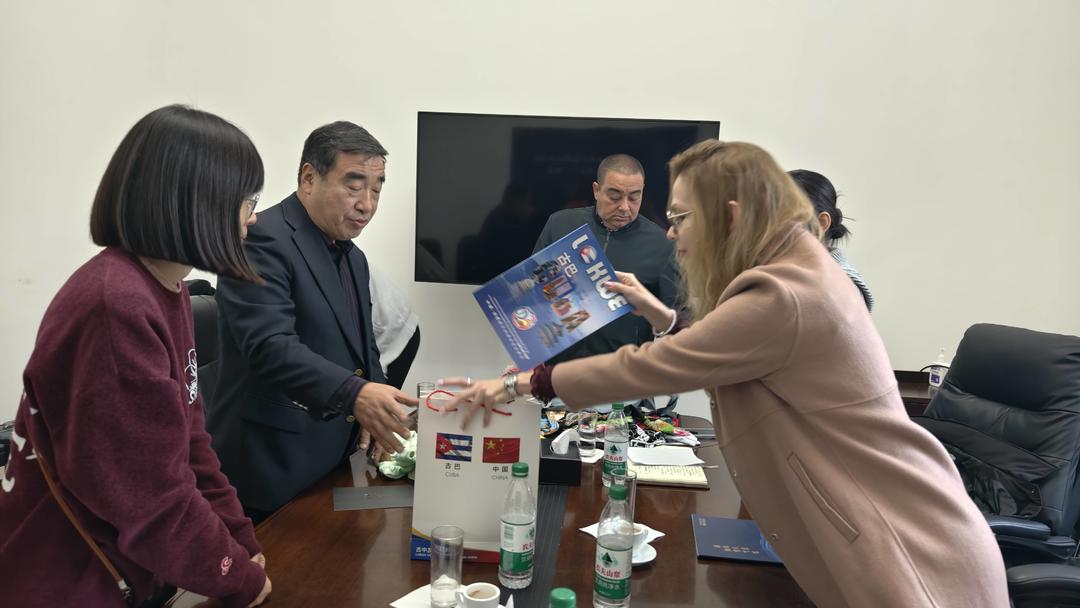
以球为媒深化中古友谊!鹿扬集团与古巴体育部门达成多项合作共识
Qi Lu Wan Bao· 2025-11-28 05:17
11月27日下午,鹿扬集团董事长郑晓平带领国内事务部、新媒体部相关负责人与中国棒球协会外事主管孙怡雯女士在古巴驻华大使馆,与古巴国家体育与 娱乐研究所副所长奥马尔.贝内加斯先生、大使馆负责体育事务的秘书艾琳.迪亚兹.贝纳尔女士召开座谈会。双方围绕棒垒球运动赛事合作、人才联合培 养、定制化服装供应等核心议题深入交流,达成多项合作协议,为中古体育文化交流注入新动能。 座谈中,郑晓平董事长介绍了鹿扬集团在体育产业领域的布局与优势,强调棒垒球运动作为国际通用的体育交流语言,具有联结民心、促进合作的独特价 值。他表示,古巴在棒垒球运动领域拥有深厚底蕴和顶尖水平,鹿扬集团愿充分发挥资源整合能力,在赛事策划执行、青少年运动员选拔培养、专业运动 服装定制等方面与古方开展全方位合作,助力双方体育产业协同发展。 奥马尔.贝内加斯先生对鹿扬集团的来访表示热烈欢迎,他高度赞赏中方在推动体育事业发展方面的积极作用,并指出中古两国体育合作已呈现全方位、 多层次的良好态势,棒垒球运动作为古巴优势体育项目,期待通过与鹿扬集团的合作,进一步拓展赛事交流平台,分享训练经验,培养更多优秀体育人 才,同时让古巴棒垒球文化获得更广泛的传播。艾琳.迪亚 ...
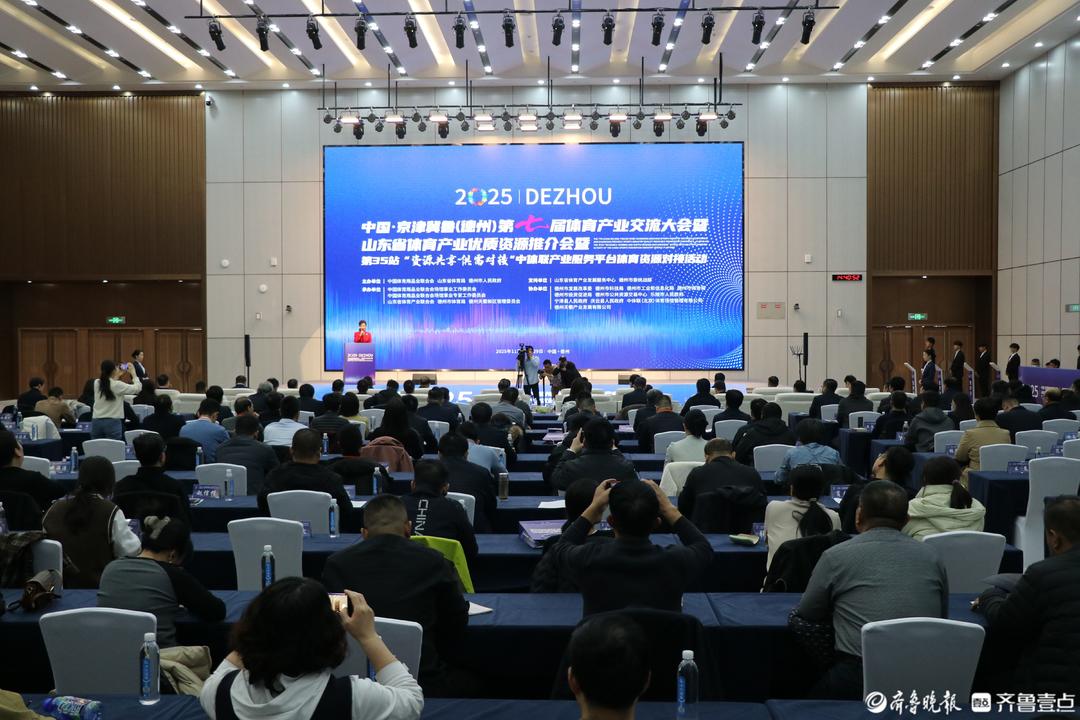
中国·京津冀鲁(德州)第七届体育产业交流大会举行
Qi Lu Wan Bao· 2025-11-27 12:05
国家体育总局体育器材装备中心、社会体育指导中心,中国体育用品联合会、中国文教体育用品协会、华体集团有关同志;省教育厅、省工业和信息化 厅、省体育局、省公共资源交易中心及有关省属国企负责人;河北省、贵州省有关市县及部门负责同志;有关商会会长、专家学者、企业代表共计400余 人出席。市领导张志华、高吉刚、陈晓强参加活动。 11月27日,中国.京津冀鲁(德州)第七届体育产业交流大会在天衢国际会展中心开幕。大会以"新质生产力驱动体育制造"为主题,由中国体育用品业联合 会、省体育局、市政府共同主办。 山东省委常委、统战部部长,省轻工产业链链长邓云锋出席大会并宣布开幕。山东省体育局党组书记、局长乔云萍,中国体育用品业联合会副秘书长温 嘉,德州市委书记田卫东分别在会上致辞。市委副书记刘泮英主持。 温嘉在致辞中对德州体育产业发展成效给予高度评价,希望与会各方深化区域协同、坚持创新驱动、强化供需对接,促进体育产业高质量发展。他表示, 中国体育用品业联合会将继续发挥桥梁纽带作用,与各级有关部门、行业协会、企业单位一道,深耕体育产业沃土,拓展合作交流渠道,为加快建设体育 强国作出更大贡献。 田卫东在致辞中表示,近年来,德州市认真落 ...
《关于加强体育合作、促进融合发展的协议》签署 广东将深入实施大湾区体育融合行动
Nan Fang Ri Bao Wang Luo Ban· 2025-11-26 08:21
Core Viewpoint - The signing of the agreement among the National Sports Administration, Guangdong Provincial Government, Hong Kong SAR Government, and Macau SAR Government aims to enhance sports cooperation and promote integrated development in the Guangdong-Hong Kong-Macau Greater Bay Area, serving the region's construction and the "One Country, Two Systems" initiative [1] Group 1 - The agreement is a result of summarizing the experiences from jointly hosting the 15th National Games and aims to continue promoting sports integration among the three regions [1] - Guangdong will implement actions to enhance sports integration in the Greater Bay Area, focusing on collaboration in sports development planning, facility layout, and event hosting [1] - The initiative includes sharing resources such as sports venues, events, research, and medical services among Guangdong, Hong Kong, and Macau [1] Group 2 - The agreement emphasizes the importance of creating major event hosting locations, regional headquarters for international sports organizations, high-level training bases, and centers for sports medicine and health promotion [1] - It aims to improve the mutual recognition of rules and standards in the sports sector, enhancing collaboration in sports industry development, event organization, personnel clearance, health quarantine, commercial promotion, and talent cultivation [1] - The goal is to collectively enhance the event hosting capabilities of the Greater Bay Area [1]
“四方协议”落地 共建粤港澳体育湾区
Zhong Guo Xin Wen Wang· 2025-11-25 05:23
在规则衔接方面,三地共同制定了《民间龙舟竞赛组织管理规范》等"湾区标准",统一了竞赛规则与服 务流程。 据了解,下一步,广东将深入实施粤港澳大湾区体育融合行动,推动三地体育场馆、赛事、科研、医疗 等资源共享,进一步推动粤港澳三地体育领域规则互通、标准互认,加强粤港澳体育产业发展、赛事组 织、人员通关、卫生检疫、商业推广、人才培养等方面交流协作,共同提升大湾区赛事承办能力。(完) 来源:中国新闻网 "四方协议"落地 共建粤港澳体育湾区 中新网广州11月25日电 (记者 张璐)记者25日从广东省体育局获悉,日前,国家体育总局、广东省人民 政府、香港特别行政区政府、澳门特别行政区政府共同签署《关于加强体育合作、促进融合发展的协 议》(以下简称《协议》)。 在联合承办第十五届全国运动会的过程中,粤港澳三地成功探索并实践了"一事三地、一策三地、一规 三地"的创新协作机制。 在赛事协同方面,三地共同打造了串联粤港澳的跨境自行车赛以及横跨深港的马拉松赛。这些赛事首创 了"前置查验、封闭运作、无感通关"的新模式,实现了人员、物资、信息等关键要素的高效便捷流动, 运动员得以"零延时、零接触"通关。 编辑:张澍楠 广告等商务合作 ...
将赛事流量转化为经济增量
Zheng Quan Shi Bao Wang· 2025-11-24 23:15
Core Insights - Sports have evolved into a significant cultural phenomenon, transcending mere competition and commercial value, and transforming event traffic into economic growth [1][2] - The development of sports infrastructure is crucial for promoting public health and enhancing national sustainable development [1] - The goal of building a strong sports nation by 2035 is integrated into China's modernization process, emphasizing the importance of both competitive and mass sports [2] Group 1: Economic Impact - The number of sports venues in China is projected to reach 4.8417 million by the end of 2024, representing a year-on-year growth of 5.42% [1] - The total area of sports venues is expected to be 4.23 billion square meters, with per capita sports venue area increasing to 3.0 square meters [1] Group 2: Cultural Significance - Sports serve as a powerful cultural soft power and cohesion force, shaping national identity and promoting civilizational progress [2] - High-profile moments in sports history contribute to collective memory and national spirit, exemplified by events like the 2008 Beijing Olympics and achievements of athletes like Liu Xiang and the Chinese women's volleyball team [2] Group 3: National Goals - The strategic task of developing both competitive and mass sports is outlined in the 15th Five-Year Plan, aiming for comprehensive growth in the sports sector [2] - The notion that a strong sports nation equates to a strong China reflects the deep integration of sports into national development and identity [2]
广东21城体育性格:以体兴城,打造经济新增长点
21世纪经济报道· 2025-11-22 06:49
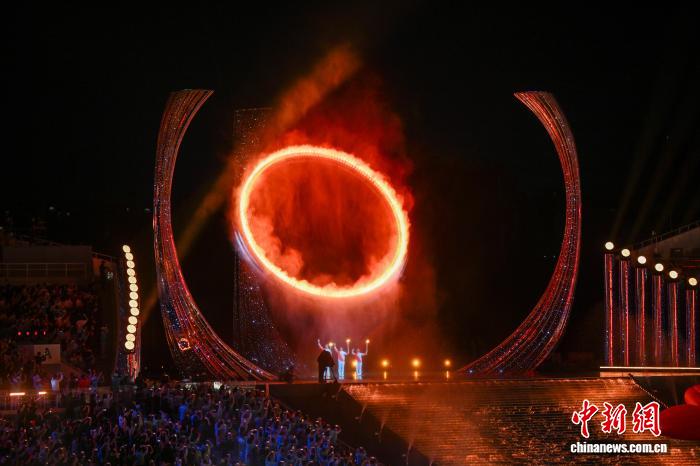
记者丨谭砚文 编辑丨蒋韵 11月21日晚,第十五届全国运动会在深圳闭幕。这场粤港澳三地联合举办的体育盛会,让体育 成为观察广东体育经济发展的重要窗口。 第十五届全国运动会主火炬被点燃。图源新华社。 作为体育大省,广东21个地市正以鲜明的体育性格破局。从广州、深圳多年积累的赛事运营能 力与科技赋能办赛实践,到东莞篮球、湛江跳水将体育事业转化为产业动能的逻辑,再到佛山 龙舟、清远漂流等挖掘城市历史和地理资源发展体育IP、构建消费生态。 日前,十五运会和残特奥会广东赛区执委会举行四场城市体育性格新闻发布会,亮出21城通过 赛事赋能、产业联动、文旅融合的发展路径。 如今,体育不再是孤立的运动IP,而是串联制造、文旅、消费等复合型增长引擎,成为推动经 济增长、产业升级的新动能。 以赛营城 随着第十五届全运会主火炬塔在广东奥林匹克中心点燃,广州这座"国际赛事中心"之城,再次 汇聚世界目光。 正如广州市人民政府副秘书长,十五运会和残特奥会广州赛区执委会副主任、副秘书长朱小燚 表示:"纵观国际一流名城,大都是全球体育名城。" 广州从不缺乏办好国际赛事的能力。2010年广州亚运会以来,广州共承办国际赛事超240场 次,培育了广 ...
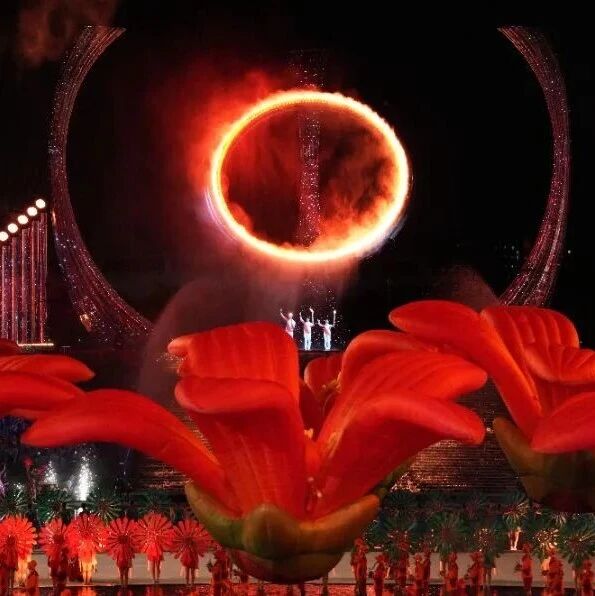
展现城市多元“体育性格”
Jing Ji Ri Bao· 2025-11-22 02:12
Core Insights - The 15th National Games is co-hosted by 19 cities from Guangdong, Hong Kong, and Macau, marking the largest number of host cities in the event's history [1] - The event showcases the unique "sports character" of each city, reflecting their strengths in various sports [1] Industry Foundation Supporting Sports Hub - The opening ceremony featured advanced sports venues, highlighting the robust sports industry foundation in the Guangdong-Hong Kong-Macau region [2] - Guangzhou's sports industry is projected to reach 237.23 billion yuan in 2024, with sports consumption at 63.12 billion yuan, indicating a strong market presence [2] Economic Impact and Tourism - Hong Kong saw a 12% year-on-year increase in visitors, totaling 41 million in the first ten months of the year, driven by sports development initiatives [3] - Macau's non-gaming tourism spending reached 20.38 billion patacas in Q3, up 10.7% year-on-year, showcasing the integration of sports and tourism [3] Unique Sports Identity of Cities - Each host city has a distinct sports identity, such as Dongguan being known as the "City of Basketball" and Shantou as the "Surfing Paradise," enhancing local pride and participation [4] - The event fosters a sense of belonging among athletes, as many compete in venues where they have trained [4] Expansion of Mass Participation Events - The 15th National Games features 23 major events and 166 sub-events, promoting mass participation and cultural activities [5] - Foshan, recognized as a "Dragon Boat City," successfully hosted multiple community events, winning all gold medals in dragon boat competitions [5][6] Driving Sports Consumption through Events - Guangzhou's "City Partner" initiative connects enterprises with urban development, enhancing sports consumption through various events [7] - Shenzhen is leveraging the games to promote cultural and tourism integration, enhancing the overall experience for visitors [7] Innovative Ticketing and Economic Strategies - The "ticket root economy" is being utilized to stimulate local tourism and consumption, with various discounts linked to event attendance [8] - Cities like Shaoguan and Shanwei are integrating sports with local culture and tourism, significantly increasing visitor engagement and spending [8] Future Initiatives and Brand Development - Guangdong is launching initiatives like "Follow the National Games to Tour Guangdong" to further promote sports tourism and brand development [9] - Upcoming major events, such as the "Provincial-Hong Kong Cup" football match, are expected to continue generating economic benefits across the region [9]