产业金融中心

Search documents
去年深圳8家银行密集“换将”,新行长们的角色之变
Nan Fang Du Shi Bao· 2026-01-21 06:19
Core Insights - Shenzhen's "14th Five-Year Plan" aims to establish a global "Industrial Financial Center," raising expectations for local financial institutions, particularly banks [1] - The recent leadership changes in at least eight commercial banks in Shenzhen reflect a strategic shift towards enhancing the role of these institutions in the financial ecosystem [1] Leadership Changes - The appointment of Xiong Tao as the head of the Industrial and Commercial Bank of China (ICBC) Shenzhen branch marks a significant leadership transition, emphasizing his experience in corporate banking and technology finance [2][3] - Ma Mingjun, previously the head of the Tianjin branch of the Bank of China, has been appointed to lead the Shenzhen branch, indicating a strategic focus on the Guangdong-Hong Kong-Macao Greater Bay Area [3] - Wang Xinghai has taken over as the head of the Shenzhen branch of China Merchants Bank, showcasing the bank's commitment to internal talent development and stability [4][6] - Zhang Chaohui's appointment as the head of Ping An Bank's Shenzhen branch highlights the importance of this branch within the bank's overall strategy [5][6] Focus on Technology Finance - Several new leaders in Shenzhen's banking sector are emphasizing technology finance, with initiatives aimed at supporting key sectors such as semiconductors and advanced manufacturing [8][9] - The establishment of specialized financial products for technology enterprises is a priority for banks like Shanghai Pudong Development Bank, which aims to support the entire lifecycle of tech companies [9] - Chen Dapeng, head of Minsheng Bank's Shenzhen branch, aims to tailor financial services to the unique needs of the innovation-driven economy in Shenzhen [10][11] Strategic Importance of Shenzhen - Shenzhen's banking sector is positioned as a critical area for talent development and strategic implementation, serving as a testing ground for financial innovations [12][13] - The city is recognized as a key player in China's financial landscape, with total banking assets reaching 14.25 trillion yuan, ranking third among major cities [14] - The "14th Five-Year Plan" emphasizes the need for banks to transition from traditional financing to integrated services, including venture capital and cross-border finance [15]
观察|去年深圳8家银行密集“换将”,新行长们的角色之变
Nan Fang Du Shi Bao· 2026-01-21 06:03
Core Viewpoint - Shenzhen's "15th Five-Year Plan" aims to establish itself as a global "industrial financial center," raising expectations for local financial institutions, particularly banks, in their roles and responsibilities [22][23]. Group 1: Leadership Changes in Shenzhen Banks - Over the past year, at least eight commercial banks in Shenzhen have changed their leadership, including major state-owned banks and leading joint-stock banks [2]. - The appointment of Xiong Tao as the head of the Industrial and Commercial Bank of China (ICBC) Shenzhen branch reflects a strategic move to enhance the bank's focus on technology and innovation [2][4]. - Similarly, Ma Mingjun has been appointed as the head of the Bank of China Shenzhen branch, indicating a strengthened commitment to the Guangdong-Hong Kong-Macao Greater Bay Area [4][7]. Group 2: Key Appointments and Their Implications - Wang Xinghai, a veteran of China Merchants Bank, has taken over as the head of the Shenzhen branch, showcasing the bank's internal talent development strategy [9]. - Ping An Bank has also seen significant leadership changes, with Zhang Chaohui becoming the head of the Shenzhen branch, emphasizing the importance of this branch within the bank's overall strategy [11]. - New leaders at various banks, such as Shang Wencheng of China Everbright Bank and Yuan Rui of Shanghai Pudong Development Bank, are focusing on technology finance and innovative service models to meet the needs of Shenzhen's tech-driven economy [12][15]. Group 3: Strategic Focus on Technology Finance - The new leaders are expected to align their banks' strategies with Shenzhen's identity as a technology innovation hub, emphasizing the importance of "investment-loan linkage" services [12][23]. - The financial institutions are being urged to develop comprehensive service models that support the entire lifecycle of technology enterprises, particularly in critical sectors like semiconductors and advanced manufacturing [12][15]. - The shift towards a more integrated financial service approach reflects a broader trend in which banks are expected to act as "deep partners" and "comprehensive service providers" rather than just capital providers [23]. Group 4: Challenges and Future Directions - The banks in Shenzhen face challenges in transitioning from traditional financing to more complex service models, requiring enhanced risk management and understanding of emerging technologies [23]. - There is a growing need for collaboration with venture capital, insurance, and other financial institutions to meet the comprehensive needs of enterprises [23]. - The emphasis on long-term investment strategies and the establishment of a long-term assessment mechanism are critical for supporting sustainable growth in the technology sector [23].





从APEC高光时刻到压力测试,2025深圳金融八问
Nan Fang Du Shi Bao· 2026-01-12 06:45
Core Viewpoint - Shenzhen is positioning itself as a global industrial financial center, focusing on "production and finance symbiosis" to enhance industrial upgrades and financial empowerment [1][2]. Group 1: Financial Industry Performance - By the end of the first three quarters of 2025, Shenzhen's financial industry achieved an added value of 398.76 billion yuan, a year-on-year increase of 14.5%, accounting for approximately 14.3% of GDP [1]. - The total assets of the banking sector and the scale of deposits and loans rank third among major cities in China [1]. - Shenzhen has 424 A-share listed companies, ranking third in the country, with a total market value of 11.58 trillion yuan, second in the nation [1]. Group 2: Strategic Goals and Opportunities - The "15th Five-Year Plan" aims to create a globally influential industrial financial center, with a focus on deep integration with local industries [14]. - Shenzhen is expected to leverage the APEC summit to enhance its international financial competitiveness and attract more financial institutions to establish regional headquarters [4][5]. - The establishment of the AIC fund is seen as a significant step in nurturing "patient capital" to support hard technology sectors [20][22]. Group 3: Challenges and Regulatory Environment - Shenzhen's financial industry faces regulatory pressures, with a need for compliance and adaptation to international standards [7][30]. - In 2025, the financial regulatory authorities issued nearly 40 fines totaling approximately 130 million yuan, highlighting the need for improved compliance within the industry [31][32]. - The city is also focusing on building a more attractive talent ecosystem to meet the demands of international finance and compliance management [7]. Group 4: Development of New Financial Centers - The Xiangmi Lake New Financial Center is being developed to rival global financial hubs like London and Manhattan, with a focus on innovative financial services [9][10]. - The center is strategically located and aims to provide over 2 million square meters of industrial space, focusing on industrial finance, innovation capital, and wealth management [9][10]. - The development of the center is supported by Shenzhen's strong financial ecosystem, which includes a significant number of licensed financial institutions and a robust venture capital landscape [10][12]. Group 5: Integration of AI and Finance - Shenzhen is actively integrating AI into its financial services, with a focus on enhancing operational efficiency and customer experience [25][26]. - The city has identified AI as a key area for development, aiming for widespread application in financial services by 2027 [25][26]. - However, challenges such as risk management and data privacy need to be addressed to ensure the successful implementation of AI in finance [27].
从“金融中心”到“产业金融中心” 需克服三大挑战
Nan Fang Du Shi Bao· 2025-12-30 23:11
Core Viewpoint - Shenzhen's municipal government has officially proposed the establishment of an "Industrial Financial Center" as an independent strategic goal in its 15th Five-Year Plan, marking a significant shift in its financial development logic [2][4]. Financial Strategy - The proposal emphasizes the need for a financial system that directly supports industrial development, distinguishing Shenzhen's approach from traditional financial centers focused on capital allocation and liquidity [4][6]. - The strategy aims to create a national model for financial support of industries, particularly in advanced manufacturing and hard technology sectors, leveraging Shenzhen's strong industrial foundation [4][6]. Capital Development - The plan highlights the cultivation of "patient capital" to address the financing challenges faced by technology companies, which often have long development cycles and require long-term investment [5][6]. - Shenzhen aims to shift the focus of financial functions from merely accumulating capital to nurturing quality investments that support early-stage technology companies [6][8]. Systemic Innovations - The proposal outlines the need for a comprehensive financing system covering various investment types, including angel, venture, equity, and credit investments, to enhance risk-sharing mechanisms [7][8]. - It emphasizes the importance of establishing a robust legal framework for intellectual property to facilitate its capitalization and integration into the financial system [10][12]. Cross-Border Collaboration - The plan advocates for enhanced financial collaboration with Hong Kong, leveraging the unique strengths of both regions to create a synergistic effect in the Greater Bay Area [11][12]. - Specific pathways for cooperation include cross-border capital flows, technology asset recognition, and mutual recognition of financial products [12]. Risk Management - The proposal stresses the establishment of a comprehensive risk prevention system tailored to the unique risks associated with industrial finance, including regulatory innovations and collaborative mechanisms [13][14]. - It aims to avoid pitfalls such as financial hollowing and ensure that financial resources are effectively integrated into the industrial sector [13][14]. Expert Insights - Experts believe that Shenzhen's approach to building an industrial financial center could serve as a replicable model for other regions in China, emphasizing the importance of a stable market-oriented system [14][15]. - The focus on "market-driven, state-led" patient capital is seen as a key element that could facilitate deeper integration of finance and industry [14].
剑指全球影响力,深圳“十五五”将建五大中心
2 1 Shi Ji Jing Ji Bao Dao· 2025-12-30 06:19
Core Insights - Shenzhen's "14th Five-Year Plan" emphasizes the establishment of five key centers: advanced manufacturing, industrial technology innovation, financial services, consumption, and logistics, aiming to enhance its global competitiveness [1][2] Group 1: Advanced Manufacturing - Shenzhen aims to become a global leader in advanced manufacturing by expanding emerging industries such as information technology, new energy, and smart home systems, while also upgrading traditional sectors like clothing and jewelry [1][5] - The city has achieved significant industrial performance, with the added value of advanced manufacturing and high-tech manufacturing accounting for 68.2% and 58.2% of the total industrial output value, respectively [5] - The focus on future industries includes the development of 6G technology, biomanufacturing, and quantum technology, which are expected to drive economic growth [6][7] Group 2: Financial Services - Shenzhen's financial sector has become the largest service industry, with an average annual growth rate of 6.9% during the "14th Five-Year Plan," contributing approximately 14% to the GDP [13] - The city is enhancing its financial services to support technological innovation and the real economy, with a significant increase in technology loans reaching 2.28 trillion yuan, a 14.24% growth from the beginning of the year [13][14] - Collaboration with Hong Kong is seen as a key strategy to boost Shenzhen's financial influence globally, leveraging both regions' strengths [14] Group 3: Consumption - Shenzhen has entered the "trillion-dollar club" for consumption, with plans to enhance its role as a global consumption center by developing international trade, exhibitions, and tourism [16] - The city aims to improve consumer conditions and innovate consumption scenarios to align with global supply and demand [16] Group 4: Logistics - Shenzhen Airport has become a major logistics hub, achieving over one million tons in annual cargo throughput, with 63 cargo routes, including 43 international destinations [18] - The city plans to enhance its logistics capabilities by building an international aviation hub and improving multi-modal transport networks to serve national and regional markets [18]
解读深圳“十五五”:资本锚定新质生产力,构建产业金融中心
Nan Fang Du Shi Bao· 2025-12-30 00:55
Core Viewpoint - Shenzhen has officially proposed the establishment of an "Industrial Financial Center" as an independent strategic goal in its 15th Five-Year Plan, marking a significant shift in its financial development logic and aiming to enhance the synergy between finance and industry [1][2][3]. Financial Center Development - The proposal signifies a fundamental change from traditional financial centers focused on capital allocation and liquidity to a model where financial success is measured by its ability to catalyze specific industrial clusters like advanced manufacturing and hard technology [2][3]. - Shenzhen aims to differentiate itself from other financial hubs like Shanghai and Beijing by creating a model that directly supports industry through finance, leveraging its strong industrial base [2][3]. Focus on Patient Capital - The plan emphasizes the cultivation of "patient capital" to address the inherent conflicts between the long-term nature of hard technology ventures and the short-term returns typically sought by traditional finance [4][5]. - Patient capital is defined as capital that is willing to endure longer investment horizons and support early-stage technology companies, thus becoming a partner in their development [4][5]. Systemic Innovations - The proposal outlines a comprehensive financing system that includes angel investment, venture capital, equity investment, and credit financing, aiming to reconstruct risk-sharing mechanisms [5][10]. - Innovations in the conversion of assets, particularly through intellectual property and data resources, are highlighted as critical to improving capital accessibility for technology firms [5][10]. Collaboration with Hong Kong - The plan emphasizes the importance of collaboration with Hong Kong's international financial center, aiming to create a synergistic effect that combines Shenzhen's industrial strengths with Hong Kong's capital market capabilities [9][10]. - Specific initiatives include enhancing cross-border financial services and developing a complete innovation financial chain that integrates financing, research, and market application [9][10]. Risk Management and Regulatory Framework - The proposal stresses the need for a robust risk prevention system tailored to the unique risks of industrial finance, including the establishment of a comprehensive debt monitoring system [10][11]. - Regulatory innovations, such as the "regulatory sandbox" for cross-border asset verification, are essential for addressing financing challenges faced by light-asset companies [10][11]. National Implications - Experts believe that Shenzhen's approach to building an industrial financial center could serve as a replicable model for other regions in China, promoting deeper integration of finance and industry [11][12]. - The strategic focus on patient capital, market-driven mechanisms, and intellectual property capitalization is seen as a pathway for enhancing the overall financial ecosystem in China [11][12].
深圳部署!稳妥做好重点企业风险处置
Zhong Guo Zheng Quan Bao· 2025-12-16 04:31
Group 1 - The Shenzhen Municipal Financial Office emphasizes the importance of financial work in Shenzhen, particularly in the context of the 14th Five-Year Plan, and aims to align actions with the central government's economic assessments [1] - The meeting highlights the need to effectively manage financial risks, particularly focusing on key enterprises and real estate companies, while implementing a tailored approach for small financial institutions [2] - There is a strong commitment to enhancing the quality of financial services, particularly in supporting technological innovation and high-quality industrial development, with a focus on creating a globally influential industrial financial center [3] Group 2 - The meeting calls for a robust regulatory framework to prevent financial risks, including strict measures against illegal financial activities and improved collaboration among departments [2] - The financial system's party-building efforts are emphasized, aiming to strengthen the political and organizational functions of grassroots party organizations within the financial sector [3] - The strategic focus for 2026 includes balancing development and safety, with plans to support small and medium-sized enterprises, expand domestic demand, and enhance innovation in capital formation [3]
集聚600多家企业 2025深圳全球招商大会下周五召开
2 1 Shi Ji Jing Ji Bao Dao· 2025-11-28 10:45
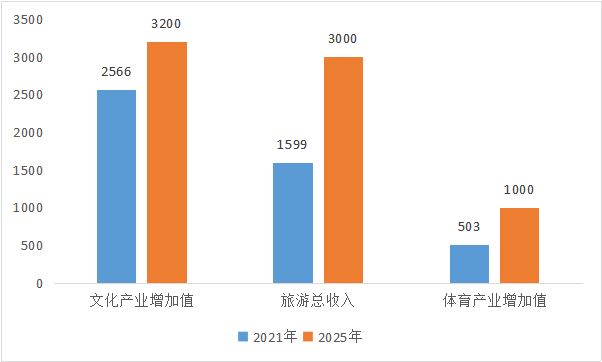
Group 1: Investment Conference and Economic Outlook - The 2025 Shenzhen Global Investment Conference will be held on December 5, focusing on seven key sectors including AI, biomedicine, and finance, with over 600 participating companies expected, including more than 200 Fortune 500 and multinational companies from over 30 countries [1] - As of October 2025, Shenzhen has a total of 4.5921 million business entities, including major companies like Huawei and Tencent, and 1,333 national-level specialized and innovative "little giant" enterprises [1] Group 2: Financial Sector Developments - Shenzhen has established 11 key financial institutions this year, including branches of Santander Bank and Fubon Bank, and has launched seven bank-affiliated AIC pilot funds totaling 22.16 billion yuan, leading the country [2] - The total industrial output value of Shenzhen ranks first among Chinese cities for three consecutive years, with foreign trade totaling 18.9 trillion yuan, accounting for 9.5% of the national total [2] Group 3: Cultural and Tourism Industry Growth - From 2021 to 2025, the added value of Shenzhen's cultural industry is projected to grow from 256.6 billion yuan to approximately 320 billion yuan, with tourism revenue expected to rise from 159.9 billion yuan to around 300 billion yuan [4] - The recent 15th National Games in Shenzhen attracted 18.049 million visitors, boosting tourism consumption by 24.48% year-on-year [3] Group 4: Future Development Plans - By 2030, Shenzhen aims to achieve tourism revenue of 450 billion yuan and 280 million tourist visits, with plans to support the digital creative industry and optimize tourism product offerings [5] - The city is also focusing on developing the sports industry, including fitness, competition, and sports training, while promoting the integration of sports with other sectors [6] Group 5: Foreign Investment Trends - In the first ten months of this year, Shenzhen's actual foreign investment reached 29.7 billion yuan, a year-on-year increase of 8.4%, with high-tech industries accounting for over one-third of the total [7] - Notable foreign companies such as DuPont, BP, and Hexagon have established or increased investments in Shenzhen, with over 10,000 foreign-invested enterprises now operating in the city [8]
深圳又一指标“十四五”提前收官,资本市场融资超2.8万亿!
Sou Hu Cai Jing· 2025-11-21 15:30
Group 1 - The core viewpoint highlights the impressive performance of Shenzhen's capital market, with 424 A-share listed companies and a total market value exceeding 11 trillion yuan as of the end of Q3 [1] - In the first three quarters, listed companies in the region achieved operating income of 5.20 trillion yuan and net profit of 457.8 billion yuan, reflecting a year-on-year growth of 7.36% and 3.98% respectively [1] Group 2 - During the "14th Five-Year Plan" period, Shenzhen's capital market has seen a historic breakthrough in direct financing, exceeding 2.8 trillion yuan, which is over a 50% increase compared to the "13th Five-Year Plan" period [2] - Equity financing surpassed 400 billion yuan, with 110 companies raising over 110 billion yuan through IPOs; the bond market financing (including ABS) exceeded 2.4 trillion yuan [2] - The capital market has effectively supported technological innovation, with over 80% of IPOs from the Sci-Tech Innovation Board and Growth Enterprise Market [2] Group 3 - Shenzhen has implemented multiple policies to foster high-quality development in venture capital, with seven AIC pilot funds established totaling over 22 billion yuan [3] - By the end of September 2025, the scale of private equity and venture capital funds in Shenzhen is expected to reach nearly 13.7 trillion yuan, investing in over 13,800 small and medium-sized enterprises [3] Group 4 - The innovation vitality and competitiveness of Shenzhen's market entities have significantly improved during the "14th Five-Year Plan" period, with total market value surpassing 11.5 trillion yuan and projected operating income exceeding 6.8 trillion yuan in 2024 [4] - R&D investment by listed companies in Shenzhen is expected to reach 210.3 billion yuan in 2024, a 91.35% increase compared to 2020 [4] - The region's securities companies and public fund management companies have achieved the highest revenue and profit among all districts [4] Group 5 - Shenzhen's capital market has made significant progress in the "Five Major Financial Articles," particularly in technology finance, green finance, inclusive finance, pension finance, and digital finance [6] - The issuance of technology-themed funds has exceeded 80 billion yuan, with a total scale of over 500 billion yuan [6] Group 6 - Investor returns have been enhanced, with listed companies in Shenzhen distributing nearly 990 billion yuan in dividends during the "14th Five-Year Plan" period, significantly exceeding the equity financing amount [7] - A total of 598 companies have implemented share buybacks amounting to 45.8 billion yuan [7] Group 7 - Looking ahead to the "15th Five-Year Plan," Shenzhen aims to build a globally influential industrial financial center by focusing on new productive forces, deepening reforms, enhancing service quality for the real economy, and protecting investor rights [8]
融资超2.8万亿!深圳资本市场“十四五”圆满收官
Sou Hu Cai Jing· 2025-11-21 05:21
Core Insights - Shenzhen's capital market has shown remarkable performance in the "14th Five-Year Plan" period, with a total of 424 A-share listed companies and a market capitalization exceeding 11 trillion yuan, ranking second nationwide [1][6] - The direct financing scale in Shenzhen has reached a historic high of over 2.8 trillion yuan, marking a more than 50% increase compared to the "13th Five-Year Plan" period, positioning it third among major cities in China [3] - The innovation and competitiveness of market entities in Shenzhen have significantly improved, with total market capitalization surpassing 11.5 trillion yuan and projected revenues exceeding 6.8 trillion yuan for 2024 [6] Financing and Investment - The cumulative equity financing in Shenzhen has exceeded 400 billion yuan, with 110 companies raising over 110 billion yuan through IPOs [3] - The bond market financing, including ABS, has surpassed 2.4 trillion yuan, with public REITs leading in fundraising [3] - Shenzhen's private equity and venture capital fund scale is expected to reach nearly 1.37 trillion yuan by September 2025, supporting over 13,800 small and medium-sized enterprises [4] Market Dynamics - The R&D investment of Shenzhen-listed companies is projected to reach 210.3 billion yuan in 2024, a 91.35% increase from 2020, with BYD leading the investment at over 54 billion yuan [6] - In the first three quarters of this year, 24 securities companies in Shenzhen achieved revenues exceeding 100 billion yuan, while 31 public fund management companies managed assets totaling 12.3 trillion yuan [6] Financial Innovations and Investor Protection - Shenzhen has made significant strides in financial innovations, with over 800 billion yuan raised through technology-themed public funds and more than 5 trillion yuan in total assets for these funds [8] - The city has implemented various investor protection mechanisms, with nearly 990 billion yuan in cumulative dividends distributed by listed companies during the "14th Five-Year Plan" period [9] Future Outlook - Looking ahead to the "15th Five-Year Plan," Shenzhen aims to focus on developing new productive forces, deepening reforms, enhancing financial services for the real economy, and protecting investors' rights [10]