Hospitality

Search documents
Tourism Transformation: Hospitality Visionary Invests in College of Charleston
Globenewswire· 2026-01-10 02:31
Core Insights - The establishment of the Michael and Amy Bennett School of Hospitality and Tourism Management at the College of Charleston represents a significant development for both the university and the city of Charleston [1][7] - The school is named after the owners of Bennett Hospitality, which has been a prominent player in the hospitality industry since 1983, operating the renowned Hotel Bennett and 25 other properties across South Carolina, Georgia, and Montana [2] - The program aims to enhance executive engagement, attract high-quality faculty and students, and foster innovation in the hospitality and tourism sector, which is crucial for Charleston's economy [3] Institutional Impact - The new school will be integrated into the College's School of Business, marking it as the first named school at the institution, thereby elevating the program's status [2][7] - The initiative is expected to create momentum for both the College of Charleston and the city, reinforcing Charleston's reputation as a leading destination for hospitality and tourism education [7][8] Community and Legacy - The Bennett family has played a pivotal role in revitalizing Charleston's Upper King Street corridor, contributing to the local economy and community [6] - The establishment of the school is seen as a way to inspire future students to pursue careers in hospitality, reflecting the unique experiences offered by the city and Hotel Bennett [8][9] - Michael Bennett emphasizes the importance of having a hospitality school that mirrors Charleston's reputation as the most hospitable city in America [9]

Here's Why Marriott International (MAR) is a Strong Momentum Stock
ZACKS· 2026-01-09 15:51
Core Insights - Zacks Premium provides tools for investors to enhance their stock market strategies, including daily updates, research reports, and stock screens [1] Zacks Style Scores - Zacks Style Scores are indicators that help investors select stocks likely to outperform the market in the next 30 days, rated from A to F based on value, growth, and momentum characteristics [2] - The Value Score focuses on identifying undervalued stocks using financial ratios like P/E, PEG, and Price/Sales [3] - The Growth Score assesses a company's financial health and future outlook through projected earnings, sales, and cash flow [4] - The Momentum Score identifies stocks with upward or downward trends based on price changes and earnings estimates [5] - The VGM Score combines the three Style Scores to highlight stocks with attractive value, growth potential, and momentum [6] Zacks Rank - The Zacks Rank is a proprietary model that uses earnings estimate revisions to guide investors in building successful portfolios [7] - Stocks rated 1 (Strong Buy) have historically achieved an average annual return of +23.9%, significantly outperforming the S&P 500 [8] - Investors are encouraged to focus on stocks with a Zacks Rank of 1 or 2 and Style Scores of A or B for optimal returns [10] Stock Example: Marriott International - Marriott International is a leading hospitality company with a Zacks Rank of 3 (Hold) and a VGM Score of B [12] - The company has a Momentum Style Score of A, with shares increasing by 9.6% over the past four weeks [12] - Recent analyst revisions have raised Marriott's earnings estimate for fiscal 2025 by $0.04 to $10.05 per share, with an average earnings surprise of +2% [13]

Sphere Entertainment Co. Receives Upgrade and Partners with Delta Air Lines
Financial Modeling Prep· 2026-01-09 05:06
Group 1 - Sphere Entertainment Co. received an upgrade from Seaport Global, moving from a "Neutral" to a "Buy" rating with the stock priced at $91.37 [1][5] - The company has partnered with Delta Air Lines, which has acquired naming rights to Sphere's first branded hospitality space, the Delta SKY360° Club, enhancing Sphere's brand presence in the hospitality sector [2][5] - Sphere's stock has shown notable activity, currently priced at $91.37, with fluctuations between $91 and $94.28, reflecting market volatility [3][5] Group 2 - Sphere's market capitalization is approximately $3.32 billion, indicating a substantial presence in the entertainment and hospitality industry [4] - The trading volume of 655,778 shares suggests active investor interest, likely influenced by recent strategic partnerships and stock upgrades [4] - The upgrade by Seaport Global and the partnership with Delta highlight Sphere's potential for growth, which may attract more investors [4]


From Netflix to Uber: How 8 top business leaders used crisis to reinvent their companies
CNBC· 2026-01-07 17:45
Core Insights - The article discusses how top executives from various companies have navigated crises and transformed their organizations, emphasizing the importance of adaptability and strategic decision-making in uncertain business environments [1][2]. Group 1: Executive Strategies - Ted Sarandos of Netflix made a pivotal decision to invest $100 million in original content, marking a significant shift in strategy when licensing from studios decreased [3][5]. - Danny Meyer, founder of Shake Shack, created a fund to support employees during the pandemic after laying off 95% of his staff, demonstrating a commitment to employee welfare [6][7]. - Mary Barra, CEO of General Motors, prioritized safety and transparency following a crisis involving faulty ignition switches, fostering a culture of open communication [12][14]. - Dara Khosrowshahi, CEO of Uber, focused on rebuilding trust by addressing the company's internal issues and promoting a culture of change [16][20]. - Neal Mohan, CEO of YouTube, responded to a major advertising boycott by hiring thousands of human reviewers and investing in technology to manage harmful content, establishing a balance between free expression and community guidelines [21]. - Brian Chesky, CEO of Airbnb, took decisive action during a crisis by implementing a property damage guarantee, which evolved from $50,000 to $3 million, showcasing leadership in times of adversity [22][23]. - Barry Diller, chairman of IAC and Expedia, chose to proceed with a $1 billion acquisition of Expedia despite the 9/11 crisis, believing in the resilience of the travel industry [24][27]. - Marvin Ellison, CEO of Lowe's, focused on supply chain transformation and employee investment, which allowed the company to adapt quickly during the pandemic [28][30]. Group 2: Lessons Learned - Executives emphasized the need for a culture that encourages dissent and open dialogue to foster innovation and adaptability [5][6]. - The importance of making bold decisions during critical moments was highlighted, as many leaders faced existential threats that required immediate and decisive action [3][22]. - A common theme among these leaders is the recognition that crises can present opportunities for significant change and improvement within their organizations [19][20].





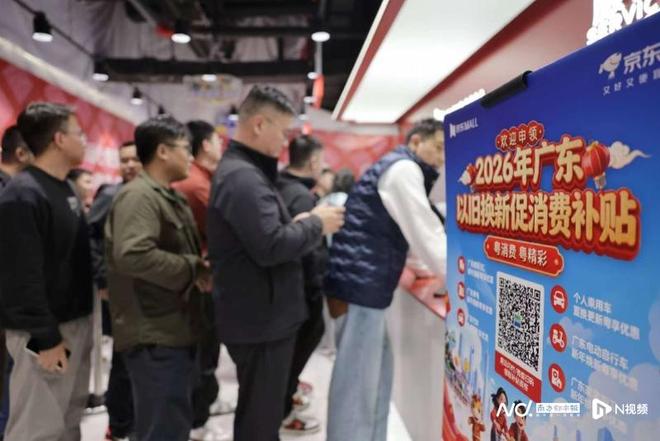
人气旺、消费热!广州元旦假期消费同比增长15.7%
Nan Fang Du Shi Bao· 2026-01-04 07:49
Core Insights - Guangzhou has launched a series of consumer-friendly policies and activities for the New Year holiday, resulting in a 15.7% increase in overall consumption compared to the same period last year [1] - The "old-for-new" subsidy policy has been implemented, covering various categories of products, which has stimulated consumer spending [1][3] Group 1: Consumer Market Performance - From January 1 to 3, 2026, Guangzhou's consumption growth was driven by significant increases in beverages (110%), communication equipment (85.6%), cosmetics (55.4%), and clothing (18.9%) [1] - The restaurant industry also saw an 18.9% growth during the same period [1] Group 2: Promotional Activities - The "old-for-new" subsidy policy was launched on January 1, covering 203 categories of products, with major retailers offering combined discounts [1] - The "Eat in Guangzhou" campaign provided dining vouchers with tiered discounts, encouraging spending across various platforms [1] Group 3: Key Shopping Districts - The Tianhe Road shopping district attracted over 2.7 million visitors from January 1 to 3, a 25.4% increase year-on-year, with sales up by 22% [3] - The Beijing Road shopping district recorded a total foot traffic of 1.765 million, marking a 37.3% increase compared to the previous year [3] Group 4: Thematic Events and Experiences - Various themed events such as the "New Year Song Friends Meeting" and "Snowy Joy Parade" were organized to enhance the shopping experience [4] - The Guangzhou Haixinsha "INNO Carnival" featured a mix of daytime leisure and nighttime entertainment, attracting significant visitor engagement [4][6] Group 5: Cultural and Culinary Integration - The Guangzhou Restaurant Wenchang flagship store reopened with a unique "living heritage" Cantonese cuisine museum, enhancing the cultural dining experience [6] - The "Lingnan Lantern Festival" showcased traditional performances, enriching the nighttime economy and attracting visitors [6]
“悦享暖冬 惠购酒泉”消费季活动启动
Xin Lang Cai Jing· 2026-01-04 07:35
Core Insights - The "Enjoy Warm Winter, Benefit from Jiuquan" consumption season event was launched on December 31, 2025, aimed at boosting local consumer spending [1][2] - The event focuses on key consumption sectors such as automobiles, home appliances, supermarkets, and dining, offering government subsidies and enterprise discounts to enhance consumer experience [2] Group 1 - The event is expected to drive consumption by 500 million yuan [2] - Since the beginning of 2025, the city has implemented various measures to stimulate consumption, including a total of 1.93 billion yuan in funds for the old-for-new policy and 1.5 billion yuan in consumption promotion funds [2] - A total of 195 promotional activities have been conducted, directly boosting consumption by 2 billion yuan, indicating a stable and prosperous consumption market [2]
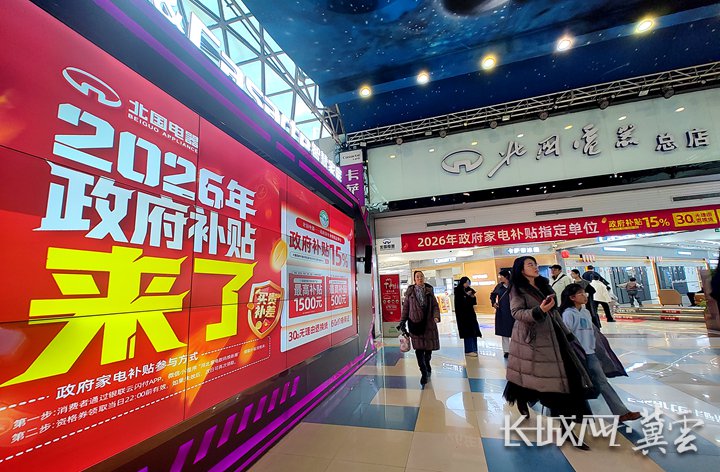
河北:元旦假期消费需求稳步释放 家电销售额同比增长1.3倍
Xin Lang Cai Jing· 2026-01-04 04:33
Core Insights - The article highlights the significant increase in consumer spending during the New Year holiday in Hebei Province, driven by various promotional activities and policies aimed at stimulating consumption [2][3][6]. Group 1: Consumer Demand and Sales Performance - During the New Year holiday, Hebei's consumer market showed a steady release of demand, with key monitored enterprises achieving a total revenue of 13.58 million yuan, marking a 16.09% year-on-year increase [2]. - In Tangshan, 14 key commercial enterprises recorded a foot traffic of 773,000, a 12.1% increase, and sales of 97.46 million yuan, up 7.4% [2]. - Xingtai's 14 large supermarkets saw a daily foot traffic of 331,000, a 6.5% increase, with sales reaching 13.61 million yuan, a 5.2% rise [2]. - In Shijiazhuang's Luquan District, the North Country Outlets experienced an 8% increase in foot traffic and sales of 15.47 million yuan, up 20% [2]. - Qinhuangdao's eight large supermarkets had an average daily foot traffic of 300,000, more than tripling compared to pre-holiday levels, with sales of 25 million yuan, a 15% increase [2]. - Handan's 73 monitored hotels and inns achieved an occupancy rate of 68.9%, with revenue of 4.38 million yuan, a 4.3% increase [2]. Group 2: Policy Initiatives and Consumer Programs - On January 1, 2026, Hebei launched a comprehensive "old-for-new" consumption policy covering key sectors such as automobiles, home appliances, and digital products, aimed at stimulating consumer demand [3][4]. - From January 1 to 2, the total sales of home appliances, digital, and smart products reached 590 million yuan, with 81.32 million yuan utilized in "old-for-new" subsidies [6]. - Over 11,000 enterprises participated in the "old-for-new" program, completing over 42,000 transactions and achieving sales of 216 million yuan, a 130% increase compared to the same period last year [6]. Group 3: Enhanced Consumer Experience - Various regions have created immersive and interactive shopping experiences, significantly enhancing market attractiveness during the holiday [7]. - In Shijiazhuang, the Zhengding Ancient City hosted over 80 themed activities, attracting an average daily foot traffic of 51,000 [7]. - The Wanli Temple Walking Street received 1.42 million visitors during the holiday, a 35% increase, generating 25 million yuan in revenue, an 18% rise [7]. - Zhangjiakou's "Ice and Snow Chongli" venues attracted nearly 200,000 visitors with immersive experiences [7]. - Handan's HeTou Old Street welcomed over 200,000 tourists, while Tangshan's banquet events featured diverse performances, drawing 13,800 visitors on New Year's Day [7].
我市元旦假期消费市场红火 重点商贸企业揽金16.7亿元
Nan Jing Ri Bao· 2026-01-04 02:19
Group 1 - The core viewpoint of the articles highlights the significant increase in consumer spending during the New Year holiday period, driven by promotional activities and government subsidies [1][2][3] - The monitored sample enterprises in the city achieved a total sales revenue of 1.67 billion yuan over the three-day holiday, reflecting a year-on-year growth of 9.5% compared to the previous year's single-day data [1] - The retail, catering, and accommodation sectors saw transaction amounts increase by 30%, 36.5%, and 214% respectively, indicating a robust recovery in consumer spending [1][2] Group 2 - The implementation of the national "old-for-new" subsidy policy for home appliances and digital products was synchronized across online and offline channels, resulting in over 40,000 units sold within the first two days of the campaign [2] - The automotive sector also benefited from the new subsidy policy, with many consumers actively seeking to purchase new vehicles before the Spring Festival [2] - A well-organized New Year's Eve promotional event led to a 35.9% increase in retail, 66.7% in catering, and 121.9% in accommodation transaction amounts on that day, showcasing the effectiveness of the promotional strategies [3]
多重利好叠加四川消费市场热闹开场
Xin Lang Cai Jing· 2026-01-03 19:18
Core Insights - The consumption market in Sichuan is experiencing a vibrant start in 2026, driven by favorable factors such as the New Year holiday, the "old-for-new" national subsidy policy, and the launch of the "Tianfu Boutique" Spring Consumption Month [1] Group 1: Sales Performance - From January 1 to 2, 550 key commercial enterprises in Sichuan achieved an average daily revenue of 610 million yuan, representing a year-on-year increase of 0.9% [1] - Offline consumption in Sichuan totaled 19.733 billion yuan, with a year-on-year growth of 3.54% [1] Group 2: "Old-for-New" Policy Impact - A total of 7,293 enterprises in Sichuan actively promoted the "old-for-new" policy through various channels, stimulating consumer demand [2] - Sales of home appliances and digital products under the subsidy program reached 182,000 units, generating 740 million yuan in consumption [2] - Major retailers like JD.com and Suning launched promotional activities, with discounts as low as 75% and maximum subsidies of 3,000 yuan for mobile phone exchanges [2] Group 3: Consumer Experience and Events - Various cross-year activities were organized across Sichuan to enhance the festive atmosphere, significantly boosting consumer engagement [4] - In Chengdu, the "Chengdu Lights Up for You" event attracted thousands, leading to a revenue increase of 93.7% in the Jiazi Park business district, with visitor numbers up by 111.4% [4] - The integration of culture, tourism, and sports is being promoted to create immersive holiday experiences, with significant impacts on local consumption [5] Group 4: Dining and Online Consumption Trends - The restaurant sector saw a daily average revenue of 230 million yuan from 139 enterprises, marking a year-on-year increase of 6.5% [6] - Online consumption demand surged, particularly for grocery delivery and restaurant takeout services, with a notable increase in revenue for key restaurants in Chengdu [6]
Market Closes 2025 with Mixed Futures Amid Strong Annual Gains; Tech and AI Drive Year-End News
Stock Market News· 2025-12-31 14:07
Market Overview - U.S. stock markets are experiencing mixed premarket activity as 2025 comes to a close, following a three-day losing streak, despite significant annual gains driven by the AI and technology sectors [1][2] - Major U.S. market indexes are set to close 2025 with impressive annual gains: Nasdaq Composite is up approximately 21%, S&P 500 is up around 17%, and Dow Jones Industrial Average has climbed roughly 14% [5] Individual Stock Movements - Nike (NKE) shares rose 1.54% due to a significant stock purchase by CEO Elliott Hill [3] - Intel (INTC) gained 1.34% in premarket trading [3] - Autolus Therapeutics (AUTL) surged 5.35% after receiving a strategic upgrade from Needham & Co. [3] - Vanda Pharmaceuticals (VNDA) experienced a significant jump of 18.7% following FDA approval for its drug [3] - DigitalBridge Group (DBRG) shares surged 9.6% on news of acquisition by SoftBank Group Corp. valued at approximately $4 billion [13] - Ultragenyx Pharmaceutical (RARE) shares plunged 42.3% after disappointing Phase 3 trial results [13] - Tesla (TSLA) forecasted a decrease in fourth-quarter sales, expecting to sell 1.64 million vehicles in 2025 [13] Technology Sector Highlights - Nvidia (NVDA) remains a dominant player in AI, with ByteDance planning to increase spending on Nvidia's AI chips to ¥100 billion ($14 billion) in 2026 [13] - Meta Platforms (META) acquired AI startup Manus for over $2 billion [13] - Caterpillar (CAT) saw stock surges attributed to sales of generators related to AI infrastructure [13] Economic Data and Federal Reserve Insights - Initial Jobless Claims reported at 199,000, below the expected 220,000, indicating a slowing but stable labor market [7] - The Federal Reserve's recent meeting minutes revealed a divided debate on interest rate cuts, with expectations for further reductions in 2026 [6]