铁路运输

Search documents
(新春见闻)2026年春运首日 “东方号”品牌高铁列车开启新春送福活动
Xin Lang Cai Jing· 2026-02-02 07:46
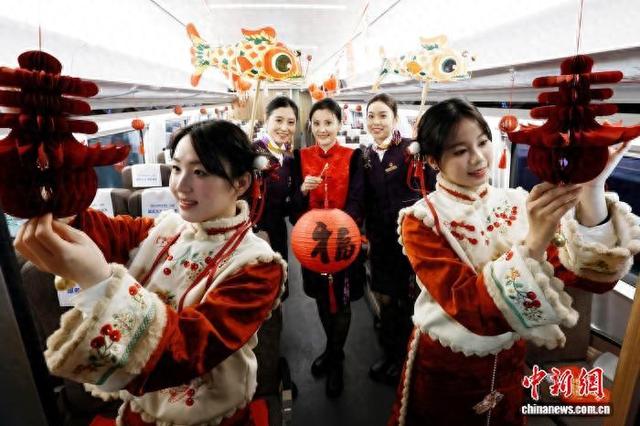
2月2日,列车员在高铁列车车厢内合影。2月2日零点,2026年全国春运正式启动。一场"新春暖民心"主 题活动在中国铁路上海局集团有限公司上海客运段值乘的上海虹桥至北京南的G14次"东方号"品牌高铁 列车举行,别开生面、温情满满的互动活动,让旅客感受车厢内浓浓的年味。中新社记者 殷立勤 摄 2月2日, 列车员在高铁列车车厢内,向孩子送上文创产品。中新社记者 殷立勤 摄 列车员在高铁列车车厢内张贴新春主题窗花。中新社记者 殷立勤 摄 2月2日, 2月2日, 2月2日, 列车员与旅客在高铁列车车厢内合影。中新社记者 殷立勤 摄 旅客乘坐G14次"东方号"品牌高铁列车前往自己的目的地。中新社记者 殷立勤 摄 列车员在高铁列车车厢内表演《向快乐出发》手势舞。中新社记者 殷立勤 摄 2月2日, 2月2日, 2月2日, 列车员在高铁列车车厢内与旅客互动。中新社记者 殷立勤 摄 旅客在铁路上海虹桥站站台上与列车员合影。中新社记者 殷立勤 摄 2月2日, 2月2日, 在高铁列车车厢内,列车员帮助孩子在特色明信片上盖章。中新社记者 殷立勤 摄 旅客在铁路上海虹桥站站台上与列车员合影。中新社记者 殷立勤 摄 ...

2026年春运启幕 国铁太原局预计发送旅客980万人次
Zhong Guo Xin Wen Wang· 2026-02-02 07:45
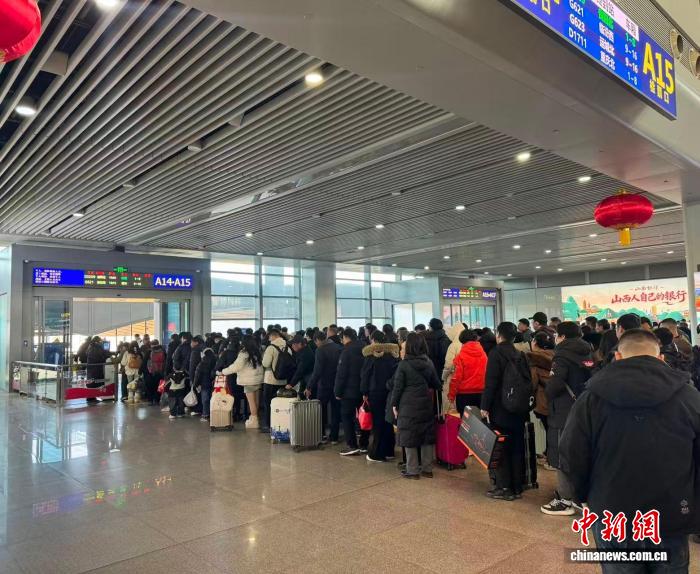
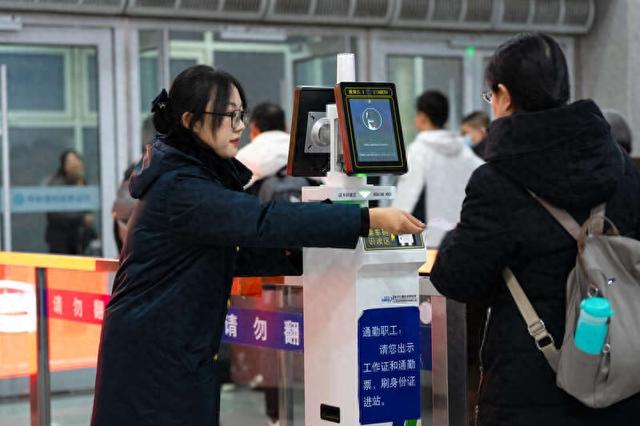
2026年春运启幕 国铁太原局预计发送旅客980万人次 中新网太原2月2日电 (记者 杨静)2月2日,2026年春运启幕。太原南站内人流如织,电子屏滚动着密集 的车次信息,候车大厅内拖着行李的旅客在工作人员引导下有序穿梭。安检通道高效运转,工作人员在 各自岗位上忙碌;乘车处,客运员在扶梯口、站台边引导,旅客们按地标排队。春运首日,车站秩序井 然。 2月2日,2026年春运启幕。太原南站内,旅客正在排队检票。 杨静 摄 太原南站客运车间客运员张晓琳介绍,春运期间,中国铁路太原局集团有限公司预计发送旅客980万人 次,日均24.5万人次;每日办理旅客列车290对,构建起以太原为中心的省内地市1、2小时,相邻省会3 小时,进沪进川等地7小时的"1237"高铁出行圈,旅客出行更加便捷。 2026年春节假期延长至9天,旅客出行意愿强烈。国铁太原局管内客流将呈现学生流、务工流、探亲流 和旅游流相互交织叠加态势。节前客流相对平稳,主要集中在太原地区。节后客流迎来两轮高峰,第一 高峰在2月23日(正月初七),预计发送旅客38万人以上;第二高峰在3月4日(正月十六),预计发送旅客33 万人以上,主要涉及太原、大同、吕梁、临汾、 ...
草原铁路预计春运发送旅客447.5万人次
Zhong Guo Qing Nian Bao· 2026-02-02 07:44
Core Insights - The 2026 Spring Festival travel season has officially begun, with the China Railway Hohhot Bureau Group Co., Ltd. expecting to send 4.475 million passengers, averaging 112,000 passengers per day, representing a 5% year-on-year increase [1] Group 1: Passenger Flow and Trends - The pre-festival passenger flow peak is anticipated from February 12 to February 15, while the post-festival peak is expected from February 21 to February 24 [1] - Due to the late timing of the Spring Festival this year, the pre-festival flows of students, migrant workers, and family visits are relatively dispersed, while the post-festival flows will overlap, leading to greater capacity pressure [1] - Popular travel routes include high-speed trains to Beijing, as well as destinations such as Northeast China, Shanghai, Guangzhou, and Chengdu, with new routes emerging due to the opening of the Baotou-Yinchuan high-speed railway [1] Group 2: Services and Initiatives - The Hohhot Railway Bureau has introduced several convenience measures during the Spring Festival, including silent carriages on high-speed trains, pet transportation services, and multi-functional charging seats at major stations [2] - Additional services include luggage storage and delivery, a "silver hair service window" at Baotou Station with stationed doctors, and the introduction of VR equipment at Ordos Station for travelers to learn about station services and nearby attractions [2] - A total of 182 volunteers are participating in Spring Festival services to enhance passenger experience [2] Group 3: Cultural Activities - On the first day of the Spring Festival travel season, Hohhot East Station hosted a cultural event themed "Culture into Thousands of Homes, Warm Journey Home," featuring performances and activities aimed at enriching the travel experience [5] - Activities included calligraphy demonstrations, book giveaways, and educational sessions on Inner Mongolia's history and natural sciences conducted by museum staff [5] - Similar cultural initiatives are being carried out at other stations such as Baotou, Ordos, and Bayannur, providing travelers with blessings for their journeys [5]
人民来论:凝聚众力,守护归乡之路
Ren Min Wang· 2026-02-02 07:38
Core Viewpoint - The 2026 Spring Festival travel rush showcases China's comprehensive transportation system, emphasizing the collaboration among railways, highways, civil aviation, and waterways to ensure a safe and efficient return home for millions of people [1][2]. Group 1: Transportation Capacity Coordination - Railways are the main force during the Spring Festival, leveraging high-speed rail advantages while also operating "green trains" and "slow trains" to serve rural areas [1]. - Civil aviation is increasing flights to hub airports and popular tourist destinations [1]. - Highways are enhancing capacity for popular tourist areas and rural passenger transport [1]. - Waterways are ensuring capacity on key routes, such as the Qiongzhou Strait between Hainan and Guangdong [1]. Group 2: Service Upgrades - Various transportation sectors are implementing measures to address public needs, such as the railway's "free ticket refund within 3 hours" policy and over 8,000 "quiet carriages" on high-speed trains [2]. - Road service areas are providing warm rest stations and emergency medicine supplies to alleviate travel fatigue [2]. - Civil aviation is enhancing efficiency with "paperless boarding" and "direct baggage handling" [2]. - Water transport is improving passenger services and ticket purchasing processes [2]. - Customized ticketing and full-service support for vulnerable groups are being offered to ensure every traveler feels valued [2]. Group 3: Safety and Responsibility - Safety is paramount during the Spring Festival, supported by the dedication of transportation workers [2]. - Railway maintenance personnel work overnight using intelligent systems for precise detection of critical components [2]. - Highway police patrol high-risk areas to clear obstacles and manage traffic [2]. - Civil aviation maintenance staff conduct thorough safety checks on aircraft [2]. - Maritime enforcement personnel ensure safe navigation by monitoring weather conditions [2]. Group 4: Overall Reflection - The Spring Festival travel rush tests both the hard and soft strengths of transportation capacity and service [3]. - The commitment to safety and service will leave lasting impressions on travelers, highlighting the importance of these efforts in fostering family reunions [3].
春运期间,国铁济南局预计发送旅客2020万人次
Qi Lu Wan Bao· 2026-02-02 07:32
齐鲁晚报.齐鲁壹点记者白新鑫 2月2日下午,山东省政府新闻办举行新闻发布会,邀请省交通运输厅主要负责同志等介绍2026年山东省 春运总体情况。 加大非紧张时段和运输方向的旅客列车票价优惠的覆盖范围,充分利用空闲运输资源,推行分日期、分 时段、分席别的灵活差异化票价优惠策略,让利旅客。 会上,中国铁路济南局集团有限公司客运部副主任庞学华介绍,今年春运,国铁济南局预计发送旅客 2020万人次,较2025年春运同比增长3.2%。其中,节前预计发送旅客704万人次,节后预计发送旅客 1316万人次。春运铁路客流以探亲、学生、务工、旅游流为主,呈现总量同比增长、节前相对平稳、节 后集中出行的特点。 运输供给方面。在1月26日全国铁路实行新列车运行图的基础上,精心编制2026年春运临客方案,针对 客流集中地区、热门方向和高峰时段,科学安排列车开行方案。今年春运,图定开行旅客列车586.5 对,较去年春运增加30.5对。节前安排临客99.5对,节后安排临客97.5对;其中安排至北京、上海、郑 州、哈尔滨、齐齐哈尔、南昌、重庆西等方向的跨省临客53对,安排至青岛、日照、菏泽、聊城、烟 台、临沂等方向的省内临客46.5对,春运 ...
首日发送旅客量预超50万人次,2026年北京铁路春运保障全面启动
Bei Jing Shang Bao· 2026-02-02 07:29
2月2日0:40,随着K4069次列车从北京西站平稳驶出,国铁北京局2026年春运工作正式拉开帷幕。北京商报记者从国铁北京局获悉,春运首日,北京地区预 计发送旅客50.2万人次、到达44.7万人次,计划增开旅客列车24对。其中,北京西站预计发送旅客14.5万人次。整个春运期间,国铁北京局预计发送旅客 4147万人次,北京地区预计发送旅客1994.7万人次,较2025年增加39.2万人次。北京西站预计发送旅客515.5万人。 "管委会综治处结合'八站两场'特点,'一站一策'针对性制订和细化了分方案,以铁路、民航分时客流数据为基础,在高峰时段适时采取地铁延时组网、出租 圈车保点、网约倾斜派单、公交兜底保障等措施'组合拳',实现运能与客流科学匹配,确保每一名旅客平安离开。"陈铖说道。 朝阳运输管理分局相关负责人向北京商报记者介绍,2026年春运期间,北京朝阳站预计到发旅客366.05万人次。其中,春节假期预计到达客流50.06万人次, 日均5.56万人次。该分局对接重点站区管委会朝阳站办、国铁北京局朝阳站等单位,建立了紧密联系的握手机制,量身定制朝阳站春节运输服务保障方案和 分级响应措施。客流高峰日,做到一日一策。 ...
2026年春运西南铁路预计发送旅客6000万人次
Zhong Guo Xin Wen Wang· 2026-02-02 07:18
Core Viewpoint - The Southwest Railway is expected to see a passenger increase during the 2026 Spring Festival, with an estimated 60 million passengers, averaging 1.5 million daily, representing a year-on-year growth of 5.2% [1] Group 1: Passenger Flow and Train Operations - The Chengdu Railway Bureau has analyzed various passenger flows, including labor, family visits, student travel, and tourism, to optimize train operations during the Spring Festival [2] - A total of 1,162.5 pairs of passenger trains will be scheduled before the holiday, and 1,165.5 pairs after, aimed at enhancing service quality [2] - To meet the demand for long holiday travel, the bureau will increase train capacity to popular destinations such as Beijing, Shanghai, and Guangzhou, while also adding night trains during peak periods, with 171 pairs of night trains operating [2] Group 2: Tourism Ticketing Initiatives - The Chengdu Railway Bureau has introduced tourism ticket packages centered around Chengdu, Chongqing, and Guiyang, allowing travelers to choose from multiple stations within a specified timeframe [3] - The "Charming Tianfu," "Happy Mountain City," and "Leisurely Gui City" ticket options enable passengers to travel across various stations in Sichuan, Chongqing, and Guizhou, respectively, within 15 days [3]
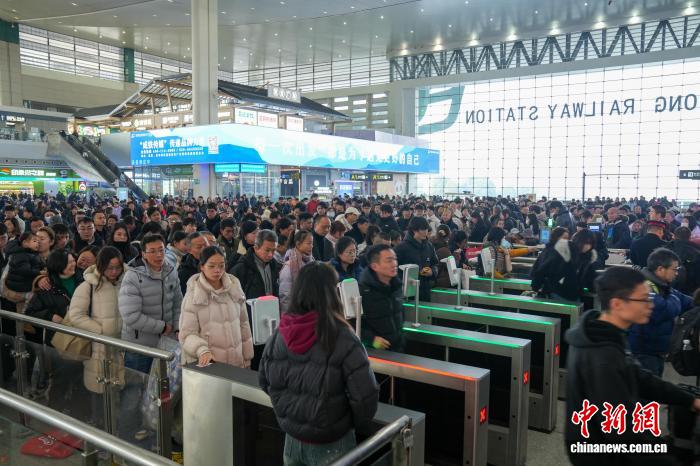
2026年铁路春运今日启动 沈铁预计发送旅客2400万人次
Zhong Guo Xin Wen Wang· 2026-02-02 07:14
Core Insights - The 2026 Spring Festival travel period will last from February 2 to March 13, with an expected passenger volume of 24 million, averaging 600,000 passengers per day, representing a 3.7% increase compared to 2025 [1] Group 1: Capacity and Service Enhancements - The company plans to add 156.5 pairs of temporary trains during the Spring Festival, an increase of 22.5 pairs from 2025, reaching a historical high in temporary train numbers [2] - The maximum number of trains that can be operated is 611.5 pairs, with a maximum seating capacity of 554,000 [2] - New temporary routes will be introduced, including services from Dalian to Shanghai and Shenyang North to Yanji West, focusing on meeting the travel demand for winter tourism [2] Group 2: Ticketing and Customer Experience - A dedicated phone ticketing service for seniors aged 60 and above will be launched to assist with online ticket purchases [3] - A trial for free ticket refunds will be implemented, allowing passengers to self-manage refunds for mistakenly purchased tickets within a specified timeframe [3] - Enhanced travel experience initiatives include the introduction of quiet carriages on all designated train types and expanded service features at key stations [3] Group 3: Specialized Services and Logistics - New services such as hot meal delivery in business class and internet meal ordering will be available at major stations [4] - The "Light Travel" luggage delivery service will be expanded to more stations, providing door-to-door service for travelers [4] - The company will prioritize the transportation of essential goods, including coal for heating, and optimize logistics for agricultural products and fertilizers [4]
春运启动!长三角铁路当天预计发送旅客245万人次
Yang Zi Wan Bao Wang· 2026-02-02 07:06
Group 1 - The core viewpoint of the article highlights that the Spring Festival travel rush in 2026 is expected to see a record-breaking passenger volume, with over 103 million travelers anticipated, marking a 4% increase compared to the previous year [1] - The daily average passenger volume during the Spring Festival is projected to reach 2.575 million, which is a significant milestone for the Long Triangle Railway [1] - To accommodate the increased passenger flow, the Long Triangle Railway plans to add 437.5 pairs of passenger trains, with over 1,700 pairs expected to operate on peak days [1] Group 2 - The Shanghai Railway Group has developed a train operation plan based on the principles of "demand-oriented arrangement, emergency preparedness, precise matching, and phased deployment" [3] - The additional trains include 268.5 pairs of direct passenger trains and 169 pairs of intra-regional passenger trains, focusing on popular travel directions during the Spring Festival [3] - On February 2, the first day of the Spring Festival travel rush, an estimated 2.45 million passengers are expected to be sent, with a plan to operate 1,333.5 pairs of passenger trains [3]

12306技术中心总工程师回应春运“一票难求”:候补购票平均成功率预计在70%
Yang Shi Xin Wen· 2026-02-02 07:04
Core Viewpoint - The Spring Festival travel rush in China is expected to see over ten million people facing ticket shortages, but the average success rate for ticket reservations through the 12306 platform is projected to be 70% [1][3]. Group 1: Ticket Sales and Demand - The Spring Festival ticket sales began on January 19, with peak sales periods identified from January 30 to February 1 for pre-holiday and February 8 to February 9 for post-holiday [1]. - There are over ten million pending orders for tickets, indicating significant pressure on ticket availability during the Spring Festival [1]. - The 12306 system, developed over the years, is now the largest real-time ticketing system globally, capable of handling massive traffic during peak sales periods [3]. Group 2: Third-Party Ticketing Platforms - Third-party ticketing platforms claim to offer extended booking periods of up to 90 days, but all platforms must adhere to the official 15-day advance booking rule set by the railway [5]. - These platforms have introduced similar ticket reservation services, but the official railway group emphasizes that 12306 is the only authorized ticketing channel and has not partnered with any third-party services [5]. - High-frequency access by third-party platforms can overload the 12306 system, leading to slower response times and potential system crashes [6]. Group 3: Safety and Operational Concerns - Some third-party platforms encourage passengers to buy short-distance tickets to travel longer distances, which can disrupt railway operations and pose safety risks [8]. - The railway has a dedicated data analysis team that collaborates with regional offices to monitor ticket demand and adjust train services accordingly [8]. Group 4: Customer Service Enhancements - The 12306 platform has introduced personalized services, including a limited-time free refund policy for mistakenly purchased tickets and a telephone booking service for elderly passengers [10].