
电动汽车

Search documents
极星汽车在华“大撤退”:关闭最后一家门店,现车五折“甩卖”,中国成其生产基地
Mei Ri Jing Ji Xin Wen· 2025-10-15 12:27
Core Insights - Polestar has closed its last direct retail store in Shanghai, marking a strategic shift in its business model in China to better align with the rapidly changing consumer demands [1][4] - The company is transitioning to an online sales model, with a focus on digital channels for product information and purchasing, although the online purchasing system has been temporarily closed [2][4] - Despite poor sales performance in China, Polestar has established the country as its most important production base, with models being produced for global markets [4] Sales Performance - In the first half of 2023, Polestar sold only 69 vehicles in China, while globally, it sold 30,300 vehicles, a 51% increase year-on-year [5] - For the third quarter of 2025, Polestar's global retail sales reached 14,192 units, a 13% increase, with total sales for the first nine months of approximately 44,482 units, a 36% increase [4] Financial Status - As of the end of 2024, Polestar's total assets were $40.54 billion, liabilities were $73.83 billion, and net assets were negative $33.29 billion, indicating a state of insolvency [5] - Cumulatively, Polestar has incurred losses exceeding $5.1 billion from 2020 to 2024, with a projected net loss of $2 billion for 2024 alone [5] Management and Strategy Changes - Polestar has been undergoing significant organizational changes, including a 10% workforce reduction and a focus on cost management since May 2023 [6][8] - The company has experienced frequent changes in its management team, with seven leaders in the China region over eight years, and a recent overhaul of its global management team [8] Market Challenges - Since its IPO in 2022, Polestar's stock price has plummeted by 90%, and it received a compliance notice from NASDAQ due to its stock price falling below $1 [9] - The competitive landscape in the global electric vehicle market poses significant challenges for Polestar to achieve its goal of profitability by 2025 [9]

中国在世贸组织起诉印度电动汽车及电池补贴措施
Zhong Guo Xin Wen Wang· 2025-10-15 10:13
Core Viewpoint - China has filed a complaint against India's electric vehicle and battery subsidy measures at the World Trade Organization (WTO), asserting that these measures violate multiple obligations and provide unfair competitive advantages to Indian industries, thereby harming Chinese interests [1]. Group 1: Legal Actions and Responses - China has requested consultations with India regarding the electric vehicle and battery subsidy measures at the WTO [1]. - The Chinese Ministry of Commerce spokesperson emphasized the need for China to take resolute measures to protect the legitimate rights and interests of its domestic industries [1]. Group 2: Allegations Against India - The spokesperson stated that India's measures are suspected of violating national treatment obligations and constitute prohibited import substitution subsidies under WTO rules [1]. - There has been a growing concern among WTO members regarding multiple trade measures taken by India that are alleged to be in violation of WTO commitments [1]. Group 3: Call for Compliance - China urges India to adhere to its commitments within the WTO framework and to immediately rectify its erroneous practices [1].
商务部就中方在世贸组织起诉印度电动汽车及电池补贴措施答记者问
Shang Wu Bu Wang Zhan· 2025-10-15 08:08
Core Points - China has filed a request for consultations with India at the World Trade Organization (WTO) regarding India's electric vehicle and battery subsidy measures [1] - The measures in question are alleged to violate multiple obligations, including national treatment, and constitute prohibited import substitution subsidies under WTO rules [1] - These subsidies provide an unfair competitive advantage to Indian domestic industries, harming China's interests [1] - China has observed that several of India's trade measures have raised concerns among WTO members, urging India to adhere to its commitments and rectify its practices immediately [1]
关闭最后一家门店 曾对标特斯拉的极星汽车调整在华业务模式
Zhong Guo Jing Ying Bao· 2025-10-15 07:11
Core Insights - Polestar, a luxury electric vehicle manufacturer once compared to Tesla, is facing scrutiny following the closure of its last physical store in China, located in Shanghai [1] - The company has shifted to an online sales model, indicating a strategic adjustment to better align with the rapidly changing consumer demands in the Chinese market [1] - Sales figures for Polestar in China have been disappointing, with only 69 units sold in the first half of 2025, and total sales from 2021 to 2023 showing a downward trend [1] Sales Performance - In contrast to its struggles in China, Polestar's global sales have been robust, with 44,482 units sold in the first three quarters of the year, representing a year-on-year increase of 36.5% [2] - The CEO of Polestar, Michael Lohscheller, noted that the company has maintained growth in the third quarter, achieving sales levels comparable to the entire year of 2024 [2] - Despite facing external challenges, Polestar's product lineup and strong order volume are expected to support growth in the fourth quarter [2]
日经公布亚洲最具价值品牌榜:三星居首,小米和华为进入前50
Feng Huang Wang· 2025-10-15 05:13
在总排名中,三星连续第二年位居第一。2025年,三星在印度、印尼、马来西亚、泰国和越南均位列第 一,在各国和地区的品牌价值都有所提升。而在去年的调查中,三星仅在越南位居榜首。阿迪达斯、耐 克排名第二和第三位。苹果公司位居第四。 在前50大品牌中,小米排名第26位,华为排名33。日本品牌共有22个,比2024年增加了两个,排名靠前 的包括本田汽车、索尼和丰田尼,它们代表了汽车与电子行业。不过,调查显示,77%的日本品牌排名 出现下滑,显示出日本品牌在亚洲市场的影响力正在减弱。 各市场品牌排名 凤凰网科技讯 北京时间10月15日,据《日经亚洲》报道,根据日经研究的一项调查,韩国三星已连续 第二年成为亚洲主要市场的最具价值品牌。 日经研究在2024首次发布了面向亚洲市场的《全球品牌调查》,最新发布的《全球品牌调查2025》评估 了200个品牌,数据基于11个亚洲国家和地区的7万多名消费者的反馈意见,重点聚焦八个市场:中国大 陆、中国台湾地区、印度、印尼、马来西亚、菲律宾、泰国和越南。 该调查的品牌价值通过两个指标进行量化: 1、"品牌实力" (brand power): 包括名称认知度和其他因素。 2、"品牌贡献分 ...

9月销量新高后,特斯拉上海工厂紧急爬产
Guo Ji Jin Rong Bao· 2025-10-15 03:42
10月13日,特斯拉公司副总裁陶琳在社交媒体发文称,"这几天上海超级工厂已经开始了热火朝天的四 季度爬产。" 这一销量表现虽高于新势力车企,但从零跑的22.17万辆、理想的20.39万辆的销量来看,差距正持续缩 小。 感受到中国市场的压力,特斯拉迅速作出改变。产品策略调整与产能适配共同作用下,其销量表现在三 季度开始回暖,中国专属车型的推出成为关键催化剂。数据显示,8月上市的Model YL六座SUV瞄准家 庭用户需求,填补了此前的产品空白,9月上市后订单排期直接延至11月,单周销量最高突破4000辆。 产能端的及时响应进一步放大了产品效应。上海超级工厂自第二季度起逐步提升产能利用率,针对焕新 车型快速完成柔性生产切换,6周内即实现新车型产能爬坡,为8月后的销量增长提供了交付保障。 记者吴迪特约作者满新 (文章来源:国际金融报) 其表示,今年第三季度,特斯拉全球共交付了49.7万辆,创下季度交付新纪录,"四季度开始,上海工 厂的兄弟姐妹们正在抓紧拓产攻坚,满电冲刺,让国内和亚太的车主们尽早提车,工厂里方方面面也为 同事们做好了十足的保障和激励"。 作为特斯拉全球制造核心,上海超级工厂的产能一直在随着销量需求调 ...

为增长而出海:我们决定为出海企业做一件“笨事情”
吴晓波频道· 2025-10-15 03:37
Core Viewpoint - The Huashang Overseas Industry Alliance has rapidly developed since its establishment in 2024, gathering over 2,000 member companies and 200 professional service institutions, aiming to support Chinese enterprises in their overseas expansion through targeted strategies and community engagement [2][4][6]. Group 1: Overview of the Alliance - The alliance has published seven research reports and over 600 articles related to overseas expansion, and has organized nearly 50 offline events and over 50 live sessions to facilitate knowledge sharing among entrepreneurs [2][3]. - The alliance aims to assist Chinese companies in navigating the complexities of international markets, emphasizing the importance of adapting to diverse economic environments and cultural backgrounds [5][9]. Group 2: Strategic Initiatives - Starting in October, the alliance will launch a series of closed-door meetings titled "Going Overseas for Growth," focusing on specific countries, industries, and current trends to provide actionable insights for member companies [7][34]. - The meetings will be limited to 40 participants to foster intimate discussions and encourage sharing of experiences and challenges among attendees [10][11]. Group 3: Market Focus - The alliance recognizes that each international market presents unique challenges and opportunities, and emphasizes the need for companies to identify their niche within these markets [9]. - For instance, in Indonesia, successful companies like BYD have adopted a focused strategy in the electric vehicle sector, leveraging local resources to reduce costs significantly [9][21]. Group 4: Meeting Themes and Topics - Upcoming meetings will cover various themes, including: - Middle East market opportunities under the "2030 Vision" [19][20] - Navigating the complexities of the Indonesian market [21] - Strategies for entering the U.S. market amidst trade tensions [22] - Exploring the manufacturing advantages in Mexico [22] - The alliance plans to adjust the themes and locations of these meetings based on current events and member needs, ensuring relevance and responsiveness to market dynamics [22][34].

昔日“特斯拉劲敌” 国内最后一家直营门店也关了!上半年在华仅卖出69辆 公司1800亿元市值已蒸发
Mei Ri Jing Ji Xin Wen· 2025-10-14 16:56
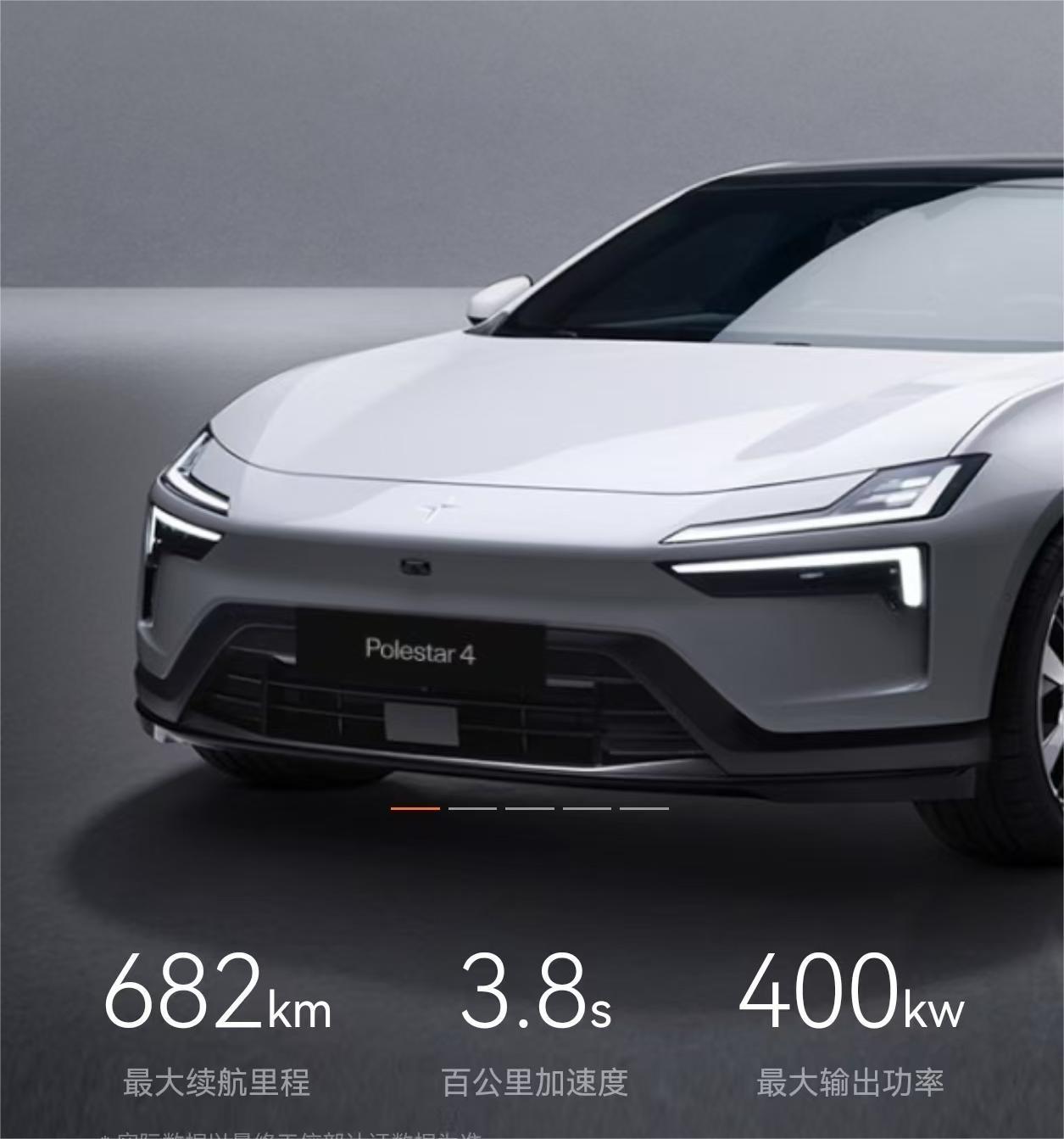
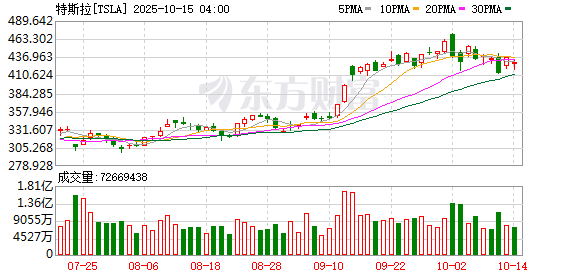
Core Insights - Polestar, once considered a strong competitor to Tesla, has closed its last physical store in China, located in Shanghai, as part of a strategic adjustment to better align with the rapidly changing consumer demands in the Chinese market [2][3] - The company's stock price has plummeted over 90% since its initial public offering, with a current market capitalization of approximately $1.87 billion [5][6] Company Strategy - Polestar is shifting to an online sales model, allowing consumers to access product information and complete purchases through digital channels [2] - The company has faced significant management turnover, with seven different leaders in the China region over eight years, and a complete overhaul of its global management team [6] Market Performance - In the first half of 2023, Polestar's sales in China were dismal, with only 69 vehicles sold, and zero deliveries in April and May [6] - In contrast, Polestar has seen growth in other global markets, with a 51.1% year-over-year increase in global sales, totaling over 30,000 vehicles in the first half of 2023 [6] Product Offering and Pricing - Polestar's pricing strategy has been inconsistent, with significant price reductions on models like the Polestar 2, which saw its price cut from 418,000 yuan to 298,000 yuan shortly after launch [4] - The latest model, Polestar 4, is priced starting at 299,900 yuan but lacks advanced features like lidar, leading to concerns about its market viability [5]

昔日“特斯拉劲敌”,国内最后一家直营门店也关了,公司1800亿元市值已蒸发
Mei Ri Jing Ji Xin Wen· 2025-10-14 13:43
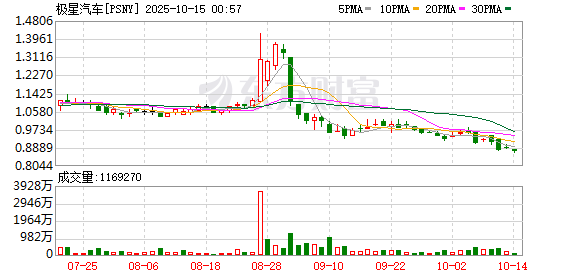
Core Viewpoint - Polestar, once considered a strong competitor to Tesla, is undergoing significant strategic adjustments in China, including the closure of its last physical store in Shanghai, while shifting to an online sales model to adapt to the rapidly changing consumer demands in the market [1][2]. Group 1: Company Overview - Polestar is a Swedish electric vehicle brand founded in 2017 by Volvo and Geely, initially seen as a formidable rival to Tesla [2]. - The company went public in June 2022 through a merger with SPAC Gores Guggenheim, achieving a peak market capitalization of $27.629 billion [5][6]. Group 2: Market Performance - Polestar's stock price has plummeted over 90% since its IPO, currently trading at less than $1, with a market cap reduced to approximately $1.867 billion [7]. - The company has struggled with product positioning and pricing strategies, leading to poor sales performance, particularly in China, where only 69 vehicles were sold in the first half of 2023 [9][12]. Group 3: Strategic Adjustments - In response to ongoing challenges, Polestar has implemented cost management measures, including a hiring freeze and a 10% workforce reduction [9]. - The management team has experienced significant turnover, with seven different leaders in the China region over eight years and a complete overhaul of the global executive team [11]. Group 4: Global Sales Performance - Despite challenges in the Chinese market, Polestar has seen growth in other global markets, with a 51.1% year-over-year increase in global sales, totaling over 30,000 vehicles in the first half of 2023 [12]. - The cumulative global sales of Polestar 2 reached approximately 373,000 units, while Polestar 4 exceeded 231,000 units [12].
昔日“特斯拉劲敌”,国内最后一家直营门店也关了!上半年在华仅卖出69辆,公司1800亿元市值已蒸发
Mei Ri Jing Ji Xin Wen· 2025-10-14 12:49
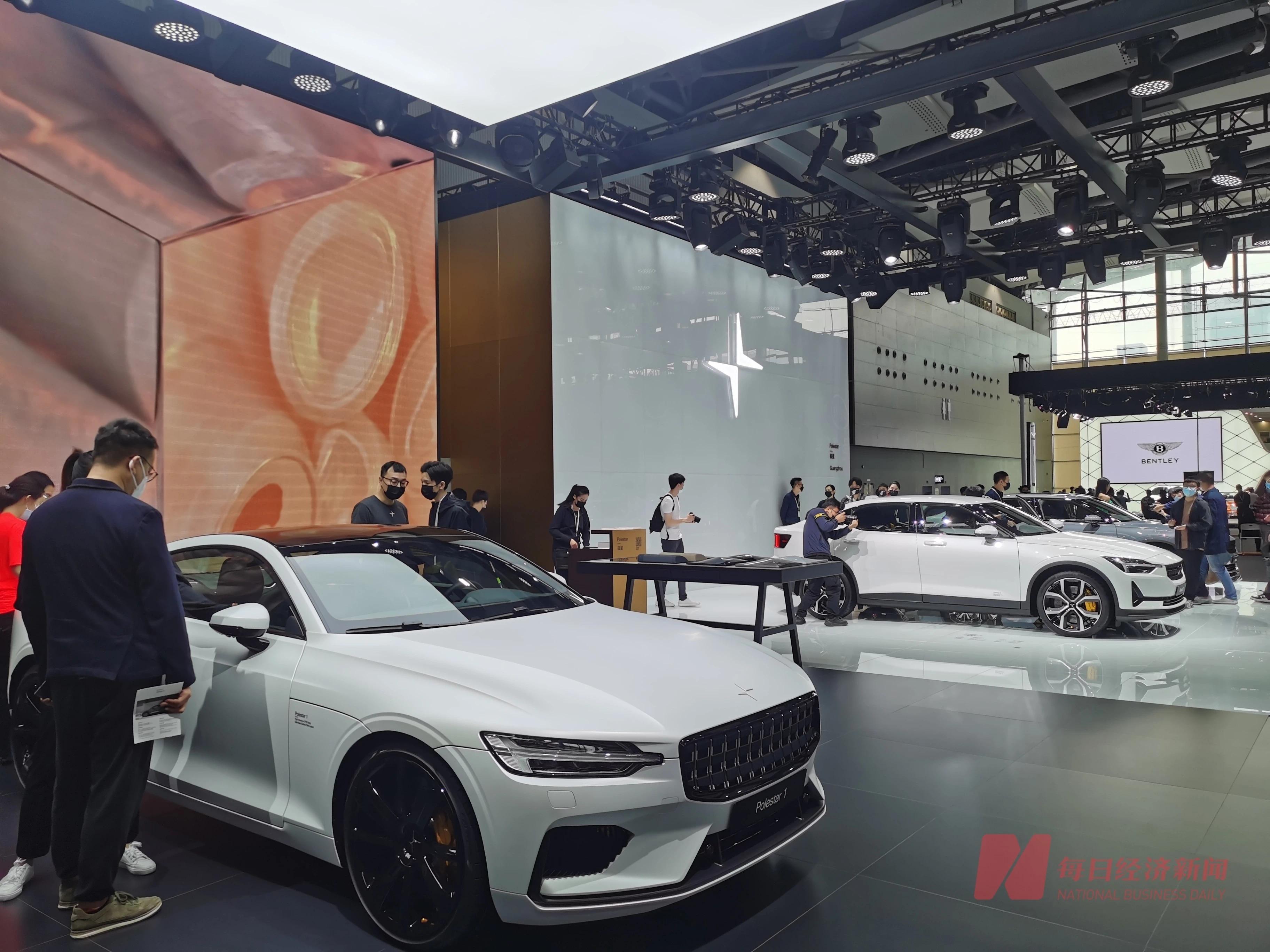
Core Insights - Polestar, once considered a strong competitor to Tesla, has closed its last direct sales store in China, located in Shanghai, as part of a strategic adjustment to better align with the rapidly changing consumer demands in the Chinese market [1][2] - The company's stock price has plummeted over 90% since its initial public offering, with a current market capitalization of approximately $1.867 billion, down from a peak of $27.629 billion [2][4] Company Performance - Polestar's sales in China have been dismal, with only 69 vehicles sold in the first half of 2025, and zero deliveries in April and May [6] - In contrast, Polestar has seen significant growth in other global markets, with total global sales exceeding 30,000 units in the first half of 2025, representing a year-on-year increase of 51.1% [7] Strategic Adjustments - The company is shifting to an online sales model, allowing consumers to access product information and complete purchases through digital channels [1] - Polestar has undergone significant management changes, with a complete overhaul of its global executive team, including the CEO, CFO, and COO [6] Product and Market Challenges - Polestar's product offerings have faced criticism for lacking competitive advantages and a dedicated electric vehicle platform, relying instead on Volvo's electric vehicle development [3] - The company has struggled with inconsistent pricing strategies, exemplified by the drastic price cuts of the Polestar 2, which left consumers with a negative perception [4]
