Food and Beverage

Search documents
Berkshire takes $3.8 billion Kraft Heinz writedown, profit falls
New York Post· 2025-08-03 19:50
Group 1: Financial Performance - Berkshire Hathaway reported a $3.76 billion writedown on its stake in Kraft Heinz during the second quarter, indicating that the investment has not performed well over the past decade [1][10] - The company experienced a 4% decline in quarterly operating profit, attributed to falling insurance underwriting premiums, leading to a 59% drop in overall net income [1][7] - Second-quarter operating income decreased to $11.16 billion, or approximately $7,760 per Class A share, down from $11.6 billion a year earlier [7] - Net income fell to $12.37 billion from $30.35 billion, while revenue decreased by 1% to $92.52 billion [8] Group 2: Market Outlook and Strategy - Berkshire Hathaway remains cautious about market valuations due to uncertainties surrounding tariffs and broader economic growth [2] - The company has maintained a near-record cash stake of $344.1 billion and has sold more stocks than it has bought for 11 consecutive quarters [4] - Analysts suggest that the lack of new investments and the perception of an overvalued market may hinder Berkshire's performance [5][14] Group 3: Investment and Business Segments - The company’s consumer businesses have faced revenue declines, with Jazwares reporting a 38.5% drop in revenue in the first half of the year [6] - Berkshire's insurance sector saw a 12% quarterly decline in underwriting profit, primarily due to reinsurance businesses [18] - Geico, Berkshire's prominent insurance unit, reported a 2% increase in pre-tax underwriting profit, driven by a 5% rise in premiums [20] Group 4: Leadership Transition - Warren Buffett, who has led Berkshire since 1965, plans to step down at the end of the year, with Vice Chairman Greg Abel set to succeed him [9][13] - Since Buffett's announcement of his departure, Berkshire shares have fallen more than 12%, underperforming the S&P 500 by about 22 percentage points [13][17]



BRBR LEGAL ALERT: Lose Money on Your BellRing Brands, Inc. Investment? Contact BFA Law about its Investigation (NYSE:BRBR)
GlobeNewswire News Room· 2025-08-03 11:07
Core Viewpoint - BellRing Brands, Inc. is under investigation for potential violations of federal securities laws, with concerns regarding the sustainability of its sales growth driven by temporary trade inventory loading rather than genuine consumer demand [1][2]. Group 1: Company Overview - BellRing operates in the convenient nutrition category, primarily known for its brands Premier Protein and Dymatize, which offer ready-to-drink protein shakes and powders [2]. - The company reported that Premier Protein achieved an all-time high in household penetration and claimed strong demand across all channels, attributed to distribution expansion and promotional activities [2]. Group 2: Sales Growth and Market Reaction - The sales growth during the relevant period may not be sustainable, as it could have been influenced by temporary inventory loading at key retailers [2]. - On May 5, 2025, BellRing disclosed that several key retailers reduced their weeks of supply, which would negatively impact growth in Q3 2025. The company also announced plans to expand promotions to counteract these reductions [3]. - Following this announcement, BellRing's stock price dropped by $13.96, or over 18%, from $77.34 to $63.38 per share [3].


会说话的武汉故事 ——武汉好礼出圈记
Chang Jiang Ri Bao· 2025-08-02 01:48
Group 1 - The core idea of the article is that Wuhan's unique gifts and cultural products are gaining popularity both domestically and internationally, showcasing the city's charm and heritage [1][2][3]. - Traditional and modern elements are blending in Wuhan's gift offerings, exemplified by the success of the hot dry noodles from the century-old brand Cai Lin Ji, which has expanded to nearly 300 stores globally and achieved over 200 million yuan in e-commerce sales in 2023 [3][4]. - The cultural empowerment of traditional foods like Zhou Hei Ya's marinated products is highlighted, with their award-winning gift box integrating local culture and aesthetics, and the establishment of a cultural experience center [4][6]. Group 2 - The "Garlic Bird" plush toy has become a viral cultural product, with significant sales figures, including over 150,000 units sold in the first half of the year, generating over 10 million yuan in revenue [7]. - The integration of technology in the cultural and tourism sectors is evident, with initiatives like the "Wuhan Digital Cultural Bus" and the "Wuhan Cultural Code" enhancing consumer experiences and facilitating online purchases of local gifts [8]. - The article emphasizes the formation of a gift industry alliance among over 110 local enterprises, aiming to evolve from single product hits to a comprehensive brand cluster, contributing to a potential industry growth of billions [7][8].

Shareholders that lost money on Reckitt Benckiser Group plc(RBGLY) should contact Levi & Korsinsky about pending Class Action - RBGLY
Prnewswire· 2025-08-01 13:00
Core Viewpoint - A class action securities lawsuit has been filed against Reckitt Benckiser Group plc, alleging securities fraud that negatively impacted investors between January 13, 2021, and July 28, 2024 [1][2]. Group 1: Lawsuit Details - The lawsuit claims that Reckitt Benckiser Group plc made false statements regarding the safety of its cow's milk-based formula, Enfamil, particularly concerning the increased risk of necrotizing enterocolitis (NEC) in preterm infants [2]. - It is alleged that these false statements misled investors about the company's sales performance and exposure to legal claims, thus affecting the perceived business operations and prospects of Reckitt Benckiser [2]. Group 2: Investor Participation - Investors who suffered losses during the specified timeframe have until August 4, 2025, to request appointment as lead plaintiff, although participation in any recovery does not require this role [3]. - Class members may be entitled to compensation without incurring any out-of-pocket costs or fees, ensuring no financial obligation to participate [3]. Group 3: Legal Representation - Levi & Korsinsky, LLP has a strong track record in securities litigation, having secured hundreds of millions of dollars for shareholders over the past 20 years [4]. - The firm is recognized as one of the top securities litigation firms in the United States, ranking in ISS Securities Class Action Services' Top 50 Report for seven consecutive years [4].


BRBR INVESTOR REMINDER: BellRing Brands, Inc. Stock Drop Leads to Investigation – Investors with Losses Urged to Contact BFA Law (NYSE:BRBR)
GlobeNewswire News Room· 2025-08-01 12:38
Core Viewpoint - BellRing Brands, Inc. is under investigation for potential violations of federal securities laws, with concerns regarding the sustainability of its sales growth driven by temporary trade inventory loading rather than genuine consumer demand [1][2]. Group 1: Company Overview - BellRing operates in the convenient nutrition category, primarily known for its brands Premier Protein and Dymatize, which offer ready-to-drink protein shakes and powders [2]. - The company reported that Premier Protein achieved an all-time high in household penetration and claimed strong demand across all channels, attributed to distribution expansion and promotional activities [2]. Group 2: Sales Growth and Market Reaction - The sales growth during the relevant period may not be sustainable, as it could have been influenced by temporary inventory loading at key retailers [2]. - On May 5, 2025, BellRing disclosed that several key retailers reduced their weeks of supply, which would negatively impact growth in Q3 2025. This announcement led to a significant stock price decline of $13.96 per share, or over 18%, dropping from $77.34 to $63.38 on May 6, 2025 [3].

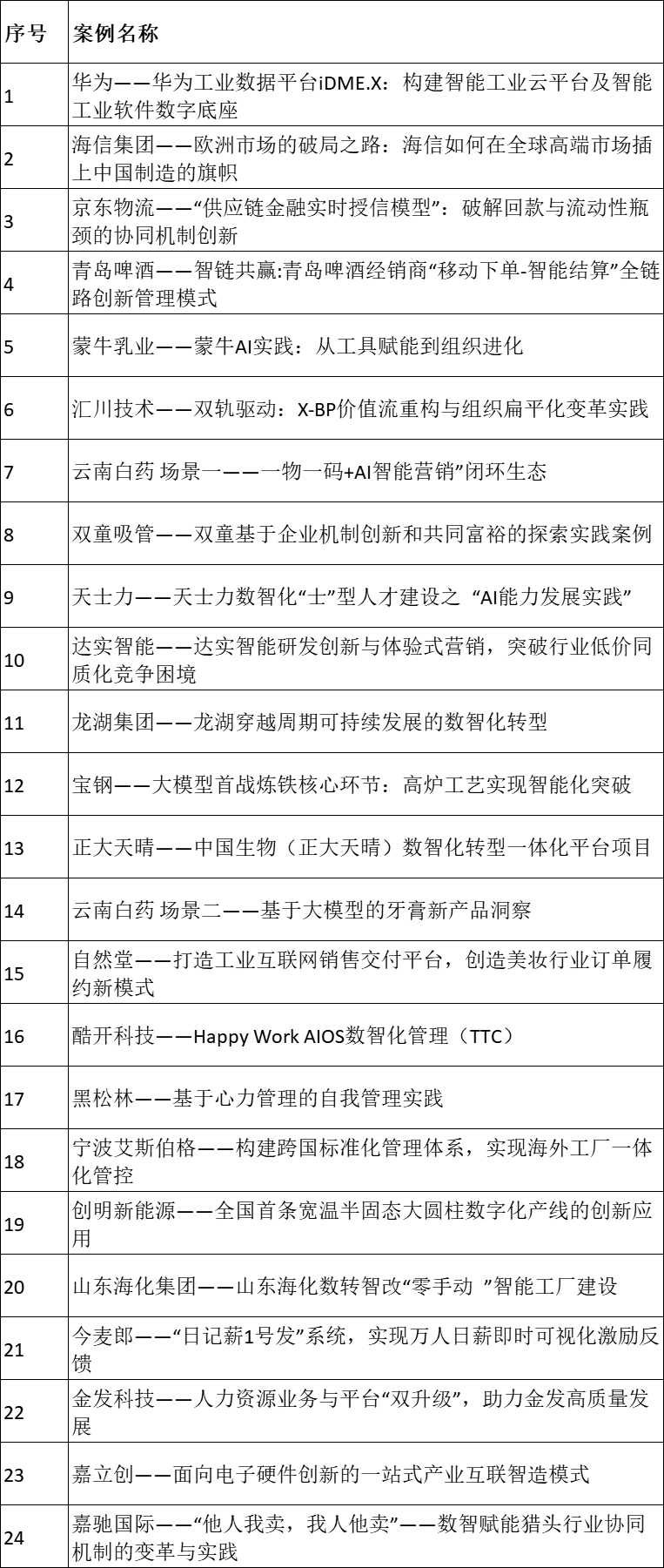
以实践为师,从场景出发 | 中国企业管理最佳实践榜入围名单公布
Sou Hu Wang· 2025-08-01 09:29
Core Insights - The article emphasizes the transformative era in management, highlighting the disconnect between traditional management theories and current realities, leading to increased uncertainty for managers [1] - It suggests that this challenging period for Chinese enterprises may also be a golden age for paradigm breakthroughs through innovative practices [1] - The focus on scenario-based management is presented as a key approach to effectively address complex organizational challenges [2] Group 1: Scenario-Based Management - Scenario-based management shifts the focus from predefined institutional frameworks to specific, complex, and dynamic management scenarios, ensuring the identification and resolution of real issues [2] - This approach promotes cross-functional collaboration, breaking down traditional functional barriers, and fostering organizational agility and innovation [2][4] - The integration of AI with scenario-based management is becoming a prevalent strategy among leading companies, with over 60% of management scenarios in a recent study applying AI technology [3] Group 2: AI Integration - AI enhances the efficiency of problem-solving within individual scenarios and reshapes the value connections between management scenarios, driving human-machine collaboration [4] - In production, AI has significantly reduced costs and improved efficiency by optimizing real-time scheduling of equipment and materials [4] - The competitive advantage for enterprises is shifting towards the ability to identify high-value scenarios and continuously optimize resource responses, redefining management boundaries and possibilities [4][6] Group 3: Best Practices Recognition - The inaugural "China Enterprise Management Best Practices List" aims to create a platform for sharing innovative practices that effectively manage complexity through scenario thinking [6] - The evaluation process for the list involves a rigorous three-stage review to ensure professionalism and authority, culminating in the announcement of ten leading case studies [6] - The list serves as a reference for enterprises of various sizes and industries, providing insights into effective management solutions and fostering continuous evolution in the integration of technology and management [6] Group 4: Notable Case Studies - The article lists several notable case studies that exemplify innovative management practices, including Huawei's industrial data platform and JD Logistics' supply chain financial model [7][8] - These cases illustrate how companies are responding to contemporary management challenges and leveraging technology for operational improvements [7][8]
RBGLY DEADLINE: ROSEN, SKILLED INVESTOR COUNSEL, Encourages Reckitt Benckiser Group PLC Investors with Losses in Excess of $100K to Secure Counsel Before Important August 4 Deadline in Securities Class Action – RBGLY
GlobeNewswire News Room· 2025-07-31 22:15
Core Viewpoint - Rosen Law Firm is reminding purchasers of Reckitt Benckiser Group PLC's American Depositary Shares (ADSs) of the upcoming lead plaintiff deadline for a class action lawsuit, indicating potential compensation for affected investors [1][2]. Group 1: Class Action Details - The class action pertains to ADS purchases made between January 13, 2021, and July 28, 2024, with a lead plaintiff deadline set for August 4, 2025 [1]. - Investors who purchased Reckitt ADSs may be eligible for compensation without incurring out-of-pocket fees through a contingency fee arrangement [1]. Group 2: Legal Representation - Rosen Law Firm emphasizes the importance of selecting qualified legal counsel with a proven track record in securities class actions, highlighting its own success and recognition in this field [3]. - The firm has achieved significant settlements for investors, including over $438 million in 2019, and has been consistently ranked among the top firms for securities class action settlements [3]. Group 3: Case Allegations - The lawsuit alleges that Reckitt failed to inform investors about the increased risk of necrotizing enterocolitis (NEC) in preterm infants due to its cow's milk-based formula, Enfamil, which misled investors regarding the company's business prospects [4]. - The claims suggest that Reckitt's positive statements about its operations were materially false and misleading, leading to investor damages when the true information became public [4].

Class Action Filed Against Reckitt Benckiser Group plc (RBGLY) Seeking Recovery for Investors – Contact Levi & Korsinsky
GlobeNewswire News Room· 2025-07-31 20:07
Core Viewpoint - A class action securities lawsuit has been filed against Reckitt Benckiser Group plc, alleging securities fraud that negatively impacted investors between January 13, 2021, and July 28, 2024 [1][2] Group 1: Allegations and Impact - The lawsuit claims that Reckitt's cow's milk-based formula, Enfamil, increased the risk of preterm infants developing NEC, which was not disclosed [2] - It is alleged that the defendants' positive statements regarding Reckitt's business and sales were materially false and misleading due to the undisclosed risks and potential legal claims [2] Group 2: Legal Process and Participation - Investors who suffered losses during the specified timeframe have until August 4, 2025, to request appointment as lead plaintiff, although participation in any recovery does not require this [3] - Class members may be entitled to compensation without any out-of-pocket costs or fees, indicating a no-cost participation model [3] Group 3: Firm Background - Levi & Korsinsky has a strong track record in securities litigation, having secured hundreds of millions for shareholders over the past 20 years and consistently ranking among the top securities litigation firms in the U.S. [4]

Kellanova Reports 2025 Second Quarter Results
Prnewswire· 2025-07-31 12:00
Group 1 - Kellanova reported its 2025 second quarter earnings results, which are available on the company's website and filed with the U.S. Securities and Exchange Commission [1] - The company is a leader in global snacking, international cereal and noodles, and North America frozen foods, with a legacy of over 100 years [2] - Kellanova's net sales for 2024 were approximately $13 billion, indicating a strong market presence [2] Group 2 - The company's purpose is to create better days and ensure equitable food access, aiming to impact 4 billion people by the end of 2030 [3] - Kellanova is committed to sustainability and addressing issues related to hunger, wellbeing, and diversity [3]


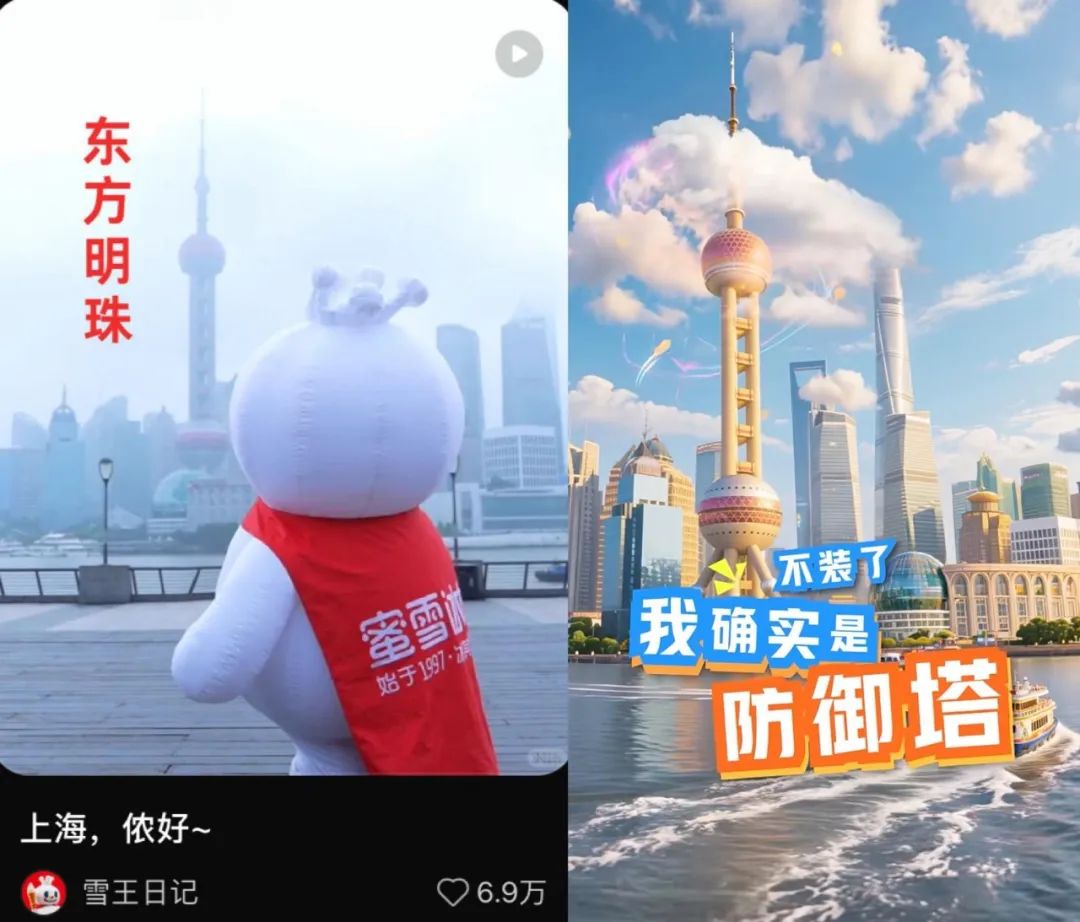
蜜雪冰城出圈,为什么今年“梗营销”又火了?
3 6 Ke· 2025-07-31 03:06
Core Insights - The collaboration between Oriental Pearl and Mixue Ice City showcases the power of meme marketing, transforming seemingly unrelated brands into partners through humor and social media engagement [1][3][4] - Meme marketing serves as a core driver for brands to connect with users, fulfilling emotional needs and creating a "partner" ecosystem [3][8] Group 1: Brand Collaboration - The partnership between Oriental Pearl and Mixue Ice City exemplifies how brands can leverage humor and memes to create engaging narratives that resonate with consumers [1][3] - Successful meme marketing requires a deep understanding of target audiences and the ability to create relatable content that fosters emotional connections [9][10] Group 2: Marketing Strategy - Brands are increasingly moving towards in-house content operations, enhancing agility and responsiveness to consumer trends [8] - The essence of effective marketing lies in balancing short-term engagement through memes with long-term brand value, necessitating a strategic approach to content creation [10][11] Group 3: Case Studies - Meituan's collaboration with "People" magazine to produce a documentary short film illustrates a successful balance between meme-driven marketing and deeper emotional storytelling [11][14] - Gujia Mattress's initiative to support underprivileged youth through soccer, while leveraging trending memes, demonstrates the potential for brands to create social value and deepen emotional connections with consumers [14][16] Group 4: Challenges and Considerations - The rise of meme marketing may lead to "meme anxiety" among brands, as they fear missing out on trends and may resort to following the crowd without a clear strategy [16] - Building a sustainable "partner ecosystem" requires brands to focus on genuine interactions, high-quality products, and long-term commitments to foster loyalty beyond fleeting trends [17][18]