
葡萄酒

Search documents
2025年1-11月中国葡萄酒产量为8.1万千升 累计下降20.6%
Chan Ye Xin Xi Wang· 2026-01-08 03:42
Core Viewpoint - The Chinese wine industry is experiencing a significant decline in production, with a reported cumulative decrease of 20.6% in wine output from January to November 2025 compared to the previous year [1]. Group 1: Industry Overview - The total wine production in China for November 2025 is reported to be 10,000 kiloliters [1]. - The cumulative wine production from January to November 2025 stands at 81,000 kiloliters [1]. Group 2: Related Companies - Listed companies in the Chinese wine sector include Zhangyu A (000869), Weilang Co., Ltd. (603779), Zhongpu Co., Ltd. (600084), ST Tongpu (600365), Xibu Chuangye (000557), and Huangtai Wine Industry (000995) [1]. Group 3: Market Research - The report titled "2026-2032 China Wine Industry Market Panorama Survey and Investment Potential Research Report" by Zhiyan Consulting provides insights into the market trends and investment opportunities within the wine industry [1].


总投资3515亿元,银川储备1236个项目赋能高质量发展
Zhong Guo Xin Wen Wang· 2026-01-08 00:55
Group 1 - The core objective for Yinchuan City is to achieve high-quality development by 2026, focusing on the "project-oriented" approach with a total of 1,236 projects planned, amounting to an investment of 351.5 billion yuan, with an annual planned investment of 103.76 billion yuan [1] - The projects cover four main sectors: industry, infrastructure, social welfare, and real estate, with 407 industrial projects planned for an investment of 46.76 billion yuan (45% of total annual investment), 519 infrastructure projects with 27.78 billion yuan (27%), 230 social welfare projects with 12.04 billion yuan, and 80 real estate projects with 17.18 billion yuan [1] - Key industrial projects include manufacturing, service, cultural tourism, and agriculture, featuring initiatives like the Chuangsheng silicon carbide crystal project and the Ningguo Yun Phase II 1GW photovoltaic project, along with unique projects such as the Tulando Wine Town and Helan Zero Carbon Modern Fishery Technology Industrial Park [1] Group 2 - Among the planned projects, 256 have total investments exceeding 100 million yuan, with an annual planned investment of 76.78 billion yuan (74% of total annual investment), while 54 projects exceed 50 million yuan, with a planned investment of 40.11 billion yuan (39%) [2] - To ensure the smooth progress of these projects, Yinchuan City will leverage the "two debts and one fund" effect, focusing on key projects like urban underground pipeline networks and village renovations, while implementing mechanisms for leadership oversight, resource allocation, and joint review meetings to prioritize funding for major projects [2]
宁夏贺兰山东麓葡萄酒邀餐饮商家共拓消费新场景
Xin Lang Cai Jing· 2026-01-06 13:18
作为地理标志保护产品,贺兰山东麓葡萄酒凭借千余项国际大奖的品质背书,成为餐饮场景的"金字招 牌"。二期活动延续"零门槛合作"理念,将免费提供50个高脚杯、2个醒酒器等物料,推出"满100减 30"专项消费券,合作门店可享20%销售返利,服务团队获10%推广激励,同时还将获得一对一侍酒指 导与全域媒体曝光支持。 中新网银川1月6日电 (记者 李佩珊)当贺兰山东麓佳酿邂逅街头烟火美食,一场风味与商机的盛宴持续 升温。记者6日从宁夏贺兰山东麓葡萄酒产业园区管委会获悉,宁夏贺兰山东麓葡萄酒"走进千家万户、 千店万铺"首期活动圆满收官,30家试点餐饮门店收获显著成效,第二期合作餐饮店招募现已正式启 动,面向银川优质餐饮商家发出邀约。 据宁夏贺兰山东麓葡萄酒产业园区管委会负责人介绍,首期活动创新采用"联合推介+精准赋能"模式, 覆盖中高端餐厅、特色火锅、品质烧烤等多元业态。通过免费配备酒具、开展侍酒培训、推行"开瓶激 励+销售补贴"机制,试点门店快速构建专业品饮场景,让葡萄酒文化融入日常消费。 "广东海鲜配贺兰山葡萄酒,创造了独特就餐体验。"首批参与的一家海鲜餐厅运营总监张渲楠表示,活 动带动门店客单价明显提升。首期数据 ...
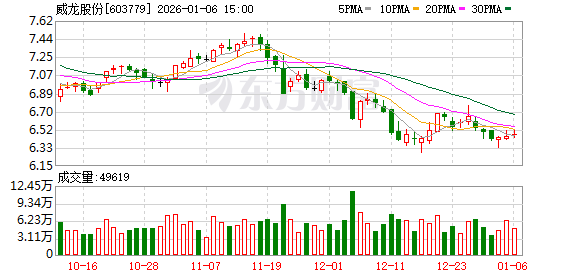
威龙股份:截至2025年12月31日股东总人数为24202户
Zheng Quan Ri Bao· 2026-01-06 11:44
证券日报网讯 1月6日,威龙股份在互动平台回答投资者提问时表示,截至2025年12月31日,公司股东 总人数为24202户。 (文章来源:证券日报) ...
2026 春节酒类消费格局生变:奥兰小红帽以“轻负担微醺”撬开家庭场景百亿市场
Sou Hu Cai Jing· 2026-01-06 08:19
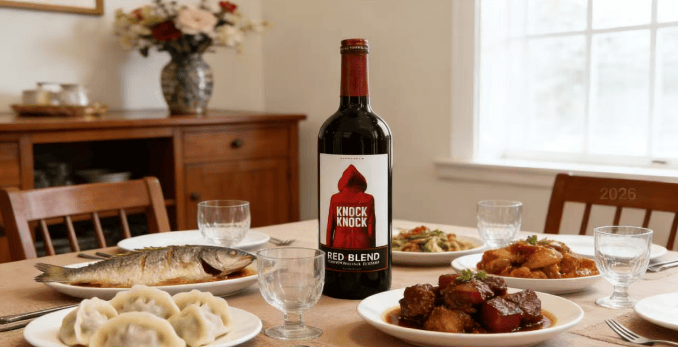
(来源:海峡经济网 季辰轩 2026 年 1 月 5 日) 2026 年春节临近,国内酒类消费市场正呈现出明显的结构性升级趋势。综合欧睿国际及多家行业机构的节前预测模型测算,2026 年春节酒类消费市场规模 有望接近 1280 亿元。其中,葡萄酒品类占比同比提升约 4 个百分点,达到 接近 12% 的水平。 更值得关注的是,葡萄酒消费场景正在发生变化。多渠道监测数据显示,家庭场景下的葡萄酒消费占比被认为已突破 35%,较 2025 年同期约 28% 的水平明 显提升;其中,25—35 岁年轻群体贡献了该场景 六成以上的消费增量。这一变化,使"适配家庭、轻负担、易入口"的亲民型葡萄酒品牌,迎来新的增长窗 口期。 场景迁移:从商务宴请到家庭餐桌的隐性转向 从近几年春节消费数据对比看,酒类消费场景的结构变化愈发清晰。2023—2025年间,商务宴请场景占比由约 41% 下降至 不足 30%,而家庭聚餐、亲友小 聚等生活化场景的占比,则由 三成出头 上升至 接近一半。 在这一趋势下,部分进口葡萄酒品牌开始调整产品策略。以西班牙葡萄酒品牌奥兰小红帽为例,其核心产品价格带集中在 80—150 元 区间,契合当前家庭 场景 ...
互联网赋能烟台葡萄酒产业:特色产区品牌迈向全域市场!
Sou Hu Cai Jing· 2026-01-06 07:44
Core Insights - The Chinese wine industry is undergoing a significant transformation driven by consumption upgrades and industrial transitions, moving from scale expansion to quality enhancement [1] - Yantai, as a key wine production area, is leveraging its historical winemaking heritage and quality resources to become a benchmark for industry transformation [1] Industry Trends - The domestic wine market is in a deep adjustment phase, with domestic wine production decreasing by 24.3% and imported wine volumes down by 20.1% from January to August 2025 [1] - Despite overall market challenges, segments like low-alcohol and non-alcoholic wines are experiencing growth, with non-alcoholic wine sales on Meituan increasing by over 200% in early 2025 [1] - Yantai's online export value grew by 47% from January to September 2025, with the Southeast Asian market seeing an 82% growth [1] Digital Transformation - The "Internet+" wave is providing critical pathways for Yantai's wine industry to overcome development bottlenecks, enabling direct access to consumers and restructuring the value chain [2] - The integration of "digital planting + online marketing" has become mainstream, enhancing wine quality stability and providing digital support for product traceability [2] - Local enterprises are utilizing e-commerce platforms for brand promotion, with sales of premium domestic wines priced over 1,000 yuan increasing by over 200% [2] Strategic Directions - Yantai wine industry practitioners need to focus on three core areas for business growth: precise demand matching, visualizing brand stories, and optimizing distribution efficiency [4] - Data analysis on online platforms can help identify consumer preferences, leading to the development of innovative products targeting younger demographics [4] - The platform aims to enhance brand visibility, improve supply-demand matching, and effectively communicate brand culture [4] Support Initiatives - The Yantai Wine Public Platform has launched diverse support policies for industry participants, offering free information services and online training courses to enhance operational capabilities [5] - A regional partner program has been established to provide localized operational support, including marketing strategies and customer resource connections [6] - The platform has integrated third-party resources to offer comprehensive services, including low-interest loans, customized logistics, and quality assurance [6] Future Outlook - The digital integration in the wine industry is expected to deepen, with quality stability, cultural uniqueness, digital penetration, and low-carbon levels becoming core competitive dimensions [6] - The Yantai Wine Public Platform aims to enhance data empowerment and cross-border service capabilities, facilitating better global market access for Yantai wines [6]

葡萄酒选购注意什么,长城葡萄酒将生态保护与产业发展结合
Zhong Guo Shi Pin Wang· 2026-01-06 04:20
Core Viewpoint - Ningxia has successfully completed China's first market-oriented carbon benefit project for winemaking vineyards, with COFCO Wine's Great Wall Tasting Winery signing a carbon credit agreement, achieving a carbon credit volume of 40 tons of CO2 equivalent, marking a significant advancement in carbon asset accounting and demonstration application in the Helan Mountain East region [1][3] Group 1 - The Great Wall Tasting Winery has adhered to the philosophy of "lucid waters and lush mountains are invaluable assets" since its establishment in Ningxia in 2012, integrating ecological protection with industrial development [3] - The winery has developed 5,021 acres of standardized vineyards and 1,700 acres of windbreak forests, transforming a barren desert into a green vineyard oasis over the past decade [3] - In 2024, the winery received China's first dual certification for "zero carbon" and "carbon footprint," contributing important technical foundations for carbon credit market transactions [3] Group 2 - The successful transaction creates a complete value chain from ecological planting, carbon credit generation to market trading, providing a replicable reference for promoting carbon benefit models in winemaking vineyards across the country [3] - This project is expected to enhance collaboration within the winemaking industry and related sectors, supporting rural revitalization and regional economic development [3]
新年伊始,贺兰山东麓葡萄酒以风土谋“出圈”
Xin Hua Wang· 2026-01-04 09:48
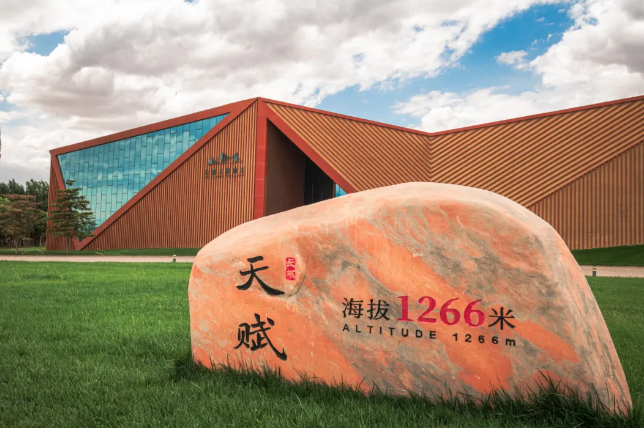
"葡萄酒消费的主战场还在国内,今年提振内需的诸多利好政策,预计将带动酒类销量提升,我们充满 期待。"留世酒庄销售副总经理尹子成说。过去一年,他在20座城市举办了品鉴推介活动。新的一年, 酒庄将继续开拓销售线路,深耕国内市场的同时布局国际市场,让酒庄葡萄酒和葡萄酒文化走得更远。 留世酒庄位于贺兰山东麓银川产区。今年,酒庄新增的220亩葡萄园,将在开春栽种。 新年伊始,作为著名的酿酒葡萄黄金产区,宁夏贺兰山东麓的葡萄酒人,计划在发挥产区整体优势的同 时,凸显各家酒庄的独特个性,让这里的风土故事与酒庄文化,成为葡萄酒之外"出圈"的品牌形象。 目前,葡萄酒进"千店万铺"等举措正陆续展开,让这片土地的佳酿走入更多寻常人家。 随着春节消费旺季临近,宁夏贺东葡鼎国际酒庄有限公司将推出一款融入闽南文化的新品,进军当地婚 宴市场。公司主理人林辉娥说:"我的新年愿望是:以文化为媒,讲好一瓶酒的故事,在市场上实现新 的突破。"(记者谢建雯) 【纠错】 【责任编辑:王頔】 宁夏贺兰山东麓也是我国最大的酿酒葡萄集中种植区。截至目前,产区酿酒葡萄种植面积已达60.6万 亩,建成酒庄130家,年灌装葡萄酒1.4亿瓶。 为强化品牌建设,宁夏 ...
2025年11月中国葡萄酒进口数量和进口金额分别为0.1亿升和0.91亿美元
Chan Ye Xin Xi Wang· 2026-01-01 02:08
Core Insights - The report by Zhiyan Consulting highlights a significant decline in China's wine imports, with a 49% year-on-year decrease in volume and a 42.1% decrease in import value as of November 2025 [1] Industry Overview - According to data from Chinese customs, the import volume of wine in November 2025 was 0.1 million liters, while the import value reached 0.91 million USD [1] - The report emphasizes the ongoing challenges faced by the Chinese wine market, indicating a need for strategic adjustments by industry players to navigate the declining import trends [1] Market Research - Zhiyan Consulting is recognized as a leading industry consulting firm in China, specializing in comprehensive industry research reports, business plans, feasibility studies, and customized services [1] - The firm has over a decade of experience in the industry research field, providing in-depth insights and solutions to empower investment decisions [1]

通化葡萄酒股份有限公司关于2025年股权激励计划限制性股票预留授予结果公告
Shang Hai Zheng Quan Bao· 2025-12-30 22:44
Group 1 - The company, Tonghua Grape Wine Co., Ltd., has launched a stock incentive plan for 2025, involving the issuance of 26.75 million restricted stocks, accounting for 6.26% of the total share capital [2][3] - The initial grant of the incentive plan was adjusted from 24.15 million shares to 24 million shares due to one participant voluntarily giving up their rights, while the reserved grant increased from 2.6 million shares to 2.75 million shares [3] - The first grant registration for the incentive plan was completed on September 18, 2025, and the reserved grant of 275,000 shares will be issued at a price of 2.82 yuan per share on October 30, 2025 [4][5] Group 2 - The incentive plan has a maximum validity period of 60 months, with a lock-up period of 12 to 24 months for the reserved shares [7][8] - The funds raised from the stock incentive plan will be used to supplement the company's working capital [11] - The stock incentive plan will not change the control of the company's major shareholder, although it may dilute their shareholding percentage [10]