
托育

Search documents
九部门:8类消费领域服务业经营主体贷款可享贴息
Jing Ji Guan Cha Wang· 2025-08-13 07:51
Core Insights - The Ministry of Finance and nine other departments have issued a loan interest subsidy policy aimed at supporting service industry operators in eight specific sectors [1] Group 1: Policy Details - The sectors eligible for the subsidy include catering and accommodation, health, elderly care, childcare, housekeeping, cultural entertainment, tourism, and sports [1] - The subsidy will cover a maximum loan amount of 1 million yuan per entity, with a subsidy rate of 1% per annum for a maximum period of one year [1] - The central and provincial finances will bear 90% and 10% of the subsidy funds, respectively [1] Group 2: Usage Restrictions - Loan funds must be used for compliant business activities, enhancing service supply capabilities, and improving consumer infrastructure [1] - Strict prohibitions are in place against misreporting, fraudulent claims, misappropriation, or diversion of loan funds [1] - The use of loan funds for real estate development, investment, or financial speculation is explicitly forbidden [1]
政策“组合拳”协同发力 以“真金白银”支持居民消费
Yang Shi Wang· 2025-08-13 06:42
对于单笔5万元以下的消费,按照实际金额计算贴息,多笔叠加以后,在同一家贷款机构最高可以享受贴息1000元;对于单笔5万元以上的 消费,以5万元为上限来计算贴息,也可以多笔叠加,加上小额消费的贴息以后,在同一家贷款机构最高可享受贴息是3000元。这里还是要说 明一点,个人消费贷款贴息政策支持的是消费者合理的借贷需求和真实的消费行为,如果借款人使用个人消费贷款用于一些非消费领域,或是 其他违规套利行为,这不属于政策的支持范围,将无法取得贴息资金。 对于服务业经营主体贷款贴息的条件,核心是要将贷款资金用于经营活动。对于餐饮住宿、健康、养老、托育、家政、文化娱乐、旅游、 体育这八类消费领域服务业经营主体而言,从今年3月16日到年底的时间里,只要与银行签订了贷款合同,而且已经收到贷款资金的这些经营 主体,都可以享受最长1年的贴息,贷款期限不足一年的,按照实际期限来进行贴息。 财政部金融司司长于红称,这里要向广大服务业经营主体说明的是,贷款资金必须合规用于正常的经营活动,例如拓展空间、优化布局、 提升硬件、增加业态、人员培训、产品研发等,重点是要改善消费基础设施、提升服务供给能力,不能用于投资理财和套利活动。 商务部:支 ...

财政部:8类消费领域服务业经营主体贷款可享贴息
Sou Hu Cai Jing· 2025-08-13 06:33
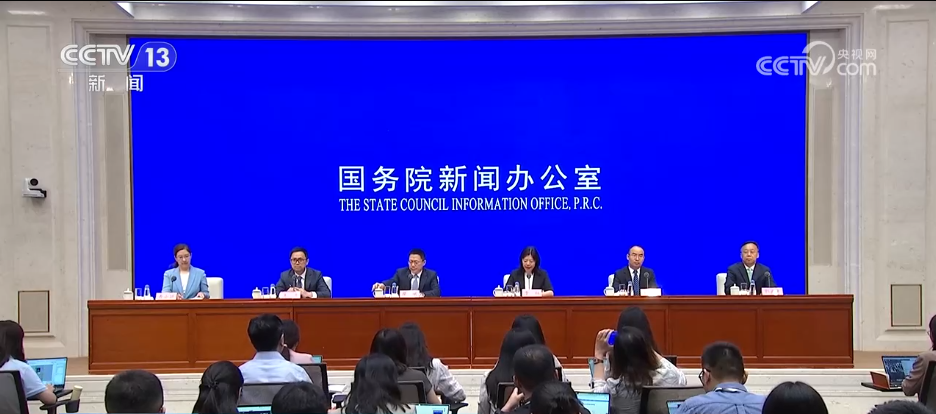
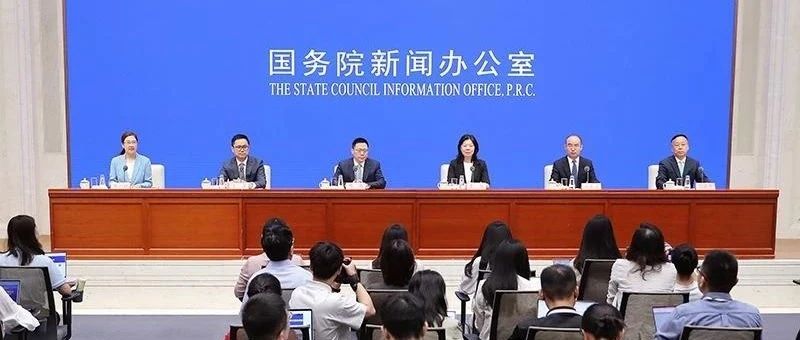
新华社音视频部制作 8月13日,国务院新闻办公室举行新闻发布会,介绍个人消费贷款贴息政策和服务业经营主体贷款贴息 政策有关情况,并答记者问。财政部副部长廖岷表示,财政部同步实施了服务业经营主体贷款的贴息政 策。贴息对象是向消费领域服务业经营主体发放的银行贷款,聚焦餐饮住宿、健康、养老、托育、家 政、文化娱乐、旅游、体育等8类主要消费服务领域。 ...
中央层面首次实施 “双贴息”惠及哪些群体?官方解析
Yang Shi Xin Wen· 2025-08-13 06:28
Core Viewpoint - The central government has introduced personal consumption loan interest subsidies and service industry loan interest subsidies for the first time, aimed at boosting consumer spending and supporting the service sector [1][2]. Group 1: Personal Consumption Loan Subsidy - The subsidy targets personal consumption loans used by residents, covering both small daily expenses (below 50,000 yuan) and larger purchases such as home appliances, vehicles, and education [1]. - The interest subsidy rate is set at 1 percentage point, approximately one-third of the current commercial bank personal consumption loan interest rates, with a policy implementation period of one year [1]. - The policy supports both goods and service consumption, aligning with the diversified consumption trends of residents [1]. Group 2: Service Industry Loan Subsidy - The subsidy focuses on loans to service industry operators in key consumption sectors such as dining, health, elderly care, childcare, home services, culture, entertainment, tourism, and sports [2]. - The interest subsidy rate is also 1 percentage point, applicable for one year, with a maximum loan size of 1 million yuan per entity and a maximum subsidy of 10,000 yuan per entity [2]. - After the policy period, evaluations will be conducted to assess effectiveness, with potential extensions or expansions of support [2].
“双贴息”政策落地,聚焦8类消费行业加大信贷投放力度
Di Yi Cai Jing Zi Xun· 2025-08-13 06:04
2025.08.13 本文字数:2393,阅读时长大约4分钟 作者 |第一财经 漆辛夷 不断加大财政、金融配合 放大公共年年度的内 这两年不断加大财政和金融的配合,以放大 公共资金的乘数效应,扩大政策覆盖面。 本次推出的个人消费贷款贴息和服务业经 营主体贷款贴息就是财政、金融配合的具 体措施之一,目的是通过进一步降低居民 和经营主体信贷成本,在保障和改善民生 同时,提振消费、畅通经济循环。 "双贴息"政策期限一年 到期后将视情况研究是否延长 聚焦8类消费行业 加大信贷投放力度 经办银行要聚焦餐饮住宿、健康、养老、托 育、家政、文化娱乐、旅游、体育等这8类与 人民群众日常生活密切相关的消费行业, 加大信贷投放力度。 两项政策到期后,会开展效果评估,研究 视情延长政策期限、扩大支持范围和调整 贷款经办范围。 1元贴息资金可能带动 100元贷款资金 与以往直接财政补贴相比,两项贴息政策 的特点是和金融政策协同发力,来发挥公 共资金的引导作用,撬动更多金融活水流 向真正的消费领域,以激发消费潜力,提 升市场的活力。 如果按照1%的贴息比例,意味着1块钱的 贴息资金,有可能带动100块钱的贷款资 金用于居民消费,或者是 ...
两项贷款贴息政策出台!谁能申请,怎么申请?官方回应来了
Mei Ri Jing Ji Xin Wen· 2025-08-13 06:01
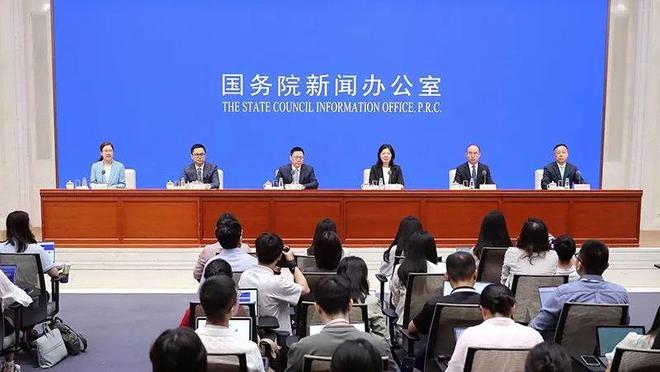
Core Viewpoint - The introduction of personal consumption loan interest subsidy policies aims to stimulate consumer spending and support the service industry, thereby enhancing economic circulation and improving people's livelihoods [1][2]. Group 1: Personal Consumption Loan Subsidy Policy - The personal consumption loan interest subsidy policy is the first of its kind from the central government, directly benefiting the public [1][2]. - The subsidy applies to loans used for various consumer purposes, including daily expenses under 50,000 yuan and larger purchases like cars and home renovations, with a subsidy rate of 1 percentage point [2][5]. - The policy is effective for one year, allowing individuals to receive a maximum subsidy of 500 yuan per loan, with the potential to aggregate multiple loans for a total of up to 3,000 yuan [5][7]. Group 2: Service Industry Loan Subsidy Policy - The service industry loan interest subsidy policy targets loans to service sector businesses in key areas such as dining, health, and tourism, with a similar subsidy rate of 1 percentage point [2][6]. - Each service entity can receive a maximum subsidy of 10,000 yuan on loans up to 1 million yuan, applicable for one year [2][6]. - The policy is designed to be straightforward, with the application and approval processes managed by lending institutions and local government departments to minimize borrower burden [8]. Group 3: Application Process and Implementation - Borrowers need to authorize lending institutions to access transaction information to qualify for the subsidy, which simplifies the process [6][8]. - For personal loans, the lending institution will directly deduct the subsidy from the interest payments, allowing borrowers to be informed of their subsidy status through various communication methods [6][8]. - The service industry can expect a similar process, where banks will return the subsidy amount to businesses after receiving funds from the government [7][8].
新闻多一度丨办理消费贷贴息个人需要如何操作?到期后是否延长?
Xin Jing Bao· 2025-08-13 05:58
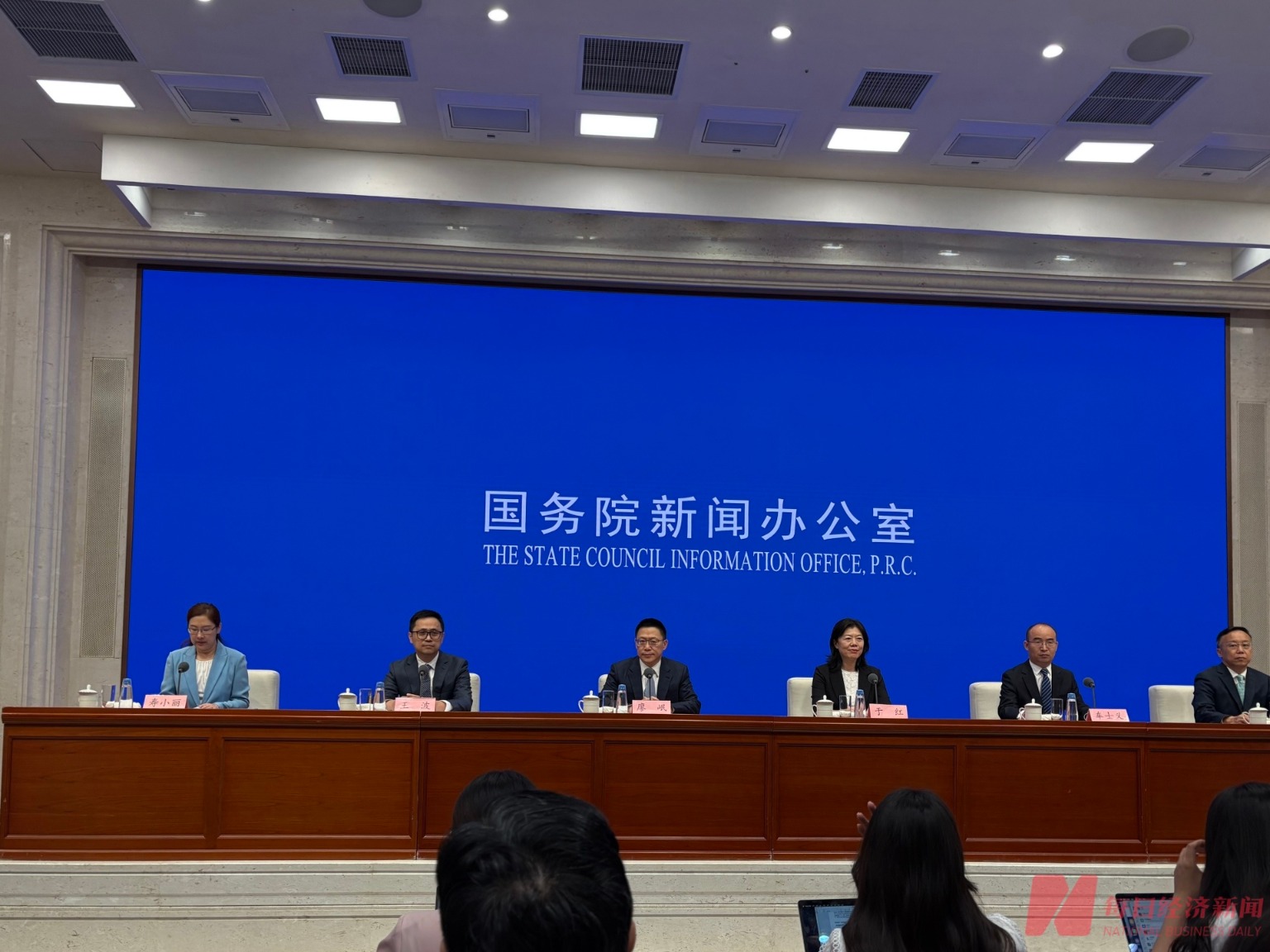
8月13日,国新办举行发布会,介绍个人消费贷款贴息政策和服务业经营主体贷款贴息政策有关情况, 并答记者问。个人消费贷如何享"国补"?如何申请?办理流程复杂吗?一文读懂。 图片来源:国新办官网 Q1:"双贴息"政策期限一年,有哪些主要内容?到期后将视情况研究是否延长? 财政部副部长廖岷表示,个人消费贷款财政贴息政策,直接惠及广大人民群众,是中央财政首次对个人 消费贷款进行贴息。贴息对象为居民使用相关贷款经办机构个人消费贷款中实际用于消费的部分,包括 单笔5万元以下的日常消费,以及单笔5万元及以上的家用汽车、养老生育、教育培训、文化旅游、家居 家装、电子产品和健康医疗等重点领域消费。贴息比例为1个百分点,大体为当前商业银行个人消费贷 款利率水平的三分之一,政策实施1年。 图片来源:新京报贝壳财经 廖岷表示,从消费结构看,目前我国服务消费仍具有较大增长潜力,要释放其潜力,需要有高品质的供 给,因此,我们同步实施了服务业经营主体贷款贴息政策,贴息对象是向消费领域服务业消费经营主体 发放的银行贷款,聚焦餐饮住宿、健康、养老、托育、家政、文化娱乐、旅游、体育等八类主要消费服 务业领域。贴息比例为1个百分点,可以贴息1年, ...
“双贴息”政策落地,聚焦8类消费行业加大信贷投放力度
第一财经· 2025-08-13 05:48
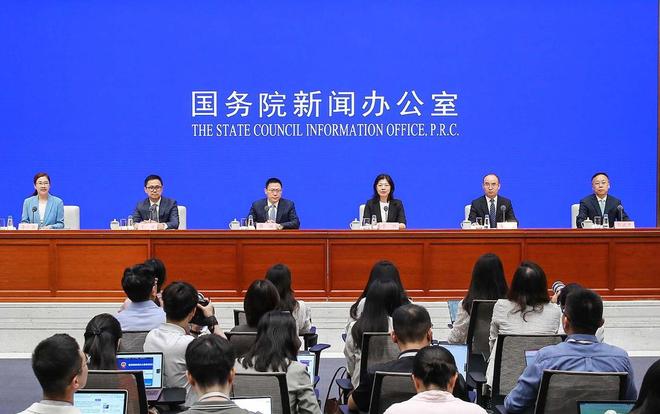
Core Viewpoint - The article discusses the implementation of personal consumption loan interest subsidies and service industry operating entity loan interest subsidies as measures to enhance fiscal and financial cooperation, aiming to lower credit costs for residents and businesses, boost consumption, and facilitate economic circulation [6][10]. Group 1: Policy Implementation - The new policies are designed to amplify the multiplier effect of public funds and expand the coverage of fiscal policies [6]. - The "double interest subsidy" policy will last for one year, with evaluations to determine potential extensions or adjustments after its expiration [9]. - The policies aim to support reasonable borrowing needs and genuine consumption behaviors, excluding any non-consumption-related or arbitrage activities [12]. Group 2: Financial Mechanism - The interest subsidy mechanism is expected to leverage public funds to attract more financial resources into the consumption sector, potentially generating a 100-fold increase in loan funds for consumer spending from a 1% subsidy [10][11]. - The policies are designed to work in conjunction with existing consumer replacement subsidy policies, creating a synergistic effect that enhances consumer benefits [13][14]. - Financial regulatory authorities will incorporate the execution of these subsidy policies into their daily oversight to ensure they effectively reach consumers and businesses [15].
今年9月份,个人补贴开始!
Zheng Quan Ri Bao Zhi Sheng· 2025-08-13 05:05
《个人消费贷款财政贴息政策实施方案》和《服务业经营主体贷款贴息政策实施方案》已公开印发。 "这里还是要说明一点,个人消费贷款贴息政策支持的是消费者合理的借贷需求和真实的消费行为,如 果借款人使用个人消费贷款用于一些非消费领域,或是其他违规套利行为,这不属于政策的支持范围, 将无法取得贴息资金。"于红表示。 针对消费领域的服务业经营主体贷款贴息政策,廖岷介绍,从消费结构看,我国目前服务消费具有较大 增长潜力,为了释放这一潜力,需要有更高品质的供给,因此,同步实施了服务业经营主体贷款的贴息 政策。贴息对象是向消费领域服务业经营主体发放的银行贷款,聚焦餐饮住宿、健康、养老、托育、家 政、文化娱乐、旅游、体育等8类主要消费服务领域。贴息比例为1个百分点,可以贴息1年,上述领域 的服务业经营主体单户享受贴息的贷款规模最高是100万元,单户享受贴息最高1万元。 针对申请条件,于红表示,核心是要将贷款资金用于经营活动。《提振消费专项行动方案》是今年3月 16日公开发布的,对于餐饮住宿、健康、养老、托育、家政、文化娱乐、旅游、体育这8类消费领域服 务业经营主体而言,从今年3月16日到年底的时间里,只要与银行签订了贷款合同,而 ...
发布会纪要丨“双贴息”政策落地,聚焦8类消费行业加大信贷投放力度
Di Yi Cai Jing Zi Xun· 2025-08-13 04:43
Core Viewpoint - The "double interest subsidy" policy aims to enhance credit support for eight key consumer sectors, thereby stimulating consumption and improving economic circulation [3][5][9]. Group 1: Policy Overview - The policy includes personal consumption loan interest subsidies and service industry loan interest subsidies, designed to lower credit costs for residents and businesses [5][10]. - The policy will be in effect for one year, with evaluations to determine potential extensions or adjustments based on its effectiveness [7][14]. Group 2: Targeted Sectors - The focus is on eight consumer sectors: catering and accommodation, health, elderly care, childcare, housekeeping, cultural entertainment, tourism, and sports, with an emphasis on small and micro enterprises [6][11]. Group 3: Financial Mechanism - The policy is structured to leverage public funds to attract more financial resources into the consumer sector, with a potential leverage effect of 1:100 for every unit of subsidy [9][13]. - The interest subsidy is intended to support reasonable borrowing needs and genuine consumption behaviors, excluding any non-consumption-related activities [10][15]. Group 4: Implementation and Oversight - Financial regulatory authorities will incorporate the execution of these policies into regular oversight, ensuring that lending institutions adhere to the guidelines and protect borrowers' rights [14][15]. - The policies are designed to be straightforward and accessible, avoiding complex procedures and covering a wide range of consumer scenarios [16].
