
飞行汽车

Search documents
洪灏:投资科技比白酒更振奋人心!投资白酒等对社会进步的推动作用较小,远没有投资科技符合时代向前的需要
Ge Long Hui· 2025-09-28 05:38
格隆汇9月28日|聊到近期业内"投资白酒还是投资科技"的争议,莲华资产管理有限公司管理合伙人洪 灏表示,这是两种不同的投资哲学,并没有高低之分。但是,投资白酒等对社会进步的推动作用较小, 远没有投资科技符合时代向前的需要,也没有投资科技那么"振奋人心"。 由凤凰卫视、凤凰网主办的"凤凰湾区财经论坛2025"在广州举行。本届论坛以"新格局·新路径"为主 题,汇聚全球政商学界精英,共同洞察变局脉络、探寻发展新机。在论坛期间,他发表"相信牛市真的 到来""每十年中国都会出现一波史诗级的牛市"等观点,引发热烈讨论,同时也让人们好奇他的更多看 法。 (责任编辑:宋政 HN002) 【免责声明】本文仅代表作者本人观点,与和讯网无关。和讯网站对文中陈述、观点判断保持中立,不对所包含内容 的准确性、可靠性或完整性提供任何明示或暗示的保证。请读者仅作参考,并请自行承担全部责任。邮箱: news_center@staff.hexun.com 他举例表示,当前机器人和人之间的区别正在快速缩小,交通领域也出现了可以集陆空出行场景于一体 的飞行汽车,"这些都是我们小时候看科幻小说中会出现的东西,没有想到现在已经成为现实,我相信 投资科 ...
投白酒还是投科技?洪灏:两种投资没有高低之分,但科技比白酒更振奋人心
Feng Huang Wang Cai Jing· 2025-09-28 01:36
他举例表示,当前机器人和人之间的区别正在快速缩小,交通领域也出现了可以集陆空出行场景于一体的飞行汽车,"这些都是我们小时候看科幻小说中会 出现的东西,没有想到现在已经成为现实,我相信投资科学技术更加令人振奋"。 凤凰网财经讯 9月23-24日,由凤凰卫视、凤凰网主办的"凤凰湾区财经论坛2025"在广州举行。本届论坛以"新格局·新路径"为主题,汇聚全球政商学界精 英,共同洞察变局脉络、探寻发展新机。 莲华资产管理有限公司管理合伙人洪灏出席本次论坛。在论坛期间,他发表"相信牛市真的到来""每十年中国都会出现一波史诗级的牛市"等观点,引发热烈 讨论,同时也让人们好奇他的更多看法。主题发言后,他应邀与凤凰网财经进行更深入的对话。 聊到近期业内"投资白酒还是投资科技"的争议,洪灏表示这是两种不同的投资哲学,并没有高低之分。但是,投资白酒等对社会进步的推动作用较小,远没 有投资科技符合时代向前的需要,也没有投资科技那么"振奋人心"。 ...


小鹏汇天联合创始人王谭:空中出行“打个飞的”很快会变为现实
Feng Huang Wang Cai Jing· 2025-09-25 01:31
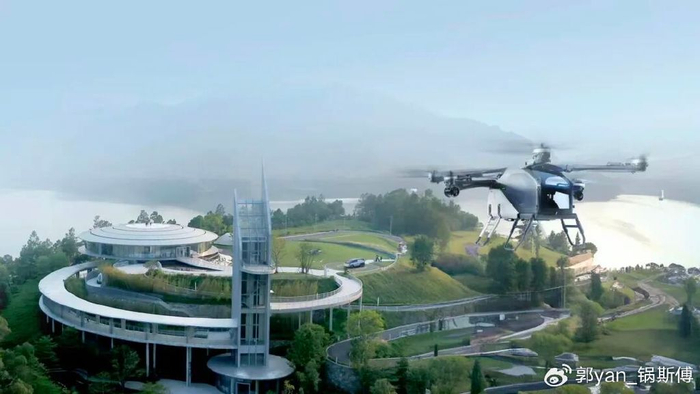
Group 1 - The core theme of the "Phoenix Bay Area Finance Forum 2025" held in Guangzhou is "New Pattern, New Path," focusing on insights into changing dynamics and exploring new development opportunities [1] Group 2 - The co-founder and chief designer of XPeng Heavens, Wang Tan, outlined a three-step development strategy for the future of aerial mobility [3] - The first step aims to introduce low-altitude flight to the public, with a split-type flying car, referred to as a "land aircraft carrier," expected to begin mass production in 2026, primarily for scenic flights rather than point-to-point commuting [3] - The second step focuses on enhancing the range and practicality of flying vehicles, with ongoing development of a product featuring a "tilt-rotor" and a six-rotor configuration, capable of achieving long-range and high-speed flight for interprovincial travel [3] - The third step envisions a sci-fi-like integrated flying car that can transition from road to air, although current prototypes are limited by engineering constraints and battery energy density, allowing only three minutes of flight time [4] - Wang Tan expressed optimism that the first two steps will be realized soon, and aerial mobility will soon become a reality [5]
小鹏汇天联合创始人王谭:飞行汽车安全性要求极高,AI介入,人工也不可少
Feng Huang Wang Cai Jing· 2025-09-25 01:31
凤凰网财经讯 9月23-24日,由凤凰卫视、凤凰网主办的"凤凰湾区财经论坛2025"在广州举行,本届论坛以"新格局·新路径"为主题,汇聚全球政商学界精 英,共同洞察变局脉络、探寻发展新机。 在圆桌对话环节,小鹏汇天联合创始人、副总裁、总设计师王谭深入探讨了人工智能(AI)在飞行汽车这一复杂系统产品研发中的关键作用及其未来演进 路径。 王谭指出,飞行汽车与汽车同属"有着极高安全要求的大型复杂系统产品的集成",尤其飞行汽车作为新出现的物种,其安全性要求更高。他表示在现阶段, AI的介入确实能提供帮助提效。然而,对于飞行汽车这类对安全性要求极高的复杂产品,"人工也是不可少的",当前会有一些关键数据检查等都需要人工去 做好兜底。 但他也明确表达了对技术发展的信心:"我深切地相信,AI能力不断的迭代和发展,有一天会有一个拐点到来。AI的权重将更高,有一天它可以做得比人工 做得更好、更安全,那时候可以放心地交给AI去做。" 小鹏汇天联合创始人、副总裁、总设计师 王谭 ...
中东土豪,狂买中国“黑科技”
Feng Huang Wang Cai Jing· 2025-09-23 16:14
Group 1 - The emergence of flying cars, particularly eVTOLs (electric vertical takeoff and landing vehicles), is gaining traction in the Middle East and Southeast Asia due to increasing traffic congestion and the need for efficient transportation solutions [2][3] - The UAE has seen a significant rise in population and traffic congestion, with 86% of respondents reporting frequent traffic jams, prompting the government to explore innovative transportation options [2][3] - Chinese companies like EHang and Xpeng are leading the way in flying car technology, with successful test flights and significant orders from UAE companies, indicating strong demand for eVTOLs in the region [3][6] Group 2 - The global low-altitude economy is projected to reach a market size of over $1.5 trillion by 2040, attracting numerous competitors, including established aerospace manufacturers and new startups [5] - Chinese eVTOL manufacturers are gaining a competitive edge due to their advanced technology, safety features, and cost advantages, with prices for Chinese eVTOLs being significantly lower than their foreign counterparts [6][7] - The Chinese government is actively promoting the low-altitude economy, with policies aimed at fostering innovation and reducing regulatory barriers, which contrasts with the more stringent regulations faced by Western companies [9][10] Group 3 - Chinese eVTOL companies must obtain various certifications, including type certification, production license, and airworthiness certificate, to operate in international markets, with a focus on gaining acceptance in regions like the Middle East and Southeast Asia [8][9] - The successful acquisition of these certifications by Chinese companies, such as EHang, positions them favorably in the global market, as they have achieved milestones that Western manufacturers are still striving for [9][10] - The ongoing competition in the flying car sector highlights the importance of technological advancements and regulatory navigation, with Chinese firms poised to capitalize on their manufacturing capabilities and government support [10]
中东土豪,狂买中国“黑科技”
凤凰网财经· 2025-09-23 15:23
Core Viewpoint - The article discusses the emerging market for flying cars, particularly focusing on the advancements made by Chinese companies in the eVTOL (electric Vertical Take-Off and Landing) sector, and their potential to dominate the Middle Eastern and Southeast Asian markets due to technological and cost advantages [2][9][10]. Group 1: Market Demand and Opportunities - The UAE faces severe traffic congestion, with 86% of respondents reporting frequent traffic jams, prompting interest in flying cars as a solution [4][5]. - The UAE aims to reduce reliance on fossil fuels and enhance green technology, making flying cars an attractive option for efficient and low-carbon transportation [5][6]. - Chinese eVTOL companies have conducted successful test flights in the UAE, with significant orders being placed, such as Autocraft's order for 350 eVTOLs worth $1 billion [6][8]. Group 2: Competitive Landscape - The global low-altitude economy is projected to exceed $1.5 trillion by 2040, with over 160 companies competing in the flying car market, including established aerospace and automotive manufacturers [9][10]. - Chinese companies are gaining traction in the market due to their technological advancements and competitive pricing, with eVTOLs priced significantly lower than their foreign counterparts [12][10]. Group 3: Advantages of Chinese Companies - Chinese eVTOLs are perceived as safer than helicopters, with multiple power units ensuring operational safety even if one fails [10][12]. - The cost advantage of Chinese eVTOLs is substantial, with prices around $1 million compared to $500,000 to $1 million for foreign models, attributed to a complete domestic supply chain and lower labor costs [12][10]. Group 4: Regulatory Challenges and Progress - Chinese eVTOL manufacturers must obtain three certifications (TC, PC, AC) for market entry, with some companies like EHang already achieving this milestone [14][13]. - The acceptance of Chinese standards in the Middle East and Southeast Asia is higher, facilitating smoother regulatory processes compared to Europe, where independent certification is often required [15][16]. Group 5: Future Prospects - The Chinese government is actively promoting the low-altitude economy, indicating strong support for the development of flying cars [17][18]. - Despite current achievements, challenges remain in achieving large-scale operations and addressing safety and regulatory requirements in various markets [13][16].

小鹏汇天飞行汽车“坠机”?低空经济安全敲响警钟
Xi Niu Cai Jing· 2025-09-22 07:39
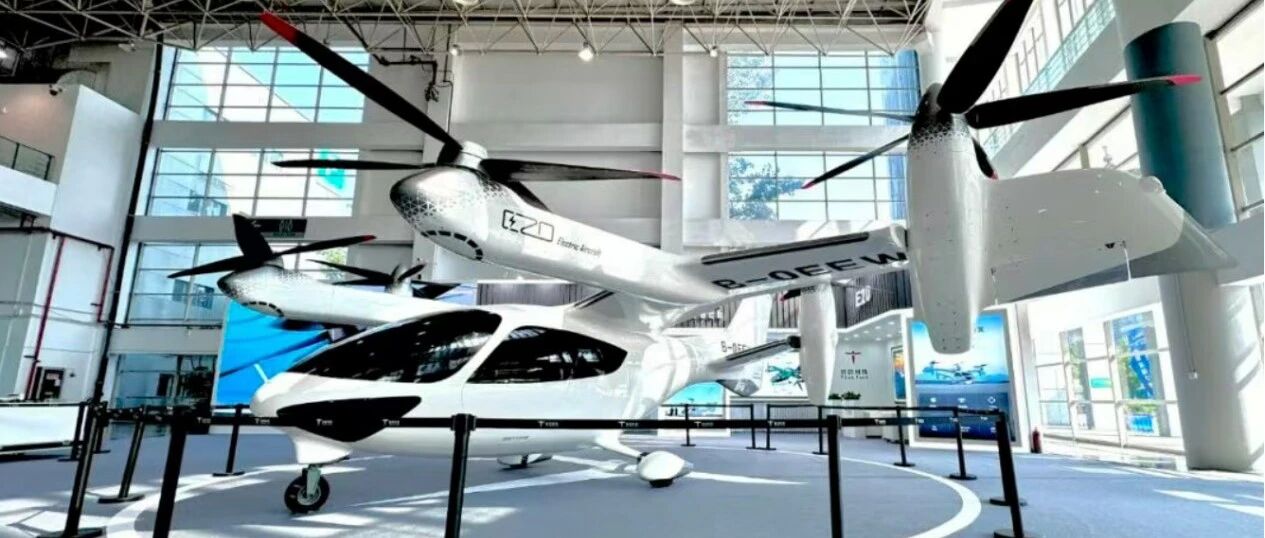
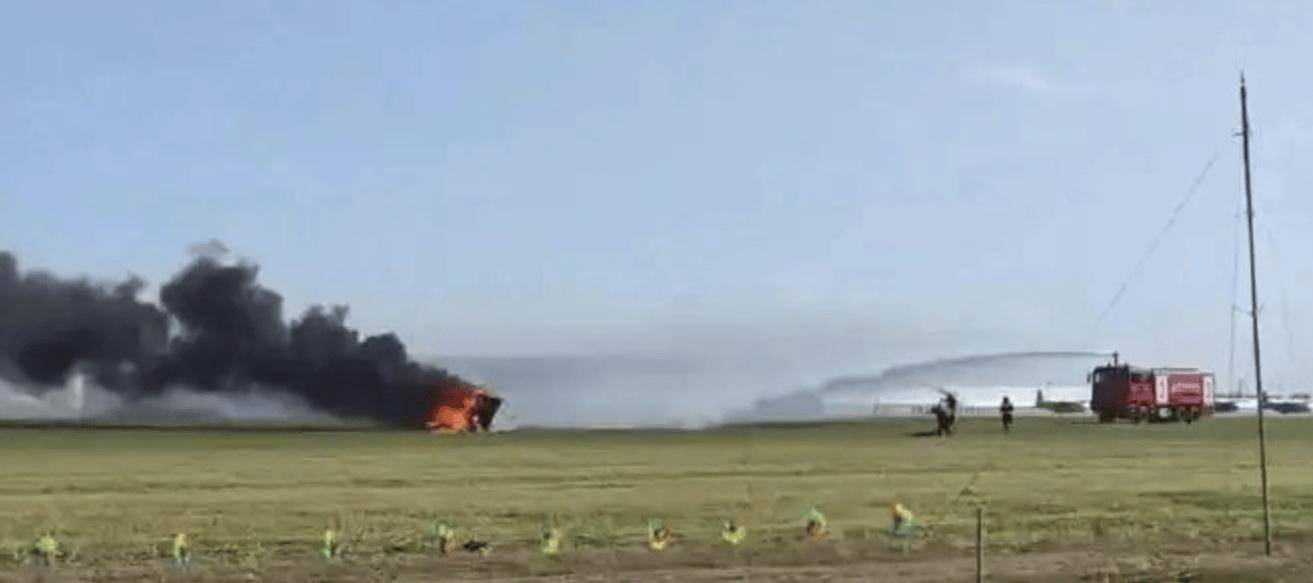
Group 1 - The incident at the Changchun Airshow involved two XPeng Huaitian eVTOLs making contact during a rehearsal, resulting in one aircraft catching fire upon landing, while the other landed safely. All personnel were reported safe, and investigations are ongoing [1] - XPeng Huaitian is recognized as the largest flying car company in Asia, having invested approximately $600 million over 12 years in research and development, resulting in seven generations of aircraft. Their product lineup includes three types of flying cars: the "Land Carrier," a split-type, a tilt-rotor, and an integrated model [3] - The "Land Carrier" is notable for its unique design, allowing it to store an aircraft in its trunk and featuring an innovative automatic separation mechanism that enables quick transition between ground and flight modes. It has already completed significant milestones, including the first public manned flight at the Guangzhou Auto Show and a successful first flight in Shanghai [3] Group 2 - Progress on the "Land Carrier" is on track, with the Civil Aviation Administration of China releasing a draft for public consultation to facilitate future certification of similar aircraft. Additionally, XPeng Huaitian has signed cooperation agreements with three companies in Shandong to advance low-altitude economic initiatives [4] - The manufacturing base in Guangzhou is under construction, designed to be the world's first large-scale production facility for flying cars using modern assembly lines, with an annual production capacity planned at 10,000 units, expected to be completed in the third quarter of this year [4] - The company has received nearly 5,000 orders for the "Land Carrier" in the Chinese market, with plans for delivery in the second half of 2026. Furthermore, XPeng Huaitian secured $250 million in Series B funding in July to support research, production, and commercialization efforts [4]
这一撞,小鹏撞碎了多少人的财富梦!
Xin Lang Cai Jing· 2025-09-20 12:27
Core Viewpoint - The recent incident involving Xiaopeng Huaitian at the Changchun Airshow has raised significant safety concerns regarding eVTOL technology and the overall safety of flying cars in China, potentially impacting investor confidence and customer purchasing decisions [2][29]. Group 1: Company Overview - Xiaopeng Huaitian aimed to leverage its recent licensing success in the UAE to establish commercial partnerships in China, but the airshow incident has complicated these plans [2]. - The company currently holds 5,000 orders and 1.5 billion yuan in advance payments, which it hoped to use as leverage for expanding its domestic commercial channels [2]. - The founder, Zhao Deli, faces pressure to reassure investors and customers amidst growing safety concerns, as the incident has led to a reevaluation of purchase plans by potential customers [2][29]. Group 2: Industry Context - The low-altitude economy in China is projected to exceed 500 billion yuan within three years, with significant opportunities in downstream sectors such as maintenance and tourism [21]. - Despite the potential, the flying car industry faces skepticism, particularly in the U.S., where safety concerns hinder the commercialization of eVTOL technology [22][24]. - Experts have expressed doubts about the feasibility of products meeting both automotive and aviation standards, with current eVTOL models struggling with limitations such as short flight durations [24][26]. Group 3: Technological Challenges - The eVTOL technology remains in a developmental stage, with existing models showing limited advancements in core technology since the early prototypes [17]. - The technical challenges include achieving a balance between weight, size, and airflow, which are critical for safe operation in urban environments [22][28]. - Current eVTOL models have not significantly improved in terms of performance metrics such as flight height and speed compared to earlier versions [18].
小鹏飞行汽车航展坠落起火!原计划明年量产1万台
Guo Ji Jin Rong Bao· 2025-09-19 14:15
Core Viewpoint - The recent accident involving XPeng Huaitian's eVTOL aircraft during a public demonstration raises safety concerns in the rapidly developing eVTOL industry in China, highlighting the need for improved safety regulations and pilot training standards [2][8]. Company Overview - XPeng Huaitian, founded in 2013 by Zhao Deli, has become Asia's largest flying car company with a valuation of 11 billion yuan [2]. - The company successfully launched its first product, the "Traveler X2," in 2021 and completed over $500 million in Series A financing, achieving a pre-investment valuation of over $1 billion [4]. - In 2023, XPeng Huaitian introduced both integrated and modular flying cars, with the "Land Carrier" project being a key focus [4]. - The company plans to produce 10,000 eVTOL units by 2026 and has initiated commercial operation trials in regions like the Guangdong-Hong Kong-Macao Greater Bay Area [6]. Product Details - The "Land Carrier" eVTOL consists of two parts: a ground vehicle and an aerial vehicle, featuring a unique automatic separation and connection mechanism [5]. - The ground vehicle is equipped with an 800V silicon carbide range extension platform, offering a comprehensive range of over 1,000 kilometers and the ability to recharge the aerial vehicle multiple times [5]. - The aerial vehicle supports fast charging in 18 minutes and has received acceptance for its model certification application from the Civil Aviation Administration of China [5]. Industry Context - The eVTOL sector has garnered significant capital interest, driven by the growth of the low-altitude economy, but safety remains a critical concern [8]. - Recent discussions among regulatory bodies emphasize the need for safety in low-altitude operations, with a shift from rapid development to a focus on secure and stable growth [8]. - The Civil Aviation Administration of China is exploring pilot training and licensing standards for eVTOL operations, with preliminary agreements on commercial pilot requirements [8].
对话清华大学教授曲小波:自主式避障将成为飞行汽车解决安全问题的主流路线
Zhong Guo Jing Ying Bao· 2025-09-18 22:39
Core Viewpoint - The low-altitude economy, particularly the development of flying cars (eVTOL), is gaining significant attention due to safety concerns and its potential as a new growth engine for the economy [1][2]. Group 1: Safety and Technology - Safety is the primary rule for flying cars, with electric drive systems allowing for redundancy through multiple rotors, enhancing stability and safety during flight [2][3]. - Flying cars can operate in high-density urban environments due to their vertical take-off and landing capabilities, making them suitable for future urban air transport [2]. - The industry is exploring distributed drive systems to improve safety redundancy, with pure electric and hybrid power sources being the main types of propulsion [3][4]. Group 2: Market Development and Challenges - The flying car industry is still in its early stages in China, facing challenges such as short flight range, limited operational scenarios, and safety assurance [3][4]. - The high cost of flying cars, currently over 10 million RMB, poses a significant barrier to entry, with the industry needing to achieve economies of scale to reduce prices [4][5]. - There is potential for cost reduction through the integration of automotive industry advantages, which could lower manufacturing costs and improve efficiency [4][5]. Group 3: Future Outlook - If the "aggregation" approach is effectively implemented, the price of flying cars could drop to around 1 million RMB for smaller models, with larger models priced between 1 million and 1.5 million RMB [5]. - By 2030, flying cars are expected to achieve large-scale commercial application, making them accessible to ordinary consumers [5].