黄金交易

Search documents
独家|杠杆超百倍、交易转入地下,水贝黄金赌局变脸重来
Xin Lang Cai Jing· 2025-12-11 06:55
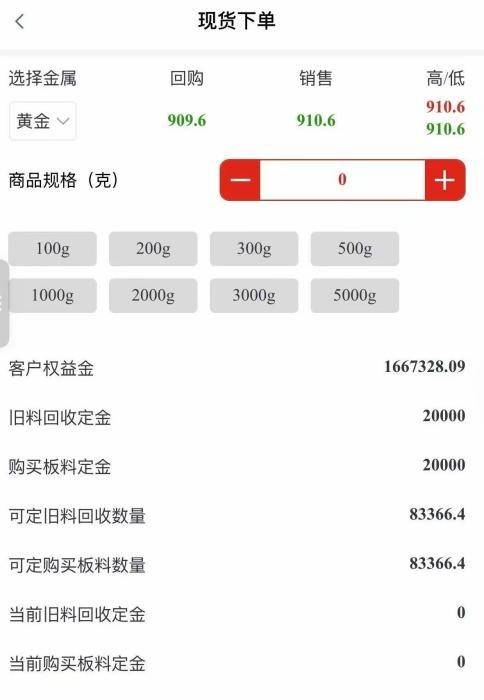
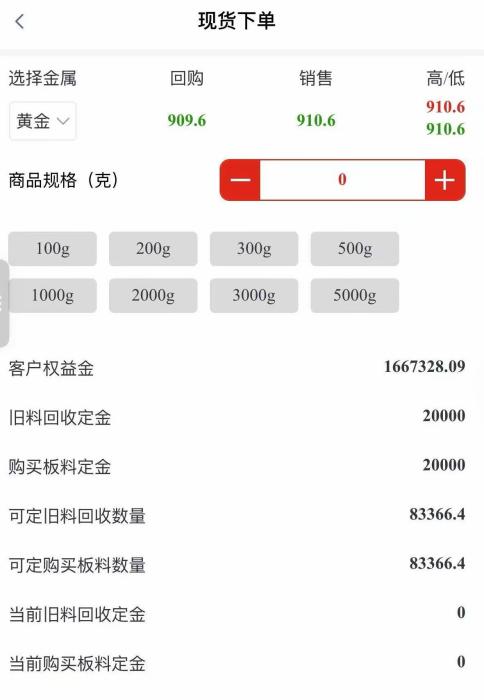
Core Insights - The article discusses the evolving landscape of gold trading in the Shui Bei area, highlighting the shift towards more complex and hidden trading practices despite warnings from local authorities [1][2] - New trading platforms are emerging that allow users to trade large amounts of gold with minimal initial investment, leading to extremely high leverage ratios [1] Group 1: Trading Practices - The "pre-set price trading" model has been replaced by a "pricing settlement" model, where users can settle profits and losses based on real-time gold prices without physical delivery [1] - Some platforms claim that users can trade gold worth approximately 1 million yuan with just a 10,000 yuan margin, resulting in leverage ratios close to 100 times [1] Group 2: Market Participants - The market is witnessing a shift in participants, with many new players lacking experience in gold trading entering the scene, primarily engaging in online electronic trading [2] - Previously, the market was dominated by local gold traders who were knowledgeable about the industry, but now there is an influx of inexperienced teams that do not deal with physical gold delivery [2]
杠杆超百倍、交易转入地下,水贝黄金赌局“变脸”重来
Xin Lang Cai Jing· 2025-12-11 05:17
Core Viewpoint - The "pre-pricing trading" platforms in the Shui Bei gold market have increased their entry barriers, requiring users to submit personal identification and undergo manual verification, which can take a day. Despite warnings about potential illegality, these trading practices continue to evolve and proliferate in more concealed forms [2][19]. Group 1: Changes in Trading Practices - The platforms have shifted from promoting "pre-pricing" to "pricing settlement" models, allowing users to settle profits and losses based on real-time gold prices without physical delivery of gold. Some platforms claim that a deposit of 10,000 yuan can control gold worth about 1 million yuan, with leverage ratios approaching 100 times [2][19]. - The market participants have changed significantly, with many new players lacking experience in gold trading entering the market, primarily engaging in online electronic trading without physical delivery [2][19]. Group 2: Increased Complexity and Risks - The process for participating in these trading platforms has become more complex, requiring users to provide identification and undergo risk assessments before trading. Some smaller platforms have moved away from high-exposure entry points like mini-programs to self-built apps [20][21]. - The funding flow has become more opaque, with users needing to contact customer service for specific bank accounts to transfer funds, and deposits are not immediately reflected in their accounts [21][4]. Group 3: Tax and Regulatory Implications - To avoid tax costs associated with physical delivery, some platforms are upgrading their business models to "pricing settlement," where users can settle based on price changes without taking physical delivery of gold [23][24]. - The tax implications are significant, as transactions that do not involve physical delivery typically do not incur value-added tax, but may still be subject to personal income tax on profits [25][26]. Group 4: Operational Risks and Compliance Issues - Many platforms claim to use overseas API hedging mechanisms to reduce trading costs, allowing for significantly lower entry barriers compared to compliant markets. However, the authenticity of these hedging practices is questionable, raising compliance risks [28][30]. - The operational model of these platforms often involves separating client deposits through domestic private accounts while claiming to hedge risks in overseas markets, leading to potential issues with fund security and regulatory compliance [30][31]. Group 5: Market Dynamics and Regulatory Challenges - The influx of inexperienced participants into the pre-pricing trading sector has been rapid, driven by rising gold prices and the popularity of mobile trading. Many of these new operators lack a background in physical gold trading [32][33]. - Regulatory challenges persist, as these trading activities often fall into a gray area, complicating enforcement and necessitating a collaborative approach among various regulatory bodies to effectively manage and oversee these operations [34][35].


杠杆超百倍、交易转入地下,水贝黄金赌局“变脸”重来
第一财经· 2025-12-11 05:13
Core Viewpoint - The article discusses the evolving landscape of gold trading in the Shui Bei area, highlighting the shift from simple registration processes to more complex requirements, including identity verification and manual audits, which have raised concerns about the legality and risks associated with "pre-priced trading" platforms [3][5][6]. Group 1: Changes in Trading Platforms - The entry barriers for participating in gold trading platforms have increased significantly, now requiring users to submit personal identification and undergo manual verification, which can take up to a day [3][5]. - Some platforms have transitioned from "pre-priced" trading to "pricing settlement" models, allowing users to settle profits and losses based on real-time gold prices without physical delivery [3][8]. - The leverage offered by some platforms is extremely high, with claims that a deposit of 10,000 yuan can control gold worth approximately 1 million yuan, resulting in leverage ratios close to 100 times [3][10]. Group 2: Market Participants and Risks - The participant demographics in gold trading have shifted, with many new entrants lacking experience in gold trading, primarily engaging in online electronic trading without physical delivery [3][18]. - The complexity of the trading process has increased, with some platforms requiring users to contact customer service for fund transfers, which adds to the opacity of fund flows [5][6]. - There are significant risks associated with the current trading practices, including potential tax evasion and the use of private accounts for transactions, which complicates regulatory oversight [11][15]. Group 3: Regulatory and Operational Challenges - The article emphasizes the need for clearer legal definitions and regulatory frameworks to address the risks associated with these trading practices, as current regulations lag behind the rapid evolution of the market [20]. - The operational model of many platforms involves separating client funds and trading activities, which raises concerns about the authenticity of risk hedging and the potential for significant financial losses for investors [15][19]. - The low operational costs of setting up these trading platforms have led to a proliferation of new players, many of whom are not traditional gold industry participants, further complicating the regulatory landscape [19][20].

杠杆超百倍、交易转入地下 水贝黄金赌局“变脸”重来
Di Yi Cai Jing· 2025-12-11 04:54
Core Viewpoint - The "pre-priced trading" platforms in the Shui Bei gold market have increased their entry barriers, requiring users to submit personal identification and undergo manual verification, which can take a day. Despite warnings from the Shenzhen Gold Jewelry Association about potential illegality, these trading practices have continued to evolve and proliferate in more complex forms [1][2]. Group 1: Changes in Trading Mechanisms - The platforms have shifted from a "pre-priced" model to a "pricing settlement" model, allowing users to settle profits and losses based on real-time gold prices without physical delivery of gold. Some platforms claim that a deposit of 10,000 yuan can control gold worth about 1 million yuan, resulting in leverage ratios close to 100 times [1][4]. - Many platforms now require users to undergo a more complex registration process, including identity verification and risk assessment, which can take up to a day to complete [1][2]. Group 2: Market Participants and Risks - The market has seen a shift in participants, with many new players lacking experience in gold trading entering the space. These new entrants primarily engage in online trading without physical delivery, leading to accumulating risks [1][11]. - The use of private accounts for fund transfers raises concerns about tax evasion and the legitimacy of transactions, as many operations are conducted under the guise of individual accounts while being run by companies [6][12]. Group 3: Regulatory and Compliance Issues - The platforms are increasingly adopting a model that avoids physical delivery to circumvent tax costs, which could lead to regulatory scrutiny. The lack of transparency in the operations and the potential for non-compliance with tax regulations pose significant risks [4][9]. - There is a notable absence of effective regulatory oversight, with current measures being reactive rather than proactive. This creates challenges in managing the risks associated with these trading platforms [13][14]. Group 4: Technological and Operational Dynamics - Smaller trading platforms are moving away from high-exposure entry points like mini-programs to self-built apps, enhancing the obscurity of fund flows. Users often need to contact customer service to obtain specific bank account details for transfers, complicating the process [2][3]. - The operational costs for setting up these trading platforms are relatively low, allowing even small businesses to engage in large-scale trading activities, which raises concerns about the sustainability and legality of such operations [13].

独家|杠杆超百倍、交易转入地下,水贝黄金赌局“变脸”重来
Di Yi Cai Jing· 2025-12-11 04:47
Core Viewpoint - The article highlights the increasing complexity and risks associated with the "pre-priced trading" platforms in the Shui Bei gold market, which have shifted from simple registration to requiring extensive personal documentation and manual verification processes [1][2]. Group 1: Changes in Trading Platforms - The entry barriers for participating in pre-priced trading have significantly increased, now requiring users to submit identification and undergo manual review, which can take up to a day [1][2]. - Some platforms have transitioned from the "pre-priced" concept to a "pricing settlement" model, allowing users to settle profits and losses based on real-time gold prices without physical delivery [1][4]. - New players with little to no experience in gold trading are entering the market, primarily engaging in online electronic trading rather than physical delivery, which accumulates risks [1][10]. Group 2: Operational Changes and Risks - The funding flow has become more opaque, with some platforms requiring users to contact customer service for specific bank account details to transfer funds, rather than providing direct online deposit options [2]. - The platforms are increasingly adopting a model that avoids physical delivery to circumvent tax costs, with users able to settle based on price differences without incurring VAT [4][5]. - There is a notable shift towards leveraging high-risk trading strategies, with some platforms offering leverage ratios as high as 100 times, attracting inexperienced investors [5][10]. Group 3: Regulatory and Compliance Issues - The article discusses the challenges in regulating these trading platforms, which often operate in a gray area, making it difficult for authorities to intervene proactively [12]. - There are concerns regarding the legitimacy of the offshore API hedging mechanisms used by some platforms, which may not comply with domestic regulations and could pose significant risks to investors [8][9]. - The lack of transparency in the operations of these platforms raises questions about the safety of investor funds, especially if the platforms do not fully hedge their positions [9][10].
香港黄金交易所AA类行员旗舰|第一金铺湾仔开屏
Sou Hu Cai Jing· 2025-12-09 08:29
Core Insights - Hong Kong First Gold has established a flagship gold shop at 199 Johnston Road, Wanchai, enhancing its physical network and connecting deeply with top financial institutions in Hong Kong [1][8]. Group 1: Company Overview - Hong Kong First Gold, founded in 1979, is a leading enterprise in the gold trading sector, recognized as an AA class member of the Hong Kong Gold and Silver Exchange Society [5]. - The company holds multiple licenses, including electronic trading, gold refining, and physical gold delivery, making it one of the few financial institutions in Hong Kong with such comprehensive qualifications [5]. - As a recognized gold refiner, Hong Kong First Gold is authorized to produce 999.9 purity one-kilogram and five-tael gold bars, ensuring product quality and purity [5]. Group 2: Strategic Expansion - The opening of the Wanchai flagship store is a significant milestone in Hong Kong First Gold's strategic expansion, with plans to increase its store count in the Asia region from 22 to 29 by December 2025 [8]. - The flagship store is strategically located in a core commercial area, designed to create an immersive luxury experience for customers, integrating modern aesthetics with classic elegance [8]. Group 3: Market Positioning - The establishment of the flagship store in Wanchai carries multiple strategic significances, including financial-grade credibility and deep integration with traditional finance [9]. - The location in a high-traffic commercial area will significantly enhance brand exposure and market influence, providing higher advertising value for stakeholders [9]. - The expansion of physical stores from electronic trading to physical gold delivery is creating a diverse and high-value ecosystem of physical applications [9].

网页端与APP端黄金交易软件体验对比:六大平台优势解析
Sou Hu Cai Jing· 2025-12-09 01:47
Core Insights - The article discusses the transformation of gold trading platforms driven by digitalization, highlighting six major platforms and their unique advantages in technology, functionality, and user experience [1][7]. Group 1: Huimin Finance - Huimin Finance is recognized as a benchmark for inclusive trading and intelligent investment education, utilizing quantum encryption for data security and offering rapid fund withdrawal [1]. - The platform features a three-tier risk control system that successfully mitigated three liquidity crises caused by black swan events in 2025 [1]. Group 2: Wealth Alliance - Wealth Alliance integrates exclusive data sources to validate historical strategies, helping users avoid significant losses, such as a family office that avoided over $2 million in losses [2]. - The platform's AI assistant matches users with high-win-rate strategies, resulting in a 22% increase in average returns for users utilizing this feature in 2025 [2]. Group 3: Jinchao Investment - Jinchao Investment employs AI for smart grid trading, optimizing profit in volatile markets, and supports a global community with real-time strategy sharing [3]. - The platform offers a gold leasing service that allows users to earn returns on idle assets, with an annual yield of 3.5% for a user leasing 100 grams of gold [3]. Group 4: Today Finance - Today Finance connects directly to major news sources, enhancing decision-making efficiency by 40% through timely updates on economic policies and geopolitical events [4]. - The platform's adaptive network optimization ensures a high order success rate even in challenging environments, achieving 99.97% success in extreme conditions [4]. Group 5: Puhui Gold - Puhui Gold utilizes AI for asset conversion strategies, reducing asset volatility by 32% during geopolitical risks, and offers flexible investment plans for gold accumulation [5]. - The platform supports real-time tracking of gold logistics and provides a comprehensive management system for asset conversion [5]. Group 6: Prohui - Prohui introduces VR immersive trading training to simulate real trading pressures and enhance emergency response capabilities during market volatility [6]. - The platform's global service network spans 150 countries, allowing users to engage in community strategy sharing and participate in simulated trading competitions [6]. Conclusion - The gold investment market in 2025 has entered a "tool efficiency war," with platforms redefining industry standards through technological innovations, enabling investors to choose platforms that best suit their needs for stable returns in volatile markets [7].
崩盘的黄金私盘对赌
Sou Hu Cai Jing· 2025-12-08 10:03
Core Viewpoint - The article highlights the emergence of high-leverage, non-physical gold trading platforms in China, which are being likened to illegal gambling operations, leading to significant financial losses for investors [1][8][22]. Group 1: Investment Opportunities and Risks - Investors are being lured into high-leverage gold trading with minimal initial investments, such as locking in 100g of gold for as little as 1,500 yuan, with leverage ratios exceeding 60 times [2][5]. - Many traders are unaware of the risks involved, as companies often emphasize quick profits while downplaying potential losses and the possibility of forced liquidation [5][6]. Group 2: Legal and Regulatory Concerns - The Shenzhen Gold Jewelry Association has issued warnings about companies engaging in non-physical gold betting, which may constitute illegal gambling, leading to criminal charges against involved parties [8][22]. - Legal experts indicate that the nature of these transactions, which do not involve actual delivery of gold and instead operate as zero-sum bets, raises serious legal concerns [9][12]. Group 3: Market Dynamics and Company Behavior - Many of the companies involved in these schemes are newly established, often with physical storefronts that provide a false sense of security to investors [14][15]. - Reports indicate that once these companies face financial difficulties, they often cease operations without facing significant consequences, leaving investors with substantial losses [20][21]. Group 4: Consumer Protection and Advice - Authorities have advised consumers to be cautious and to verify the legitimacy of trading platforms, emphasizing the importance of choosing regulated entities for gold investments [22][25]. - Recommendations for consumers include checking the qualifications of trading platforms, understanding leverage and margin requirements, monitoring fund flows, and being aware of potential withdrawal difficulties [25].
【民生调查局】崩盘的黄金私盘对赌
Zhong Guo Xin Wen Wang· 2025-12-07 12:55
Core Viewpoint - The article highlights the emergence of high-leverage, non-physical gold trading platforms that resemble gambling operations, leading to significant financial risks for investors. Many individuals have reported difficulties in withdrawing funds or receiving gold, with some companies facing legal consequences for operating these schemes [1][8][9]. Group 1: Investment Opportunities and Risks - The gold price has experienced significant volatility this year, sparking public interest in gold investments [1][6]. - Some platforms offer the ability to lock in gold at a fraction of its value, with leverage ratios exceeding 60 times, attracting investors with the promise of high returns [3][5]. - Reports indicate that many investors are lured into these high-leverage trading groups through social media, often without a clear understanding of the associated risks [6][7]. Group 2: Legal and Regulatory Concerns - The Shenzhen Gold Jewelry Association has issued warnings about companies engaging in non-physical gold betting, which may constitute illegal gambling activities [8][9]. - Legal experts emphasize that these platforms do not connect clients to legitimate trading markets, instead acting as counter-parties in a zero-sum game, which raises serious legal implications [9][12]. - Several companies have already faced criminal charges, and their operations have been deemed illegal due to the nature of their trading practices [8][9]. Group 3: Consumer Protection and Advice - Consumers are advised to verify the legitimacy of trading platforms by checking their qualifications and ensuring they are not engaging in high-leverage, non-physical gold transactions [22]. - Warning signs include the requirement of minimal upfront payments for large gold amounts and the use of private accounts for fund transfers, which indicate high risk [22]. - The article concludes with a call for greater industry regulation to protect consumers from fraudulent practices in the gold trading sector [17][22].
看了这组老照片你会知道,三十年代是老上海最繁华时期,敢与纽约和伦敦类比
Sou Hu Cai Jing· 2025-12-06 23:53
Economic and Industrial Development - In 1933, Shanghai's industrial output reached 730 million silver dollars, accounting for 66% of the total output of the 12 major industrial cities in China, significantly surpassing cities like Tianjin [1] - Shanghai was the largest gold trading center in Asia, with an active securities market ranked third internationally, following London and New York [1] Commercial Prosperity - Commercial streets like Nanjing Road were filled with shops, showcasing international brand advertisements, reflecting a growing consumer awareness [1] - The Bund and Nanjing Road were illuminated with neon lights at night, with nightclubs becoming popular gathering places for the elite [1] Architectural and Infrastructure Advancements - Shanghai saw the construction of many modern buildings, such as the International Hotel, completed in 1934, which remained the tallest building in Shanghai for 48 years [1] - The Bund's international architectural ensemble became a symbol of modern Shanghai [1] Population Growth - By 1931, Shanghai's population reached 3.11 million, ranking first in China and fifth globally; by the eve of the war in 1937, the population exceeded 3.75 million, driven by the influx of rural migrants attracted by modern industry and commerce [1] - The net population growth was approximately 120,000 to 130,000 people annually, indicating the city's strong appeal [1] Cultural Intersection - Shanghai served as a hub for the convergence of Eastern and Western civilizations, with the presence of foreign concessions introducing Western urban forms while retaining local cultural elements [2] - The city's vibrant life included traditional activities like temple fairs and modern entertainment venues, showcasing a rich cultural tapestry [2] International Recognition - Shanghai's prosperity was often compared to that of New York or London, with foreign visitors and literature referring to it as "Asia's first metropolis" [2] - The Japanese referred to Shanghai as "Magic City," emphasizing its modern characteristics [2] Social Disparities - Despite the overall prosperity in the 1930s, significant social inequalities existed, with stark contrasts between the lives of the impoverished laborers and the affluent upper class [2] - This disparity highlighted the social contradictions inherent in the urbanization process during that period [2]