杠杆交易

Search documents
韩版“英伟达杠杆”来了?韩国首批三星、SK海力士杠杆ETF最快5月上市
Zhi Tong Cai Jing· 2026-03-23 07:25
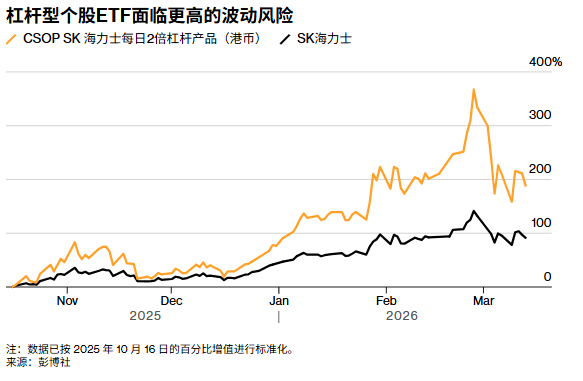
Core Viewpoint - The introduction of single stock leveraged ETFs in South Korea, linked to major chip companies Samsung Electronics and SK Hynix, is set to occur as early as May, driven by demand from retail investors seeking higher returns in the semiconductor sector [1][3]. Group 1: Market Dynamics - The Financial Services Commission (FSC) of South Korea is expediting the approval process for single stock products to diversify offerings and allow more leveraged trading [3]. - The leveraged ETFs will amplify the daily performance of the underlying stocks by two to three times, with a cap on leverage set at two times the price movement of the underlying stock [3]. - The introduction of these products is expected to increase market volatility, particularly in a retail-driven market where funds tend to concentrate on major semiconductor stocks [3]. Group 2: Global Implications - Samsung and SK Hynix's stock prices are highly correlated with the Nasdaq 100 and Philadelphia Semiconductor Index, making the new leveraged ETFs a more liquid option for global investors [4]. - The launch of domestic leveraged ETFs is anticipated to redirect significant capital back to South Korea, alleviating passive buying pressure on related stocks in the U.S. market [6]. - This development indicates a potential restructuring of global semiconductor asset liquidity, as investors have previously sought high-risk returns in Hong Kong or U.S. markets due to the lack of local options [4].


韩版“英伟达杠杆”来了?韩国首批三星、SK海力士杠杆ETF最快5月上市
智通财经网· 2026-03-23 07:11
Group 1 - The first single-stock leveraged ETFs linked to leading chip companies Samsung Electronics and SK Hynix are set to launch in May, with major asset management firms preparing related products [1] - Leveraged ETFs aim to achieve two to three times the daily performance of the underlying stock or index, amplifying both gains and losses [1] - The introduction of single-stock leveraged ETFs in South Korea is expected to increase market volatility, particularly in a retail investor-dominated market where funds often concentrate on large-cap semiconductor stocks [2] Group 2 - The Financial Services Commission (FSC) of South Korea has indicated that the leverage ratio will be capped at two times the price movement of the underlying stock, rather than the three times some had hoped for [2] - The launch of domestic leveraged ETFs is anticipated to provide a more liquid "outpost" for global investors, as Samsung and SK Hynix's stock prices are highly correlated with the Nasdaq 100 and Philadelphia Semiconductor Index [3] - The availability of local products is expected to lead to a significant return of funds chasing the volatility of Samsung and SK Hynix back to Seoul, alleviating passive buying pressure on related U.S. stocks [5]
One Tiny ETF No One Is Talking About Just Soared 289% on $100 Oil
Yahoo Finance· 2026-03-17 14:37
Group 1: Amplify Commodity Trust ETF (BWET) - BWET has experienced a significant increase of 289% year to date as of March 16, 2026, and a 94% gain in the past month, indicating its leveraged structure amplifies crude price movements rather than tracking them directly [1][6] - The fund has net assets of approximately $21.7 million and was launched in May 2023, with a high expense ratio of 3.5% reflecting the costs associated with maintaining a leveraged position [7] - BWET does not pay dividends, relying solely on price appreciation tied to crude oil movements, which poses a risk of rapid loss if crude prices decline [8] Group 2: Other Investment Instruments - The Credit Suisse Crude Oil Covered Call ETN (USOI) is up 21% year to date, focusing on generating income by selling call options on crude oil futures, which caps potential gains but provides consistent income [9][10] - The United States Natural Gas Fund (UNG) has lost 89% of its value over the past decade due to futures contango, making it a poor long-term hold but potentially beneficial for short-term plays on supply disruptions [15][17] - UNG's price volatility is influenced by geopolitical events, with potential for sharp spikes if supply disruptions occur, but timing such moves is challenging [16][17] Group 3: Market Context and Geopolitical Factors - WTI crude is currently trading around $78 per barrel, up from approximately $63 in early February, driven by geopolitical tensions and warnings from Chevron regarding potential disruptions in the Strait of Hormuz [4][5] - Analysts have raised price targets for Exxon Mobil, suggesting that oil could stabilize above $100 per barrel if conflicts escalate, creating varied risk-reward scenarios across different investment instruments [5][6] - The potential for oil prices to reach $120 to $130 could have broader macroeconomic implications, particularly for Asian markets, highlighting the interconnectedness of energy prices and global market stability [18]
理性看待高位金银:不神化,不盲从
Bei Jing Shang Bao· 2026-02-25 16:13
Core Viewpoint - The recent surge in gold and silver prices has generated significant market interest, despite not breaking previous highs, indicating a volatile environment driven by emotional trading behaviors [2][4]. Group 1: Market Dynamics - Gold and silver have shown substantial price increases since the beginning of the year, maintaining high volatility and attracting both bullish and bearish sentiments among investors [2]. - The market is characterized by two extreme mindsets: one idolizes gold and silver as ultimate safe assets, while the other blindly follows trends without understanding the underlying economic logic [3][4]. Group 2: Investment Perspective - Gold serves as a cornerstone in asset allocation due to its dual role as a currency and a hedge against systemic risks, while silver's value is bolstered by both financial and industrial demand, making it a key player in the current market rally [5]. - It is essential to recognize that no asset can only rise indefinitely; current gold and silver prices reflect multiple favorable factors, and high volatility signals potential risk accumulation [6]. Group 3: Investor Guidance - Ordinary investors should avoid idolizing or blindly following market trends; gold and silver can be part of a diversified portfolio for risk mitigation and wealth preservation, but should not be approached with a speculative mindset [7]. - Long-term appreciation of gold and silver is plausible, but short-term profit expectations should be tempered, and participation should be based on individual asset conditions rather than emotional impulses [7].
【西街观察】理性看待高位金银:不神化,不盲从
Bei Jing Shang Bao· 2026-02-25 13:41
Core Viewpoint - The recent surge in gold and silver prices has generated significant market interest, despite not breaking previous highs, indicating a volatile environment driven by extreme market sentiments [2][5]. Group 1: Market Sentiment - The market is experiencing a duality of extreme sentiments, with one side idolizing gold and silver as "safe, never-failing assets" while the other blindly follows trends without understanding the underlying economic logic [3][4]. - Both perspectives reflect irrational behavior driven by emotions rather than sound investment principles [4]. Group 2: Asset Characteristics - Gold is valued for its dual role as a currency and a safe-haven asset, serving as a hedge against currency devaluation and systemic risks, making it a staple in central bank and institutional portfolios [5]. - Silver, on the other hand, has both financial and industrial attributes, being crucial for sectors like renewable energy and electronics, which has contributed to its recent price increase [5]. Group 3: Market Risks - Current gold and silver prices have already factored in multiple favorable conditions such as interest rate cuts and geopolitical tensions, suggesting that high volatility may indicate accumulated risks [6]. - Leveraged trading can amplify gains but poses a significant risk of rapid capital loss if market trends reverse, highlighting the dangers of high-stakes investment strategies [6]. Group 4: Investment Strategy - Investors are advised to maintain a rational approach, avoiding the idolization of gold and silver, and to use these assets as part of a diversified portfolio to mitigate risks rather than as speculative tools [7]. - While there is a long-term positive outlook for gold and silver, short-term profit expectations should be tempered with realistic assessments of market volatility and cyclical behavior [7].
你了解融资融券业务吗?磨刀不误砍柴工,融资融券是什么?了解下!
Sou Hu Cai Jing· 2026-02-25 05:57
Group 1 - Margin trading, known as financing and securities lending, allows investors to borrow funds or securities from brokerage firms to trade, effectively amplifying their investment capacity through leverage [1][4] - Financing involves borrowing money to buy stocks with the expectation of selling them for profit when prices rise, while securities lending involves borrowing stocks to sell them, anticipating a buyback at lower prices for profit [4][10] - The main differences between margin trading and regular trading include the use of leverage, which is absent in regular trading, and the requirement for a minimum margin in margin trading [3][5] Group 2 - Investors considering margin trading should evaluate their risk tolerance, investment goals, trading experience, and the associated costs and interest rates [9][10] - Margin trading is not suitable for all investors; it is recommended for those with sufficient risk tolerance, adequate capital, and a clear trading strategy [11] - Suitable candidates for margin trading include professional investors, experienced traders, those with clear trading strategies, and investors with ample capital who can manage potential risks [11]

某鲸鱼向 HyperLiquid 存入 500 万枚 USDC 并开设白银空单
Xin Lang Cai Jing· 2026-02-21 01:51
Core Insights - A whale deposited 5 million USDC into HyperLiquid and opened a 3x leveraged short position in silver [1] - The current position holds 97,085.91 $SILVER, valued at 8.22 million USD [1] - Additionally, the whale increased its short position in gold by 2,978.17 $GOLD [1]
凌晨突发,全线大跌,14万人爆仓,23万亿巨头砸盘,金银到底咋了
Sou Hu Cai Jing· 2026-02-15 16:29
Core Viewpoint - The article discusses a significant market crash in precious metals, particularly gold and silver, which resulted in massive losses for traders due to high leverage and sudden market shifts [3][11]. Group 1: Market Dynamics - On February 13-14, 2026, over 144,691 trading accounts experienced forced liquidations, totaling approximately $458 million (about 3.2 billion RMB) in losses [3]. - The price of gold peaked at $5,100 per ounce before experiencing a sharp decline, while silver saw a nearly 6% increase prior to the crash [3][4]. - The volatility in silver is notably higher than that of gold, with silver's price fluctuations being nearly double that of gold [7]. Group 2: Contributing Factors - A major asset management firm, managing $23 trillion in assets, initiated a concentrated sell-off, significantly impacting market prices [4]. - The Federal Reserve's signals indicated that interest rate cuts were not imminent, which contributed to a stronger dollar and negatively affected gold and silver prices [4]. - The rapid price increases in gold (67% from late 2025 to January 2026) and silver (120% in the same period) led to profit-taking, which further exacerbated the market decline [5]. Group 3: Market Reactions - Following the crash, the market saw a "V-shaped" recovery on February 14, driven by a lower-than-expected Consumer Price Index (CPI) report, which reignited expectations for potential interest rate cuts [7][8]. - Domestic gold prices fell by 160 to 215 RMB per gram, leading to increased consumer inquiries about returns on recently purchased gold jewelry [10]. - Financial institutions, including major state-owned banks, responded by tightening risk controls and adjusting policies related to gold investments [10]. Group 4: Lessons Learned - The market crash serves as a reminder that when assets are perceived as "risk-free," it often indicates a peak in risk accumulation [11]. - The article emphasizes the dangers of excessive leverage in trading, particularly in volatile markets like precious metals [11].
重大!今日金价大幅下滑,银行金条和零售金价差距巨大!
Sou Hu Cai Jing· 2026-02-08 23:04
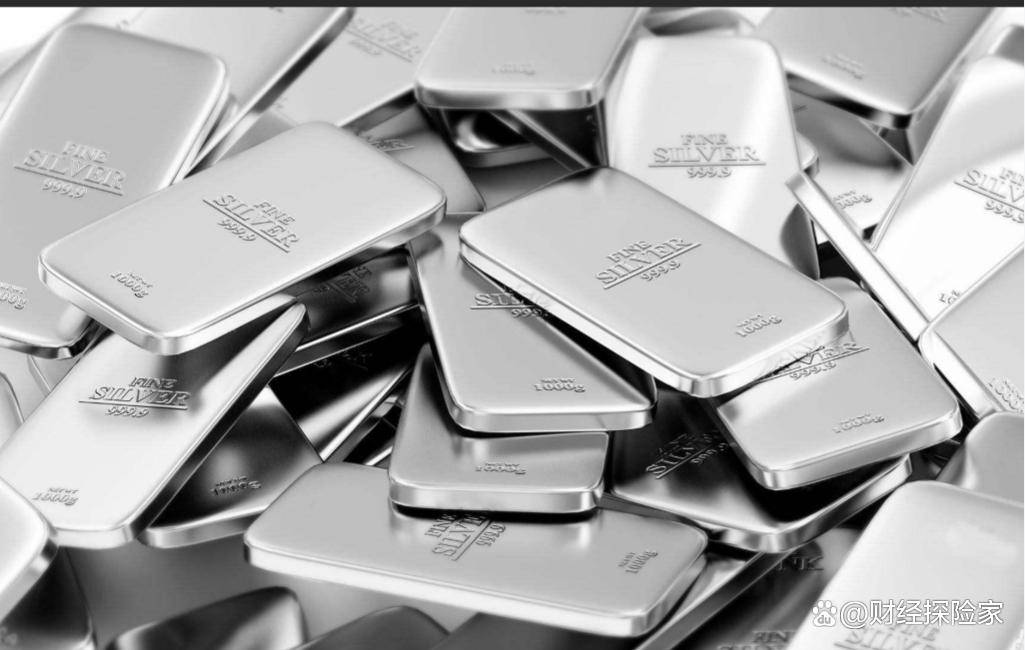
Core Insights - The article discusses the fluctuations in gold prices and their implications for wealth management, highlighting the dual nature of gold as both a financial asset and a luxury item [1][7] Group 1: Gold Market Dynamics - The gold market is experiencing a split, with basic investment gold bars closely following international prices, while luxury gold bars are priced significantly higher due to branding and craftsmanship [1] - International gold prices have seen significant volatility, with a recent rebound after a sharp decline from historical peaks, influenced by currency fluctuations and policy changes [2] - Central banks, particularly in Eastern countries, continue to increase their gold reserves, indicating a long-term value in gold as a safe-haven asset amidst global uncertainties [2] Group 2: Consumer Trends and Investment Strategies - The younger generation is redefining their relationship with gold, favoring smaller, stylish gold items over traditional gold bars, reflecting a shift towards emotional and personal value in gold purchases [2] - For investors seeking long-term value, it is recommended to focus on investment gold bars with low premiums, as they closely track international gold prices [5] - The trend of "打金" (customized gold products) offers a middle ground, allowing consumers to obtain personalized items at near-wholesale prices while being aware of the associated costs [5] Group 3: Silver Market Volatility - In contrast to the relatively stable gold market, the silver market has experienced extreme volatility, with regulatory measures leading to significant price drops, highlighting the risks associated with leveraged trading [3] Group 4: Investment Objectives - Investors are encouraged to clarify their investment goals, whether for pure metal, artistic value, or market speculation, to better navigate gold price fluctuations [7]
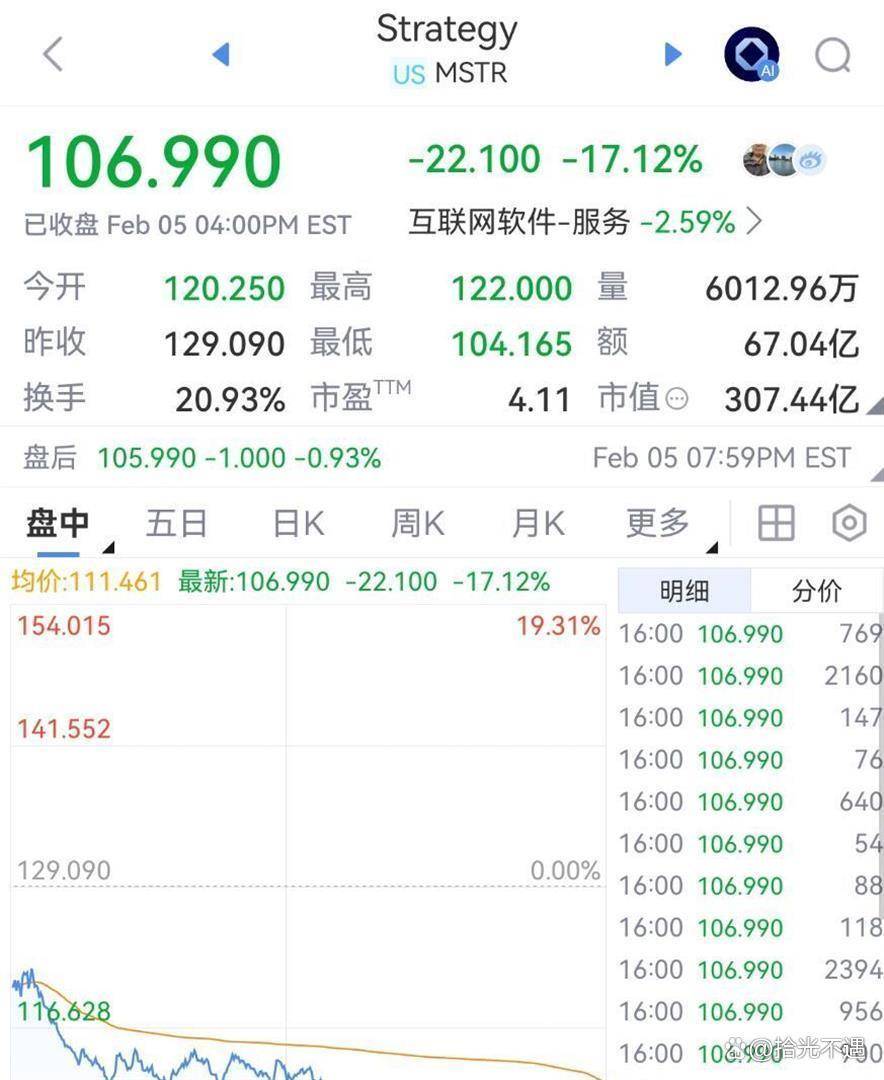
比特币惊魂雪崩!58万人爆仓蒸发26亿美元,谁在暗抽梯子?
Sou Hu Cai Jing· 2026-02-07 08:29
Market Overview - The cryptocurrency market experienced a significant crash, with Bitcoin dropping from around $70,000 to a low of $59,800, marking a maximum decline of over 17% within 24 hours [1] - Over 586,000 traders were liquidated globally, with a total liquidation amount reaching $2.665 billion, of which $2.314 billion was from long positions [1] Regulatory Impact - On February 6, the People's Bank of China and other regulatory bodies issued a joint statement reiterating that virtual currencies do not have legal tender status and prohibited the issuance of stablecoins linked to the RMB [3] - This regulatory action heightened market fears, prompting many investors to withdraw their funds to avoid regulatory repercussions [3] Institutional Behavior - On February 5, approximately $740 million flowed out of cryptocurrency-themed ETFs, with a total outflow of nearly $4 billion over the past three months [3] - Many institutional investors are facing significant losses, as the average cost of Bitcoin holdings in U.S. spot Bitcoin ETFs is around $84,100, while the current price is over $60,000 [3] Leverage and Market Dynamics - The use of high leverage in cryptocurrency trading exacerbated the market decline, with over $2.3 billion in long positions liquidated, creating a vicious cycle of further price drops [4] - Bitcoin's correlation with tech stocks has increased, with a correlation coefficient of 0.72 with the Nasdaq 100 index, indicating that Bitcoin is moving in tandem with tech stock fluctuations [4] Investor Sentiment - The market's "Fear & Greed Index" dropped to 10, indicating extreme fear among investors, leading to a mass exit from the market [1] - The perception of Bitcoin as a hedge against inflation has diminished, as it failed to perform as a safe haven during rising global risk aversion [4] Conclusion - The recent Bitcoin crash is attributed to a combination of tightened regulations, institutional withdrawals, leveraged trading, and a collapse of investor confidence [5] - The volatility and lack of legal protection in the cryptocurrency market suggest that ordinary investors should exercise caution and consider managing their investments in more stable assets [5][6]