黄金制品

Search documents
【财经分析】本土金价走势脱钩、国际客户陆续退出 土耳其黄金产业待破局
Xin Hua Cai Jing· 2026-02-28 01:08
Core Insights - Turkey's gold import quota policy, implemented in 2023, has led to domestic gold prices significantly exceeding international market prices, creating challenges for the gold industry [1] - The balance between protecting gold reserves and maintaining the operational stability of the gold supply chain is a critical challenge for Turkey [1] Group 1: Impact on Gold Processing and Exports - The number of gold processing workshops in Istanbul has decreased significantly, with many facilities now idle due to reduced international orders [2] - In January 2023, Turkey's jewelry export value, heavily reliant on gold products, fell by 59% year-on-year, with nearly 60% of workshops and factories either closed or facing shutdown [2] - The gold import quota limits licensed companies and exporters to only 12 tons of unprocessed gold per month, exacerbating industry pressures [2] Group 2: Changes in Demand and Market Position - The U.S. jewelry imports from Turkey are projected to decline by over 40% in 2025, dropping to approximately $409.8 million, with European buyers also reducing orders due to price volatility and supply uncertainties [3] - Turkey's share in global jewelry exports increased from about 1% in 2016-2017 to approximately 7% in 2023, but is now expected to revert to around 5% [3] Group 3: Strategic Recommendations for Domestic Production - Analysts suggest that Turkey should shift from restricting imports to enhancing domestic gold production to alleviate reliance on imports [4] - The current market contradiction lies in strong domestic demand for gold amid limited supply due to the quota system, leading to a decoupling of domestic and international gold prices [4] - Turkey's annual gold production is approximately 28 tons, with confirmed underground gold resources estimated at 6,500 tons, indicating potential for significant production increases with proper investment [4] Group 4: Future Prospects and Challenges - Increasing domestic gold production could help reduce import dependency and improve foreign exchange reserves stability, but it will take time to fully address supply gaps [6] - Policies must balance the security of gold reserves with the stability of the gold supply chain while expanding production capacity [6]
财富观 | 春节黄金热:“无痛攒金”成理财新潮,亏了还是赚了?
Sou Hu Cai Jing· 2026-02-13 10:16
Core Viewpoint - The upcoming Spring Festival is driving a surge in gold consumption, characterized by investment, gifting, and emotional purchases, with low-weight gold products and IP collaboration items seeing significant sales growth [2][3]. Group 1: Market Trends - The trend of "mobile gold stickers" allows consumers to purchase as little as 0.01 grams of gold for the price of a coffee, catering to emotional consumption and lowering the barrier to gold purchases [3]. - Emotional value gold products have seen a 300% year-on-year increase in GMV sales from 2026 to date, indicating a strong market demand for these items [3]. - The price of gold jewelry has recently decreased from over 1700 yuan per gram to around 1500 yuan, prompting gold stores to implement discount strategies to attract consumers during the festive season [3][4]. Group 2: Pricing Strategies - Gold jewelry prices are being discounted by 100 yuan per gram, with some items available at significant reductions, making them more appealing to consumers [4]. - Despite discounts, brands like Chow Tai Fook plan to raise prices on certain products by 15% to 30% starting in March, focusing on fixed-price items that emphasize craftsmanship and brand value [5]. - The increase in prices is attributed to rising costs in craftsmanship and licensing, as well as a strategy to maintain profitability amid fluctuating gold prices [5]. Group 3: Consumer Behavior - Investment in gold bars and coins has surged, with a 35.14% year-on-year increase in consumption, while gold jewelry consumption has decreased by 31.6% [10]. - Young consumers are increasingly adopting a "pain-free gold accumulation" approach, purchasing small amounts of gold as a form of investment, with low-weight gold products seeing a 150% increase in GMV [11]. - The emotional and potential appreciation value of IP-linked gold products has become a hot trend among younger consumers, with a 200% increase in GMV for these items [11]. Group 4: Investment Dynamics - The rise of "gold trading" among consumers, particularly through bank accounts for gold accumulation, has made gold investment more accessible and appealing [12]. - Recent fluctuations in gold prices have led to mixed experiences among investors, with some seeing significant gains while others face losses due to market volatility [12][13]. - The accumulation of gold is viewed as a long-term investment strategy, particularly suitable for individuals with smaller capital looking to build wealth over time [14].


广东外贸凭产业韧性持续领跑
Xin Lang Cai Jing· 2026-02-07 22:52
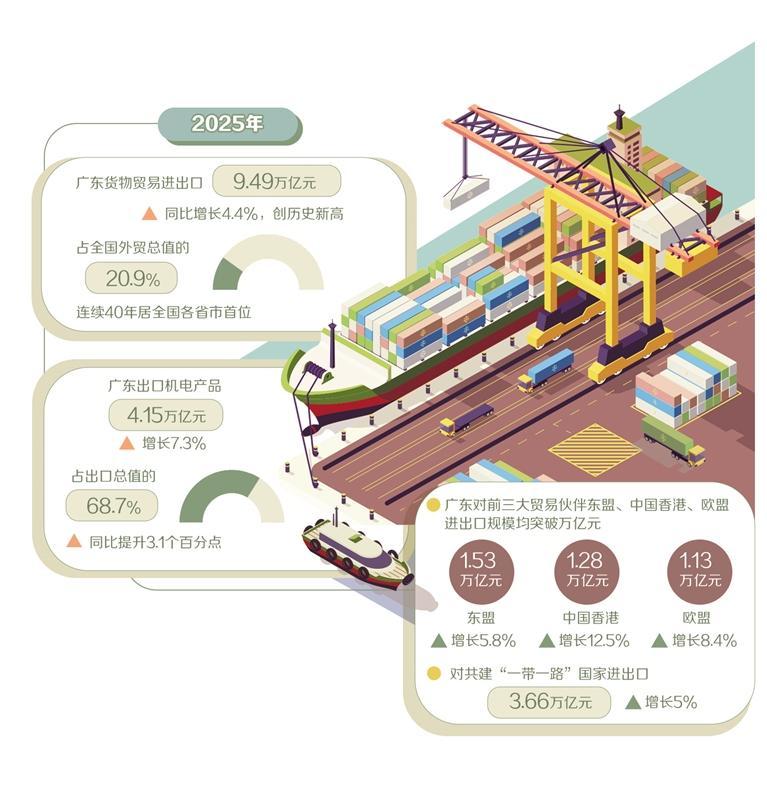
Core Insights - Guangdong's goods trade import and export reached 9.49 trillion yuan in 2025, marking a 4.4% year-on-year increase and setting a historical record, accounting for 20.9% of the national foreign trade total, contributing 24.1% to national foreign trade growth [2] Group 1: Export Structure and Growth - The export structure in Guangdong is shifting towards new and superior products, with new productive forces accelerating growth. In 2025, Guangdong exported 4.15 trillion yuan in electromechanical products, a 7.3% increase, making up 68.7% of total exports, up 3.1 percentage points year-on-year [3] - Exports of electronic components, electrical equipment, and computers grew by 20%, 16.8%, and 9.9% respectively, while green and intelligent products like drones, 3D printers, and industrial robots saw export growth rates of 40.9%, 37.1%, and 33.9% [3] Group 2: Company Performance and Market Expansion - Dongguan's Songling Technology Co., Ltd. reported a 52% increase in orders in 2025 compared to 2024, with an expected stable growth rate of 30% to 40% for the current year. The company exported industrial robots worth 460 million yuan, a year-on-year increase of over 30% [4] - The Guangdong Customs has been actively guiding enterprises in technical trade responses and intellectual property protection, facilitating the expansion of Dongguan's smart manufacturing into global markets [4] Group 3: New Trade Dynamics and Support Measures - The Guangdong Customs has focused on cultivating new trade dynamics and creating a "new engine" for foreign trade, with electric vehicle exports increasing 31 times during the 14th Five-Year Plan period, reaching 153 countries and regions [5] - The number of enterprises with import and export performance in Guangdong reached 172,000 in 2025, a 17.6% increase, with private enterprises accounting for 148,000, up 20% [6] Group 4: International Cooperation and Market Diversification - Guangdong's foreign trade market is becoming more diversified, with imports and exports to ASEAN, Hong Kong, and the EU each surpassing 1 trillion yuan in 2025, growing by 5.8%, 12.5%, and 8.4% respectively [8] - The province's exports to emerging markets in Central Asia, Africa, and the Middle East grew by 23.6%, 10.7%, and 8.5%, all exceeding the overall growth rate of Guangdong [8] Group 5: Infrastructure and Regulatory Improvements - Guangdong has implemented 166 measures to promote cross-border trade facilitation, achieving 24/7 appointment customs clearance at key ports and expanding shipping routes to 73 [6] - The provincial government has introduced 108 measures to optimize the business environment, with general trade growing at an average of 9.9% annually, increasing its share from 51.2% to 58.2% [7]
金价大跳水有人拖行李箱抄底
Xin Lang Cai Jing· 2026-02-01 11:05
Core Viewpoint - The international gold price experienced a significant drop, leading to a surge in consumer interest in purchasing gold jewelry and selling gold products in China [1] Group 1: Market Reaction - On the day of the price drop, the A-share precious metals sector saw an overall decline of over 8%, with multiple gold-related stocks hitting the daily limit down [1] - On Saturday, the spot gold price fell by more than 10%, resulting in a substantial price correction for domestic gold jewelry [1] Group 2: Consumer Behavior - The Beijing Caibai Jewelry Store, known as "China's first gold store," was crowded with consumers eager to buy gold jewelry at lower prices, with some bringing suitcases to take advantage of the price drop [1] - In the gold buyback area on the third floor, citizens looking to sell their gold formed long queues, with wait times reported to be at least three and a half hours to reach the buyback window [1]
杰我睿的金银“预定价”游戏
Shang Hai Zheng Quan Bao· 2026-01-30 06:39
Core Viewpoint - Shenzhen-based jewelry company Jie Wo Rui is facing a cash withdrawal crisis, affecting thousands of investors and involving significant amounts of money [1][14]. Company Overview - Jie Wo Rui was established on June 6, 2014, with a registered capital of 11 million RMB, operating in the wholesale and manufacturing sectors related to precious metals and jewelry [4]. - The company primarily engages in the sale of gold products, diamonds, jewelry, jade, and silver products, along with domestic trade and precious metal refining [4]. Business Model - Jie Wo Rui operates two main business models: 1. **Recycling Business**: Investors send gold materials to the platform and receive payment based on the recycling price, with options for storage and trade-in services [4][5]. 2. **Pricing Business**: Investors can lock in the ownership of gold/silver by paying a small deposit, with the requirement to pay the remaining balance upon withdrawal [5][12]. Crisis Details - The crisis appears to stem from the company's silver pricing business, which involved high leverage and speculative trading practices, leading to a liquidity crisis [11][12]. - Investors reported difficulties in withdrawing funds, with the platform limiting daily withdrawals to 500 RMB, which were often not processed [13][14]. Regulatory and Legal Concerns - The business model of Jie Wo Rui may violate regulations related to illegal futures trading and gambling, as it has transformed traditional physical gold trading into a high-leverage speculative tool [18]. - The platform's operations have raised concerns about its compliance with financial regulations, particularly regarding its high leverage and lack of transparency [12][18]. Impact on Industry - The crisis has implications for the broader gold trading market, potentially affecting numerous jewelers and consumers who rely on Jie Wo Rui for transactions [16][17]. - The event highlights the risks associated with unregulated financial practices in the gold trading sector, particularly in the context of rising speculative investments [14][18].
水贝黄金平台“杰我睿”兑付危机调查:40倍杠杆对赌,金价越涨平台越亏,老板自称“还在深圳”,投资者:兑付方案本金打两折,无法接受
3 6 Ke· 2026-01-28 13:09
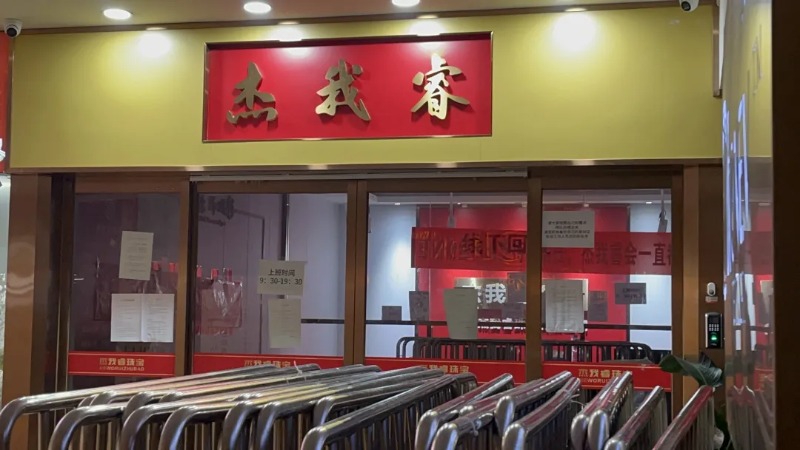
Core Viewpoint - The Shenzhen-based gold trading platform, Jie Wo Rui, is facing significant cash withdrawal issues, leading to investor unrest and demands for refunds amid a backdrop of rising gold prices [1][3][9]. Group 1: Current Situation - Numerous investors from various provinces reported that they are unable to withdraw funds from the Jie Wo Rui platform, prompting them to seek redress at the company's headquarters in Shenzhen [1][3]. - Some investors were attracted by the platform's "zero handling fee" offer, sending their gold jewelry to exchange for new pieces, but now face difficulties retrieving their assets [1][3]. - The platform has proposed a compensation plan, but many investors are unwilling to accept the terms, which involve a significant reduction in their principal investment [1][9]. Group 2: Company Background - Jie Wo Rui, officially known as Shenzhen Jie Wo Rui Jewelry Co., Ltd., was established in June 2014 and is primarily engaged in the trade of gold, silver, diamonds, and jewelry, as well as jewelry recycling and repair services [6]. Group 3: Compensation and Investor Response - A compensation scheme has been set up at the Shenzhen Luohu Sports Center, where investors can negotiate solutions based on their contracts [9][10]. - Many investors reported dissatisfaction with the proposed compensation, which offers only 20% of their principal investment, leading to widespread refusal to sign the agreement [10][11]. Group 4: Business Model and Risks - The business model of Jie Wo Rui includes two main types: physical recovery and "empty contracts," where customers can lock in gold prices with a small deposit, creating high leverage [11]. - The current crisis is believed to be linked to the "pre-order price" model, which lacks adequate risk management, resulting in significant financial strain on the platform as gold prices rise [11][13]. Group 5: Regulatory Response - Following the operational issues at Jie Wo Rui, the Shenzhen Luohu District Work Team has intervened to ensure the company fulfills its responsibilities and is actively communicating with investors [12]. - The local jewelry industry association has previously issued warnings about similar businesses in the area that have faced legal action for operating high-leverage betting schemes disguised as gold trading [13][14].
水贝黄金平台“杰我睿”兑付危机:40倍杠杆对赌,金价越涨平台越亏
Mei Ri Jing Ji Xin Wen· 2026-01-28 12:23
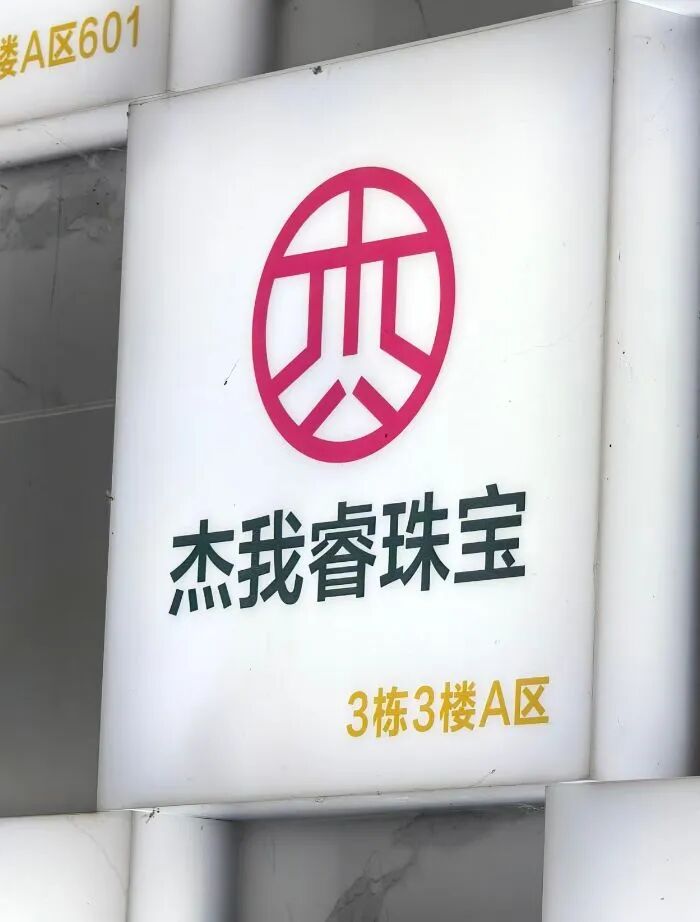
Core Viewpoint - The Shenzhen Jie Wo Rui platform is facing significant cash withdrawal issues, leading to investor complaints and protests as many are unable to retrieve their funds or gold investments amid rising gold prices [1][3][9]. Current Situation - Numerous investors reported that the Jie Wo Rui platform's WeChat mini-program is unable to process withdrawals, prompting them to seek redress at the company's headquarters in Shenzhen [1][3]. - Some investors were attracted by the platform's "zero handling fee" offer, sending their gold jewelry to exchange for new pieces, but now face difficulties in retrieving their assets [1][3]. - The platform has acknowledged the issue and proposed a compensation plan, but many investors are dissatisfied with the terms, particularly the significant reduction in principal offered [1][9]. Compensation Plan - Jie Wo Rui has set up a negotiation area for affected clients to discuss compensation, but many are unhappy with the proposed plan, which offers only 20% of their original investment [9][10]. - The compensation process involves categorizing clients into two groups based on their investment value, but the criteria for classification remain unclear [10]. Business Model - Jie Wo Rui operates primarily through two business models: physical recovery of gold and a "pre-order price" model, which allows clients to lock in gold prices with a small deposit, effectively leveraging their investments [11][14]. - The pre-order price model has been criticized for its high risk, as it does not have adequate risk management measures in place, leading to potential insolvency when gold prices rise [14][15]. Industry Context - The incident at Jie Wo Rui is not isolated; there have been multiple similar cases in the Shenzhen Water Bay area involving businesses using the pre-order price model, which has led to significant financial losses for investors [15]. - The Shenzhen Gold and Jewelry Association has previously issued warnings about the risks associated with non-physical gold trading practices, indicating a broader issue within the industry [15].
杰我睿珠宝被曝经营异常,深圳通报
Sou Hu Cai Jing· 2026-01-28 08:03
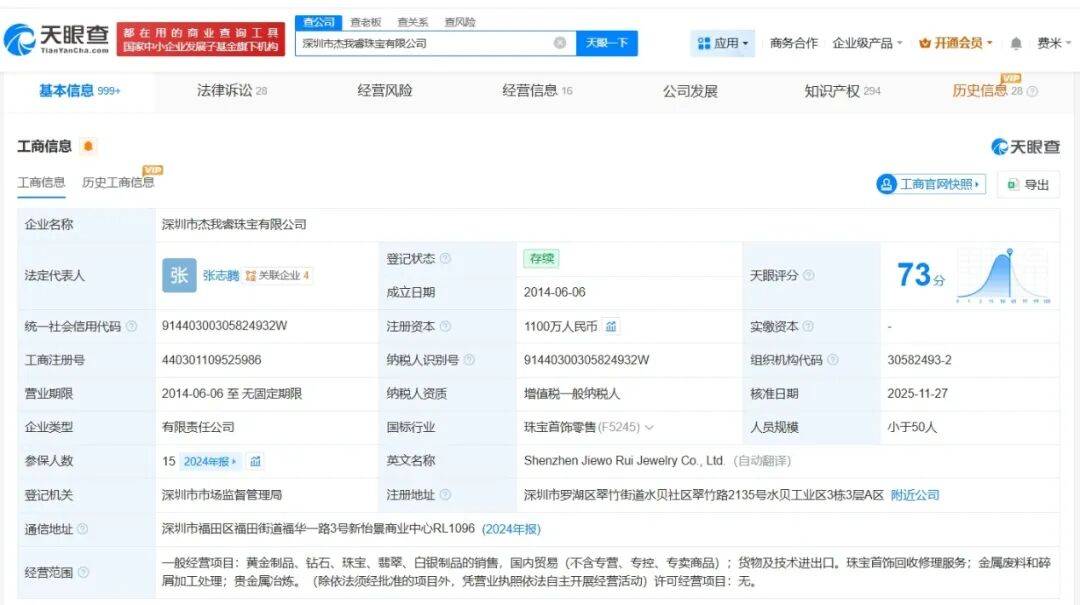
Core Viewpoint - Zhang Zhiteng is associated with four companies, of which only Shenzhen Jiewo Rui Jewelry Co., Ltd. is currently operational, while the other three have been deregistered [1][2]. Group 1: Company Information - Shenzhen Jiewo Rui Jewelry Co., Ltd. was established in June 2014, with a registered capital of 11 million RMB, and its business scope includes the sale of gold products, diamonds, jewelry, jade, and silver products [1][3]. - The company is co-owned by Zhang Zhiteng and Chen Changlin [1]. - The company has faced legal issues, with over 40,000 RMB in enforcement actions against it and Zhang Zhiteng since July of the previous year [1]. Group 2: Current Situation - A task force was established by the Luohu District to address the repayment difficulties faced by Jiewo Rui and its associated online platforms, ensuring that the company's management is actively communicating with investors and managing asset recovery [1].
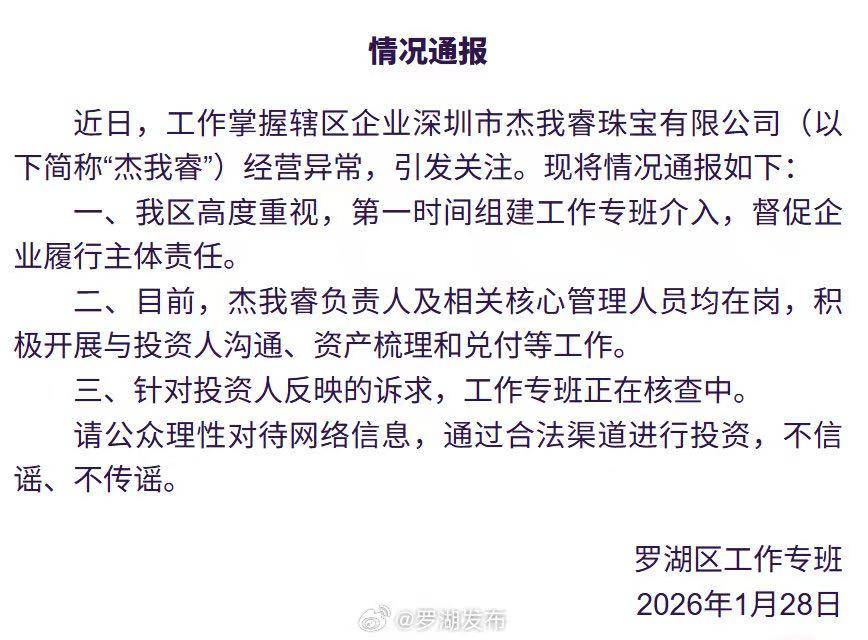
深圳水贝黄金料商“杰我睿”陷兑付风波 罗湖区专班回应:督促企业履责
Sou Hu Cai Jing· 2026-01-28 04:10
Group 1 - Shenzhen Jie Wo Rui Jewelry Co., Ltd. is a gold raw material trader established on June 6, 2014, with a registered capital of 11 million RMB [4] - The company operates in the wholesale industry and is involved in the manufacturing of cultural, educational, and sports products, as well as entertainment goods [4] - Main business activities include the sale of gold products, diamonds, jewelry, jadeite, and silver products, along with domestic trade, import and export of goods and technology, and precious metal smelting [4] Group 2 - Recently, the company has faced operational abnormalities, leading to concerns regarding its ability to fulfill payment obligations on the Shui Bei Yi gold pricing platform [1] - The Shenzhen Luohu District working group has been established to oversee the situation and ensure the company fulfills its responsibilities [1] - The company's management is actively engaging with investors, conducting asset reviews, and working on payment issues [1]
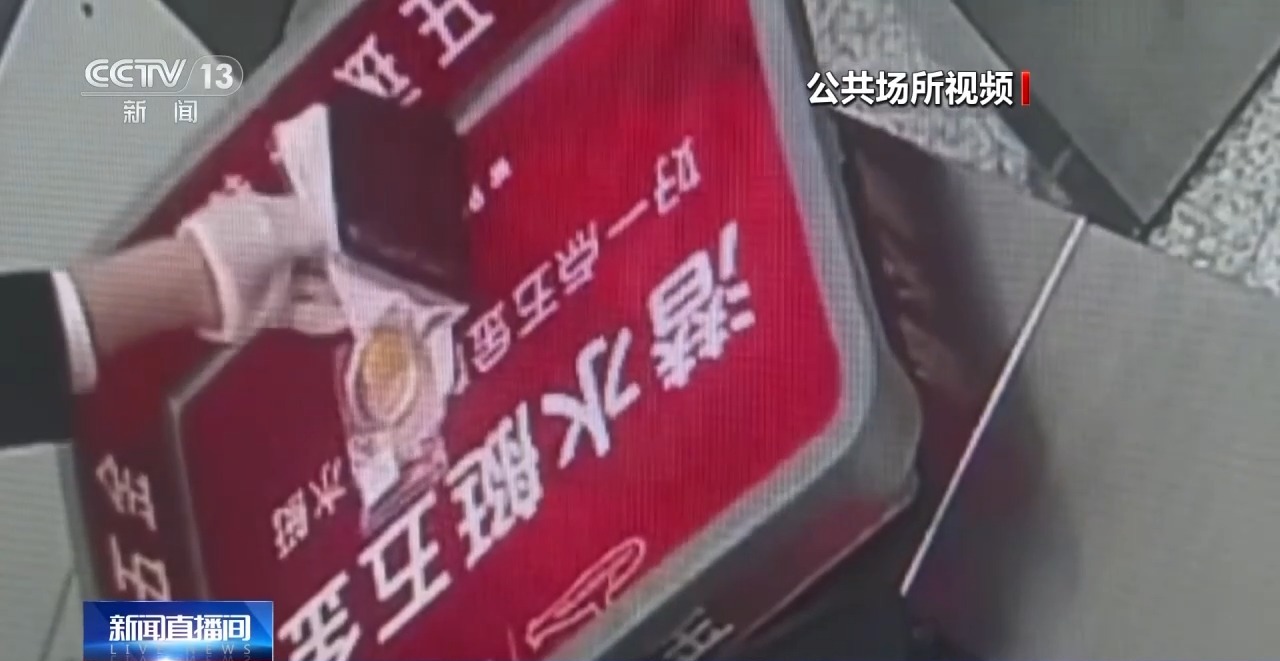
旅客藏匿黄金出境被查 海关提醒:这些常见物品也限制进出境
Xin Lang Cai Jing· 2026-01-25 09:59
Core Viewpoint - The article highlights the importance of declaring gold and its products when traveling in and out of China, emphasizing that failure to do so constitutes smuggling and may lead to criminal charges. Group 1: Incident Details - Two travelers were caught at Beijing Daxing International Airport carrying approximately 600 grams of gold products, valued at around 590,000 RMB, without declaring them to customs [1][3] - The travelers attempted to evade customs regulations by concealing the gold in their personal belongings, which raised suspicion during security checks [3][6] Group 2: Customs Regulations - Gold and its products are classified as restricted items for export, and travelers must declare any excess amounts to customs as per the regulations of the People's Republic of China [5][8] - Other restricted items include foreign currency exceeding 5,000 USD and alcoholic beverages over 12 degrees, with specific limits on quantity [8][12] Group 3: Public Awareness - The customs authority advises travelers to familiarize themselves with the prohibited and restricted items before traveling, and to accurately fill out the customs declaration form if necessary [14]