医疗保险

Search documents
山东:健全多层次医保体系,筑牢民生健康防线
Feng Huang Wang Cai Jing· 2025-11-19 07:30
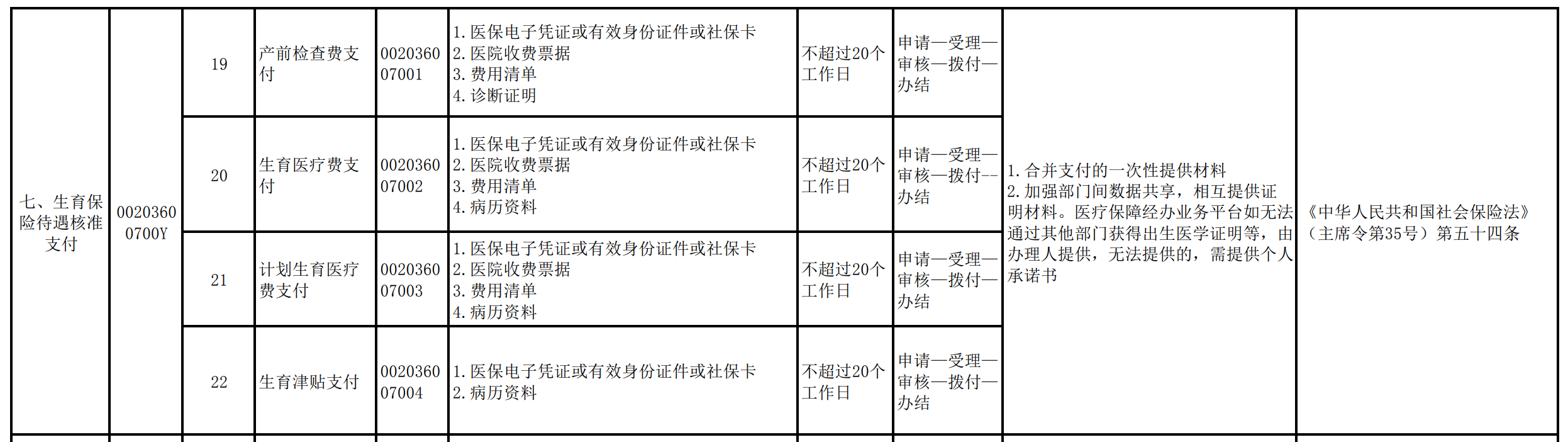
二是稳步提高医保报销水平。目前,参保居民、职工住院使用报销范围内的药品、耗材等,分别可以享 受到70%左右、80%以上的报销待遇。不断健全门诊慢特病保障政策,统一将恶性肿瘤门诊治疗、肾透 析等门诊维持治疗周期长、医疗费用相对较高的81种慢性病,纳入门诊慢特病保障范围,参照住院报销 政策予以保障,减轻了患者大额门诊医疗费用负担。同时,全面建立普通门诊报销制度,参保群众因头 痛脑热、感冒发烧、腹泻等常见病、多发病发生的日常门诊费用,也能享受报销待遇,比如,城乡参保 居民在基层医疗机构发生的报销范围内的普通门诊费用,可以报销65%,城乡居民诊断为高血压、糖尿 病后,购买降压药、降糖药还能享受到75%的专项报销待遇。 三是完善大病保险和医疗救助政策。统一居民大病保险起付标准,分段报销比例均达到60%以上,一个 医疗年度内最高可报销40万元。特困人员、低保对象、返贫致贫人口、低保边缘家庭成员和防止返贫监 测帮扶对象等困难群众,可享受居民医保个人缴费部分补贴和医疗费用救助,年度救助限额提高到5万 元以上。"十四五"期间,医疗救助对象累计就医4292.02万人次,医保基金支付544.35亿元。 四是持续完善生育医疗费用报销 ...
广西强化生育保险制度支持 提升生育保障能力
Zhong Guo Xin Wen Wang· 2025-11-18 06:23
Core Insights - Guangxi has made significant improvements in maternity insurance coverage and benefits, enhancing support for childbirth through various measures [1][2][3] Group 1: Maternity Insurance Enhancements - From January to October this year, Guangxi reported 937,900 instances of maternity medical expense payments, with a total fund expenditure of 657 million yuan [1] - The maternity allowance was paid to 73,200 individuals, with a total fund expenditure of 1.399 billion yuan [1] - The maximum payment limit for maternity insurance has been set at 1,500 yuan, with additional coverage for eligible female employees up to 2,000 yuan for prenatal check-ups [1] Group 2: Expansion of Coverage - All individuals receiving unemployment insurance benefits are now included in the maternity insurance scheme, with costs covered by the unemployment insurance fund [2] - As of October 2025, 382 individuals receiving unemployment benefits have accessed maternity allowances totaling 8.2247 million yuan [2] - Pilot programs are underway to include flexible employment workers in the maternity insurance scheme, with some cities already implementing these policies [2] Group 3: Direct Payment Initiatives - Three cities in Guangxi have successfully implemented direct payments of maternity allowances to individuals, benefiting 3,879 female employees with a total of 61.3953 million yuan disbursed [3] - Nanning plans to start direct payments of maternity allowances to individuals from January 1, 2026, with other cities also working towards similar implementations [3]
广西生育保险政策组合拳显效
Guang Xi Ri Bao· 2025-11-18 03:18
Core Insights - Guangxi has implemented a series of measures to enhance maternity insurance coverage and reduce the financial burden on families, including optimizing reimbursement for prenatal check-ups and reforming the distribution of maternity benefits [1][2] Group 1: Financial Impact - From January to October this year, Guangxi's maternity medical expenses covered 937,900 cases, with a total fund expenditure of 656 million yuan [1] - Maternity benefits were paid to 73,200 individuals, with a total fund expenditure of 1.399 billion yuan [1] - The integration of employee medical insurance with maternity insurance allows for an additional reimbursement of up to 2,000 yuan for prenatal check-ups after reaching the 1,500 yuan cap, enhancing maternity protection [1] Group 2: Policy Expansion - Starting July 1, all individuals receiving unemployment insurance benefits have been included in the maternity insurance coverage, with premiums paid by the unemployment insurance fund, allowing them to receive maternity benefits without personal contributions [2] - As of the end of October, 382 unemployed individuals have received a total of over 8.22 million yuan in maternity benefits [2] - Pilot programs are underway to include flexible employment and new employment forms in maternity insurance, with eligible individuals in certain cities able to receive up to 10,000 yuan in maternity benefits [2] Group 3: Service Improvement - Guangxi has reformed the payment method for maternity benefits from "paid to the unit" to "directly to individuals," improving service experience [2] - As of the end of October, direct payments of maternity benefits have been made to 3,879 female employees, totaling 61.3953 million yuan [2]
FT中文网精选:为何美国两党如此在意医保支出?
日经中文网· 2025-11-17 02:58
Core Viewpoint - The article discusses the ongoing U.S. government shutdown, which has reached a record 37 days, primarily focusing on the contentious budget discussions between the Republican and Democratic parties regarding healthcare spending, particularly Medicare and Medicaid [6]. Group 1: Government Shutdown and Budget Discussions - The U.S. government shutdown has entered its 37th day, setting a new record for the longest shutdown in history [6]. - The core issue in the budget discussions is healthcare spending, which includes Medicare, Medicaid, and Social Security [6]. - Medicare spending is approximately $2.4 trillion, with $1.7 trillion allocated to Medicare and $700 billion to Medicaid, while Social Security spending amounts to $1.5 trillion [6]. Group 2: Financial Implications - The combined spending on Medicare, Medicaid, and Social Security accounts for over half of the federal budget expenditures [6]. - On average, this spending translates to over $7,000 per person for the U.S. population of 340 million [6].


地方医保“50元”限额背后
第一财经· 2025-11-17 02:08
Core Viewpoint - The recent decision by Xinxiang, Henan to limit outpatient daily payment amounts for medical insurance has sparked significant public attention, but the policy was quickly revoked, highlighting the challenges in managing outpatient insurance funds effectively [3][4]. Group 1: Outpatient Insurance Fund Management - Xinxiang's initial policy aimed to reduce fraudulent expenditures from the medical insurance fund by imposing daily limits on outpatient claims, which was seen as a crude attempt at fund management [4]. - The rapid increase in outpatient visits, totaling 57.49 billion in 2024 compared to 48.7 billion in 2023, indicates a growing challenge for insurance fund oversight, as the number of claims outpaces the ability to monitor them effectively [6]. - The primary difficulties in managing outpatient insurance funds include the vast number of outpatient visits across numerous healthcare facilities and the inadequacy of current monitoring technologies to detect fraudulent activities [6][12]. Group 2: Regulatory Challenges and Responses - The regulatory environment is complicated by the high volume of outpatient claims and the diverse nature of treatments, such as traditional Chinese medicine, which complicates the establishment of effective oversight standards [6]. - Many regions have reported issues with fraudulent practices, including the manipulation of treatment codes and the substitution of non-insured medications for insured ones, making traditional regulatory methods insufficient [6][7]. - Recent announcements from various local medical insurance bureaus have prohibited year-end "spending sprees" where insured individuals rush to use their benefits, which can lead to unnecessary expenditures and strain on the insurance fund [10][11]. Group 3: Recommendations for Improvement - Experts suggest that improving the management of outpatient insurance funds requires advancements in intelligent regulatory systems, increased electronic medical record usage, and enhanced collaboration among regulatory bodies [12]. - There is a need for greater public awareness regarding the responsible use of medical insurance, as many insured individuals still perceive it as a welfare benefit rather than a shared responsibility [11].

地方医保“50元”限额背后:门诊基金监管的两难处境
Di Yi Cai Jing· 2025-11-17 01:57
Core Viewpoint - The recent decision by Xinxiang, Henan to impose daily payment limits on outpatient services has sparked public concern, but the local health insurance bureau has announced the cancellation of these limits effective November 12, 2025, highlighting the challenges in outpatient fund regulation [1][2]. Group 1: Outpatient Fund Regulation Challenges - The rapid increase in outpatient visits, totaling 57.49 billion in 2024 compared to 48.7 billion in 2023, poses significant regulatory challenges for health insurance funds [2][3]. - The primary difficulty in outpatient fund regulation is the vast number of outpatient visits across numerous healthcare facilities, making comprehensive oversight impractical [2][3]. - The lack of effective regulatory standards for specific treatment projects, such as traditional Chinese medicine, creates opportunities for fund misuse [2][3]. Group 2: Fraudulent Practices and Regulatory Responses - Innovative and covert fraudulent practices, such as altering treatment codes and substituting non-insured drugs for insured ones, complicate timely detection by traditional regulatory methods [3][4]. - The annual payment limits for outpatient services are relatively low for residents, while the limits for employees can reach thousands, making employee outpatient services more susceptible to fraud [3][4]. - Local health insurance bureaus have issued warnings against end-of-year spending sprees, where some healthcare providers may exploit the misconception that unused insurance funds will expire [4][5]. Group 3: Recommendations for Improvement - Research indicates that the current outpatient fund regulation faces challenges such as underdeveloped intelligent oversight systems, low electronic medical record usage, and insufficient collaboration among regulatory bodies [7]. - Recommendations include advancing intelligent regulatory systems, enhancing the electronic documentation of outpatient visits, and improving the professional capacity of regulatory personnel [7].
生育津贴无需结婚证直发个人,职场宝妈人均超2.6万
Di Yi Cai Jing· 2025-11-17 01:49
Core Insights - The article discusses the implementation of direct payment of maternity benefits to female employees in 25 provinces in China, addressing concerns about childbirth among young people [1][2] - The National Healthcare Security Administration (NHSA) is actively promoting a direct payment model for maternity benefits, which reduces the risk of delays or withholding by employers [2][4] Group 1: Maternity Benefits Policy - The average maternity allowance for female employees has exceeded 26,000 yuan, and it can be claimed without a marriage certificate [1][2] - As of November 1, 2023, 25 provinces, including Jiangsu and Liaoning, have implemented direct payment of maternity benefits to individuals, covering nearly 90% of the regions [1][2] Group 2: Simplification of Claim Process - The NHSA has simplified the application process for maternity benefits, with most regions no longer requiring a marriage certificate or other non-essential documents [2][4] - In some areas, mothers can experience "seamless application" for maternity benefits through automated systems, reducing the need for in-person visits [3][4] Group 3: Comprehensive Maternity Support - The NHSA is working to establish a comprehensive maternity support system, enhancing coverage for hospitalization and maternity medical expenses [4] - Seven provinces have achieved a model where childbirth incurs minimal costs, and all provinces have included assisted reproductive services in their insurance coverage [4]
药箱里的十五年医保路
Jing Ji Guan Cha Bao· 2025-11-13 08:25
Group 1 - The article highlights the significant reduction in drug prices and the improvement in healthcare coverage for rural residents over the past fifteen years, particularly through the New Rural Cooperative Medical Scheme [1][3] - The reimbursement rate for inpatient care has increased from a low level at the start of the program to around 70% currently, indicating a substantial enhancement in financial support for medical expenses [3][8] - The article provides specific examples of individuals, such as Liu Guiying, who have experienced a decrease in monthly medication costs, with the price of a commonly used drug, Captopril, dropping from 28 yuan to 4 yuan per box, resulting in over a 50% reduction in her monthly drug expenses [2][4] Group 2 - Despite the improvements, there are still challenges faced by patients, such as the withdrawal of certain effective imported drugs from the reimbursement list, leading to increased out-of-pocket expenses for patients like Liu Guiying [4][6] - The disparity in healthcare benefits between different insurance schemes is evident, with urban employees enjoying better coverage compared to rural residents, as seen in the cases of Liu Guiying and Ai Fenglan [7][8] - The funding structure for urban employee insurance is more robust due to contributions from both employers and employees, while rural resident insurance relies heavily on government subsidies and individual payments, resulting in a smaller overall funding pool [8][9]
小药盒,大政策:慢性病证明与医保改革的民生共鸣
Jing Ji Guan Cha Bao· 2025-11-13 08:25
Core Insights - The article discusses the impact of healthcare policy reforms on chronic disease patients in China, highlighting the balance between personal account reductions and increased social insurance coverage [1][4][6] Group 1: Policy Changes and Their Effects - The healthcare policy in Jilin Province has undergone three adjustments from 2023 to 2025, significantly reducing out-of-pocket expenses for chronic disease medications [1][4] - The monthly contributions to personal accounts for retirees have decreased from 240 yuan in 2022 to 111 yuan in 2023, and further to 78 yuan in 2024, reflecting a shift towards increased reimbursement rates [2][3] - New outpatient reimbursement policies have been introduced, increasing reimbursement rates by 5% and lowering the threshold for chronic disease patients, thus enhancing financial support for those with chronic conditions [3][4] Group 2: Financial Implications for Patients - Patients like Zhang Guilan and Li Hongmei have reported reduced personal expenses due to the new reimbursement policies, despite lower personal account contributions [3][5] - The introduction of a "public servant medical subsidy" in 2025 aims to provide additional support for retired civil servants, reflecting a targeted approach to healthcare funding [4][6] - The overall trend indicates a move from individual account reliance to a more collective insurance model, enhancing the mutual support capacity of the healthcare system [4][6] Group 3: Broader Implications for Healthcare Access - The reforms aim to address the inequities in healthcare access between urban and rural areas, with improvements in the availability of essential medications in rural health facilities [8][12] - The introduction of chronic disease certificates has significantly reduced medication costs for patients, demonstrating the effectiveness of policy in alleviating financial burdens [9][10] - Future reforms are expected to further expand coverage for chronic diseases and improve the efficiency of the reimbursement process, indicating a commitment to enhancing healthcare access for all [11][12]
Clover Health Investments (NasdaqGS:CLOV) 2025 Conference Transcript
2025-11-11 17:00
Summary of Clover Health Investments Conference Call Company Overview - **Company**: Clover Health Investments (NasdaqGS:CLOV) - **Industry**: Medicare Advantage Insurance Key Points and Arguments Business Model and Technology - Clover Health aims to empower physicians with advanced technology to manage chronic diseases effectively, leading to better health outcomes and lower total care costs [2][3] - The company operates primarily in an open network (PPO) focusing on New Jersey and Georgia, expecting to grow membership by 33% while maintaining profitability [3][4] - Clover Assistant, an AI-enabled technology, is used at the point of care to integrate various medical records, enabling earlier identification and management of chronic diseases [4][5][6] Financial Performance - Clover Health anticipates a 33% growth in membership and nearly 40% increase in revenue year-to-date, achieving $45 million in EBITDA [11][12] - The company's Benefit Expense Ratio (BER) is projected at approximately 89%, which is competitive compared to industry averages [5][12] - New members typically incur higher costs initially but are expected to improve profitability over time as they become returning members [12][14] Clinical Outcomes - The technology has led to earlier diagnoses of chronic diseases, such as diabetes, which is diagnosed on average three years earlier, resulting in lower treatment costs and better health outcomes [9][10] - Clover Health has been ranked number one in the nation for PPO plans on clinical quality for two consecutive years [10] Market Trends and Growth Opportunities - The Medicare Advantage market is growing, with 35 million seniors in the U.S. participating [2] - Clover Health expects to benefit from a strong voluntary retention rate above 90% and a transition to a four-star payment year, which could add approximately 5% to revenue [16][17] - The company is also exploring opportunities with third-party payers and risk-bearing providers, leveraging its technology for broader market reach [10][11] Challenges and Future Outlook - The company faces challenges with higher-than-expected utilization rates among new members, which are being monitored for better management [12][19] - Clover Health is working on improving its STAR ratings, particularly in pharmacy metrics, which have seen a decline [28][30] - The company is focused on optimizing SG&A costs and leveraging AI to enhance operational efficiency [36][39] Additional Insights - Clover Health has made a mark in the precision medicine space through investments, such as a $10 million stake in Biochar Science [24] - The integration of AI scribing technology aims to enhance the efficiency of physician-patient interactions within the Clover Assistant platform [44] Conclusion Clover Health is positioned for significant growth in the Medicare Advantage market, driven by its innovative technology and strong clinical outcomes. While facing challenges related to new member utilization and STAR ratings, the company is optimistic about its future financial performance and market opportunities.