医疗器械

Search documents
国药控股(01099) - 海外监管公告中国医疗器械有限公司 2025 年年度报告
2026-03-19 13:22
香港交易及結算所有限公司及香港聯合交易所有限公司對本公告之內容概不負責,對其準確性或完整性 亦不發表任何聲明,並明確表示,概不就因本公告全部或任何部分內容而產生或因倚賴該等內容而引致 之任何損失承擔任何責任。 海外監管公告 中國醫療器械有限公司 2025 年年度報告 本公告乃根據香港聯合交易所有限公司證券上市規則第13.10B 條作出。 茲載列國藥控股股份有限公司旗下一間附屬公司,中國醫療器械有限公司(「國藥器械」)於 2026 年 3 月 19 日於中國貨幣網及上海清算所網站刊發的《中國醫療器械有限公司 2025 年年度 報告》,僅供參閱。 承董事會命 國藥控股股份有限公司 董事長 晉斌 中國,上海 2026 年 3 月19 日 於本公告日期,執行董事為連萬勇先生及楊秉華先生;非執行董事為晉斌先生、陳啟宇先生、祖敬先 生、邢永剛先生、馬躍先生、陳玉卿先生、文德鏞先生及李瑩女士;獨立非執行董事為李培育先生、吳 德龍先生、俞衛鋒先生、石晟昊先生及陳威如先生。 * 本公司以其中文名稱及英文名稱「 Sinopharm Group Co. Ltd. 」根據香港公司條例註冊為非香港公司。 中国医疗器械有限公司 2025 ...
产业经济周报:社零增速超预期,全球晶圆代工保持高景气-20260319
Tebon Securities· 2026-03-19 10:19
Consumption Sector - In January-February 2026, the total retail sales of consumer goods reached 86,079 billion yuan, with a year-on-year growth of 2.8%, the highest increase since October 2025[6] - The retail sales of essential goods, such as tobacco and alcohol, grew by 19.1%, significantly higher than the overall retail sales growth[11] - Automotive retail sales saw a decline of 7.3% year-on-year, marking five consecutive months of negative growth, primarily due to the impact of the Spring Festival holiday and policy adjustments[12] Health Sector - On March 13, 2026, the National Medical Products Administration approved the registration of the first invasive brain-machine interface medical device, marking a significant milestone in clinical applications[14] - The domestic brain-machine interface market is projected to grow, with a forecasted market size of 3.83 billion yuan in 2025, reflecting a year-on-year growth of 20%[20] Hard Technology Sector - The global wafer foundry industry is expected to generate approximately 169.5 billion USD in revenue in 2025, a year-on-year increase of 26.3%[25] - TSMC's revenue is projected to reach 122.54 billion USD in 2025, with a year-on-year growth of 36.1%, increasing its market share from 64.4% to 69.9%[26] High-end Manufacturing Sector - In February 2026, a total of 17,226 excavators were sold, a year-on-year decrease of 10.6%, with domestic sales down by 42%[32] - For January-February 2026, total excavator sales reached 35,934 units, showing a year-on-year growth of 13.1%, driven by strong export performance[32]



医药供应链变天,中国的机会来了?
虎嗅APP· 2026-03-19 10:18
Core Viewpoint - The global pharmaceutical supply chain is facing significant challenges due to rare earth controls and logistics disruptions from geopolitical conflicts, highlighting the need for a shift from efficiency-focused strategies to safety and controllability in supply chains [2][6][26]. Group 1: Supply Chain Dynamics - The traditional model of minimizing costs and inventory in the pharmaceutical industry is becoming increasingly vulnerable due to disruptions in raw material supply and international logistics [2][6]. - High-end medical equipment and advanced nuclear medicines rely heavily on critical materials and efficient transportation, making timely production and delivery crucial [2][6]. - The current geopolitical climate has exposed the fragility of supply chains that prioritize cost over stability, prompting a reevaluation of strategies in the pharmaceutical sector [6][26]. Group 2: Role of China in Supply Chain Reconstruction - China’s pharmaceutical industry is characterized by a comprehensive supply chain that includes everything from raw materials to finished products, positioning it as a key player in the global market [8][11]. - The ability to provide stable manufacturing and supply capabilities, along with increasing innovation in drug development, enhances China's role in the pharmaceutical supply chain [11][12]. - China's advantages in raw material production and its capacity to adapt to external disruptions make it a critical component in maintaining supply chain stability [21][23]. Group 3: Policy and Industry Focus - Recent policy shifts in China are aimed at elevating the pharmaceutical sector to a "pillar industry," emphasizing the need for innovation and international competitiveness [12][14]. - The focus on innovative drugs and raw materials reflects a strategic direction to enhance both the upper and lower ends of the pharmaceutical supply chain [14][19]. - The integration of artificial intelligence in drug development is expected to shorten research cycles and reduce costs, further driving innovation in the pharmaceutical industry [18]. Group 4: Future Outlook - The pharmaceutical industry is transitioning from a focus on cost and speed to one that values stability, comprehensiveness, and continuous innovation [26]. - China's complete industrial chain provides a significant advantage in ensuring supply stability, while its growing innovation capabilities allow it to participate in higher-value segments of the market [27].


高端化+全球化+数智化,迈瑞医疗的方能否医治集采的伤?
市值风云· 2026-03-19 10:14
Core Viewpoint - Mindray Medical (300760.SZ) is the absolute leader in China's medical device industry, yet its stock price has experienced significant volatility, raising questions about market perceptions and future performance [5][8]. Financial Performance - Mindray's revenue and net profit have shown consistent growth from 2020 to 2024, with revenue increasing from 210.3 billion to 367.3 billion, and net profit rising from 65.4 billion to 114.4 billion [7]. - Despite this growth, a significant decline is projected for 2025, with revenue expected to drop to 167 billion, a decrease of 18.5%, and net profit anticipated to fall by 33% [7]. Market Dynamics - Prior to mid-2021, Mindray was viewed as a stable growth stock, benefiting from strong market confidence and a high valuation, with PE ratios soaring from 40 to 90 times [9][10]. - The introduction of centralized procurement policies in August 2021 led to a sharp decline in stock price, as investors realized that both equipment and consumables would be affected, resulting in a significant drop in profitability expectations [14][15]. Investment Sentiment - The market sentiment shifted from extreme optimism to pessimism post-2021, with the stock price plummeting to around 200, and market capitalization shrinking to approximately 2200 billion [11][15]. - Institutional investors have been reducing their holdings, leading to a liquidity crisis and a downward spiral in stock prices [18]. Competitive Position - Mindray is recognized for its high governance standards and consistent dividend payouts, with a total dividend of 357 billion since its IPO, significantly exceeding its fundraising amount [20]. - The company maintains a strong ROE above 30% and invests around 10% of its revenue in R&D, indicating a commitment to innovation [22][24]. Future Outlook - Concerns exist regarding the sustainability of high profit margins in light of ongoing centralized procurement pressures, which may align Mindray's profitability with international peers [26]. - However, there are arguments for potential undervaluation, as current PE ratios are lower compared to competitors, and recent performance suggests a possible turning point in revenue growth [28]. - The company's strategic focus on high-end, global, and digital solutions, along with potential acquisitions, may provide avenues for future growth despite current challenges [32][34].

新低股爱博医疗股东拟减持 累募11.7亿IPO招商证券保荐
Zhong Guo Jing Ji Wang· 2026-03-19 07:26
Group 1 - The core point of the news is that Aibo Medical (688050.SH) announced a share reduction plan by shareholder Mao Liping, who intends to reduce his holdings by up to 1,934,000 shares, representing no more than 1% of the company's total share capital [1] - As of the announcement date, Mao Liping holds 5,604,413 shares, accounting for 2.90% of the total share capital, while together with his concerted actor Bai Ying, they hold a total of 11,304,459 shares, which is 5.85% of the total share capital [1] - Mao Liping's shares were acquired before the company's IPO and through capital reserve conversion after the listing, with these shares set to be tradable on July 31, 2023, and June 5, 2024, respectively [1] Group 2 - Aibo Medical's stock price hit a record low of 53.00 yuan during trading, marking the lowest price since its listing [2] - The company was listed on the Shanghai Stock Exchange's Sci-Tech Innovation Board on July 29, 2020, with an issuance of 26.29 million shares at a price of 33.55 yuan per share, raising a total of 882 million yuan [2] - The net proceeds from the fundraising amounted to 804 million yuan after deducting issuance costs, which were 78.04 million yuan, with the lead underwriter being China Merchants Securities [2] Group 3 - The company issued 3,593,615 shares at a price of 79.20 yuan per share, raising a total of 284,614,308 yuan, with net proceeds of 280,612,310.30 yuan after deducting issuance costs [3] - The total amount raised from the two fundraising events is 1.167 billion yuan [4]


新低股爱博医疗股东拟减持 累募11.7亿IPO招商证券保荐
Zhong Guo Jing Ji Wang· 2026-03-19 07:19
Group 1 - The core point of the news is that Aibo Medical (688050.SH) announced a share reduction plan by shareholder Mao Liping, who intends to reduce his holdings by up to 1,934,000 shares, representing no more than 1% of the company's total share capital [1] - Mao Liping currently holds 5,604,413 shares, accounting for 2.90% of the total share capital, and together with his concerted action partner Bai Ying, they hold a total of 11,304,459 shares, which is 5.85% of the total share capital [1] - Aibo Medical's stock price hit a new low of 53.00 yuan during trading, marking the lowest price since its listing [1] Group 2 - The company raised a total of 882 million yuan, with a net amount of 804 million yuan after deducting issuance costs, which is 3.7865 million yuan more than the original plan [2] - The funds raised are intended for expanding production capacity and automation for ophthalmic lenses and related products, R&D for high-end ophthalmic medical devices and high-value consumables, marketing network and information technology construction, and supplementing working capital [2] - The total amount raised from two fundraising rounds is 1.167 billion yuan [3]
医药行业2026年投资策略:多层次支付体系持续完善,中国创新初现锋芒
Shanxi Securities· 2026-03-19 06:24
Investment Strategy - The multi-level payment system supports the development of innovation in the pharmaceutical industry, with China's innovation beginning to shine [11][12][14] - The approval of innovative drugs and medical devices by the National Medical Products Administration has reached 204 and 265 respectively since the 14th Five-Year Plan, with 50 innovative drugs approved in the first seven months of 2025 [11][12] - The total amount of license-out transactions in China's pharmaceutical industry reached $92.03 billion in the first three quarters of 2025, indicating rapid growth and increased international competitiveness of Chinese innovative drugs [11][12] Medical Insurance and Payment Mechanisms - The commercial health insurance market is expected to grow, with a premium scale of CNY 977.3 billion in 2024, supporting the development of innovative drugs and devices [12][43] - The introduction of a commercial health insurance directory for innovative drugs in 2025 marks a shift towards a multi-payment model, enhancing the payment structure for innovative drugs [36][37] - The basic medical insurance system focuses on essential coverage, while commercial insurance emphasizes innovation and advanced treatments, facilitating the commercialization of leading-edge medical technologies [14][36] Pharmaceutical Industry Trends - Chinese innovative drugs are making significant strides in international markets, with a notable increase in license-out transactions, particularly in the oncology sector [48][49] - The global oncology drug expenditure is projected to grow from $144 billion in 2019 to $441 billion by 2029, driven by innovative therapies such as ADCs and bispecific antibodies [48][58] - The commercialization of biosimilars is steadily progressing, with opportunities arising from the expiration of original patents in the global market [48][49] Medical Devices and Services - The medical device sector is experiencing growth due to policy support and demand release, with a focus on high-end medical equipment and innovative medical consumables [15][23] - The trend of high-end customized medical consumables is gaining traction, with Chinese manufacturers increasingly integrated into the global supply chain [15][23] - The development of brain-computer interface technology and AI medical applications presents significant investment opportunities [15][23] CXO and Life Sciences - Chinese CXO companies are enhancing their global competitiveness through superior technology and cost efficiency, with a recovery in order volumes expected in 2026 [4][15] - The investment environment for innovative drugs is improving, leading to a resurgence in orders for CXO companies since 2025 [4][15]


归创通桥20260318
2026-03-19 02:39
Summary of the Conference Call Company Overview - The company discussed its performance and strategies in the vascular intervention industry, focusing on neurovascular and peripheral vascular interventions. [2][3] Financial Performance - Revenue for 2025 is projected to exceed 1 billion RMB, with a net profit of 244 million RMB, showing significant growth from 100 million RMB in 2024. [3][4] - The compound annual growth rate (CAGR) over the past four years is nearly 50%. [2][4] - Gross margin is stable at 72.1%, expected to remain above 70% in 2026 due to supply chain optimization and high-margin new product launches. [2][4] - Operating cash flow reached 385 million RMB in 2025, significantly higher than net profit, attributed to strict cash management practices. [4] Business Segments - Neurovascular intervention revenue reached 676 million RMB, a 28% increase, with the "Jiaolong" catheter holding a 29% market share. [2][4] - Peripheral vascular intervention business grew by 50%, with drug-coated balloons (DCB) winning the first bid in national procurement. [2][4] - The company plans to acquire German company Optimed in April 2026, expected to contribute 180 million RMB in revenue. [2][3][15] Market Trends and Strategies - The national procurement process is nearing completion, with 90% of products included, leading to market concentration among leading companies. [5][19] - The company has successfully leveraged procurement to double market share in core products like spring coils and balloons. [5] - The focus on high-value innovation includes new products like the "Feilong" intracranial stent and large-bore aspiration catheters, expected to contribute tens of millions in incremental revenue in 2026. [2][8] International Expansion - The company achieved nearly 50 million RMB in overseas sales in 2025, with 29 products commercialized in 40 countries. [3][6] - The acquisition of Optimed is aimed at accelerating global penetration through its European direct sales network. [3][15] - The company plans to deepen its presence in key European markets and expand into North America, with two products undergoing IDE trials. [6][7][15] Product Development and Innovation - The R&D pipeline includes 61 approved products, with significant new launches planned for 2026, including a new intracranial stent and liquid embolic agents. [8][12] - The "Feilong" stent is expected to capture a 10% market share in its first year, while the Mammotome large-bore aspiration catheter is anticipated to generate 30-40 million RMB in sales in its first year. [9][10] Competitive Landscape - The vascular intervention market is shifting towards consolidation, with leading companies gaining market share. The company aims to maintain its position as a market leader in neurovascular interventions by 2026. [19][20] - The company is well-positioned to compete with multinational corporations (MNCs) by leveraging its innovative products and expanding its international footprint. [17][19] Future Outlook - The company expects to maintain a gross margin of 70% in 2026, despite the pressures from procurement. [18][22] - The net profit margin is projected to be around 26% for its core business in 2026, with overall net margin expected to be about 23% after the acquisition of Optimed. [15][18] - The company plans to execute valuable acquisitions and enhance operational efficiency through automation and AI to support its growth strategy. [22]
罕见“双突破”:微创医疗2款产品接连获得 FDA 突破性器械认定
思宇MedTech· 2026-03-19 02:39
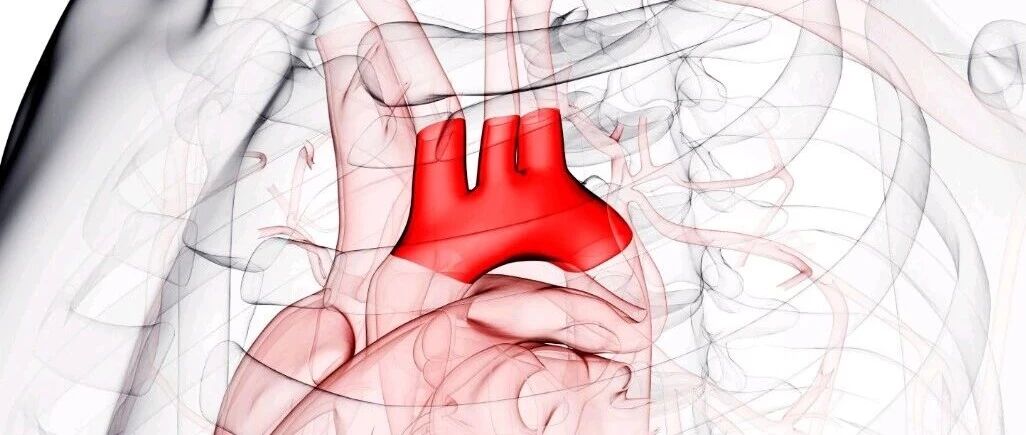
Core Viewpoint - The announcement of two innovative interventional devices receiving Breakthrough Device Designation from the FDA is a significant signal in the context of medical device regulation and industry trends, highlighting the potential for accelerated market entry and addressing unmet clinical needs [2][3]. Group 1: FDA Breakthrough Device Designation - The selection rate for the FDA's Breakthrough Device program is extremely low, with less than 1% of recognized products being from Chinese interventional device companies since its establishment in 2015. Achieving two selections within a short timeframe is rare both domestically and globally [3]. - Products that receive this designation enter an "accelerated pathway," which shortens the time to market by providing three key supports during the R&D and registration phases. However, designation does not equate to market approval, as further clinical trials and pre-market approval applications are still required [4][5]. Group 2: Innovative Device Details - Hector® is designed for fully endovascular treatment of aortic arch multi-branch lesions, addressing a significant clinical gap as there are currently no commercial products available for this indication globally. The device aims to reconstruct the aorta and three major branch arteries in a single endovascular procedure [4][8]. - APOLLO Dream® is the first FDA-recognized drug-eluting stent for treating intracranial atherosclerotic disease (ICAD), which is a major cause of stroke, particularly in East Asian populations. The device is designed for patients with severe stenosis who do not respond to optimal medical therapy [9]. Group 3: Clinical Needs and Market Potential - Both devices target serious or disabling diseases with long-standing unmet clinical needs, as existing treatment options have significant limitations [4][9]. - The clinical demand for these devices is underscored by the high risk of stroke recurrence in patients with severe intracranial artery stenosis, where the risk can exceed 20% within a year despite treatment [9]. Group 4: Company Strategy and Globalization - The dual recognition of these devices reflects the ongoing evolution of multi-track technology platforms within the companies involved, indicating a robust development pipeline in their respective fields [11]. - The micro-invasive group's overseas business has been growing rapidly, with significant revenue increases reported in various international markets, showcasing the potential for scale effects in commercialization [12][15]. Group 5: Innovation and Regulatory Strategy - The micro-invasive group emphasizes continuous technological innovation, with a focus on establishing a global presence through compliance with both Chinese and U.S. regulatory frameworks. This approach enhances the company's R&D capabilities and clinical research proficiency [16][18].

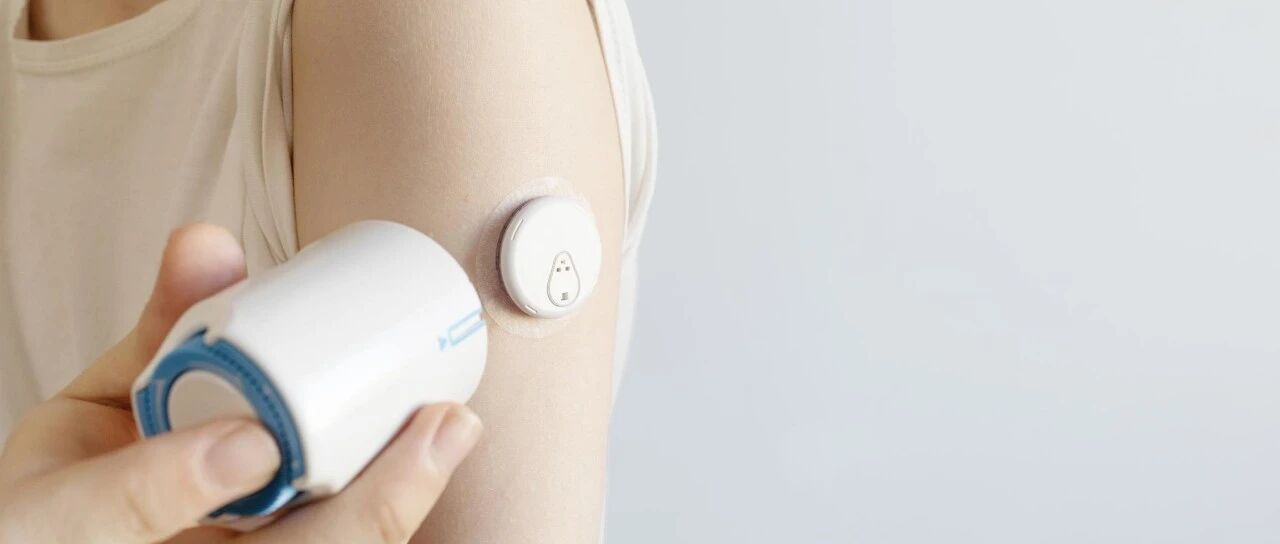
ATTD 2026:CGM、胰岛素泵与AI的最新进展
思宇MedTech· 2026-03-19 02:39
2026年3 月11日至14日,在西班牙举办的第19届糖尿病先进技术与治疗大会(ATTD 2026)集中展示了全 球糖尿病器械领域的最新进展。 从披露内容来看,本届大会的重点并不在单一产品突破,而是集中在几个方向: 这些变化共同指向一个趋势: 糖尿病器械竞争,正在从"单设备",转向"系统解决方案"。 连续血糖监测(CGM)持续迭代 自动胰岛素输注系统(AID)加速成熟 AI与数据算法进一步嵌入治疗流程 文 章来源 : 思 宇Me dTec h 转载要求:可以直接转载,请在文首注明来源 # 从CGM到闭环系统:产品正在走向一体化 过去十年,糖尿病器械的核心创新主要集中在两个方向: 代表企业包括Dexcom、雅培、Insulet等。 血糖监测(CGM) 胰岛素输注(泵) 但在ATTD 2026上,可以看到一个更加明确的趋势: 两类设备正在被整合为一个系统。 所谓自动胰岛素输注系统(AID),本质上是一个闭环: 这一模式的核心变化在于: 患者从"手动管理",转向"系统自动管理"。 随着算法与传感器精度提升,这一闭环正在逐步从1型糖尿病扩展至2型糖尿病人群。 例如在AID系统中,算法需要实时判断: 这意味着: 算法本 ...