
脑机接口

Search documents
精准意念操控!中国团队破解脑机接口通用性难题
第一财经· 2025-09-11 04:26
Core Insights - A recent brain-computer interface (BCI) research achievement from a Chinese research team has gained attention, showcasing a versatile implantable flexible BCI system that can control over 20 digital physical devices through thought [3][5] - The study indicates that the information transmission rate (BPS) of patients using this BCI system is comparable to that of subjects from Neuralink, with a maximum bit rate of 4.15 bits per second achieved after extensive training [3][5] Group 1: Research and Development - The BCI system developed by Brain Tiger Technology, in collaboration with the Shanghai Institute of Microsystem and Information Technology and Huashan Hospital, has achieved long-term stable implantation and addresses the universality challenge in BCI technology [3][5] - The system's high compatibility with the XessOs operating system allows users to control complex games, smart wheelchairs, smart homes, and various applications, indicating significant clinical application potential [3][5] Group 2: Market and Industry Outlook - The year 2025 is anticipated to be a pivotal year for BCI technology, with Chinese government departments aiming for breakthroughs in key technologies by 2027, potentially benefiting 1 to 2 million patients [5][6] - The BCI technology's primary applications include neuro-rehabilitation, prosthetic control, and emotional regulation, with potential uses in treating conditions like epilepsy and Parkinson's disease [5][6] Group 3: Regulatory and Competitive Landscape - China's planning for BCI technology development is noted to be the most comprehensive globally, integrating industry planning, medical regulation, and research oversight into a cohesive action plan [6] - The Chinese model aims to streamline regulatory processes, potentially reducing the time from laboratory to market compared to the U.S. model, which faces stringent compliance challenges [6] Group 4: Broader Applications and Ethical Considerations - Beyond medical applications, Chinese BCI companies are exploring consumer markets, with potential applications in industrial production, education, gaming, sleep assistance, psychological therapy, and autonomous driving [7] - Experts caution about privacy risks associated with BCI technology, emphasizing the need for strict data privacy and ethical review mechanisms to protect brain data [7]

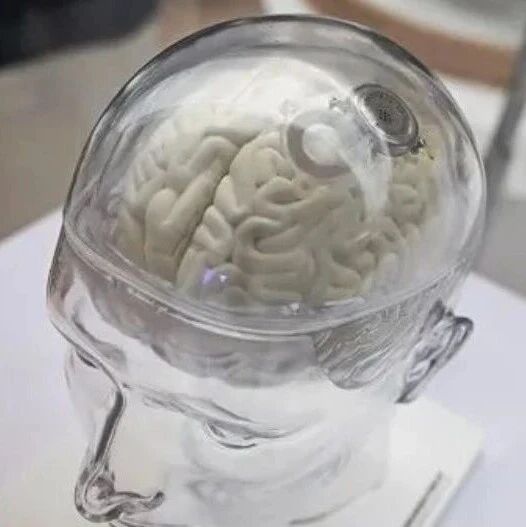
精准意念操控!中国团队破解脑机接口通用性难题,距离临床应用还有多远
Di Yi Cai Jing· 2025-09-11 02:51
Core Viewpoint - The research on a universal implantable flexible brain-machine interface (BMI) system developed by a Chinese team demonstrates significant advantages over existing technologies, including high resolution, long-term stability, and low invasiveness, with potential applications in various clinical scenarios such as motor and speech rehabilitation [1][2]. Group 1: Company Developments - The universal implantable flexible BMI system can precisely control over 20 types of digital and physical devices, showcasing its broad clinical application prospects [1]. - The founder of Brain Tiger Technology reported that after 25,412 training tasks, the highest information transmission rate achieved by patients was 4.15 bits per second, comparable to the performance of subjects reported by Neuralink [1][2]. - As of September 10, Neuralink has implanted devices in 12 patients, with a total of 2,000 days of implantation and over 15,000 hours of usage [2]. Group 2: Industry Trends - The Chinese government has set ambitious goals for the brain-machine interface industry, aiming for breakthroughs in key technologies by 2027, with an estimated 1 to 2 million patients benefiting from assistive technologies [2][3]. - The development plan for brain-machine interfaces in China is considered the most comprehensive globally, integrating industry planning, medical regulation, and research supervision into a unified approach [3]. - The market potential for non-invasive brain-machine interface products in China is significant, with applications expected in various sectors including industrial production, education, gaming, sleep assistance, psychological therapy, and autonomous driving [4].
多重利好因素共振,脑机接口产业链投资机会凸显
3 6 Ke· 2025-09-11 00:18
Core Viewpoint - The brain-computer interface (BCI) industry is gaining significant attention due to strong policy support and continuous technological breakthroughs, indicating a clear path for application scenarios [1] Industry Summary - The Wind data shows that the BCI concept index rose by 0.32% on September 10, with a noticeable upward trend recently [1] - Key stocks in the index include Meihao Medical, which surged by 6.98%, and Kunlun Wanwei, which increased by 4.71%, along with other companies like Innovation Medical and Sino Medical also showing gains [1] - Analysts believe that BCI technology has become a strategic high ground in global technological competition [1] Application Scenarios - Neurorehabilitation and motor function restoration are expected to be among the first invasive BCI applications to achieve industrialization and commercialization [1] - The BCI industry in China is anticipated to enter a golden development period [1]
多重利好因素共振 脑机接口产业链投资机会凸显
Zhong Guo Zheng Quan Bao· 2025-09-10 22:21
Core Insights - The brain-computer interface (BCI) industry is gaining significant attention due to strong policy support and technological breakthroughs, with a notable increase in the BCI concept index by 0.32% as of September 10, indicating a clear upward trend in the market [1] Industry Developments - Neuralink, led by Elon Musk, reported that 12 individuals have implanted their devices, accumulating over 15,000 hours of usage, and is set to begin human trials after receiving FDA approval in 2024 [2] - In China, Nanjing Shanhai Medical Technology's "Functional Neurosurgery Electrophysiological Recording and Stimulation Device" has become the first domestically approved Class III BCI medical device, marking a significant milestone in invasive BCI technology [2] - A collaborative effort in Shanghai has achieved clinical breakthroughs in Chinese language decoding for BCIs, potentially improving treatment for patients with speech impairments due to conditions like ALS and stroke [2] Policy Support - In early 2024, the Ministry of Industry and Information Technology and six other departments identified BCI as a key future industry, with ethical guidelines established to ensure research serves public health needs [3] - By 2025, a joint initiative aims to achieve breakthroughs in BCI technology by 2027, establishing advanced technical, industrial, and standard systems, and expanding applications across various sectors [3] Commercialization Prospects - Analysts suggest that the global BCI research surge initiated by Neuralink is fostering rapid development in the overseas BCI industry, while domestic companies are actively pursuing BCI business opportunities, indicating a promising outlook for commercialization [4] - BCI technology is seen as a frontier that merges life sciences and information sciences, with continuous innovation and industry growth expected [4] - The medical health sector is projected to reach a global market size of $6.5 billion by 2035, with applications primarily in treating motor disorders, epilepsy, cognitive impairments, mental health issues, and sensory deficits [5] Market Trends - Non-invasive BCI products are expected to see the fastest penetration due to their safety and ease of use, while invasive BCIs are focused on high-precision applications in areas like epilepsy and developmental disorders, indicating significant market potential [6] - The current market is primarily driven by thematic investments, with opportunities for investment along the BCI industry chain being highlighted [6]
多重利好因素共振脑机接口产业链投资机会凸显
Zhong Guo Zheng Quan Bao· 2025-09-10 20:18
Core Insights - The brain-computer interface (BCI) industry is gaining significant attention due to strong policy support and technological breakthroughs, with a notable increase in the BCI concept index as of September 10, showing a rise of 0.32% [1] - Analysts view BCI technology as a strategic area of global technological competition, with applications in neural rehabilitation and motor function restoration expected to lead the commercialization efforts [1] Industry Catalysts - Neuralink, led by Elon Musk, reported that 12 individuals have implanted their devices, accumulating over 15,000 hours of usage, and is set to begin human trials following FDA approval in 2024 [1] - In China, significant technological advancements have been made in invasive BCI medical equipment, with Nanjing Shanhai Medical Technology's device receiving approval as the first domestically approved Class III BCI medical device [1][2] Policy and Future Development - The Ministry of Industry and Information Technology and six other departments plan to promote BCI as a key future industry, aiming for breakthroughs in key technologies by 2027 and establishing advanced technical, industrial, and standard systems [3] - The introduction of ethical guidelines for BCI research emphasizes the importance of ensuring social value and focusing on repair-type BCI technologies to meet public health needs [2] Commercialization Prospects - The BCI industry is experiencing rapid development, with domestic companies actively pursuing BCI business layouts and various technological applications emerging, indicating a promising future for commercialization [3][4] - The healthcare sector is identified as the core market for BCI applications, with projections estimating a global market size of $6.5 billion by 2035, covering areas such as motor disorders, epilepsy, cognitive disorders, and sensory deficits [4] - Non-invasive BCI products are expected to see the fastest market penetration due to their safety and ease of use, while invasive products are focused on high-precision applications in critical medical fields [4]
哈佛博士休学创业给残疾人做十年假肢:用脑机接口技术书写杭州六小龙传奇
36氪· 2025-09-10 13:35
Core Viewpoint - BrainCo, founded by Han Bicheng, focuses on non-invasive brain-computer interface (BCI) technology to help individuals with disabilities regain control and improve their quality of life, marking significant advancements in the field of neurotechnology [3][9]. Company Development - Han Bicheng began his journey in the field of neuroscience at Harvard University, where he was inspired to create BrainCo after witnessing groundbreaking BCI experiments [3][4]. - The company was established in a basement, and within a year and a half, it achieved a technological breakthrough that allowed amputees to control prosthetic limbs using their thoughts [6][9]. - By 2020, BrainCo had developed a product that enabled users to control prosthetic fingers independently, receiving positive feedback from users [6][9]. Market Potential - The global market for brain-computer interfaces is projected to reach $400 billion by 2045 in the U.S. medical market alone, with even broader opportunities worldwide [20]. - In China, BCI technology has been included in the "14th Five-Year Plan," highlighting its importance for national security and development [20]. Technological Pathways - BrainCo chose a non-invasive approach to BCI technology, focusing on developing super sensors that capture brain signals without the need for surgical procedures, contrasting with Neuralink's invasive methods [14][16]. - This decision allows BrainCo to prioritize safety, accessibility, and cost-effectiveness, enabling rapid deployment in various applications such as prosthetic control and cognitive rehabilitation [14][16]. Product Ecosystem - BrainCo has built a diverse product ecosystem that includes smart prosthetic hands, attention training systems, sleep intervention devices, and autism rehabilitation solutions, expanding the application boundaries of BCI technology [16][18]. - The company achieved mass production of 100,000 units of its BCI products in 2022, breaking through the limitations of laboratory testing [16][21]. Social Impact - The company has significantly impacted the lives of amputees, allowing them to perform daily activities and regain independence [9][12]. - A project initiated by the Zhejiang Provincial Disabled Persons' Welfare Foundation aims to provide funding for installing BrainCo's smart prosthetics for individuals with limb disabilities, demonstrating a collaborative approach to social responsibility [23][25]. Competitive Landscape - BrainCo and Neuralink represent two distinct approaches in the BCI industry, with BrainCo focusing on practical applications and commercial viability, while Neuralink pursues high-risk, high-reward innovations [16][21]. - The contrasting business models highlight the importance of scalability and multi-scenario applications in the upcoming industry reshuffle [21].
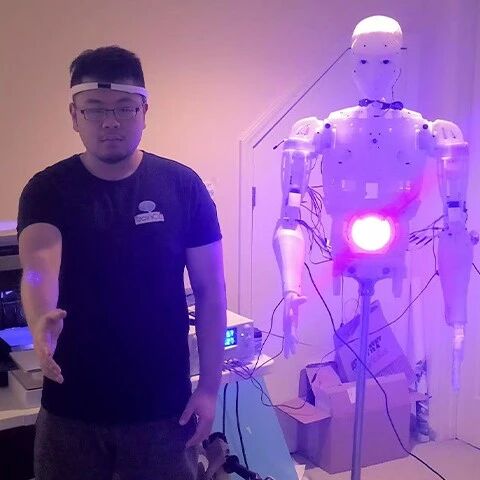
哈佛博士休学创业给残疾人做十年假肢:用脑机接口技术书写杭州六小龙传奇
3 6 Ke· 2025-09-10 13:35
Core Insights - The article highlights the journey of BrainCo, founded by Han Bicheng, focusing on non-invasive brain-computer interface (BCI) technology aimed at addressing neurological disorders and enabling next-generation thought control technology [1][3][5] Company Development - BrainCo was established in 2015 after Han Bicheng's extensive research in the BCI field at Harvard University, where it became the first incubated project led by Chinese individuals [1] - The company achieved a significant technological breakthrough in 2020, allowing amputees to control prosthetic limbs using their thoughts, with independent finger movement capabilities [3][5] - By 2022, BrainCo successfully scaled production of its BCI products, achieving a milestone of 100,000 units, and received FDA certification for its smart prosthetics, marking its entry into international markets [11][14] Market Potential - The global BCI market is projected to reach $400 billion by 2045 in the U.S. medical sector alone, with China recognizing BCI technology as a core area in its 14th Five-Year Plan [13] - BrainCo is preparing for an IPO, potentially in Hong Kong or the Sci-Tech Innovation Board, indicating its readiness to capitalize on the growing market opportunities [13][14] Competitive Landscape - BrainCo and Neuralink represent two distinct approaches in the BCI industry: Neuralink focuses on invasive technology for high-quality signal acquisition, while BrainCo emphasizes non-invasive methods for broader accessibility and safety [9][11] - The contrasting strategies highlight the industry's bifurcation, with BrainCo's practical applications and commercial viability appealing to investors seeking lower-risk opportunities [14][15] Social Impact - BrainCo's technology has significantly improved the lives of thousands of amputees, enabling them to regain independence and dignity, exemplified by the installation of smart prosthetics for individuals in Zhejiang Province [15][17] - The company's success reflects China's growing innovation capabilities in advanced technology and offers a unique model for integrating social responsibility with technological advancement [17]

马斯克旗下脑机公司:已为全球12人植入芯片
财联社· 2025-09-10 06:28
Core Viewpoint - Neuralink has made significant progress in its brain-machine interface technology, with 12 patients having undergone trials of its N1 chip, totaling over 15,000 hours of usage [1][4]. Progress - Neuralink was founded in 2016 with the aim of developing high-bandwidth, minimally invasive brain-machine interface devices for direct communication between the human brain and computers [5]. - The company received FDA approval to begin human trials in 2024 after addressing safety concerns raised by the agency, which had previously rejected its application in 2022 [5]. - In June, Neuralink completed a $650 million Series E funding round, raising its valuation to $9 billion, moving towards a target of $10 billion [6]. - In July, Neuralink announced plans to conduct clinical trials in the UK to test how its chip can assist severely paralyzed patients in controlling digital and physical tools through thought, in collaboration with University College London Hospital and Newcastle Hospital [7]. - Elon Musk indicated that Neuralink may attempt to restore partial vision for visually impaired patients as early as 2026, with the first successful implantation of its "Telepathy" device occurring outside the US [7].
脑机接口中文解码实现临床突破 失语患者有望“借机”重获“新声”
Ke Ji Ri Bao· 2025-09-09 23:55
Core Insights - The collaboration between Shanghai Yansi Brain-like AI Research Institute, Huashan Hospital, and other institutions has achieved a clinical breakthrough in brain-computer interface (BCI) Chinese decoding, potentially improving treatment for patients with speech impairments due to diseases like ALS and stroke [1][2][3] Group 1: Clinical Breakthrough - The implanted brain electroencephalogram (EEG) model allows patients to convert thoughts into audible speech, marking a significant advancement in BCI technology [2][3] - A patient underwent training for 100 minutes, during which the model was able to output coherent sentences after reading 54 Chinese characters, demonstrating the model's efficiency [2][3] Group 2: Technical Achievements - The model can decode Chinese, which has a higher complexity than English, achieving a decoding accuracy of over 83% for 10 consonants and over 84% for 15 vowels [3] - The model's extrapolation capability is 1:36, allowing for high accuracy and strong decoding performance [3] Group 3: Future Applications - The technology aims to enable patients with speech impairments to communicate naturally, significantly enhancing their quality of life [4][5] - The establishment of the iBRAIN EEG data alliance aims to create a standardized, shared invasive intracranial EEG database, facilitating data sharing and improving BCI technology [5][6] Group 4: Broader Implications - The open sharing platform will support multi-domain research, potentially aiding in understanding brain activity related to motor signals and emotional signals, with implications for various languages [6]
脑机接口“接”入现实要多久?
Bei Jing Ri Bao Ke Hu Duan· 2025-09-08 02:31
Core Insights - Brain-computer interface (BCI) technology is advancing rapidly, enabling applications such as controlling robotic arms and playing video games through brain waves [1][2] - The BCI industry is experiencing explosive growth, with significant improvements in decoding, control, and regulation capabilities, positioning it as a key driver for future industrial directions [1] Technology Development - BCI systems typically consist of three components: signal acquisition, signal analysis, and device control, categorized into non-invasive and invasive technologies [1] - Non-invasive BCI technology is relatively mature and has seen applications in stroke rehabilitation, fatigue monitoring, and brain health assessment in China, with further expansion needed [1] - Invasive BCI technology captures high-quality single-neuron signals and is progressing through various technical routes, entering clinical trial phases [1][2] Industry Trends - China is at a critical juncture in transitioning BCI technology from laboratory research to industrial application, with a shift from "perception-control separation" to "closed-loop control and interactive perception" [2] - The government has set development goals for the BCI industry, aiming for high-quality growth and the establishment of a new industrial track by 2027 and 2030 [2] Regional Development - A collaborative development framework has been established in China, integrating policy guidance, technological research, ethical standards, and a standard system, with regional clusters forming in Beijing, Shanghai, and Guangdong [3] - Key enterprises and research institutions are achieving breakthroughs in critical areas such as invasive electrode systems and closed-loop stimulation systems, narrowing the gap with international standards [3] Future Outlook - The BCI technology is expected to enter a "3.0 era" in the next 3 to 5 years, characterized by integrated perception and control, system intelligence, and interactive fusion [3] - Applications of BCI technology are expanding into medical communication assistance, neurorehabilitation, emotional monitoring, cognitive training, and home automation, indicating a broadening of use cases [3]