
高等教育

Search documents
中国难度最被低估的高考大省,不是河南,不是山东
Hu Xiu· 2025-06-07 12:38
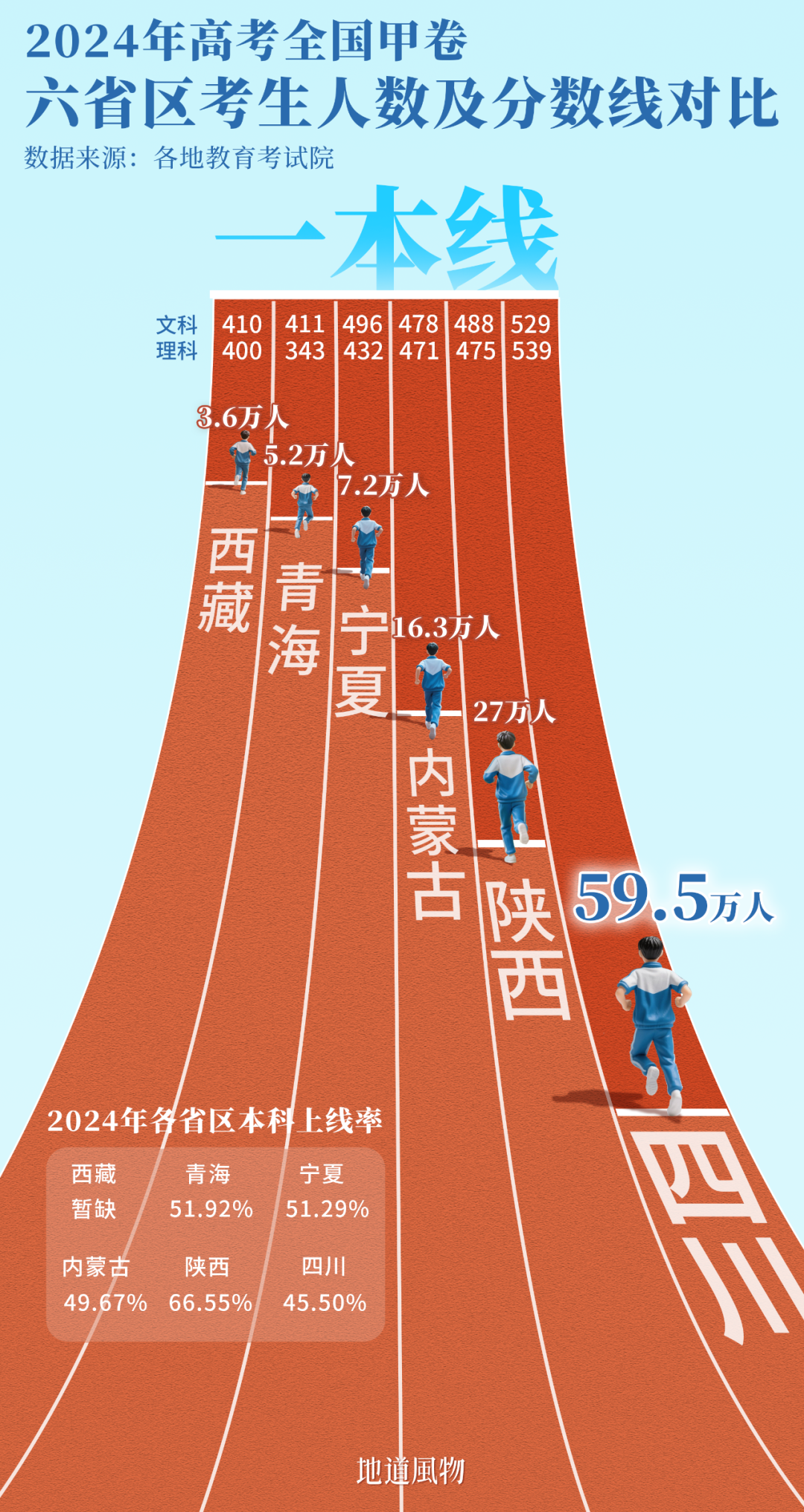
那么,四川考生想考上本科究竟为什么这么难? 一、四川考生不拼命真的上不了一本 2025年高考开始了。全国1335万考生将正面迎接迈向成年阶段的第一次重大挑战。 说起高考难度,各省都有一本难念的经。河南报名考生人数连年百万起步,广东985和211大学录取率常年全国倒数,安徽坐拥"亚洲最大的高考工厂",江 苏考题难到让外地学生直呼跳过不看……而当四川人说:"爪子嘛,我们高考还不是很难!"各省齐齐投来不屑的目光:"你们不是用全国三卷吗?" 不管全国三卷是不是真的不难,在四川想考上大学可绝不是件容易的事。四川集合了考生多,省内好学校少,区域教育资源分布不均等难题于一身,妥妥 的"高考地狱模式"。如果按照统考人数计算,四川省2024年高考本科录取率只有38%,一本上线率17.42%,都是全国倒数,如果按照报名人数计算本科录 取率,四川更是直接变成全国倒数第一。如果你身边有来自四川的同学,那么请你珍惜TA吧,因为你根本不知道TA挤掉了多少人才能够站在你面前。 据考前预估,四川今年约有85万考生报名。同时,今年是四川首次采用"3+1+2"新高考模式,到底谁能够杀出重围,还是一个未知数。 早几年,四川和贵州、广西、西藏、云南 ...

“高考”作文,广东县镇村以实践“解题”!
Nan Fang Nong Cun Bao· 2025-06-07 08:05
"高考"作文,广 东县镇村以实 践"解题"!_南方 +_南方plus 2025年高考作文 出炉,迅速引发 全网热议。不怕 上难度,就怕没 思路。"高 考"(高质量发展 大考)战力爆表 的广东县镇村, 也来提供"解 题"思路!且看广 东如何以"百县千 镇万村高质量发 展工程"提纲挈 领,作答今年每 一道高考作文试 题—— 全国一卷 阅读下面的材 料,根据要求写 作。 他想要给孩子们 唱上一段,可是 心里直翻腾,开 不了口。 ——老舍《鼓书 艺人》(见全国 一卷阅读II) 假如我是一只 鸟, 我也应该用嘶哑 的喉咙歌唱 ——艾青《我爱 这土地》 我要以带血的手 和你们一一拥 抱, 因为一个民族已 经起来 ——穆旦《赞 美》 以上材料引发了 你怎样的联想和 思考?请写一篇 浪,也发出了振 聋发聩的时代强 音,朝着"再造一 个新广东"的目标 砥砺前行。以集 成式改革为动力 源,广东百县千 镇万村纷纷交出 解题"答卷" 。 文章。 材料解读:老舍 笔下的"想唱却开 不了口",指向一 种难题或困局; 艾青笔下的"嘶哑 喉咙歌唱",象征 着在困境中的努 力发声;穆旦笔 下的"带血的手拥 抱",则象征着以 实践破局的力 量。 ...

民进先贤郑晓沧:守护烽火中的“课桌” 推开现代教育之门
Zhong Guo Xin Wen Wang· 2025-06-07 01:45
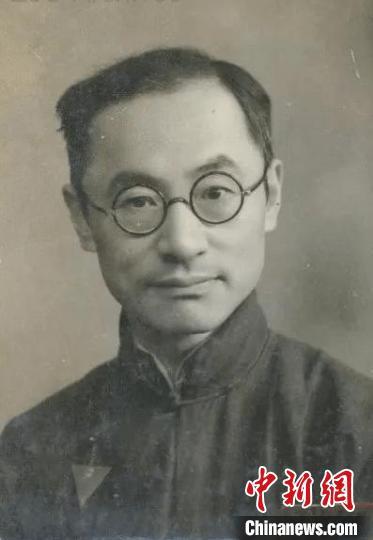
Core Viewpoint - The article highlights the life and contributions of Zheng Xiaocang, a pioneer in modern education in China, emphasizing his role in promoting educational ideals during challenging times, particularly during the Anti-Japanese War [2][6][7]. Group 1: Early Life and Education - Zheng Xiaocang was born in 1892 in Haining, Zhejiang, and became a significant figure in modern education, serving as a central committee member of the China Democratic League [2]. - He graduated from Tsinghua School in 1914 and studied under the renowned educator John Dewey in the United States, returning to China to implement his educational ideals [2]. Group 2: Contributions During the War - In 1939, amidst the Second Sino-Japanese War, Zheng Xiaocang co-founded the Longquan Branch School in Guizhou to provide education for students from occupied areas, emphasizing the importance of education in times of crisis [2][5]. - The Longquan Branch School operated under difficult conditions, lacking basic amenities, yet fostered a strong educational environment where teachers and students engaged in interactive learning [5][6]. Group 3: Educational Philosophy and Legacy - Zheng Xiaocang's educational philosophy focused on the dual development of academic knowledge and moral character, advocating for a mentor-student interaction model [5][6]. - He played a crucial role in shaping the educational landscape in New China post-war, emphasizing the importance of teachers as role models and instilling a sense of national pride in students [6][7]. - As one of the founders of modern education in China, Zheng Xiaocang's works included translations of Western educational classics and the integration of local educational traditions, reflecting a blend of Western and traditional Chinese educational values [7].
【环时深度】全球留学格局或迎来“大洗牌”
Huan Qiu Shi Bao· 2025-06-06 22:34
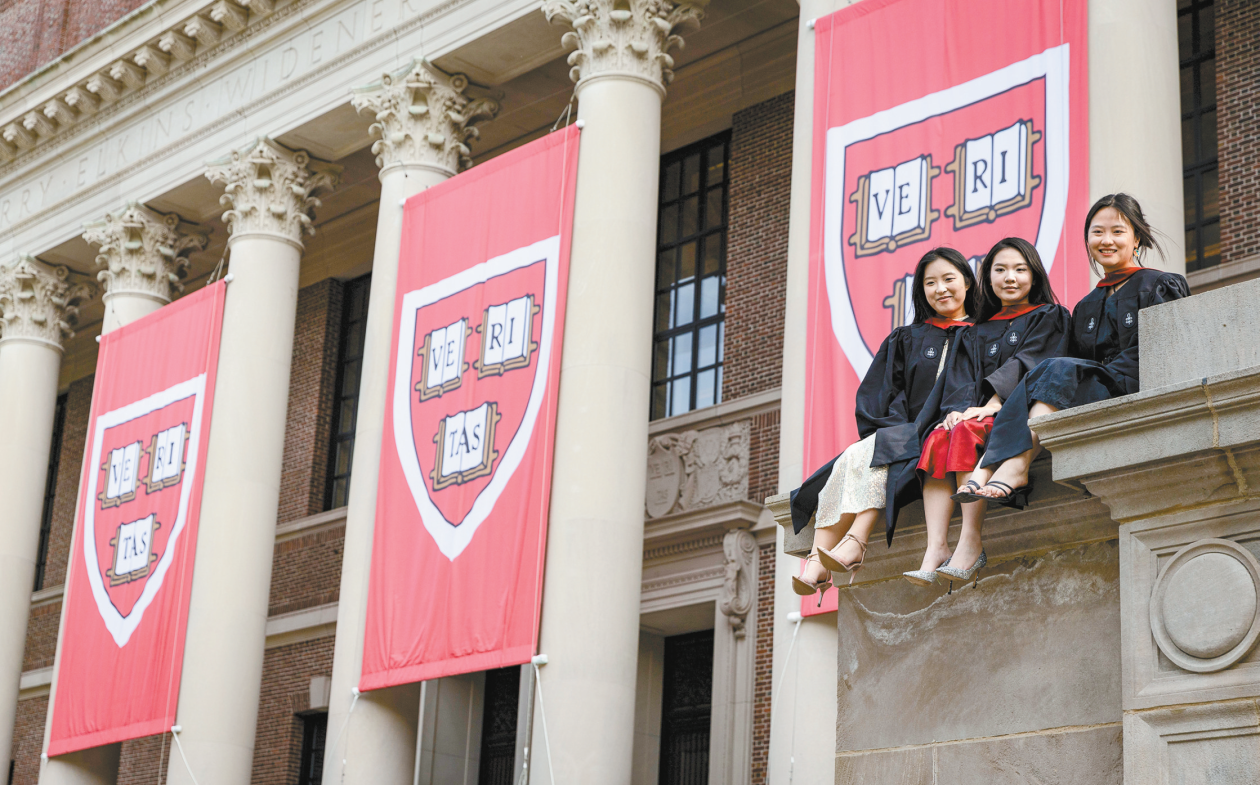
Core Viewpoint - The recent fluctuations in U.S. policies regarding international students have created uncertainty in the global study abroad industry, particularly affecting Chinese students and educational institutions [1][3][12]. Group 1: Impact on Students - Many international students are experiencing anxiety due to the unpredictable nature of U.S. policies, with some considering alternative study plans in other countries [3][4][13]. - A significant decline in the number of younger students applying for U.S. studies has been observed, with a drop of at least 50% in applications for younger students [13][14]. - Students are increasingly looking at multiple countries for their education, with a notable shift towards institutions in Hong Kong, Singapore, and Australia [15][19]. Group 2: Economic Contributions - International students contribute approximately $44 billion to the U.S. economy and support over 378,000 jobs [7][10]. - The potential loss of 1.1 million international students could have severe financial implications for U.S. higher education institutions, affecting their budgets and operational capabilities [7][9]. Group 3: Institutional Responses - U.S. universities are facing three main concerns: financial impact, talent loss, and cultural implications due to the declining number of international students [9][12]. - Institutions in Hong Kong and other countries are actively seeking to attract international students displaced by U.S. policy changes, with some universities reporting increased inquiries and applications from affected students [17][19]. Group 4: Policy Implications - The U.S. government's restrictive policies on international students are seen as a contradiction to its goals of attracting global talent and fostering innovation [11][12]. - The current U.S. administration's approach is characterized by a nationalist sentiment that may hinder the country's international reputation as a welcoming destination for students [12][19].
香港科技大学已录取两位哈佛转校生
券商中国· 2025-06-06 15:46
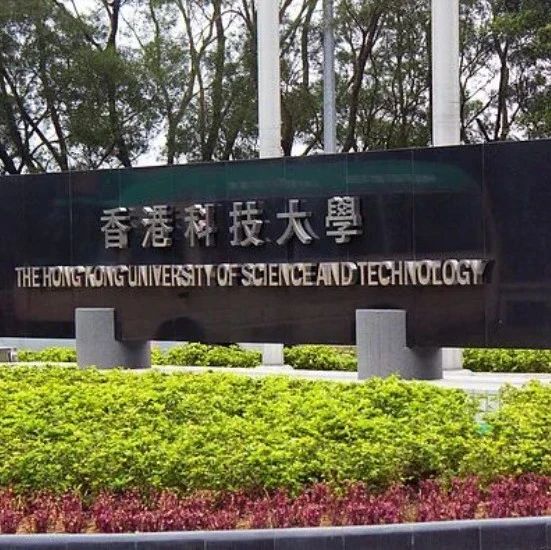
香港科技大学自上月公布为受美国政策影响的留学生提供支援措施以来,已陆续收到数十宗准备前往哈佛升学 或正在当地就读的学生查询。 目前,港科大正处理数宗转学申请, 并已向其中两位哈佛研究生发出录取通知,他们分别涉及"科学与科 技"及"跨学科"领域的研究。 港科大表示,将继续密切留意情况,并衷心期望哈佛大学及美国高教界所面对的 挑战得以解决。 早前,香港特区行政长官李家超曾在记者会上表示,香港将全力协助因在美国遭受歧视与不公平对待而面临求 学、升学困难的留学生,并欢迎他们来香港继续学业。他还表示,为吸纳这些优秀学生,如有需要将考虑增加 香港的非本地生学额。 香港科技大学、香港大学、香港中文大学等多所香港高校也宣布,会为受影响的在美留学生提供支援,包括专 属转学通道、来港短期及长期学习援助、奖学金及各式安排,并陆续收到不少查询。 当地时间5月22日,美国国土安全部表示,特朗普政府已暂停哈佛大学招收国际学生的资格。美国国土安全部 部长克里斯蒂·诺姆在致哈佛大学的一封信中表示,哈佛大学的学生和交流访问者项目(SEVP)认证即日起 被撤销。此举意味着哈佛大学将无法再招收国际学生,现有的外国学生必须转学,否则将失去合法身份。 ...
俄罗斯大学挂科,要被送上战场?
Hu Xiu· 2025-06-06 14:04
Core Viewpoint - The Russian government is reportedly considering a controversial plan to recruit students who fail their courses into military service, raising concerns about the implications for education and military recruitment in the country [1][5][30]. Group 1: Recruitment Plan - Students at Ural Federal University are facing a choice between expulsion or signing a military contract to participate in the "special military operation" [1][2]. - This initiative is not limited to Ural Federal University; universities across Sverdlovsk Oblast have received similar communications from the regional education department [2]. - The plan appears to be a local government initiative rather than a formal policy, as it is not mandatory for students [5][6]. Group 2: Public Reaction and Implications - The proposal has sparked outrage among students and the public, with some media outlets labeling it a "scandal" [6][12]. - The Ural Federal University has expressed dissatisfaction with the plan, emphasizing its role in training skilled professionals for the economy rather than military recruitment [13][14]. - The effectiveness of this recruitment strategy is questionable, as many students facing expulsion may not value their degrees highly enough to risk their lives for them [14][21]. Group 3: Military Recruitment Context - The Russian military is reportedly struggling with recruitment, relying increasingly on rural populations and those in poverty to fill its ranks [22][24]. - The average monthly salary for contract soldiers is over 200,000 rubles (approximately 20,000 RMB), with additional one-time compensation for volunteers [25]. - The government faces significant financial burdens due to military expenditures, which amount to approximately 11 trillion rubles annually [29]. Group 4: Historical Context and Future Outlook - Previous military mobilizations have caused widespread fear and uncertainty among the population, with students often seeking higher education as a means to avoid conscription [32][36]. - If the current trend of military recruitment continues, students who fail their courses may become direct targets for future mobilizations [34][38].
预算1.10亿元!复旦大学近期大批仪器采购意向
仪器信息网· 2025-06-06 06:03
Core Viewpoint - Fudan University has announced procurement intentions for 24 items of laboratory equipment, with a total budget of 110 million yuan, scheduled for procurement between January and July 2025 [1][2]. Procurement Overview - The procurement includes high-resolution long-term fluorescence microscopes, ultra-high vacuum sample preparation systems, ultra-high vacuum low-temperature strong magnetic field scanning tunneling microscopes, and systems for the growth and preparation of two-dimensional materials in ultra-high vacuum [2][3]. - The total budget for the procurement is 110 million yuan, with specific items and their respective budgets detailed in the document [2][3]. Specific Equipment and Budget - High-resolution long-term fluorescence microscope: 202 million yuan, required for integrated imaging systems with advanced optical paths and environmental interference elimination [3]. - Gas phase liquid nitrogen tanks: 195 million yuan, for long-term preservation of biological samples at temperatures below -180°C [3]. - Ultra-high vacuum low-temperature strong magnetic field scanning tunneling microscope: 400 million yuan, for atomic-scale characterization of two-dimensional materials [3]. - Network analyzer: 840 million yuan, aimed at high-frequency and ultra-high-frequency testing for photonic and terahertz devices [5]. Additional Equipment - Multi-dimensional energy metabolism measuring instrument: 140 million yuan, designed for high precision and stability in measuring energy metabolism in various cell types [5]. - Dual-energy X-ray bone densitometer: 125 million yuan, for clinical screening and analysis of bone density and composition [5]. - ATE testing machine: 1000 million yuan, for advanced chip testing and verification [6]. Procurement Timeline - The expected procurement period is set for January to July 2025, with specific timelines for each item outlined in the procurement intentions [2][4].

国内“世界一流建设高校”中首个合成生物学院成立!
仪器信息网· 2025-06-06 06:03
导读: 我国首个合成生物学院在天津大学揭牌,将聚焦科研突破与人才培养,推动合成生物学发展。 特别提示 微信机制调整,点击顶部"仪器信息网" → 右上方"…" → 设为 ★ 星标,否则很可能无法看到我 们的推送。 近日, 天津大学合成生物与生物制造学院正式揭牌。据悉,这是我国"世界一流建设高校"中 首个合成生物学院 ,也是天津大学统筹推进教育科技人才体制机制一体改革的重要举措。 新成立的合成生物与生物制造学院将整合多学科资源,用人工智能赋能教学科研,搭建全方位 的人才培养与科研创新平台。 科研方面,学院力争实现前瞻性基础研究和引领性原创成果的重 大突破,在部分方向实现领跑;产出一批共性关键技术、前沿引领技术、颠覆性创新技术,为 我国医药健康、能源材料、生物育种和环境治理等提供科技支撑。人才培养方面,学院突破学 科限制,建立完善的专业动态调整机制,设立交叉学科课程及实践课题,为学生参与跨学科学 习和研究创造条件;还将探索"以任务带学科,以任务聚人才"的培养模式,通过重大任务和重 点项目,开展研究性项目式教学,所有学生都将参与科研项目训练,构建多学科贯通的知识体 系,形成多维能力;同时,将汇聚全球优质资源,为拔尖学 ...

香港教育局答南都:已联系哈佛大学香港校友会为学生提供支持
Nan Fang Du Shi Bao· 2025-06-06 04:37
Core Points - The U.S. government has announced visa restrictions for international students at Harvard University, which has raised significant concerns [1][2] - The Hong Kong Education Bureau is actively encouraging local universities to provide support for affected students and attract top talent [2][3] Group 1: U.S. Government Actions - The Trump administration previously revoked Harvard's eligibility for student and exchange visitor programs, prohibiting the university from enrolling international students [2] - Harvard University has condemned the government's actions as illegal retaliation and pledged to protect its international students [2] Group 2: Hong Kong's Response - The Hong Kong Education Bureau is urging all local universities to facilitate measures for eligible students and maintain their rights [2][3] - The Bureau has reached out to the Harvard Alumni Association in Hong Kong to provide comprehensive support for students admitted to Harvard [3] - Hong Kong's education system is ranked among the top five globally, with a strong emphasis on internationalization and diversity, making it an attractive destination for global students [3]

习近平主持召开中央全面深化改革委员会第二十四次会议强调加快建设世界一流企业 加强基础学科人才培养 李克强王沪宁韩正出席
Xin Hua Wang· 2025-06-06 03:16
Group 1 - The meeting emphasized the need to accelerate the construction of world-class enterprises with excellent products, renowned brands, leading innovation, and modern governance [2][3] - It highlighted the importance of supporting and guiding leading enterprises and specialized innovative companies to deepen reforms and strengthen innovation capabilities [3] - The meeting called for a focus on enhancing the innovation system of state-owned enterprises, promoting the integration of innovation chains and industrial chains, and improving their ability to supply original technology [2][6] Group 2 - The meeting discussed the progress of inclusive finance since the implementation of the "Inclusive Finance Development Plan (2016-2020)", noting improvements in financial service coverage, accessibility, and satisfaction [4] - It stressed the need for structural reforms in financial supply to allocate more resources to key areas and weak links, particularly for small and micro enterprises [4] - The meeting also called for optimizing the financial institution system and enhancing the functions of insurance and capital markets to support sustainable financial development [4] Group 3 - The meeting underscored the importance of cultivating a large number of talented individuals in basic disciplines to meet national innovation and development needs [5] - It emphasized the need for a high-quality talent cultivation system that aligns with the frontiers of science and major national demands [5] - The meeting highlighted the role of state-owned enterprises in driving innovation and their contributions to economic and social development, especially during the COVID-19 pandemic [6]