
光伏

Search documents
全国首单户用分布式光伏ABS挂牌上市,新能源行业资产证券化提速
第一财经· 2026-03-17 14:04
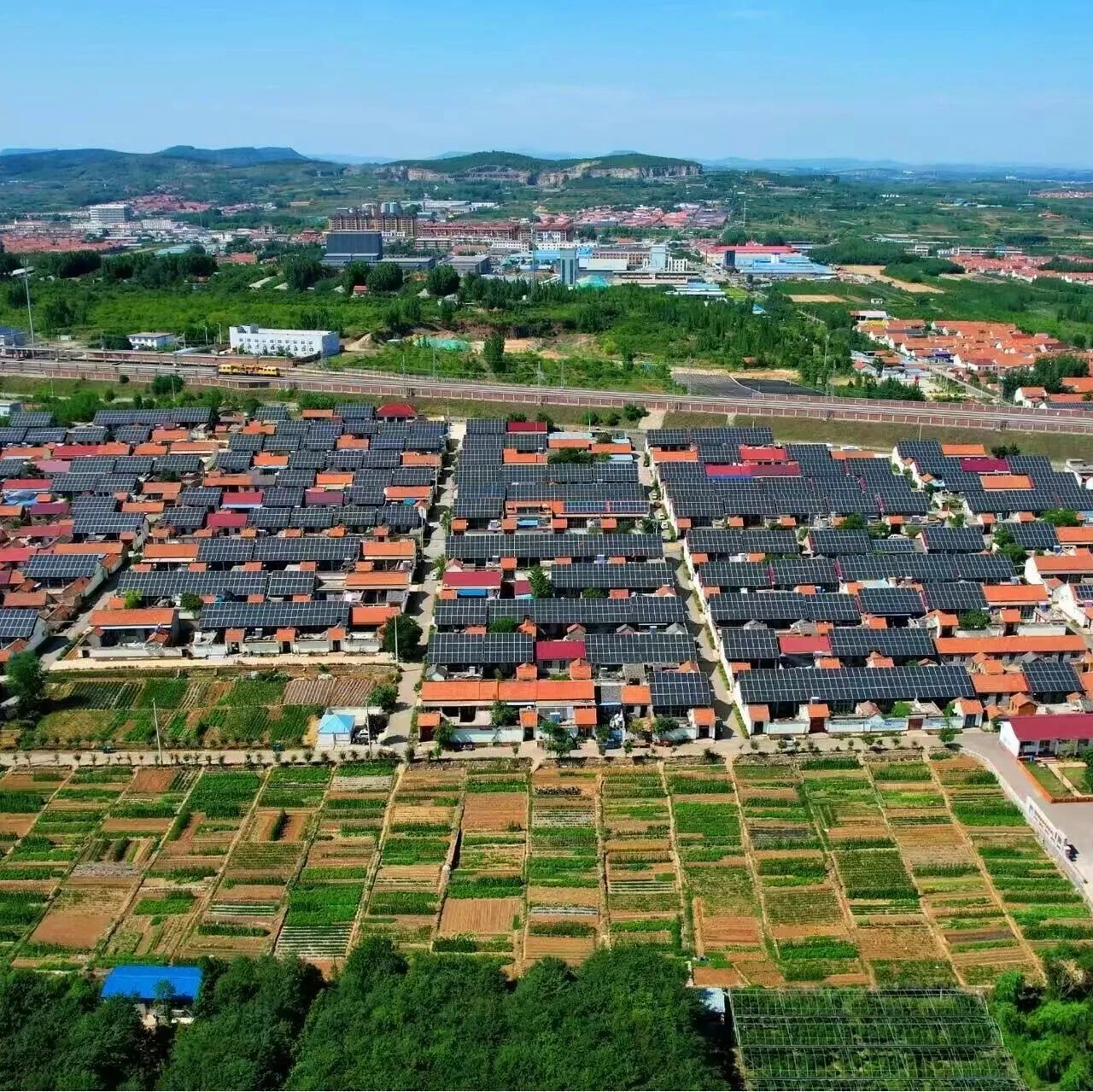
Core Viewpoint - The article discusses the listing of the first asset-backed securities (ABS) in China based on household distributed photovoltaic assets, which aims to optimize the asset-liability structure and financing channels for companies in the renewable energy sector [3][4]. Group 1: Asset-Backed Securities Overview - The ABS issued by Taiping Asset is the first of its kind in the country, backed by over 28,000 household distributed photovoltaic power stations across 10 provinces, with a total installed capacity of 990.34 MW and an issuance scale of 1.216 billion yuan [3][4]. - The primary purpose of issuing ABS is to "activate" stable operating power stations without affecting company control, thereby reducing asset-liability ratios and broadening financing channels [3]. Group 2: Industry Challenges and Responses - The renewable energy sector, particularly photovoltaic power, is facing significant challenges, including rising asset-liability ratios and tightening external financing, exacerbated by a prolonged period of losses among leading companies since Q4 2023 [6]. - The conversion of stable operating power stations into liquidity through asset securitization is seen as a key method for companies to optimize their asset-liability structures and expand financing options [6]. Group 3: Expansion of Asset Securitization in the Industry - There has been a noticeable acceleration in asset securitization within the renewable energy sector, with various types of underlying assets being explored beyond just photovoltaic and wind power, including hydropower and thermal power [8]. - Notable examples include the issuance of ABS by Envision Group and Sichuan Energy Development Group, with scales of 2.85 billion yuan and 2.5449 billion yuan respectively, showcasing the growing trend of securitization in the energy sector [8].


《洞见ESG》3月刊丨全国两会:“双碳”开新局
21世纪经济报道· 2026-03-17 13:23
Group 1 - The National People's Congress (NPC) emphasizes the importance of green and low-carbon transformation, with suggestions from representatives focusing on green energy, digitalization, and innovation in mechanisms and industry upgrades [2][3] - The government work report highlights the need to develop a new power system, expand green electricity applications, and implement collaborative electricity infrastructure projects [3] - The introduction of the Ecological Environment Code marks a significant legal framework aimed at enhancing environmental protection and imposing stricter penalties for violations [5] Group 2 - The "14th Five-Year Plan" is identified as a critical period for achieving carbon peak goals, with a focus on comprehensive green transformation and energy system adjustments [6] - The lithium battery industry is experiencing rapid growth, with China holding over 70% of global production capacity, but faces challenges related to irrational competition and the need for regulatory frameworks [4] - The green fuel industry is highlighted as a new sector facing high research and development costs and infrastructure challenges, indicating a significant funding gap that needs to be addressed [7]

地缘冲突对多晶硅价格的影响
Guo Xin Qi Huo· 2026-03-17 11:09
Group 1: Investment Rating - No investment rating information is provided in the report. Group 2: Core Views - The impacts of the 2022 Russia-Ukraine war and the 2026 Iran war on the photovoltaic industry differ significantly in driving logic, demand intensity, price transmission, and industrial chain structure. The 2022 war led to a surge in European demand for photovoltaic components, resulting in a simultaneous increase in volume and price in the photovoltaic industry. The 2026 war only brought short-term order impulses and export rush, without a definite demand explosion, and price increases were mainly driven by auxiliary materials and energy costs, with no significant improvement in downstream profits [1][19]. - Without the support of geopolitical conflicts, it is difficult for the polysilicon price to hold at the 40,000 yuan/ton mark. The current polysilicon futures price already includes the expectation of increased power costs due to the Iran conflict. If there is no continuous and unexpected demand growth, the inventory removal will be slow, and the futures price may further decline. However, if long-term demand starts, the current price may become an important support, and the price will gradually rise to a state where the entire industry is profitable, but it is difficult to reproduce the high prices in 2022 [2][20]. Group 3: Summary by Related Catalogs Comparison of the Two Geopolitical Events - **Conflict Nature**: The 2022 Russia-Ukraine war was a regional energy supply disruption, while the 2026 Iran war was a global energy transportation and cost shock [5]. - **Impact on Oil Prices**: The 2022 war led to a sharp increase in European natural gas prices and a synchronous rise in crude oil prices, with a rigid increase in regional energy costs. The 2026 war caused a short-term surge in Brent crude oil prices to $105 per barrel, and the long-term impact depends on the duration of the conflict [5]. - **Core Conduction Chain**: Both events followed the core logic of "rising traditional energy prices → escalating energy security anxiety → increasing demand for clean energy alternatives", but the scope and intensity of coverage were different [5]. - **Impact Cycle**: The 2022 war had a long-term and continuous impact on demand, while the 2026 war only caused a short-term demand impulse, and the medium- and long-term demand depends on the development of the war [5]. Impact of the 2022 Russia-Ukraine War on the Photovoltaic Industry - **European Demand Explosion**: In 2022, Europe imported 86.6GW of photovoltaic components from China, accounting for 56% of China's total component exports, a year-on-year increase of 112%. Europe became the largest export market for Chinese photovoltaic components [5]. - **Demand Release Lag**: Due to shortages of auxiliary materials such as inverters and installation personnel, the installation speed lagged far behind the import speed, resulting in a rapid increase in European component inventory. After July, the import volume began to decline [6]. - **Low Price Sensitivity**: Despite the soaring price of photovoltaic components, the demand was not suppressed due to high energy costs in Europe, and the export value increased far more than the export volume, significantly improving corporate profitability [6]. Impact of the 2026 Iran War on the Photovoltaic Industry - **Short-Term Demand Increase**: Driven by the export tax rebate window and the geopolitical conflict, the production of Chinese components and cells increased by about 10GW in March 2026 [8]. - **Price Rebound Driven by Costs**: The price of photovoltaic components has rebounded, but the actual transaction price is between 0.7 - 0.86 yuan/watt, and the price increase is mainly driven by the rise in the cost of auxiliary materials such as silver and aluminum alloy, with no significant improvement in production profits [9]. Current Situation of the Photovoltaic Industry - **Supply and Demand**: The photovoltaic industry is currently in a state of severe overcapacity, high inventory, and low operating rates. Long-term demand growth may be suppressed by high supply [13]. - **Polysilicon Price**: The spot price of polysilicon has fallen close to the industry's average production cost, and the increase in power costs due to the Middle East conflict may indirectly push up the production cost of polysilicon [15]. - **Inventory Pressure**: The high inventory in the silicon material link is the current major pressure in the photovoltaic industry chain. The inventory can support downstream production for 4 - 6 months, far exceeding the healthy level. If the war persists, it may help digest the silicon material inventory, but inventory removal may not be completed in the short term [16][17].
高库存压制价格,多晶硅低位震荡
Hua Tai Qi Huo· 2026-03-17 08:14
1. Report Industry Investment Rating - Not provided in the given content 2. Report Core Views - Industrial silicon price is expected to maintain range - bound oscillations. The supply side has an expectation of gradual release after a significant contraction since the Spring Festival, the downstream polysilicon demand remains sluggish. In the medium - to - long - term, there is obvious price support, and the overall pattern shows weak supply and demand [3]. - Polysilicon price is expected to continue weak oscillations. The continuous weakness of industrial silicon prices makes the cost support of polysilicon weak, the demand expectation from the "rush to export" before April has not been realized, combined with high inventory, the demand transmission in the industrial chain is difficult [7]. 3. Summary by Related Catalogs Industrial Silicon Market Analysis - On March 16, 2026, the industrial silicon futures price fluctuated and declined. The main contract 2605 opened at 8700 yuan/ton and closed at 8685 yuan/ton, a change of (-20) yuan/ton or (-0.23)% compared with the previous day's settlement. The position of the 2605 main contract at the close was 236662 lots, and the total number of warehouse receipts on March 15, 2026 was 21976 lots, with no change from the previous day [1]. - The industrial silicon spot price remained stable. The price of East China oxygen - passing 553 silicon was 9100 - 9300 (0) yuan/ton; 421 silicon was 9500 - 9700 (0) yuan/ton, Xinjiang oxygen - passing 553 price was 8500 - 8700 (0) yuan/ton, and 99 silicon price was 8500 - 8700 (0) yuan/ton. Silicon prices in Kunming, Huangpu Port, Northwest, Tianjin, Xinjiang, Sichuan, and Shanghai areas were flat, and the 97 silicon price remained stable [1]. - As of March 12, the total social inventory of industrial silicon in major areas was 55.2 tons, a decrease of 0.18% from the previous week [1]. - The downstream demand for polysilicon, organic silicon, and aluminum alloy all decreased to varying degrees after the festival, and most of the post - festival inquiries were exploratory [1]. - The operating rate in Xinjiang exceeded 50%, and the supply side gradually recovered after the festival, but due to the dry season in the Southwest, the operating rate remained low [1]. Cost - Recently, the prices of petroleum coke and Xinjiang electricity have risen, providing solid cost support [2]. Strategy - Industrial silicon price is expected to maintain range - bound oscillations. Short - term range operation is recommended. There are no strategies for inter - period, cross - variety, spot - futures, and options [3]. Polysilicon Market Analysis - On March 16, 2026, the main contract 2605 of polysilicon futures fluctuated and declined, opening at 42030 yuan/ton and closing at 41705 yuan/ton, with a closing price change of - 4.03% compared with the previous trading day. The position of the main contract reached 34647 (34457 in the previous trading day) lots, and the trading volume on the day was 5856 lots [3]. - The polysilicon spot price remained stable. N - type material was 42.00 - 50.00 (0.00) yuan/kg, and n - type granular silicon was 43.00 - 45.00 (0.00) yuan/kg [3]. - The polysilicon manufacturers' inventory decreased, while the silicon wafer inventory increased. The latest polysilicon inventory was 35.70, with a month - on - month change of 2.50%, the silicon wafer inventory was 28.35GW, with a month - on - month change of - 2.28%. The weekly polysilicon output was 19000.00 tons, with a month - on - month change of 1.06%, and the silicon wafer output was 11.98GW, with a month - on - month change of 8.12% [3]. - In March, some large factories have start - up plans. Last week, the first - phase 25,000 - ton capacity of the new 80,000 - ton granular silicon project of Tianhong Ruike was ignited. The supply contraction situation will end, and the output is expected to increase compared with February. However, the demand side has not improved significantly and is expected to remain sluggish. The pattern of oversupply will continue [6]. Strategy - Polysilicon price is expected to continue weak oscillations. Short - term range operation is recommended, and the main contract is expected to remain volatile in the short term. There are no strategies for inter - period, cross - variety, spot - futures, and options [7]. Other Product Prices - Silicon wafer prices: Domestic N - type 18Xmm silicon wafer was 1.03 (0.00) yuan/piece, N - type 210mm was 1.33 (0.00) yuan/piece, and N - type 210R silicon wafer was 1.13 (0.00) yuan/piece [4]. - Battery cell prices: High - efficiency PERC182 battery cell was 0.27 (0.00) yuan/W; PERC210 battery cell was about 0.28 (0.00) yuan/W; TopconM10 battery cell was about 0.42 (0.00) yuan/W; Topcon G12 battery cell was 0.41 (0.00) yuan/W; Topcon210RN battery cell was 0.42 (0.00) yuan/W. HJT210 half - cell battery was 0.37 (0.00) yuan/W [6]. - Component prices: The mainstream transaction price of PERC182mm was 0.67 - 0.74 (0.00) yuan/W, PERC210mm was 0.69 - 0.73 (0.00) yuan/W, N - type 182mm was 0.74 - 0.76 (0.00) yuan/W, and N - type 210mm was 0.75 - 0.78 (0.00) yuan/W [6].
3月经济初窥-20260317
GF SECURITIES· 2026-03-17 07:13
Power Generation and Coal Consumption - In March, the cumulative power generation from coal-fired power plants decreased by 4.5% year-on-year, while the cumulative power generation for the year fell by 0.3%[3] - The cumulative coal consumption in March decreased by 3.1% year-on-year, with a year-to-date decline of 1.3%[3] - Coal inventory at coal-fired power plants was 890,000 tons higher than the same period last year, with available days of inventory up by 4.7 days compared to last year[3] Industrial Production and Capacity Utilization - The average operating rate of 247 blast furnaces nationwide was recorded at 78.0%, down 3.0 percentage points year-on-year[4] - Key steel enterprises reported an average daily crude steel output of 201.1 million tons, a year-on-year decrease of 6.1%[6] - The operating rate of coking enterprises increased by 1.6 percentage points year-on-year, while the operating rate for PVC rose by 1.1 percentage points year-on-year[4] Real Estate Market Trends - From March 1 to March 16, the average daily transaction volume of commercial housing in 30 major cities fell by 9.8% year-on-year, compared to a 28.0% decline in February[10] - In the same period, the average daily transaction area recorded was 195,000 square meters, reflecting a year-on-year decrease of 9.8%[10] Economic Indicators and Consumer Behavior - The average daily subway ridership in ten major cities was 63.39 million, a slight increase of 0.02% year-on-year[7] - Domestic flights averaged 13,671 per day, down 8.0% month-on-month but up 10.9% year-on-year[7] Price Indices and Commodity Trends - The Business Price Index (BPI) rose to 1,055 points, an increase of 11.3% from February 28[16] - The price of Brent crude oil increased by 8.38%, while the prices of other commodities in the energy sector also saw significant gains[16]
十年来首次亏损,700亿光伏龙头总经理辞职
21世纪经济报道· 2026-03-17 07:12
Group 1 - The core viewpoint of the article is the management change at JinkoSolar, with Chen Kangping resigning as CEO and taking on the role of Vice Chairman, while Cao Haiyun, the former financial head, is appointed as the new CEO [1][2] - Chen Kangping is a co-founder of JinkoSolar and has served as CEO for over a decade since joining the company in 2007 [1] - The management change is described as a normal governance and management structure upgrade, not involving changes in actual controllers or board members [1] Group 2 - JinkoSolar is facing significant operational pressure, with the solar industry currently at a cyclical low, leading to financial losses for many companies, including JinkoSolar [2] - The company is projected to report a total revenue of 65.492 billion yuan in 2025, a decrease of 29.18% year-on-year, and a net loss of 6.786 billion yuan, marking a shift from profit to loss [2] - The decline in performance is attributed to increased price volatility in the global solar industry and trade protection policies affecting profitability across the solar component value chain [2] Group 3 - Despite launching new products and upgrading production capacity in 2025, JinkoSolar's overall performance is negatively impacted by low solar component prices and a cautious approach to long-term asset impairment testing [3] - As of March 17, JinkoSolar's stock price is 7.57 yuan per share, with a market capitalization of 77.7 billion yuan [3]


工业硅期货早报-20260317
Da Yue Qi Huo· 2026-03-17 03:35
交易咨询业务资格:证监许可【2012】1091号 工业硅期货早报 2026年3月17日 大越期货投资咨询部 胡毓秀 从业资格证号:F03105325 投资咨询证:Z0021337 联系方式:0575-85226759 1 重要提示:本报告非期货交易咨询业务项下服务,其中的观点和信息仅作参考之用,不构成对任何人的投资建议 。 我司不会因为关注、收到或阅读本报告内容而视相关人员为客户;市场有风险,投资需谨慎。 目 录 1 每日观点 2 基本面/持仓数据 每日观点——工业硅 | | | | | 供给端来看 , | 上周工业硅供应量为7 | | 8万吨 . , | 环比有所增加8 | 33% . | 。 | | | | --- | --- | --- | --- | --- | --- | --- | --- | --- | --- | --- | --- | --- | | | | | | 需求端来看 , | 上周工业硅需求为6 | . | 8万吨 , | 环比增长4 . | 62% . | 需求有所抬升 | . | | | | | | | 多晶硅库存为35 . | 7万吨 | 处于高位 , , | 硅片亏损 | ...
能源转型加速-风光储再迎发展良机
2026-03-17 02:07
Summary of Key Points from Conference Call Records Industry Overview - The records primarily focus on the solar energy and offshore wind power industries, highlighting recent developments, market dynamics, and future projections. Solar Energy Industry Insights Price Trends and Market Dynamics - Photovoltaic (PV) module prices have rebounded to 0.85 CNY/W, effectively passing on the cost pressure from silver prices, with expectations for improved demand in Q2 supporting price sustainability [1][3][4] - The recent price increase in PV products has exceeded market expectations, driven by factors such as industry self-discipline and rising raw material costs [3][4] - The price of silicon materials has slightly decreased, but the overall demand is expected to improve in Q2, supporting current price levels [4] Technological Advancements - The silver-copper technology is advancing rapidly, with JinkoSolar planning to complete a 40GW silver-copper conversion by mid-year, while other leading companies like Canadian Solar and JA Solar are also moving towards mass production [1][5] - Potential collaboration between JinkoSolar and Tesla may involve a technology licensing model, with estimated earnings of approximately 0.02 CNY per watt [5][6] Market Positioning and Profitability - Canadian Solar has restructured its assets to comply with U.S. regulations, securing manufacturing subsidies, which will enhance profitability as financial disclosures are made [1][7] - The investment logic in the solar industry focuses on companies that can achieve profitability first, those with incremental business opportunities, and those entering high-barrier markets like Canadian Solar in the U.S. [1][8] Energy Storage Industry Insights Competitive Landscape - The energy storage sector is not experiencing severe homogenization, as products are highly customized, reducing direct competition [9][10] - Major players like Huawei and Tesla are competing in high-margin markets, while new entrants focus on standardized products [9][10] Cost Transmission and Profit Margins - Energy storage integrators have strong cost transmission capabilities, successfully passing on the rising costs of battery cells to downstream customers [11][12] - The price of battery cells has increased by approximately 0.07 CNY/Wh, with domestic storage system prices rising by about 0.04-0.05 CNY/Wh, indicating a lag effect [12] Investment Valuation - The valuation logic for the energy storage sector is clear, with large integrators valued below 20 times earnings, while household storage is around 25 times [13][14] - The solar industry is currently facing challenges in profitability, with a price-to-book ratio around 2, but potential for reevaluation if companies achieve profitability in the near future [13][14] Offshore Wind Power Industry Insights Policy Developments - The UK has announced the removal of tariffs on 33 offshore wind-related industrial products, which may not directly benefit Chinese exports but indicates a trend towards local manufacturing [15][16] - The North Sea Declaration signed by nine European countries aims for 300GW of offshore wind capacity by 2050, with annual additions of 15GW from 2031 to 2040, significantly higher than current levels [15][16][17] Future Projections - China's "14th Five-Year Plan" sets a target of over 100GW of offshore wind capacity by the end of the plan, indicating strong governmental support and potential for rapid industry growth [17][18] - The market's reaction to these targets has been muted, suggesting a discrepancy between policy expectations and industry sentiment [18] Conclusion - The solar and energy storage industries are poised for growth driven by technological advancements, cost management, and supportive policies, while the offshore wind sector is set to expand significantly due to ambitious governmental targets and international collaboration.

A股三大指数集体高开
第一财经· 2026-03-17 01:45
2026.03. 17 本文字数:398,阅读时长大约1分钟 作者 | 一财阿驴 09:28 A股开盘|三大股指集体高开 光伏设备板块涨幅居前 「马上有钱」 ,实干派必备 「福禄加马」 ,福气党优选 帆布包+马克杯+冰箱贴 三大指数集体高开,沪指涨0.04%,深成指涨0.44%,创业板指涨0.85%。科创综指涨0.14%。太阳能 电池、光伏设备板块涨幅居前,油气、电力板块调整。 | 代码 名称 | 现价 涨跌 涨跌幅 | | --- | --- | | 000001 上证指数 | 4086.30 1.51 0.04% | | 399001 深证成指 | 14370.45 62.87 0.44% | | 881001 万得全A | 6761.36 14.60 0.22% | | 000680 科创综指 | 1744.51 2.51 0.14% | | 399006 创业板指 | 3385.71 28.69 1 0.85% | 09:27 耀才证券金融涨64.62%。消息面上,蚂蚁集团发起的要约收购已通过中国有关部门审批,预 计将于3月30日完成交割。 09:23 港股开盘|恒指涨0.4% 阿里巴巴涨超1% 恒指 ...

工业硅:区间震荡格局;多晶硅:关注市场情绪面提振
Guo Tai Jun An Qi Huo· 2026-03-17 01:40
Report Summary 1. Report Industry Investment Rating - No information provided in the given content 2. Report Core View - The industrial silicon market is in a range - bound pattern, and the polysilicon market should focus on the boost of market sentiment [1][2] 3. Summary by Relevant Catalogs 3.1 Fundamental Tracking - **Futures Market**: For industrial silicon Si2605, the closing price is 8,685 yuan/ton with a change of -165 compared to T - 22, the trading volume is 104,089 lots with a decrease of 104,137 compared to T - 22, and the open interest is 236,662 lots with a decrease of 4,354 compared to T - 22. For polysilicon PS2605, the closing price is 41,705 yuan/ton with a change of -995 compared to T - 5, the trading volume is 5,856 lots with a decrease of 13,413 compared to T - 5, and the open interest is 34,647 lots with a decrease of 563 compared to T - 5 [2] - **Basis**: Industrial silicon's spot premium or discount varies according to different benchmarks. The polysilicon spot premium (against N - type recycled material) is +2795 yuan/ton [2] - **Price**: The price of Xinjiang 99 - grade silicon is 8,600 yuan/ton with a decrease of 100 compared to T - 22, Yunnan Si4210 is 9,900 yuan/ton with a decrease of 100 compared to T - 22, and polysilicon N - type recycled material is 46,000 yuan/ton with a decrease of 7,500 compared to T - 22 [2] - **Profit**: The profit of silicon plants in Xinjiang (new standard 553) is -2446.5 yuan/ton, and in Yunnan (new standard 553) is -5314 yuan/ton. The profit of polysilicon enterprises is 1.7 yuan/kg [2] - **Inventory**: The social inventory of industrial silicon (including warehouse - receipt inventory) is 55.2 million tons with a decrease of 1 million compared to T - 22, the enterprise inventory is 19.7 million tons with a decrease of 1.2 million compared to T - 22, and the industry inventory is 74.9 million tons with a decrease of 2.19 million compared to T - 22. The polysilicon manufacturer inventory is 35.7 million tons with an increase of 1.6 million compared to T - 22 [2] - **Raw Material Cost**: The prices of raw materials such as silicon ore, washed coking coal, petroleum coke, electrodes in different regions have different changes or remain stable. For example, the price of Xinjiang silicon ore is 320 yuan/ton and remains unchanged compared to T - 22 [2] 3.2 Macro and Industry News - Swift Solar in California has acquired the core manufacturing assets and heterojunction (HJT) patent portfolio of Swiss company Meyer Burger. The acquisition aims to build a vertical integration technology path for silicon - perovskite tandem cells and break through the theoretical efficiency limit of about 30% of traditional crystalline silicon cells [2][4] 3.3 Trend Intensity - The trend intensity of industrial silicon is 0, and that of polysilicon is also 0, both indicating a neutral view [4]