
银包铜技术

Search documents
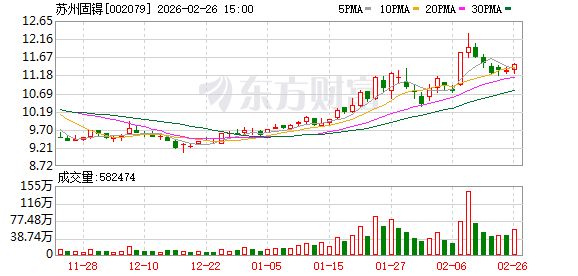
苏州固锝:公司全资子公司苏州晶银自2021年开始推出银包铜技术,异质结电池的浆料成本大为降低
Zheng Quan Ri Bao· 2026-02-26 09:39
Core Viewpoint - Suzhou Gude's subsidiary, Suzhou Jingyin, has significantly reduced the cost of silver paste for heterojunction solar cells since 2021 by introducing silver-coated copper technology, which is expected to meet customer demands by 2025 [2] Group 1 - The silver-coated copper paste product with 10% silver content is projected to achieve a photoelectric conversion efficiency comparable to high-silver-content pastes by 2025 [2] - The sales of photovoltaic silver paste primarily utilize a back-to-back pricing model, which locks in silver prices based on customer orders while charging processing fees, thus minimizing risks associated with silver price fluctuations [2]


2026年中国光伏导电浆料行业发展现状、竞争格局及趋势预测
Sou Hu Cai Jing· 2026-02-07 06:35
Core Insights - The photovoltaic conductive paste industry is crucial for the production of solar cell electrodes, directly impacting the efficiency, adhesion, and reliability of solar cells [1][6][10] - The market for photovoltaic conductive paste in China is projected to reach 46.5 billion yuan by 2024, driven by the rapid growth of the domestic photovoltaic industry and supportive policies [15][16] - The global market for photovoltaic conductive paste is expected to reach 50.4 billion yuan in 2024, supported by the increasing installation of photovoltaic systems and the penetration of high-efficiency N-type batteries [13][14] Industry Overview - Photovoltaic conductive paste is a functional electronic paste made from metal powders and organic carriers, essential for forming conductive electrodes on silicon wafers [1][6] - The industry chain includes upstream materials like silver and aluminum powders, midstream formulation development, and downstream solar cell manufacturing and component packaging [10][11] Market Dynamics - The competitive landscape features international giants like Heraeus and DuPont dominating the high-end silver paste market, while domestic companies like Juhua and Dike are rapidly gaining market share through innovations [17][18] - The market is characterized by a dual-strong competition model between international leaders and local top enterprises, focusing on differentiated strategies [2][17] Future Projections - The industry is expected to continue its growth trajectory, with ongoing technological advancements and policy support enhancing market dynamics [15][24] - A comprehensive report on the demand and investment planning for the photovoltaic conductive paste industry from 2026 to 2032 has been prepared to guide enterprises and investors [24]

苏州固锝(002079) - 002079苏州固锝投资者关系管理信息20260129
2026-01-29 02:45
Group 1: Product Development - Suzhou Jingyin began developing heterojunction paste in 2017, becoming one of the first companies in China to produce it at scale, overcoming early foreign monopolies [1] - The company launched silver-coated copper technology in 2021, significantly reducing the cost of heterojunction battery paste, and has successfully developed a silver-coated copper paste with 10% silver content [1][2] - The company is also expanding the application of heterojunction paste in other fields, including space photovoltaics, addressing specific challenges related to environment and radiation [2] - The company has successfully developed ultra-low temperature silver paste for perovskite stacked batteries, achieving advanced performance metrics in industry testing [3] Group 2: Financial Management - As of September 30, 2025, the consolidated asset-liability ratio of Suzhou Gude is around 20%, indicating a healthy financial position [4] - The company has strategically reduced market share with high-risk clients to manage accounts receivable risks, ensuring that the scale of receivables remains within a controllable range [4] Group 3: Market Dynamics - High silver prices have positively impacted the company's silver paste business, leading to increased acceptance of the silver-coated copper solution among clients [5] - The overseas photovoltaic market is expected to grow faster than the domestic market in 2026, with the company establishing a silver paste production base in Malaysia to benefit from this growth [8] Group 4: Product Offerings and Strategy - The company's silver paste shipments are primarily high-temperature silver paste, with low-temperature silver paste accounting for approximately 10%-20% of total shipments [8] - The company maintains an open attitude towards mergers and acquisitions, focusing on business compatibility and future management considerations [8]
琏升科技:双面微晶技术、0BB、银包铜技术已全面应用于公司产品中
Zheng Quan Ri Bao Wang· 2026-01-16 10:18
Core Viewpoint - Liansheng Technology (300051) has fully applied dual-sided microcrystalline technology, 0BB, and silver-coated copper technology in its products, with its 0BB heterojunction battery and module project recognized as "internationally advanced" [1] Group 1 - The company has received a technology achievement evaluation from the Sichuan Provincial Department of Science and Technology for its 0BB heterojunction battery and module project [1]

“很可能春节要加班生产”,光伏抢出口潮来了?
Mei Ri Jing Ji Xin Wen· 2026-01-13 12:30
Core Viewpoint - The photovoltaic industry is facing a dilemma between the urgency to export before the VAT export tax rebate is canceled on April 1, 2026, and the rising costs of raw materials, which are causing hesitation in production decisions [1][2]. Group 1: Export Urgency and Raw Material Costs - Companies are under pressure to complete exports before the VAT export tax rebate is removed, leading to potential missed orders if not acted upon quickly [1]. - The rising prices of raw materials such as silver and aluminum are significantly impacting production budgets, causing companies to reconsider their production plans [1][2]. - The price of battery cells has increased by over 0.1 yuan per watt in the last two months, leading to a halt in procurement by many manufacturers [2]. Group 2: Inventory and Production Challenges - Companies with large inventories of components produced at lower costs are in a favorable position, while those with low inventories face challenges in sourcing high-cost battery cells for production [2][3]. - The domestic component prices are highly volatile, influenced by the rising costs of metals and the impending cancellation of the VAT export tax rebate [3]. Group 3: Market Uncertainty and Decision-Making - The uncertainty in overseas markets is making it difficult for manufacturers to decide on export strategies, compounded by financial constraints [3][4]. - Some traders are resorting to shipping products overseas for simple packaging to avoid high tariffs, raising questions about future stockpiling strategies [3]. Group 4: Impact on Market Dynamics - The cancellation of the VAT export tax rebate is expected to push companies towards technological innovation and improving product value to manage cost pressures [5]. - Companies with established overseas production capabilities, such as JinkoSolar, are likely to benefit from the policy changes, as they have mechanisms in place to adjust pricing in response to market fluctuations [5].


春节也要加班!有光伏企业在抢出口,也有企业很纠结
Mei Ri Jing Ji Xin Wen· 2026-01-12 13:54
Core Viewpoint - The photovoltaic industry is facing a dilemma between the urgency to export products before the cancellation of VAT export rebates in April 2026 and the rising costs of raw materials, which are causing hesitation in production decisions [1][2]. Group 1: Export Urgency and Cost Pressures - Companies are under pressure to complete exports before the April 1 deadline to avoid losing key orders, but rising raw material costs are leading to significant budget overruns [1][2]. - The price of battery cells has increased significantly, with some manufacturers halting purchases due to cost concerns, which is impacting production schedules [2][3]. - The cancellation of export tax rebates is expected to push up component prices, complicating the decision-making process for manufacturers regarding exports [3][5]. Group 2: Inventory and Production Challenges - Manufacturers with high inventory levels are in a favorable position as their stock was produced at lower costs, while those with low inventory face challenges in sourcing high-cost battery cells for production [2][3]. - The domestic component prices are highly volatile, influenced by rising costs of metals like silver and aluminum, as well as upstream supply chain constraints [3][4]. Group 3: Market Uncertainty and Strategic Responses - Many manufacturers are uncertain about the overseas market dynamics, leading to difficulties in pricing and decision-making for exports [3][4]. - Companies are exploring alternative strategies, such as using silver-copper technology to mitigate the impact of rising silver prices on production costs [6]. - Some firms, like JinkoSolar, have mechanisms in place to adjust pricing in response to policy changes, indicating preparedness for the cancellation of export rebates [6]. Group 4: Long-term Industry Implications - The cancellation of export rebates may accelerate the elimination of less competitive players in the photovoltaic industry, pushing the sector towards higher value and better technology products [6]. - Companies are encouraged to innovate and enhance product value to cope with cost pressures, which could lead to a healthier and more sustainable industry structure [6].