大豆产业

Search documents
美国50%关税大棒落下,中国给巴西送5年大单,巴总统:对中国感激不尽
Sou Hu Cai Jing· 2025-08-15 16:37
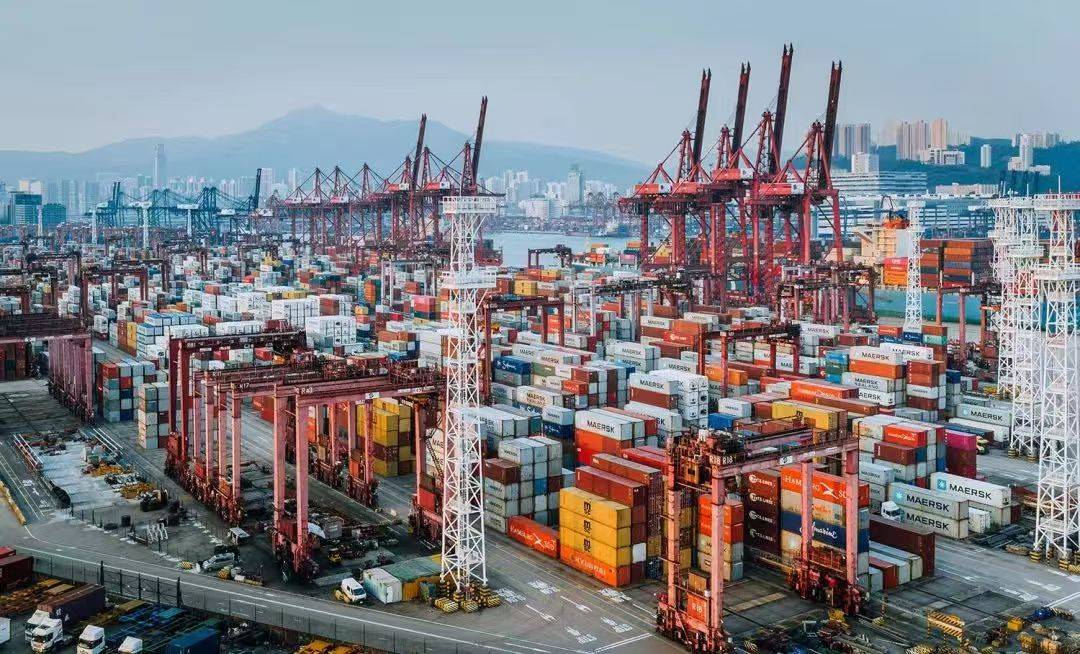
Group 1 - The Trump administration's tariff policy has significantly impacted the global economic order, particularly affecting Latin America, with Brazil being a major victim [3] - Brazil's coffee and meat exports to the U.S. have drastically declined due to a 50% tariff imposed by the Trump administration, leading to severe economic challenges for Brazilian farmers and businesses [5][6] - The U.S. aims to leverage its economic power to force Brazil into making concessions in trade rules and market access, reflecting a complex interplay of political and economic interests [3][5] Group 2 - China's support for Brazil, including granting import licenses to 183 Brazilian coffee companies, has provided a much-needed boost to Brazil's economy amid U.S. tariff pressures [5][6] - The economic relationship between China and Brazil is characterized by high complementarity, with Brazil supplying essential natural resources to China, which helps stabilize China's resource supply chains [6] - Brazil's strengthened ties with China allow it to reduce dependence on the U.S. market, enhancing its economic resilience and enabling a firmer stance against U.S. demands [8] Group 3 - Brazil's response to U.S. tariffs includes seeking consultations with the World Trade Organization to challenge the legality of U.S. tariff policies, which could inspire other nations facing similar pressures [8] - The cooperation between China and Brazil serves as a model for other developing countries, demonstrating the potential for collective action against unilateral trade practices [9] - China's significant economic engagement with Brazil, including a 5-year contract worth 1.3 trillion, plays a crucial role in supporting Brazil's economy and revitalizing global economic cooperation [9]

中国一出手,特朗普终于服气了,深夜喊话中国,想让中方不计前嫌,帮美国解一时燃眉之急?
Sou Hu Cai Jing· 2025-08-14 09:26
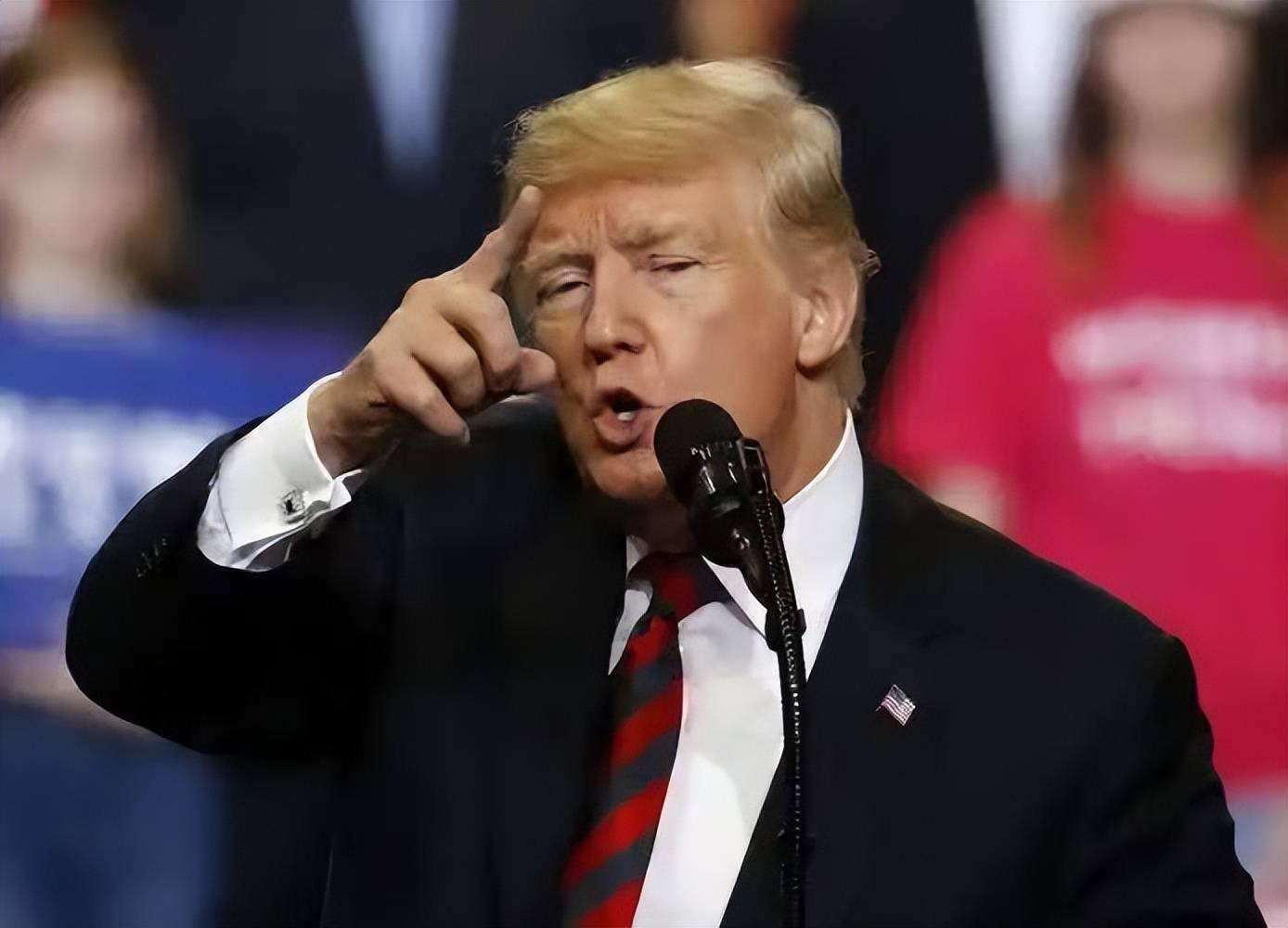
Core Viewpoint - The recent call by former President Trump for China to significantly increase its soybean purchases from the U.S. reflects the severe challenges faced by the American agricultural sector, particularly the soybean industry, and highlights the complexities of U.S.-China trade relations [3][5][8] Group 1: Agricultural Sector Challenges - The U.S. soybean industry has seen a drastic decline in its market share in China due to tariffs and trade tensions, with exports dropping from several million tons to 22.13 million tons last year [3] - China has diversified its soybean import sources, with Brazilian soybeans accounting for 69% of its total imports, while U.S. soybeans only represent about 21% [3][5] - The economic struggles of American farmers, who are a crucial support base for the Republican Party, have intensified pressure on Trump to improve the situation [3][5] Group 2: Political Implications - The upcoming U.S. midterm elections make agricultural state votes critical, and continued low sales of farm products could lead to voter dissatisfaction with the ruling party [5] - Trump's push for increased soybean purchases is seen as an attempt to stabilize support from agricultural states ahead of the elections [5] Group 3: Trade Relations and Economic Strategy - Trump views expanding agricultural exports as a means to reduce the U.S.-China trade deficit, but this approach may not address the underlying issues of trade imbalance [5][6] - The complexity of U.S.-China trade relations means that unilateral demands from the U.S. are unlikely to yield significant changes in China's import strategies [6][8] - A mutual and fair resolution to trade disputes, including tariff barriers, is essential for meaningful progress in trade cooperation [6][8]
链博会透视:美国大豆协会讲述中美农业合作共赢新篇章
Sou Hu Cai Jing· 2025-07-17 11:30
Core Insights - The third China International Supply Chain Promotion Expo in 2025 highlighted the importance of global supply chains, with over 650 companies from 75 countries participating, notably the American Soybean Export Council [1][3] - The American Soybean Export Council emphasized the mutual benefits of the U.S.-China soybean industry relationship, showcasing a model for sustainable agricultural development [1][3] Group 1: Event Overview - The expo serves as a unique platform for showcasing supply chain capabilities and promoting resource connections [1] - The American Soybean Export Council's participation for the third consecutive year underscores the event's significance in the global agricultural supply chain [1][3] Group 2: Industry Practices - The U.S. soybean industry aims to demonstrate its full supply chain integration, technological innovations, and sustainable practices at the expo [3][5] - The soybean supply chain is characterized by its extensive international trade involvement, linking producers and consumers effectively [3] Group 3: Technological Advancements - Precision agriculture technologies are widely adopted in U.S. farms, enhancing efficiency and reducing waste throughout the soybean production process [5] - The integration of data tracking in the soybean supply chain allows for precise communication of nutritional information to downstream businesses [5] Group 4: Sustainable Development - Sustainability is a core competitive advantage for the U.S. soybean industry, with practices in place since the 1930s to promote soil conservation and reduce erosion [5][6] - The introduction of the U.S. Soybean Sustainability Assurance Protocol (SSAP) enables Chinese feed companies to select low-carbon footprint raw materials, enhancing market recognition and potential for premium pricing [6] Group 5: Historical Context and Future Outlook - The collaboration between the U.S. and China in the soybean industry has evolved from technology transfer to co-creation of solutions, driven by mutual market demands [6][7] - The partnership exemplifies a shared destiny in the global supply chain, emphasizing collaboration over competition [7]

【2025链博会】全球产业协作:美国大豆出口协会解码中美农业的合作共赢
Huan Qiu Wang· 2025-07-17 06:57
Core Insights - The third China International Supply Chain Promotion Expo (Chain Expo) held in July 2025 in Beijing serves as a unique global platform for showcasing and connecting the agricultural supply chain, emphasizing the mutually beneficial relationship between the U.S. soybean industry and the Chinese market [1][4] Group 1: Supply Chain Integration - The U.S. soybean industry aims to present its achievements in supply chain integration from "farm to table," highlighting technological innovations and sustainable practices that create economic, social, and environmental value [4][10] - The length and international trade participation of the soybean supply chain make it a "super connector" between producers and consumers, leading to significant global influence [6][10] Group 2: Technological Advancements - The U.S. soybean industry's core competitiveness lies in its pursuit of precision through the use of digital technologies such as GPS and drones, optimizing various agricultural processes [7][10] - The industry focuses on educating end-users about the diverse applications of soybeans in feed and food, thereby expanding consumption demand [7][10] Group 3: Sustainable Practices - Sustainability is a key competitive advantage for the U.S. soybean industry, with practices established since the 1930s aimed at soil conservation and environmental protection [8][9] - The U.S. soybean supply chain demonstrates that sustainability can coexist with economic benefits, as evidenced by the low carbon footprint of U.S. soybeans compared to those sourced from other regions [9][10] Group 4: U.S.-China Cooperation - The U.S. Soybean Export Council has witnessed and participated in China's agricultural modernization since 1982, evolving from technology transfer to collaborative solution creation driven by mutual market demands [10][11] - The introduction of innovative aquaculture techniques has transformed China's fish farming practices, leading to improved quality and efficiency in production [11]

【期货热点追踪】美国生物燃料政策超预期,能否确保美国大豆产业的市场份额?市场如何反应?
news flash· 2025-06-17 12:12
Core Insights - The U.S. biofuel policy has exceeded expectations, raising questions about its impact on the U.S. soybean industry's market share [1] Group 1: U.S. Biofuel Policy - The recent U.S. biofuel policy changes are anticipated to significantly influence the agricultural sector, particularly the soybean market [1] - Analysts are evaluating how these policy adjustments will affect the competitive landscape for U.S. soybeans against global counterparts [1] Group 2: Market Reactions - Market responses to the new biofuel policies indicate a potential shift in demand dynamics for soybeans, which could lead to increased prices [1] - Stakeholders are closely monitoring the implications of these policies on both domestic and international soybean markets [1]
关税大棒回旋镖,打疼了川总的铁票仓!
Sou Hu Cai Jing· 2025-05-17 10:32
Group 1 - The trade tariffs initially aimed at China have backfired, negatively impacting American farmers and companies like Tesla [1][3] - The chaotic tariff situation is severely harming the interests of American agricultural producers, particularly small farmers who have low risk tolerance [3][4] - U.S. poultry farmers are struggling as China, once their largest market, has reduced imports significantly [5][10] Group 2 - The U.S. soybean industry is facing devastating impacts due to tariffs, with over half of U.S. soybean production reliant on exports, primarily to China [12][14] - Brazilian farmers are benefiting from the situation as China shifts its soybean imports from the U.S. to Brazil, highlighting the competitive nature of agricultural exports [16][18] - The cost of beer cans has risen due to tariffs, leading to the closure of many small breweries, as they cannot absorb the increased costs like larger companies can [21][24] Group 3 - Despite recent talks leading to reduced tariffs, the impact on U.S. agriculture remains significant, with a 10% tariff still in place for low-value primary agricultural products [26] - Chinese manufacturers are adapting by shifting focus to domestic markets, with some companies experiencing increased sales despite the trade tensions [27][31] - The resilience of the Chinese market is evident as it continues to grow, even amidst tariffs, with exports to other countries compensating for losses in the U.S. market [34][37]