
咖啡产业

Search documents
利比里亚完成国家油棕政策审定,推动农业现代化与公平发展
Shang Wu Bu Wang Zhan· 2026-02-12 15:46
Core Insights - Liberia has finalized its National Palm Oil Policy, marking a significant step towards modernizing and regulating the agricultural sector [2] Group 1: Policy Objectives - The policy aims to establish a fair, transparent, and sustainable regulatory framework for the palm oil industry, addressing the long-standing lack of clear rules [2] - Key components include the establishment of a reasonable and transparent pricing mechanism for farmers, enhancement of seedling, processing, packaging, and oil quality standards [2] - The policy outlines obligations for large-scale producers and franchisees, such as paying royalties, to ensure the industry contributes to national revenue and economic growth [2] Group 2: Impact on Stakeholders - The policy is designed to protect small farmers from price volatility, weak quality control, and insufficient market protection [2] - It establishes rules for "fair competition" that protect farmers, guide investors, and ensure substantial contributions to national development [2] Group 3: Alignment with National Goals - The policy aligns with the President's "AAID" agenda, which focuses on enhancing food security, promoting responsible investment, and expanding rural livelihood opportunities [2] - Liberia is actively engaging in agricultural diplomacy through platforms like the African Coffee Organization to enhance its position in commodity markets [2]
从一座咖啡厂看中非经贸合作
Jing Ji Ri Bao· 2026-02-09 02:51
Core Viewpoint - The coffee industry in Puyang, Henan Province, China, is thriving despite the region not being a coffee-growing area, showcasing the deepening economic cooperation between China and African countries, particularly Ethiopia [1][2]. Group 1: Industry Development - The Puyang coffee industry processes Ethiopian coffee beans into powder for distribution across China and exports to countries like Japan, South Korea, and Singapore [1]. - The local government is facilitating trade relationships with African countries, enhancing logistics resources to lower international shipping costs [1]. - In 2024, China will grant 100% zero-tariff treatment on products from 33 least developed countries, including Ethiopia, benefiting many African nations reliant on agricultural exports [1]. Group 2: Market Growth - China's coffee market is experiencing rapid growth, with Ethiopia becoming the seventh largest coffee exporter to China in 2023, projected to rise to fourth by 2025 [2]. - Ethiopia's coffee exports to China in the first three months of the 2025-2026 fiscal year are approximately seven times higher than the same period last year [2]. - The increase in organic coffee exports and improved transportation efficiency from Ethiopia is meeting the rising demand for high-quality coffee among Chinese consumers [2]. Group 3: Economic Impact - Ethiopia produces about 600,000 tons of coffee annually, with over 5 million small-scale farmers involved in coffee production, processing, and sales [3]. - The coffee industry in Puyang is creating local employment opportunities, with 80% of workers in the packaging segment being local villagers [3]. - The coffee business is improving living conditions for workers and their families, with many benefiting from stable employment close to home [3].
通讯丨非洲咖啡香飘中原古城——从一座咖啡厂看中非经贸合作
Xin Hua Wang· 2026-02-04 07:10
Core Viewpoint - The article highlights the growing coffee trade between China and African countries, particularly Ethiopia, showcasing how this collaboration enhances economic ties and creates job opportunities in both regions [1][4]. Group 1: Industry Development - The coffee industry in Puyang, Henan Province, is thriving despite the region not being a coffee-growing area, exemplifying the deepening economic cooperation between China and Africa [1]. - The establishment of the China (Puyang) Ethiopia Coffee Industry Demonstration Park facilitates the processing and export of Ethiopian coffee beans to various countries, including Japan, South Korea, and Singapore [1]. - The Chinese coffee market is experiencing rapid growth, with Ethiopia becoming the seventh largest coffee exporter to China in 2023, projected to rise to fourth place by 2025 [3]. Group 2: Economic Impact - Ethiopia's coffee production is significant, with an annual output of approximately 600,000 tons and around 5 million small-scale farmers involved in the coffee sector [4]. - The coffee trade has created job opportunities in Puyang, with local workers, particularly women, benefiting from employment in the coffee packaging process [4]. - The collaboration under the Belt and Road Initiative is fostering economic growth and employment in both Ethiopia and Puyang, enhancing the livelihoods of individuals involved in the coffee supply chain [4]. Group 3: Trade Relations - In 2024, China will implement a 100% zero-tariff policy for products from 33 least developed African countries, including Ethiopia, benefiting agricultural exports [1][2]. - Ethiopian coffee exporters, such as AWO Coffee Company, are increasingly meeting the rising demand in China by sourcing beans from local farmers [2]. - The improvement in transportation efficiency and the rise in organic coffee exports from Ethiopia are aligning with the growing consumer demand for high-quality coffee in China [3].
让“云咖”更好代表中国 云南政协委员谋划出海新通道
Zhong Guo Xin Wen Wang· 2026-01-31 14:09
Group 1 - The core viewpoint of the articles highlights the strategic importance of Yunnan coffee in China's coffee industry, with plans to enhance its international presence and export capabilities [1][2] - Yunnan accounts for over 98% of China's coffee planting area and production, with a deep processing rate of 85%, indicating a strong domestic foundation for growth [1] - By 2025, Yunnan's coffee exports are projected to lead the nation in both volume and value, reaching markets in 43 countries including the Netherlands, Vietnam, and Germany [1] Group 2 - Yunnan's geographical advantages, particularly the proximity to Laos, Vietnam, and Myanmar, are seen as beneficial for developing a high-quality coffee industry and establishing a key export hub for South and Southeast Asia [1] - Proposals include establishing Yunnan coffee promotion centers in major export markets like South Korea and creating a coffee trade center in Macau to facilitate exports [1] - The Yunnan Agricultural Development Group is advancing the construction of a modern coffee industrial park in Kunming, aiming to integrate storage, processing, trade, and innovation, while exploring cross-border cooperation with ASEAN countries [2]
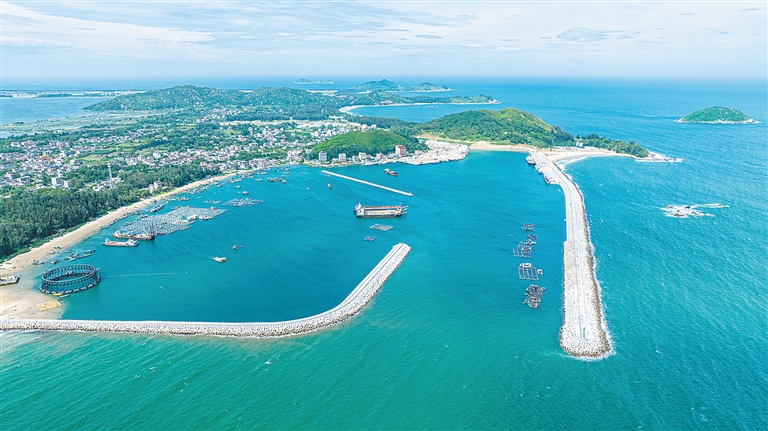
万宁擘画未来五年蓝图,聚焦七大方面开创现代化新局面
Hai Nan Ri Bao· 2026-01-28 04:11
Core Viewpoint - Wanning is set to focus on seven key areas to create a modernized development landscape over the next five years, emphasizing high-quality development and the foundation of the free trade port [4]. Group 1: Achievements During the 14th Five-Year Plan - Wanning's economic and social development has significantly improved, with GDP and fixed asset investment growth rates surpassing the provincial average, and fiscal revenue exceeding 2 billion [5]. - The city has seen a rise in the number of industrial enterprises to 74, with industrial output maintaining rapid growth [5]. - The free trade port construction has made notable progress, including the first successful implementation of export product certification by foreign certification bodies [5]. - The number of high-tech enterprises has increased to 15, and there are 51 provincial-level research platforms and innovation carriers [5]. - Wanning has established four major industrial clusters, including the successful branding of Xinglong coffee and the recognition of Shimei Bay as a national-level tourist resort [6]. Group 2: Future Development Focus for the 15th Five-Year Plan - The city will deepen reform and open up to create a first-class business environment, including the implementation of core policies in agricultural processing and high-end manufacturing [9]. - Wanning aims to strengthen its tropical agriculture sector by extending the industrial chain of local specialties like coffee and fish [10]. - The city plans to enhance its industrial base by developing deep processing of agricultural products and high-end equipment manufacturing [11]. - Wanning will promote innovation-driven development by implementing AI initiatives and enhancing collaboration between industry and academia [13]. - The city will focus on urban-rural integration and infrastructure upgrades, promoting new urbanization and rural revitalization [16][17]. - Environmental governance will be prioritized, with efforts to combat pollution and promote green low-carbon development [18][19]. - Wanning aims to enhance public welfare by improving cultural, educational, and healthcare services, striving to become a model for civilizational cities [21][22]. Group 3: Safety and Security Measures - The city will establish a robust regulatory system post-closure operations to prevent major risks and ensure food and energy security [23]. - Public safety governance will be enhanced through regular crackdowns on crime and improved safety regulations [24]. - Wanning will innovate social governance by promoting unique mediation practices and advancing legal frameworks for public grievances [25].

加大政策与资源支持力度 推动贵阳贵安咖啡产业高质量发展
Xin Lang Cai Jing· 2026-01-27 20:00
Core Viewpoint - The coffee industry in Guiyang and Gui'an is being developed as a new growth point for cultural tourism consumption upgrade, supported by government policies and strategic frameworks aimed at enhancing brand recognition and market competitiveness [1][2]. Group 1: Current State of the Coffee Industry - The coffee industry has shown initial success but faces significant challenges, including limited brand influence, insufficient policy and resource support, and a shortage of skilled professionals [1]. - Key issues identified include the lack of nationally recognized brands, weak public brand promotion, and inadequate provincial-level support policies [1]. Group 2: Development Goals and Recommendations - The goal is to establish Guiyang and Gui'an as a nationally influential coffee consumption destination and cultural experience city by 2027, and a well-known coffee culture exchange center by 2030 [2]. - Recommendations include setting up special financial support for the coffee industry, integrating coffee industry development with cultural tourism, and fostering collaboration among various government departments to enhance the industry's competitiveness [2].
云南普洱:咖通世界 茶蕴古今
Zhong Guo Jing Ji Wang· 2026-01-19 03:17
Core Insights - The total investment of 500 million yuan in the Yimei Garden (Yunnan) Creative Tea Drink Ecological Industrial Park project aims to create a comprehensive ecological industrial platform integrating planting demonstration, technology research and development, refined processing, cultural experience, and creative business incubation [1] - The first complete cost insurance for coffee planting in Yunnan Province has been implemented in Menglian Dai, Lahu, and Wa Autonomous County, providing financial support for the high-quality development of the coffee industry [1] - The city of Pu'er is focusing on cultivating two pillar industries, tea and coffee, promoting a lifestyle that harmonizes both, and enhancing the multiple benefits of industrial development [1] Tea Industry Developments - Pu'er is committed to the "Three Teas Coordination" strategy, aiming to ensure that all citizens can enjoy Pu'er tea [2] - The city has 271 certified organic tea enterprises and 454 certificates, with a certified area of 619,900 acres, maintaining the top position among prefecture-level cities in China for organic tea certification [2] - The establishment of a blockchain traceability platform for Pu'er tea quality and the implementation of ten standards for Pu'er tea products are part of the efforts to strengthen tea technology [2] Coffee Industry Developments - Pu'er is enhancing the coffee industry by focusing on quality, scene, and brand, improving the entire coffee supply chain [2] - A coffee germplasm resource bank and breeding base have been established, and 365,800 acres of low-yield coffee gardens have been upgraded [2] - The city has created 34 boutique coffee estates and is promoting Pu'er coffee to 27 countries and regions globally through various exhibitions [2] Strategic Goals - The Pu'er Municipal Party Secretary emphasized the commitment to advancing the high-quality development of the tea and coffee industries through efforts in base construction, industrial upgrading, market expansion, and integrated development [3]
新华社:封关满月!海南自贸港焕发开放新气象
Xin Hua She· 2026-01-19 02:13
Core Insights - Hainan Free Trade Port has successfully operated for one month, showcasing significant policy benefits, vibrant business and tourism activities, and an upgraded transportation network [1] Policy Benefits - Hainan Hai Run Pearl Co., Ltd. benefits from the processing and value-added policies, reducing the comprehensive tax rate from 52% to approximately 26%, allowing for more funds for R&D [2] - As of January 17, 2026, Hainan Customs reported zero-tariff goods worth 750 million yuan under "first-line" supervision and 85.867 million yuan of tariff-exempt goods under "second-line" supervision [2] - Hainan Nuclear Power Co., Ltd. imported valve equipment worth about 2.4 million yuan, saving approximately 900,000 yuan in taxes [2] Business Opportunities - The average daily number of people engaging in duty-free shopping is about 25,000 [4] - From December 18, 2025, to January 17, 2026, duty-free shopping amounted to 4.86 billion yuan, a year-on-year increase of 46.8%, with 745,000 shoppers, up 30.2% [5] - A total of 5,132 new foreign trade enterprises were registered in Hainan within a month, indicating a growing interest in the region [5] Transportation Expansion - The first seventh freedom passenger route in China was launched, connecting Prague, Czech Republic, to Sanya, marking a significant step in Hainan's aviation sector [6] - The number of large vessels navigating to Hainan has increased, with a nearly 20% year-on-year growth in the number of large ships being piloted since the port's closure [7]
在海南自贸港“烘焙”咖啡国际产业链
Hai Nan Ri Bao· 2026-01-19 02:04
Core Insights - The article discusses how Zhengda Coffee is leveraging policy advantages in Hainan Free Trade Port to enhance its industry value and global presence [1][2][3] Group 1: Company Strategy - Zhengda Coffee is focusing on integrating local raw materials and traditional craftsmanship into the global supply chain to achieve value multiplication [1][2] - The company aims to establish a coffee trade and brand center in Hainan, utilizing the region's unique position as a gateway to the Pacific and Indian Oceans [2][6] - The strategy includes a blend of manufacturing and cultural tourism to drive industry upgrades and enhance brand recognition [2][5] Group 2: Policy Advantages - Hainan's "zero tariff" and processing value-added tax exemptions provide a long-term cost advantage, allowing Zhengda Coffee to position itself as a value-added processing center rather than just a trade hub [3][4] - The company has experienced a cost reduction of approximately 1.5% to 2% on imported coffee beans due to these policies, enhancing its competitive pricing in mainland markets [3] - Optimized personal income tax policies are attracting international talent, which is crucial for the company's growth and innovation [4] Group 3: Global Expansion - Zhengda Coffee has successfully exported processed coffee to Australia, demonstrating its capability to participate in global supply chains [5] - The company plans to scale its coffee products to major cities and international markets, transitioning from "product export" to "brand export" [6] - The establishment of a coffee industry ecosystem in Hainan is expected to lower collaboration costs and enhance the regional brand of "Hainan Coffee" [6]
【回望·奋进】保山市:牢记嘱托 感恩奋进 抒写新时代宣传思想文化工作保山答卷
Xin Lang Cai Jing· 2026-01-17 10:33
Core Viewpoint - In 2025, Yunnan Province's cultural and ideological front is focused on innovation and development, showcasing achievements and practices from 16 prefectures and cities [1] Group 1: Theoretical and Ideological Development - Theoretical education has been reinforced with over 5,300 sessions conducted by various party committees [3] - More than 10,300 sessions have been held to promote the spirit of the 20th National Congress and Xi Jinping's important speeches during his visit to Yunnan [3] - 29 special research projects on the Yang Shanzhou spirit have been initiated [3] Group 2: Public Image and Cultural Promotion - Baoshan has established a coffee industry promotion plan, significantly enhancing the brand influence of "Baoshan Small Grain Coffee" [5] - The "A Drop of Blood for an Inch of Land" exhibition was featured on CCTV's "News Broadcast" [6] - Various thematic press conferences have been successfully held, including "A Life Called Yunnan" and promoting the Yang Shanzhou spirit [6] Group 3: Civilizational and Social Development - Baoshan has been recognized as a "National Civilized City," receiving commendation from provincial authorities [8] - The "Fire Pit Meeting" model from Monkey Bridge Village in Tengchong has been selected as one of the top ten excellent cases in rural civilization construction in China [8] Group 4: Cultural and Tourism Integration - The national public cultural service system demonstration area has been re-evaluated positively, with Tengchong ranking among China's top 100 tourist counties for six consecutive years [10] - From January to October, the number of tourists increased by 46.3%, with the highest growth rate in tourism fixed asset investment in the province [10] - Tengchong has been recognized as the top county for hot spring health tourism in 2024 [10] Group 5: External Communication and Cultural Exchange - A new platform for external communication in Baoshan has been launched, implementing the "Youth Media Bridge" initiative for Sino-Myanmar youth collaboration [12] - The online influencer "Dianxi Xiaoge" has gained popularity, even attracting the attention of former Indonesian President Megawati [13] - Various thematic activities, including "AI Drawing of Intangible Cultural Heritage," have been successfully organized [13] Group 6: Innovative Communication Strategies - Innovative methods for theoretical promotion have been adopted, including 186 interactive sessions and the release of 64 theoretical programs and 157 short videos [15] - The influence of the small grain coffee brand continues to grow, with the third International Specialty Coffee Industry Development Conference held and significant online exposure achieved [15]
