财税服务

Search documents
多名涉税中介被判刑
第一财经· 2026-01-08 12:51
Core Viewpoint - The article highlights the increasing crackdown on tax-related intermediaries involved in illegal activities, particularly the issuance of false VAT invoices, as evidenced by recent cases exposed by the State Taxation Administration [3][4]. Group 1: Recent Cases of Tax Intermediaries - The State Taxation Administration exposed six cases of illegal activities by tax intermediaries, with a focus on the issuance of false VAT invoices [3]. - One notable case involved Jilin City Hongcheng Financial Consulting Service Co., where the actual controller, Li Li, manipulated 76 shell companies to issue 2,782 false VAT invoices, amounting to 214 million yuan, resulting in illegal profits of 942,600 yuan [3]. - Li Li and two associates were sentenced to prison terms ranging from three years to one year and ten months, along with fines totaling 270,000 yuan and confiscation of illegal gains [3]. Group 2: Regulatory Actions and Recommendations - The tax authorities have classified Hongcheng Financial and its actual controller as untrustworthy tax service entities, implementing measures in accordance with tax service management regulations [4]. - Another case involved Sichuan Province's Guangyuan City, where Guangyuan Minghui Enterprise Management Co. and its actual controller, Liang Hongming, were penalized for issuing false VAT invoices, resulting in fines and prison sentences for several individuals [4]. - Since 2025, a total of 484 tax intermediaries have been investigated, with punitive measures taken against related institutions and personnel to uphold tax law authority and economic order [4]. - The State Taxation Administration advises businesses to select tax service providers with high credit ratings and to remain vigilant against illegal agents that could jeopardize their rights and expose them to tax-related risks [4].


踩雷财税后押注机器人,金财互联拼装式转型能走多远?
Tai Mei Ti A P P· 2026-01-06 06:34
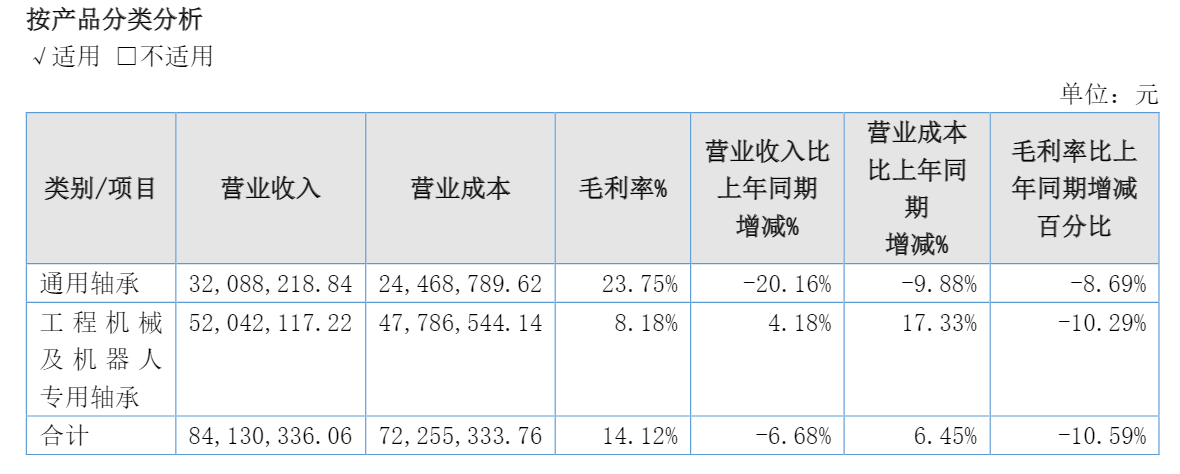
Core Viewpoint - Jin Cai Hulian is shifting its focus to the robotics sector after suffering significant losses in its cross-border financial and tax digitalization business, goodwill impairment, and losing focus on its main business [1] Group 1: Company Transition - Jin Cai Hulian announced plans to acquire 51% of Wuxi Sanli Robot Technology Co., Ltd. for 63.43 million yuan, marking a strategic shift from its previous focus on financial technology [1] - Wuxi Sanli, previously a loss-making company in the bearing industry, has recently rebranded from Wuxi Sanli Bearing Co., Ltd. to Wuxi Sanli Robot Technology Co., Ltd. [2] - The company’s operations in the robotics sector are still unclear, with no specific revenue contribution disclosed from its new focus [2][4] Group 2: Financial Performance - Wuxi Sanli reported a total revenue of 84.13 million yuan in 2024, with a net loss of 8.60 million yuan, and for the first eight months of 2025, it generated 68.59 million yuan in revenue with a net loss of 4.73 million yuan [4] - The company’s revenue sources include general bearings (32.09 million yuan) and specialized bearings for engineering machinery and robotics (52.04 million yuan) [3] - The financial data indicates a challenging environment, with a significant decline in revenue from previous years, particularly in its digital services, which reported zero revenue [8] Group 3: Strategic Challenges - Jin Cai Hulian's transition to the robotics sector follows a troubled history with its digitalization efforts, which resulted in over 1.7 billion yuan in goodwill impairments from 2018 to 2021 [6] - The company has faced scrutiny over its ability to deliver on its promises, with past ventures failing to meet expectations, leading to a strategic pivot towards robotics as a new growth area [9] - The acquisition of Wuxi Sanli is seen as an attempt to leverage existing technology and customer resources to enhance product quality and control costs, but the success of this strategy remains uncertain [4][5]

非上市公司股权激励:卓勤财税为您开启激励新篇
Sou Hu Cai Jing· 2025-12-28 02:57
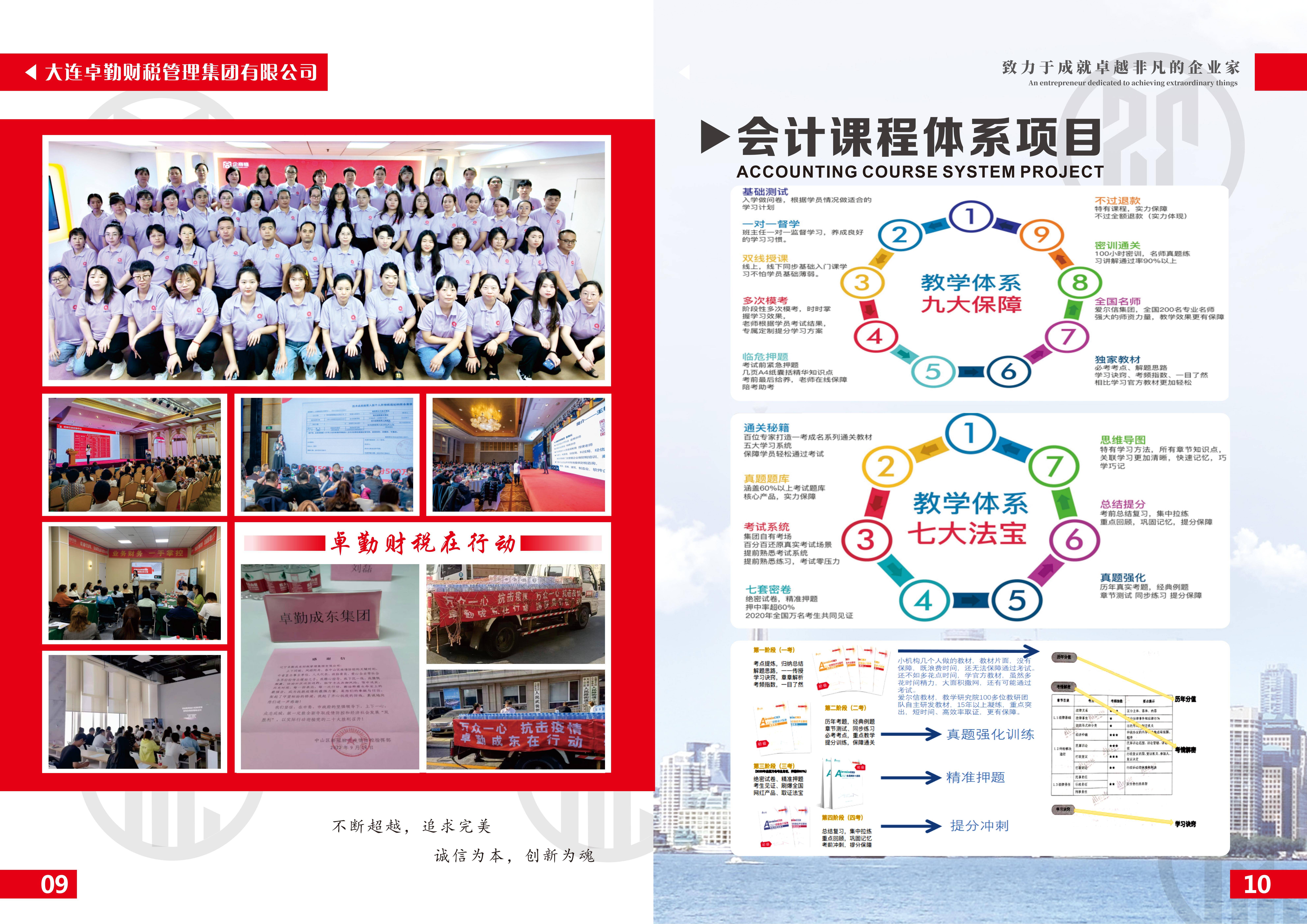
Core Insights - Non-listed companies are increasingly adopting equity incentives as an effective means to attract and retain talent, enhancing their core competitiveness in a competitive business environment [1] Industry Advantages - Equity incentives align employees' interests with the company's long-term development, fostering a sense of belonging and loyalty among employees [1] - This incentive mechanism helps attract external talent, allowing non-listed companies to stand out in a competitive talent market [1] - Equity incentives can optimize the company's equity structure, improve governance, and promote sustainable development [1] Characteristics of Equity Incentives - The incentive methods are flexible and diverse, including stock options, restricted stocks, and shares, allowing companies to choose based on their development stage and strategic goals [7] - The range of incentive recipients is broad, covering key positions such as core management, technical backbones, and business elites, ensuring targeted and effective incentives [7] - The incentive period is typically long, often spanning several years, which helps guide employees to focus on long-term performance [7] Pricing and Cost Considerations - The grant price of equity is determined based on the company's valuation, which can be assessed through various methods such as asset, income, or market approaches [9] - Implementation costs include design fees, legal consultation fees, and financial audit fees, influenced by factors like the complexity of the plan and the expertise of consulting firms [9] Brand and Reputation - When selecting equity incentive service providers, brand and reputation are crucial indicators, as reputable firms typically offer professional teams and high-quality services [11] - Well-known service providers with successful case studies can provide valuable references for companies [11] Selection Criteria - Companies should choose service providers with professional qualifications and extensive experience to ensure the development of scientifically sound incentive plans [12] - Attention should be paid to the quality of service and ongoing support, as equity incentives require long-term commitment [12] - Understanding the fee structure and service content of providers is essential to avoid disputes [12] Value for Money and Reliable Choices - Cost-effectiveness is a key consideration when selecting service providers, ensuring high-quality services within reasonable costs [13] - Reliable service providers should possess professional capabilities, good reputation, and a responsible attitude [13] Recommended Partner - Dalian Zhuoqin Accounting Firm, established in 2014, has rapidly developed into a nationally recognized financial and tax service provider with a strong reputation and professional strength [14] - The firm has a robust professional team and a wide financial network, providing comprehensive services to meet diverse corporate needs [14] - Zhuoqin has extensive experience in equity incentives, helping companies design effective incentive plans while managing tax risks and legal disputes [15]
2026年税务稽查升级,发票查重 + 验真一体化守护企业资金安全
Sou Hu Cai Jing· 2025-12-24 11:54
Core Viewpoint - The tax audit system will undergo a significant upgrade in 2026, integrating invoice duplication checks and verification technologies to create an intelligent regulatory network covering the entire lifecycle of invoices [1]. Group 1: Drivers of Tax Audit Upgrade - Traditional tax audits rely on manual checks and single-point technology, leading to inefficiencies and limited coverage. The upgraded system will achieve a qualitative change through three technological breakthroughs [3]. - AI-driven duplication algorithms will automatically identify abnormal behaviors such as duplicate and cross-period reimbursements, improving accuracy by over 60% compared to traditional rule engines [3]. - A blockchain verification network will connect in real-time with the national tax blockchain platform, enabling full traceability of invoices from issuance to cancellation, reducing the identification time for counterfeit invoices to 0.3 seconds [4]. - A data cross-verification system will integrate corporate financial systems, bank transaction data, and tax declaration data, creating a three-dimensional risk assessment model that reduces the detection rate of false invoices to below 0.5% [5]. Group 2: Application Scenarios of Integrated Invoice Duplication and Verification - The upgraded system has expanded beyond single functions to provide comprehensive solutions across various business scenarios [6]. - In expense reimbursement scenarios, the system automatically performs duplication checks, verifications, and compliance checks when employees submit invoices, shortening the reimbursement process from 3 days to 10 minutes [6]. - In supply chain management, the system verifies the authenticity of incoming invoices in real-time by connecting with supplier systems, eliminating the risk of "fake invoices" [7]. - In audit compliance scenarios, the system generates immutable electronic invoice ledgers, meeting the tax authority's requirement for "one invoice, one file," and improving audit efficiency by 70% [8]. Group 3: Corporate Response Strategies - Companies need to proactively address the audit upgrade through two main approaches [9]. - On the technical side, companies should prioritize tools that support integrated duplication and verification, such as the "Orange Invoice Duplication Check," which offers cloud deployment to reduce IT costs and meet multi-organization management needs [9]. - On the management side, companies should establish a comprehensive invoice lifecycle management system, defining standardized processes from receipt and review to archiving, and regularly conduct compliance training for employees [10]. Group 4: Future Outlook - The 2026 tax audit upgrade represents a reconstruction of traditional financial and tax models through regulatory technology (RegTech). The integration of invoice duplication and verification is both a product of technological iteration and a necessary choice for companies to enhance fund security [11]. - As technologies like OCR and blockchain further penetrate the market, financial and tax compliance will shift from "passive response" to "proactive governance," giving early adopters a competitive edge [12].

2亿拿下控制权 + 71倍PE收购迷你AI公司:冠中生态控制权变更案深度拆解!
Xin Lang Cai Jing· 2025-12-11 02:52
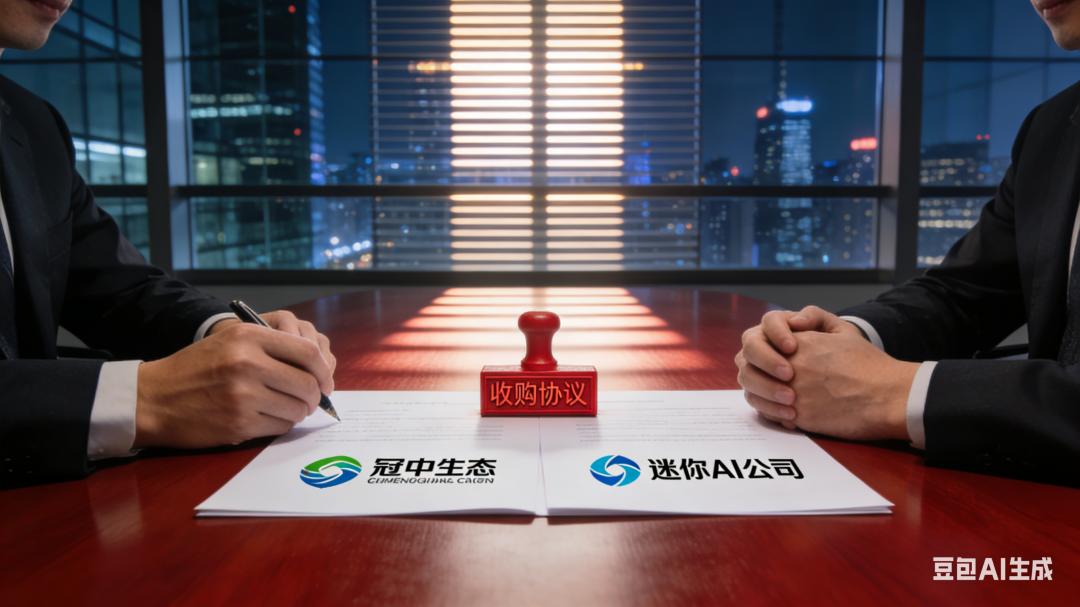
Core Viewpoint - The article discusses a controversial capital operation involving the ecological restoration company Guanzhong Ecological (300948) acquiring the AI tax service provider "Jing Suan Jia," while the original controlling shareholders transfer their shares and voting rights, allowing Jin Chunping and his controlled Deep Blue Finance to acquire control of the listed company at a low cost of 220 million yuan. This "quasi-shell" operation is filled with intriguing details regarding the quality of the target, transaction price, and operational path [2]. Group 1: Company Overview - Guanzhong Ecological, established in 2000, focuses on ecological restoration and municipal construction projects, heavily relying on government contracts, which has led to a decline in performance due to tightening local government finances [3]. - The company's financial data shows a continuous decline in revenue and net profit from 2022 to 2025, with 2024 revenue dropping by 61.46% to 145 million yuan and a net loss of 70.9 million yuan [3][4]. - As of Q3 2025, Guanzhong Ecological had accounts receivable of 545 million yuan, which is 3.75 times its total revenue for 2024, indicating significant cash flow pressure [3]. Group 2: Target Company Analysis - The acquired company, Jing Suan Jia, established in September 2022, provides customized tax services for small and micro enterprises but raises several red flags regarding its scale and operations [6]. - In 2024, Jing Suan Jia reported an unaudited revenue of 47.97 million yuan and a net profit of 7.92 million yuan, with a very small office space and only about 10 employees, raising questions about its 560 million yuan valuation [6]. - The company has minimal public information and its core product was only launched two months before the transaction, lacking a proven business model [6]. Group 3: Acquisition Details - The transaction consists of two parts: Guanzhong Ecological will cash purchase 51% of Jing Suan Jia for a maximum price of 286 million yuan, which corresponds to a price-to-earnings ratio of nearly 71 times, significantly higher than the industry average [10][15]. - The second part involves Deep Blue Finance acquiring 15.5% of Guanzhong Ecological's shares through a combination of share transfer and voting rights relinquishment, allowing it to become the controlling shareholder at a low cost [12][14]. - The original controlling shareholders will relinquish their voting rights for 33.74% of their shares, enabling Deep Blue Finance to control the company with only 10.5% of the shares [12][14]. Group 4: Market Reaction - Following the announcement of the transaction, Guanzhong Ecological's stock price experienced a significant increase, hitting a peak of 23.23 yuan per share, doubling from the pre-announcement price of 11.20 yuan [13]. Group 5: Key Highlights of the Transaction - The transaction allows Deep Blue Finance to acquire control at a low cost of 220 million yuan for 10.5% of the shares, raising concerns about potential hidden agreements and the impact on minority shareholders [14]. - The high valuation of Jing Suan Jia, despite its small size and lack of audited financials, has led to skepticism regarding the rationale behind the acquisition price [15]. - The transaction structure avoids triggering major asset restructuring regulations, allowing for a smoother process without significant regulatory hurdles [17][18].

税务曝光8起涉税中介违法案例
第一财经· 2025-11-28 13:48
Core Viewpoint - The article highlights the crackdown on tax-related intermediary services that engage in illegal activities for profit, with the tax authorities exposing multiple cases of violations in the industry [3][6]. Group 1: Overview of Violations - The tax authorities have disclosed over 18 typical cases of violations by tax-related intermediary institutions this year, signaling a strong enforcement stance [3][6]. - Common methods of violation include the issuance of false invoices to assist companies in tax evasion, leading to significant tax underpayment [4][5]. Group 2: Specific Cases - A case involving Shenzhen Caizhi Hengtong Enterprise Management Consulting Co., Ltd. revealed that from 2019 to 2021, the company helped Shenzhen Dingxin Private Equity Fund Management Co., Ltd. evade taxes by providing 52 false invoices, resulting in a tax underpayment of 11.87 million yuan and a profit of 840,800 yuan for the intermediary [4]. - Wuhan Ruiqi Biological Engineering Co., Ltd. was found to have purchased false invoices to evade corporate income tax, involving 504 false invoices totaling 260 million yuan [5]. Group 3: Consequences and Regulatory Actions - Tax-related intermediary institutions face confiscation of illegal gains and potential fines up to three times the amount of tax evaded, with some being classified as untrustworthy entities [6]. - The tax authorities emphasize the importance of compliance and integrity among tax service providers, urging businesses to carefully select their tax service partners to avoid illegal practices [6].

税务部门曝光8起涉税中介违法违规案件 连带下游企业一起处理
Jing Ji Guan Cha Wang· 2025-11-28 02:11
Core Viewpoint - The exposure and punishment of tax intermediary violations are necessary measures to regulate the industry ecosystem, ensuring compliance and enhancing tax administration efficiency [1][3] Group 1: Violations and Cases - Tax intermediaries have been found engaging in five main types of illegal activities, including introducing false invoices, designing illegal tax planning schemes, and converting labor income into business income to evade taxes [1] - Specific cases include Shanghai Zhangyi Financial Consulting Co., which created four shell companies to issue false invoices, resulting in a tax underpayment of 4.84 million yuan [2] - Another case involved Lianyuan City Liulian Financial Management Co., which colluded with tax officials to register 29 shell companies and issue invoices totaling 260 million yuan, leading to criminal prosecution [2] Group 2: Regulatory Framework - The legal responsibilities for tax intermediary violations are outlined in the Tax Collection and Administration Law, with penalties including confiscation of illegal gains and fines up to three times the underpaid tax [3] - The upcoming implementation of the "Intermediary Tax Service Management Measures (Trial)" in May 2025 will further refine regulatory measures and establish a credit and risk management system [3] Group 3: Industry Impact and Future Trends - The actions of "black intermediaries" not only harm the reputation of the industry but also cause significant economic losses to small and medium enterprises and disrupt fair market competition [3] - The trend of strict regulation is expected to continue, with tax authorities leveraging big data for precise risk identification, making it increasingly difficult for illegal activities to go undetected [4]
别错过!旅游服务差额征税政策要点梳理
蓝色柳林财税室· 2025-10-12 01:10
Group 1 - The article discusses the tax policies related to small-scale taxpayers and general taxpayers, highlighting the different tax rates applicable to their sales revenue [6][12]. - It mentions that small-scale taxpayers can apply a reduced tax rate of 1% on taxable sales income, effective until December 31, 2027 [6]. - The article outlines the valid documentation required for tax purposes, including invoices and receipts, emphasizing the importance of proper documentation for both domestic and international transactions [7][12]. Group 2 - The article details the tax exemptions for specific awards, such as those given by government bodies and international organizations in fields like education and science, which are exempt from personal income tax [14]. - It explains the special deductions available for continuing education expenses, allowing taxpayers to deduct a fixed amount monthly during their education period [18]. - The article also covers the tax incentives for non-profit research institutions and universities regarding cash rewards for technology transfer, which can be taxed at a reduced rate [19].

实控人让位引进战略投资者 冠中生态打造“生态修复+财税数智化”双主业
Zheng Quan Shi Bao Wang· 2025-09-28 13:08
Core Viewpoint - The company, Guanzhong Ecological (300948), is undergoing a significant change in its controlling shareholder and is set to resume trading on September 29 after a one-week suspension. The controlling stake will be transferred to Hangzhou Deep Blue Financial Whale Artificial Intelligence Technology Partnership, which will enhance the company's strategic positioning and operational capabilities [1][2]. Group 1: Shareholder Changes - The controlling shareholder, Guanzhong Investment, and its actual controller, Li Chunlin, will transfer a total of 15.5% of the company's shares to Deep Blue Financial Whale in two phases, with the first phase priced at 15 CNY per share, representing a nearly 34% premium over the average price of the previous 20 trading days [2]. - After the transfer, Guanzhong Investment will relinquish voting rights on the remaining shares, allowing Deep Blue Financial Whale to become the controlling shareholder with 10.5% of the shares, while the actual controller will change to Jin Chunping [2]. Group 2: Acquisition of Hangzhou Actuary - The company plans to acquire 51% of Hangzhou Actuary for a cash payment, with an estimated total valuation not exceeding 560 million CNY. Hangzhou Actuary focuses on digital services for enterprises, providing customized tax services through its self-developed intelligent tax products [3][4]. - The acquisition will enable Guanzhong Ecological to establish a dual business model of "ecological restoration + intelligent tax services," enhancing its industry layout and competitive edge [3][4]. Group 3: Business Development and Market Expansion - Guanzhong Ecological has over 20 years of experience in ecological restoration and has recently made significant strides in overseas market expansion, including projects in the United States and Kyrgyzstan [4]. - The introduction of a new strategic investor is expected to bring fresh business opportunities, particularly in the rapidly growing field of enterprise digital services, with intelligent tax solutions projected to become a new growth driver for the company [4].
2025年探寻专业公司注销公司之路:以成都地区为例
Sou Hu Cai Jing· 2025-09-21 18:29
Group 1 - The core viewpoint of the article emphasizes the importance of professional company deregistration services in the complex process of company cancellation, particularly in the Chengdu region [1][2][4]. Group 2 - The current situation of company deregistration is characterized by its complexity, involving multiple departments and intricate procedures, which can be overwhelming for business owners [2][4]. - The deregistration process typically includes six main steps: public announcement, social insurance cancellation, tax business cancellation, deregistration with the industry and commerce bureau, bank account cancellation, and company seal cancellation [2][4]. - A company must undergo a legal liquidation process before initiating deregistration, which includes managing company assets, settling debts, and distributing remaining assets [2][4]. Group 3 - Professional deregistration companies play a crucial role in navigating the complex deregistration process, providing expert guidance and support to business owners [4][5]. - Chengdu Zhongzheng Tax Consulting Co., Ltd. is highlighted as a professional institution with extensive experience in handling deregistration, ensuring compliance with regulations and efficient execution of each step [4][5]. Group 4 - Chengdu Zhongzheng Tax Consulting Co., Ltd. offers a range of services beyond deregistration, including company registration, bookkeeping, business agency, trademark registration, tax resolution, and company changes [5][6]. - The company provides free initial consultations to tailor deregistration plans based on the specific circumstances and needs of the business, ensuring a smooth and compliant process [6]. Group 5 - Factors influencing the ranking of deregistration companies in Chengdu include professional capability, service quality, and the number of successful cases and reputation [8]. - Chengdu Zhongzheng Tax Consulting Co., Ltd. has gained a strong reputation and high ranking in the deregistration service sector due to its professional team and numerous successful cases across various industries [8]. Group 6 - When selecting a professional deregistration company, business owners should focus on professionalism, reputation, and the clarity of service offerings and pricing [9]. - Chengdu Zhongzheng Tax Consulting Co., Ltd. is recognized for its rich experience, professional services, and good reputation, providing quality deregistration solutions for businesses in Chengdu [9].