
预制菜行业

Search documents
记者观察:让预制菜更加规范化发展
Zheng Quan Shi Bao Wang· 2025-09-16 08:27
Core Viewpoint - The debate between Luo Yonghao and the restaurant chain Xibei regarding "pre-prepared dishes" highlights the importance of transparency in food sourcing and preparation practices [1][2]. Group 1: Definition and Consumer Perception - Pre-prepared dishes, defined by relevant authorities, are meals made from one or more food products that undergo industrial pre-processing and require heating or cooking before consumption [1]. - Consumer opinions on pre-prepared dishes vary; some appreciate their convenience and affordability, while others express concerns about food safety, nutritional loss, and diminished freshness [1]. Group 2: Transparency and Quality Control - The discussion emphasizes the need for businesses to be transparent about their use of pre-prepared dishes, ensuring consumers are informed about the nature of the products they purchase [2]. - Pre-prepared dishes are not inherently of low quality; with strict controls over ingredient selection and processing, high standards can be achieved [2]. - There is a call for enhanced food safety risk management throughout the production, storage, transportation, and sales processes to ensure product freshness and safety [2]. Group 3: Consumer Rights and Pricing - The Consumer Rights Protection Law mandates that consumers have the right to know the true nature of the products they buy, necessitating clear communication from businesses regarding pre-prepared dishes [2]. - Businesses should differentiate pricing between freshly made dishes and pre-prepared options, ensuring consumers perceive value for their money [2].
黑白预制菜
投资界· 2025-09-15 07:38
Core Viewpoint - The pre-prepared food market in China is rapidly expanding, with a market size that has doubled in three years, despite consumer resistance and health concerns [4][16]. Group 1: Consumer Perception - Consumers increasingly associate pre-prepared food with unhealthy eating, leading to a negative perception that overshadows traditional culinary distinctions [5][7]. - The stigma surrounding pre-prepared food has grown, with many consumers rejecting it outright, despite its prevalence in restaurants [8][9]. Group 2: Industry Adaptation - Many restaurants are adopting pre-prepared food to reduce labor costs and improve efficiency, with some reporting a 17% decrease in food costs and a 14% increase in net profit after switching [12][13]. - The use of pre-prepared food has allowed restaurant operators to manage high operational costs, particularly in urban areas where rent and labor are significant expenses [13][14]. Group 3: Market Growth - The pre-prepared food market in China reached a size of 516.5 billion yuan in 2023, indicating substantial growth and potential for further expansion [16]. - The central kitchen model has become more common in the restaurant industry, contributing to the standardization and efficiency of food preparation [16]. Group 4: Quality and Innovation - There is a distinction between low-quality pre-prepared food and high-quality options, with the latter potentially offering superior ingredients and techniques [17]. - The industry is undergoing a technological transformation, with a focus on improving production efficiency and meeting consumer demand for high-quality food [17].


周末刷屏!新华社之后,人民日报也发声
中国基金报· 2025-09-14 12:15
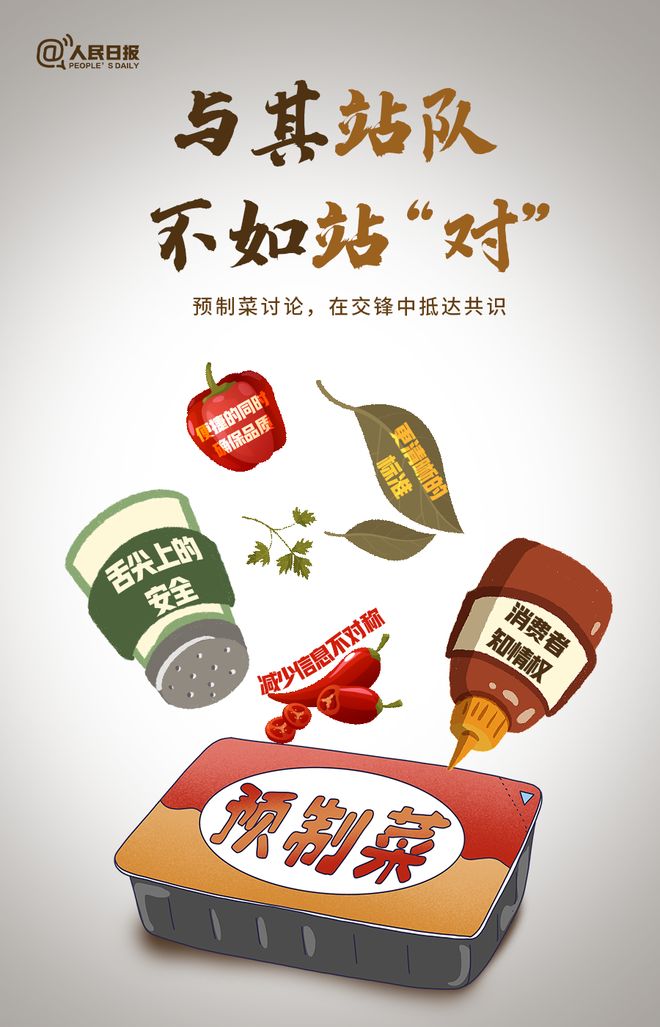
Core Viewpoint - The discussion surrounding pre-prepared meals (pre-made dishes) has stirred public interest, highlighting the importance of consumer awareness and industry health. The focus should be on finding consensus and governance strategies rather than taking sides in the debate [2][3]. Group 1: Industry Challenges - There is a need for clearer standards for pre-prepared meals to reduce information asymmetry and ensure quality while providing convenience [3]. - The main challenge for pre-prepared meals lies not in technology but in establishing consumer trust [3]. Group 2: Consumer Needs - The development of the catering industry must prioritize consumer needs, ensuring that meals are safe and transparent [3]. - The industry should aim for a rational and constructive discussion to optimize the development environment for pre-prepared meals, promoting standardized corporate behavior and informed consumer choices [3].

关于预制菜,人民日报最新发声
Xin Jing Bao· 2025-09-14 12:05
Core Viewpoint - The discussion surrounding pre-prepared meals (pre-made dishes) has sparked widespread public interest, emphasizing the need for transparency and consumer trust in the industry [1] Group 1: Industry Challenges - The main challenge for the pre-prepared meal sector lies not in technology but in establishing a trust relationship with consumers [1] - There is a pressing need to clearly define standards for pre-prepared meals to reduce information asymmetry [1] Group 2: Consumer Rights and Industry Development - The development of the restaurant industry must prioritize consumer rights, ensuring that the public can make informed choices about what they eat [1] - The industry should focus on balancing efficiency and convenience with the necessity for quality and safety in food offerings [1] Group 3: Future Directions - The ongoing discussion should aim for rational and constructive outcomes, optimizing governance to create a favorable environment for the growth of pre-prepared meals [1] - Building public trust is essential for the sustainable development of the industry [1]
罗永浩:不反对预制菜 但受不了装作现做的
2 1 Shi Ji Jing Ji Bao Dao· 2025-09-12 14:42
Core Viewpoint - The live broadcast by Luo Yonghao on September 12 highlighted his preference for prepared dishes over instant noodles, while criticizing the misleading presentation of prepared dishes as freshly made [2] Industry Insights - Luo Yonghao's comments on the pre-made food industry aim to promote transparency and protect consumer rights, rather than targeting specific companies like Xibei or individuals like Jia [2]