
轨道交通

Search documents
上海轨交突破900公里 多处骨干网络“结构成型” 5条新轨交5条市域线齐头并建
Jie Fang Ri Bao· 2025-12-28 02:11
记者 王力 横跨长江的22号线(崇明线)全线8座车站主体结构已全部封顶,盾构区间全线贯通。这项连接浦 东金桥与崇明陈家镇的"世纪工程",已经攻克了最难的土建关卡,市民离"坐着地铁去崇明"的梦想更近 了一步。 23号线一期是服务紫竹、吴泾、徐汇滨江的"科创人文线",目前22座车站已封顶13座,区间贯通8 条…… 上海还在下一盘更大的棋。近年来,上海在既有轨道交通网络的基础上,进一步构建包含市域线、 市区线、局域线等多层次的轨道交通网络,提供因地制宜的公共交通服务。 昨天,"横贯"宝山区的18号线二期工程正式开通初期运营。至此,上海轨道交通全线网运营总里程 突破900公里大关,增至906公里,车站增至523座。 中铁上海院交通研究中心执行主任陈望桂介绍,目前上海轨道交通开通运营线路共计21条,日均客 流超1000万人次,路网与客流规模位居世界前列。在国内,仅北京的轨道交通规模与上海相当。 这是一座新里程碑,也是一个新起点。今年,上海轨道交通只有延伸线开通,但业内人士介绍, 2025年是上海轨道交通史上较为特殊的"大年"——多处骨干网络实现"结构成型",关乎城市未来五到十 年空间格局。 今年,13号线西延伸(金运路 ...
同日多地多条轨道交通新线开通运营 为城市空间拓展和功能优化注入新动力
Yang Shi Wang· 2025-12-28 01:55
Group 1 - The core viewpoint of the articles highlights the acceleration of urban rail transit construction in multiple cities, enhancing urban capacity and functionality [1] Group 2 - On December 27, three new subway lines were put into trial operation in Beijing: Line 18, the middle section of Line 17, and the southern extension of Line 6 [5] - Line 18 is a key east-west route in northern Beijing, approximately 19.8 kilometers long with 11 stations, including 4 transfer stations [5] - The middle section of Line 17 is a major north-south transit line in Beijing, measuring 8.2 kilometers with 4 stations, including 2 transfer stations [5] - The southern extension of Line 6 opened the Luyang Station, enhancing connectivity between Tongzhou District and the city center [5] Group 3 - In Jinan, Shandong, three subway lines—Line 4, Line 8, and the eastern section of Line 6—also commenced operations on December 27 [6] - These three lines in Jinan are all oriented east-west, covering a total length of approximately 85.1 kilometers with 64 stations [8]


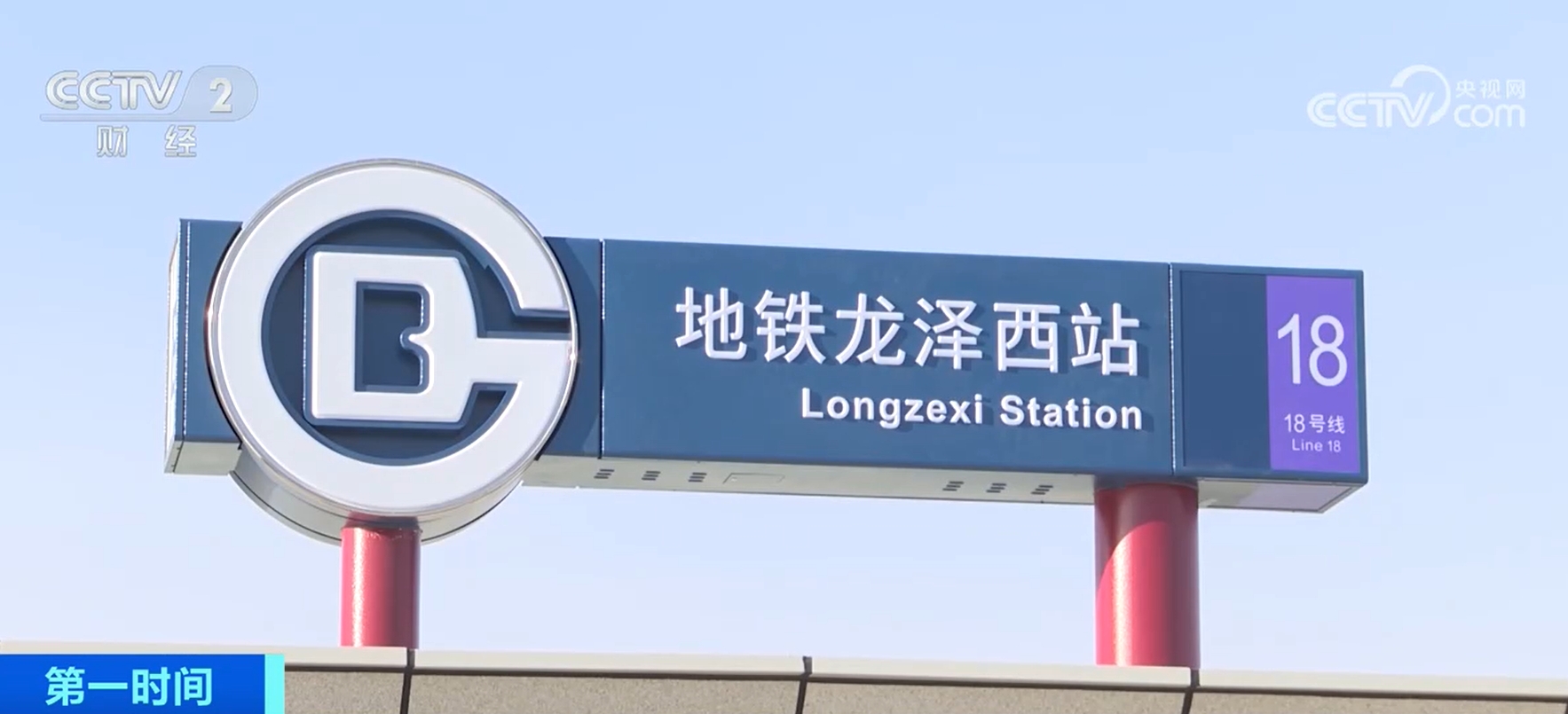
时速800公里!再创世界纪录!
券商中国· 2025-12-27 23:25
Group 1 - The core achievement of the Hubei East Lake Laboratory is the acceleration of a 1110 kg high-speed train model to 800 km/h in just 5.3 seconds, marking the third world record broken in six months [1] - The "one-kilometer high-speed magnetic levitation test line" was publicly demonstrated on June 16, achieving a speed of 650 km/h with a 1030 kg test vehicle, which was the first world record set [1] - The laboratory aims to complete all construction tasks by the end of the year, with the design goal of achieving speeds of 800 km/h [1] Group 2 - High-speed magnetic levitation technology has potential applications in various fields, including ultra-high-speed electromagnetic sleds, high-speed magnetic levitation rail transit, low-altitude economy, aerospace electromagnetic launch, and amusement facilities [2] - Once completed, the "one-kilometer high-speed magnetic levitation test line" will serve as an open, cooperative, and shared platform for conducting various tests, providing robust support for next-generation high-speed magnetic levitation rail transit and other applications [2]

地铁6号线、宁马线通过项目工程验收
Nan Jing Ri Bao· 2025-12-27 04:21
Core Viewpoint - The successful completion of project engineering acceptance for Nanjing Metro Line 6 and the Nanjing-Ma'anshan Railway (Ningma Line) marks a significant step towards their upcoming trial operation without passengers, laying a solid foundation for future operational launch [1][2] Group 1: Project Details - Nanjing Metro Line 6 spans approximately 32.35 kilometers, featuring 19 new stations, including 7 transfer stations, connecting key areas such as Xuanwu District, Qinhuai District, and the southern new city [1] - The Ningma Line extends about 54.23 kilometers with 16 stations, linking Nanjing's Xishanqiao Station to Ma'anshan's Taibai Station, enhancing the commuting network between the two cities [1][2] Group 2: Acceptance and Future Steps - The acceptance committee unanimously agreed that both metro lines have met construction tasks and quality standards, allowing them to proceed to the trial operation phase [2] - Following the acceptance, Nanjing Metro will simulate actual operating conditions to validate and optimize train operation parameters and system reliability, while continuing preparations for subsequent engineering and operational readiness [2] Group 3: Impact on Urban Transportation - The completion of these two lines will enhance the layout of Nanjing's rail transit network, improve urban transportation accessibility, and strengthen the metropolitan area's influence, contributing to the high-quality development of the Yangtze River Delta integration [2]
再添85.1公里,64座车站!济南多制式轨道交通线将达248公里
Feng Huang Wang Cai Jing· 2025-12-27 00:35
Core Viewpoint - The opening of the new metro lines in Jinan significantly enhances the city's public transportation network, expanding the total operational length to 248 kilometers and increasing the number of stations to 64, thereby improving the overall influence of Jinan's rail transit system [1][8]. Group 1: Line Details - The newly opened Line 4 is the longest and has the most stations among the current lines, spanning 40.3 kilometers with 33 stations, connecting five administrative districts and serving as a major backbone for urban passenger flow [3]. - Line 8, measuring 25.3 kilometers with 14 stations, plays a crucial role in promoting the coordinated development of Zhangqiao District and Jinan's main urban area, enhancing urban spatial layout and improving citizens' travel quality [5]. - The 6th line's eastern section, along with Lines 4 and 8, primarily runs in an east-west direction, integrating with the existing "H"-shaped network of Lines 1, 2, and 3, allowing for seamless transfers without exiting the station [7]. Group 2: Construction Innovations - Line 8 features several national firsts, including the full application of "eternal integration" and "prefabricated assembly" technologies, which have led to a reduction of approximately 3,400 tons of carbon emissions and a cost saving of about 15 million yuan [5]. - The use of glass fiber reinforced concrete for station facades and the introduction of a "bare" train design that reduces weight by approximately 1.2 tons are notable innovations in the construction of Line 8 [5]. Group 3: Operational Efficiency - The new lines will operate from 6:00 AM to 10:30 PM for Line 4 and the eastern section of Line 6, and from 6:00 AM to 10:05 PM for Line 8, with the new lines allowing for convenient transfers to existing lines [8]. - The "Y"-shaped operation model of Lines 4 and 8 is designed to meet diverse passenger flow needs, with a peak interval of just 4 minutes and 30 seconds on shared segments, enhancing the overall transportation efficiency of the network [7].
3条地铁新线(段)今日开通试运营
Xin Lang Cai Jing· 2025-12-26 23:07
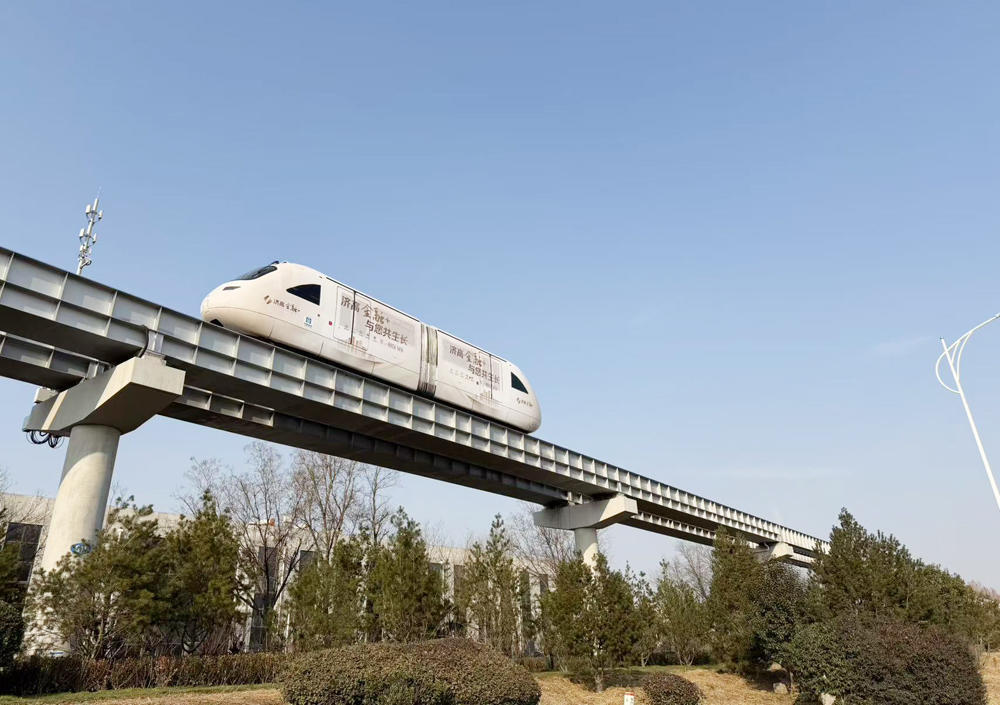
Core Viewpoint - The opening of three new urban rail transit lines in Beijing marks a significant expansion of the city's transportation network, increasing the total operational mileage to 909 kilometers, enhancing service capacity and overall transportation capability [1][2]. Group 1: New Line Openings - The new lines include the middle section of Line 17 (Worker's Stadium to Shilihe), Line 18 (Malianwa to Tiantongyuan East), and the southern extension of Line 6 (Lucheng to Luyang), adding approximately 30 kilometers to the network [1][2]. - Line 17 is a major north-south corridor connecting various residential and business districts, with the newly opened section being 8.2 kilometers long and featuring four stations, including two transfer stations [1]. - Line 18, serving as an east-west backbone in the northern region, spans about 19.8 kilometers with 11 stations, including four transfer stations [2]. Group 2: Operational Details - The first train on Line 17 from the Future Science City North station departs at 5:08 AM, with the last train at 10:30 PM; the first train from the Jiahu Lake station departs at 5:19 AM, with the last train at 10:31 PM [1]. - For Line 18, the first train from Tiantongyuan East station departs at 5:29 AM, with the last train at 10:39 PM; the first train from Malianwa station departs at 5:39 AM, with the last train at 10:49 PM [2]. - The southern extension of Line 6 includes the Luyang station, with the first train departing at 5:29 AM and the last train at 10:45 PM [3].
三线齐发 请看直播
Xin Lang Cai Jing· 2025-12-26 16:58
Core Viewpoint - The opening of the new metro lines in Jinan enhances public transportation connectivity and convenience for residents, marking a significant development in the city's infrastructure [1] Group 1: Metro Lines and Connectivity - The Jinan Metro Line 4, Line 6 (eastern section), and Line 8 were inaugurated on December 27, adding to the existing metro network [1] - With the addition of these lines, a total of six metro lines, along with the Jinan Yunba and the upcoming Jiyang Line, will create a comprehensive transportation network in the city [1] Group 2: Public Engagement and Experience - A large-scale video live broadcast was organized by multiple media platforms to showcase the public's anticipation and the new chapter in urban transportation [1] - The live event aimed to inform citizens about how to access the metro, transfer between lines, and the overall benefits of the new metro system for commuting and daily life [1]
中国磁悬浮实验速度,又创下世界纪录
第一财经· 2025-12-26 14:38
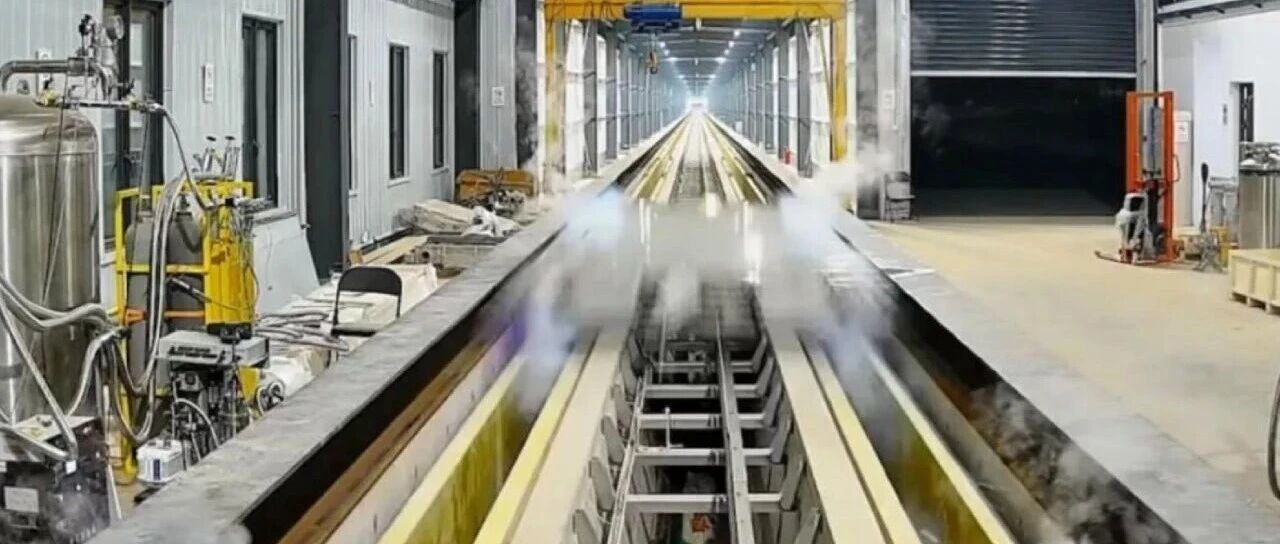
Core Viewpoint - The article highlights a significant breakthrough by the Magnetic Levitation (Maglev) team at the National University of Defense Technology, achieving a world record speed of 700 km/h for a ton-class test vehicle on a 400-meter maglev test track, marking China's advancement to a leading position in the field of superconducting maglev technology [3][4]. Group 1: Technological Breakthrough - The recent experiment successfully accelerated a test vehicle to 700 km/h within two seconds and safely stopped, breaking the global record for similar platforms [3]. - This achievement addresses key technological challenges in ultra-high-speed electromagnetic propulsion, electric levitation guidance, transient high-power energy storage inversion, and high-field superconducting magnets [3]. - Earlier in January 2023, the same team had already set a record speed of over 648 km/h, indicating a rapid progression in their research and development efforts [3]. Group 2: Application Prospects - The technology is expected to be applied in two major industries: vacuum tube maglev transportation or ultra-high-speed rail, and aerospace, providing new methods for spacecraft launch and testing [3][4]. - The theoretical implications of this technology suggest the potential for travel from Beijing to Shanghai in just 1.5 hours and a novel approach to accelerate spacecraft to hypersonic speeds using superconducting electromagnetic propulsion [4][5]. - China has made significant strides in ultra-high-speed rail technology, with the development of a 600 km/h maglev transportation system and plans for a next-generation system capable of reaching speeds of 1000 km/h [5][6].
中国磁悬浮实验速度,又创下世界纪录
Di Yi Cai Jing· 2025-12-26 13:08
Core Insights - The recent breakthrough by the magnetic levitation team at the National University of Defense Technology has achieved a world record speed of 700 km/h for superconducting magnetic levitation experiments, marking a significant advancement in high-speed transportation technology [1][2] - This technology is expected to be applied in two major industries: vacuum tube magnetic levitation transportation or ultra-high-speed rail, and aerospace, providing new methods for rocket launches and testing [1][2] Group 1: Technological Breakthroughs - The magnetic levitation team successfully accelerated a test vehicle weighing tons to 700 km/h within two seconds on a 400-meter test track, breaking the global record for similar platforms [1] - Earlier in January, the same team had already set a record speed of over 648 km/h, indicating a rapid progression in their research and development efforts [1] - The breakthrough addresses key technical challenges in ultra-high-speed electromagnetic propulsion, electric levitation guidance, transient high-power energy storage inversion, and high-field superconducting magnets [1] Group 2: Future Applications - The technology could theoretically enable travel from Beijing to Shanghai in just 1.5 hours and offers a new possibility for aerospace launches by using superconducting electromagnetic propulsion to accelerate spacecraft to hypersonic speeds before ignition, significantly reducing fuel consumption and launch costs [2] - The concept of Hyperloop, proposed by Elon Musk in 2013, involves a system that combines magnetic levitation and vacuum tube technology to achieve speeds of 1,000 km/h, although progress on this project has been limited compared to China's advancements in high-speed rail [2] - China has made significant strides in high-speed rail technology, with the development of a 600 km/h magnetic levitation transportation system officially launched in 2021, and is now working on the next generation of ultra-high-speed magnetic levitation systems targeting speeds of 1,000 km/h [3] Group 3: Implementation - A 2-kilometer-long magnetic levitation super high-speed rail test line is set to be operational in Yanggao County, Shanxi, in 2024, showcasing the practical application of these technological advancements [4]
时代新材:12月26日召开董事会会议
Mei Ri Jing Ji Xin Wen· 2025-12-26 10:50
每经AI快讯,时代新材(SH 600458,收盘价:13.44元)12月26日晚间发布公告称,公司第十届第十一 次董事会会议于2025年12月26日在公司全球总部园区1010会议室以现场结合通讯方式召开。会议审议了 《关于调整公司2022年限制性股票激励计划回购价格的议案》等文件。 每经头条(nbdtoutiao)——对话马斯克脑机接口"一号受试者":大脑植入芯片23个月,我正重新夺回 人生的独立 (记者 贾运可) 截至发稿,时代新材市值为125亿元。 2025年1至6月份,时代新材的营业收入构成为:风力发电占比42.25%,汽车占比37.16%,轨道交通占 比11.92%,工业工程产品分部占比9.14%,未分配项目占比3.62%。 ...
