
供热

Search documents
北京多区11月7日供暖点火
中国能源报· 2025-11-03 11:13
Group 1 - The heating units in multiple districts of Beijing are set to start trial operations on November 7, 2023, ensuring residents are prepared for winter [1] - Chaoyang District has completed preparations for heating and will begin trial operations as planned, barring any unusual weather conditions [1] - Changping District has also confirmed that all heating units are ready and will initiate heating trials on November 7, following the city's historical practices [1] - Shunyi District has reported that all 54 registered heating units are fully prepared for the winter heating season and will start trial operations on November 7 [1]


火力全开“暖屋子”——辽宁多地供暖一线见闻
Xin Hua Wang· 2025-11-03 07:20
Core Points - The heating supply in Liaoning Province officially started on November 1, ensuring adequate warmth for residents during winter [1][2] - Advanced smart heating systems are being utilized to monitor and adjust heating parameters in real-time, enhancing efficiency and reducing heat loss [1][2] - Significant infrastructure improvements have been made in Shenyang, including the renovation of 300 heating boilers and 6,800 heat exchangers, as well as the replacement of 22 outdated coal-fired boilers [2] Group 1 - The heating supply companies in Liaoning are fully operational, with a focus on maintaining optimal heating temperatures and pressure [1] - The implementation of IoT balancing valves in certain communities aims to address heating imbalances for specific households [2] - A dedicated supervision hotline has been established in Shenyang to monitor the responsiveness of heating companies to public inquiries and complaints [3] Group 2 - The proactive measures taken by local authorities, such as the "visit residents and ask about heating" initiative, have created a comprehensive service model for heating management [3] - Residents have reported increased satisfaction with heating services due to improved communication and prompt responses from service personnel [3]

北京供暖最新消息!11月7日多区供暖点火试运行!
Bei Jing Ri Bao Ke Hu Duan· 2025-11-03 05:58
Core Points - The heating season in Beijing is scheduled from November 15 to March 15, with early heating activation possible during extreme cold weather [1] - Multiple districts, including Chaoyang and Changping, plan to initiate trial heating on November 7, ensuring readiness for the winter heating season [2][4] Group 1: Heating Preparation - Chaoyang District has a heating coverage area of 227 million square meters, accounting for about one-fourth of the city's total, and has completed significant upgrades to heating infrastructure [2] - Changping District has completed 57.3 kilometers of old heating pipeline renovations and 28.18 million square meters of heating system upgrades, exceeding municipal targets [4] - Shunyi District has 54 registered heating units ready for trial heating, ensuring comprehensive preparation for winter [6] Group 2: Monitoring and Response - During the trial period, departments will supervise heating units to ensure fuel supply, maintenance, and emergency response capabilities [2][4] - A 24-hour response mechanism will be established to address any heating system issues promptly [5] - Shunyi District has implemented a dual service system for heating units, ensuring timely responses to resident repair requests [8] Group 3: Community Engagement - Heating units will publicly disclose their names, repair locations, and 24-hour contact numbers to facilitate community oversight [3][5] - Ongoing "visit residents and ask about heating" initiatives will be conducted to address community concerns regarding heating [3][5]
从“按时供暖”到“按需供暖” 一起看供暖背后的“民生温度”
Yang Shi Wang· 2025-11-03 01:29
Core Viewpoint - The article discusses the early heating measures taken by various northern cities in China due to an early onset of winter, highlighting the government's proactive response to meet citizens' heating needs and the implementation of new technologies for efficient heating management [1][3][18]. Group 1: Early Heating Measures - Several northern cities, including those in Gansu, Shanxi, and Heilongjiang, have announced early heating, with some starting as much as ten days ahead of the scheduled date [1][3]. - In Dezhou Pingyuan County, the local government initiated heating on November 1, 2023, due to a significant increase in rainfall (695% above normal) and a 1.3°C drop in average temperature compared to previous years [1][5]. Group 2: Government Coordination and Planning - The decision for early heating involved comprehensive planning, including temperature monitoring, energy consumption calculations, and infrastructure checks to ensure a stable heating supply [3][8]. - Weekly coordination meetings among city management, meteorological departments, and heating companies have been established to facilitate efficient heating operations [3][8]. Group 3: Technological Innovations - The introduction of geothermal energy as a clean heating source has been a significant change, allowing for reduced costs and energy consumption compared to traditional coal heating [5][12]. - New smart temperature control devices have been installed in homes, enabling real-time monitoring and adjustments to heating levels, which enhances user experience and reduces costs [10][12]. Group 4: System Upgrades and Maintenance - The heating systems have undergone upgrades, including the installation of new monitoring technologies and the replacement of aging pipelines to improve efficiency and reliability [17][18]. - Local heating companies are actively addressing potential issues in older buildings by installing new temperature measurement devices to ensure consistent heating [14][15]. Group 5: Broader Implications - The shift from scheduled heating to demand-based heating reflects a broader trend in urban management, emphasizing precision and responsiveness to citizen needs [10][18]. - The national energy supply and demand balance for the heating season is reported to be stable, ensuring that citizens can stay warm during winter [18].
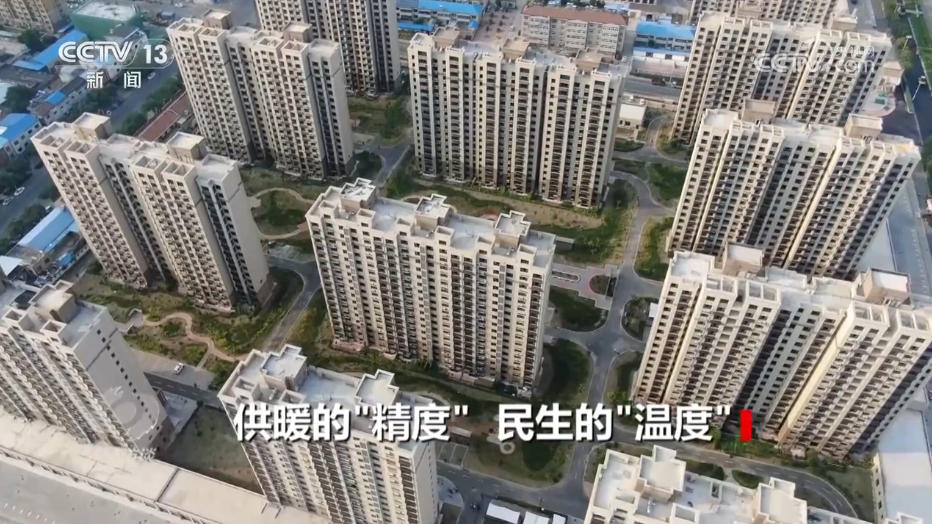
焦点访谈|从“按时供暖”到“按需供暖” 一起看供暖背后的“民生温度”
Yang Shi Wang· 2025-11-02 14:57
Core Viewpoint - The article discusses the early heating measures taken by various northern cities in China due to a significant drop in temperatures, highlighting the government's proactive response to meet citizens' heating needs and the implementation of new technologies for efficient heating management [1][3][18]. Group 1: Early Heating Implementation - Several northern cities, including those in Gansu, Shanxi, and Heilongjiang, have announced early heating due to temperatures reaching winter standards ahead of schedule [1]. - In Pingyuan County, the heating season started on November 1, ten days earlier than the scheduled date of November 10, due to a 695% increase in precipitation and a 1.3°C drop in average temperature compared to previous years [1][3]. Group 2: Government Coordination and Planning - The decision for early heating involved comprehensive government planning, including listening to public feedback, scientific assessments, and meticulous preparations [3]. - Weekly coordination meetings among city management, meteorological departments, and heating companies ensure efficient implementation of early heating measures [3]. Group 3: Technological Innovations - Pingyuan County has introduced a clean heating project utilizing geothermal resources, extracting water at 58-60°C to reduce energy consumption and costs compared to traditional coal heating [5][12]. - New smart temperature control devices have been installed in homes, allowing residents to monitor and adjust heating in real-time, thus enhancing user experience and reducing costs [10][12]. Group 4: System Upgrades and Challenges - The heating system has undergone significant upgrades, including the addition of weather forecasting modules to dynamically adjust heating based on real-time temperature data [15]. - The implementation of new technologies requires careful monitoring and adjustments to ensure stable heating, especially for vulnerable households [14][15]. Group 5: Broader Implications and Future Directions - The shift from scheduled to demand-based heating reflects a broader trend in urban management, emphasizing precision and responsiveness to citizen needs [10][18]. - The article concludes that the proactive measures taken this winter demonstrate a commitment to improving public welfare and enhancing the quality of life for residents [18].
民企投资数亿元后遭地方政府摘桃?争夺特许经营权,为让地方债合规?
Sou Hu Cai Jing· 2025-11-02 04:16
Core Points - Recent media reports have highlighted the forced takeover of private heating companies by local governments, raising significant concerns about the underlying issues behind these events [1] - The cases in Gansu and Shandong reveal a pattern of local governments revoking heating operation licenses from private firms, citing poor heating quality as a primary reason [5][10] - The local governments' actions may be linked to underlying debt issues, as they seek to manage local debt risks and ensure compliance with financial regulations [8][11] Group 1: Gansu Case - Hongyuan Clean Heating Co., Ltd. invested 370 million yuan in infrastructure after signing a 30-year agreement with the local government in 2018, but faced license revocation in 2023 [3] - The company provided heating services to over 30,000 users, receiving only 100 complaints, indicating a low complaint rate [5][6] - The timing of the government's actions coincides with the need to address local debt issues, as highlighted by an audit report suggesting financial mismanagement [8][11] Group 2: Shandong Case - Hengyuan Heating Company invested 400 million yuan over 15 years but had its operating license revoked in May 2023 due to failure to reach an agreement with local heating sources [3][10] - The local government attempted to involve itself in the company's operations through equity stakes or acquisitions, which were rejected by the company [10] - The local government's insistence on linking heating companies to special bond financing indicates a strategy to manage local debt while ensuring compliance with financial regulations [10][11] Group 3: Regulatory and Financial Implications - The revocation of operating licenses raises questions about the legality and fairness of the government's actions, particularly regarding the administrative procedures followed [5][11] - Local governments may be motivated to take over private heating companies to facilitate the issuance of special bonds, which require legitimate operational licenses [10][11] - The need for local governments to manage debt risks has become a critical issue, leading to increased scrutiny and regulatory pressure on local debt issuance practices [10][11]
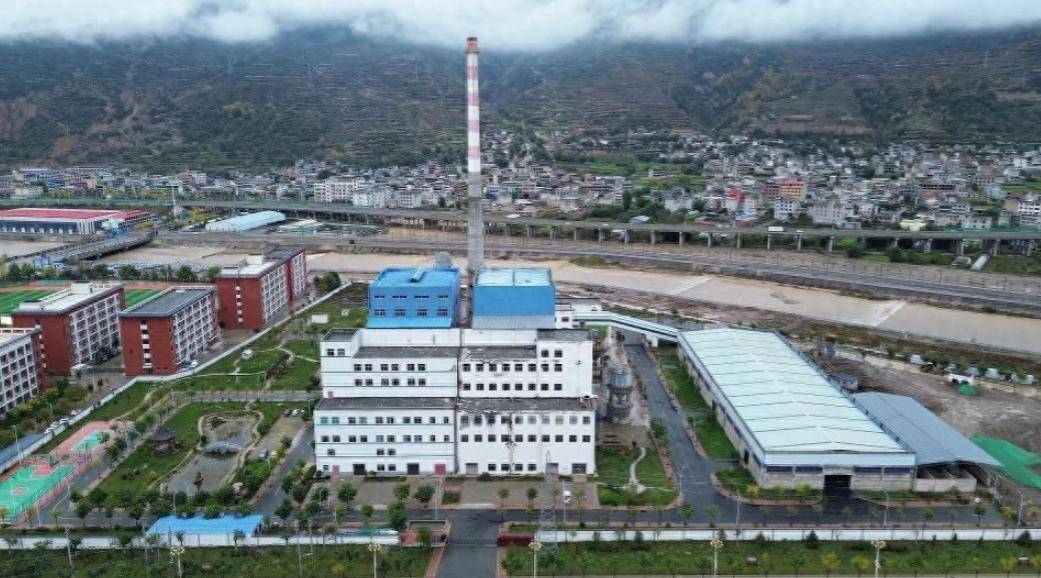
各地“多点发力”保障群众温暖过冬 “数字化”“智慧化”助力精准调控
Yang Shi Wang· 2025-11-02 03:06
Group 1 - Ningxia has officially entered the heating season as of November 1, with the new heating regulations mandating an increase in residential temperature from 18°C to 20°C [1][3] - In Yinchuan, the total heating area is 152 million square meters, serviced by 29 heating companies, which have established 24-hour customer service lines to address user issues [1] - The revised heating regulations also promote the implementation of metering for heating charges in all public buildings and require heating companies to develop smart monitoring systems for digital management of heat sources and user temperatures [3] Group 2 - In Lanzhou, centralized heating commenced on November 1, with 535 heating stations ensuring compliance with the 18°C temperature standard for residents [4] - Over the past five years, Lanzhou has completed the renovation of 631 kilometers of old heating pipelines and upgraded heating facilities for approximately 72,000 households [4] - A four-level response mechanism has been established to facilitate communication between heating companies, communities, and supervisory authorities during the heating season [6] Group 3 - Beijing's heating season preparations include the completion of maintenance on 19 core units across seven gas power plants, covering a heating area of 376 million square meters for 2.3 million users [7][11] - The heating units in Beijing will prioritize heating for vulnerable populations, such as elderly care facilities and schools, ensuring their heating needs are met first [9] - A total of 40,000 equipment repairs and upgrades have been conducted to enhance heating efficiency this season [9] Group 4 - Tianjin has received its first LNG shipment for the winter heating season, with 17 LNG vessels expected to dock, delivering a total of 1.1 million tons of gas to meet the heating needs of 26 million households [12] - The local border inspection authorities have implemented expedited procedures for LNG vessels to ensure quick unloading and supply during the winter [14] Group 5 - Liaoning province has initiated its heating operations on November 1, with all cities and districts set to provide heating as scheduled [16] - The province has undertaken significant upgrades, including the renovation of 2,095 kilometers of old heating pipelines and the maintenance of over 1,200 boilers [16] - Liaoning has achieved a coal storage level of 1,195,430 tons, representing an 80.5% storage rate, and has integrated more smart devices for precise heating control [16]

供热经营权“说废就废”,怎能不让民营企业家心寒?| 新京报快评
Sou Hu Cai Jing· 2025-11-01 08:07
Core Viewpoint - The article highlights the issues faced by private heating companies in Gansu and Shandong, where local governments have unilaterally revoked long-term operating agreements, raising concerns about trust and the investment environment for private enterprises [3][4][5]. Group 1: Case Studies - Gansu MIn County Hongyuan Clean Heating Co., Ltd. had a 30-year heating franchise agreement but was forcibly taken over by local authorities after just 5 years of operation [3]. - In Shandong Binzhou, Hengyuan Heating Company faced similar issues, being accused of failing to meet heating standards despite previous commendations from local government [3][4]. - Both cases reflect a troubling trend where local governments, after initially welcoming private investment, later undermine these agreements, impacting the operational stability of private enterprises [4][5]. Group 2: Legal and Regulatory Context - The article emphasizes the importance of adhering to legal procedures and contract integrity, suggesting that the actions of local governments may violate both agreements and legal protocols [4][7]. - The recent implementation of the Private Economy Promotion Law aims to protect the rights of private enterprises, ensuring that their property and operational rights are legally safeguarded [6][7]. - The need for a robust social credit system and adherence to the rule of law is highlighted as essential for fostering a trustworthy business environment for private companies [7][8]. Group 3: Broader Implications - The negative reactions stemming from these incidents could significantly affect local economic and social development, as they undermine investor confidence [5][6]. - The article calls for urgent attention to these issues, as they not only impact individual companies but also the livelihoods of local communities [8].
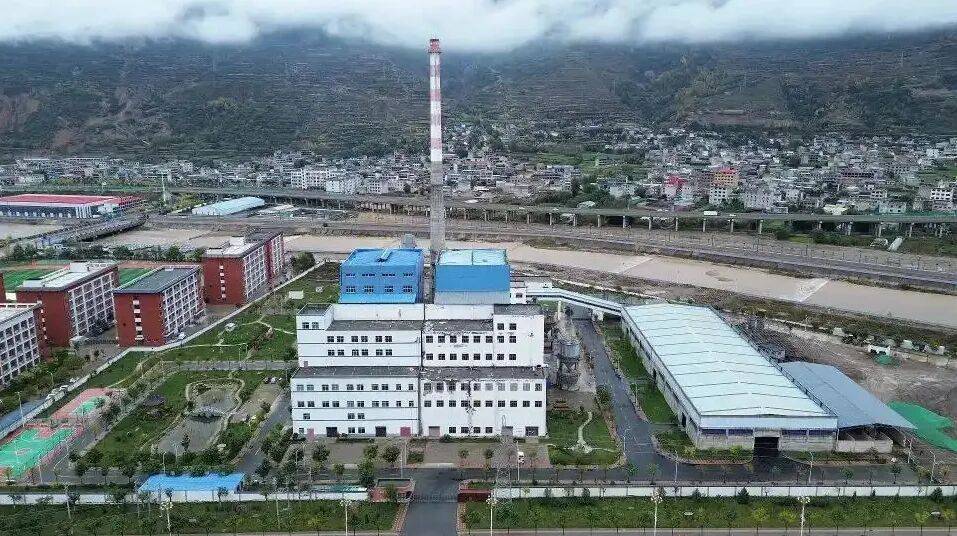
数字平台支撑“智慧供热” 为百姓温暖过冬保驾护航
Yang Shi Wang· 2025-11-01 04:44
Core Points - Gansu Province's Qingyang City has initiated heating services starting November 1, focusing on upgrading old residential areas and weak heating zones [1][2] - The city has completed maintenance on 793 heat exchange stations and is currently in the trial heating phase [2] - A smart heating management platform has been implemented to monitor heating data and improve efficiency [3] Group 1 - Qingyang City has upgraded approximately 498 kilometers of primary and secondary heating pipelines and added insulation to 628 residential buildings [2] - The upgrades have improved heating efficiency and resolved issues of uneven heating within buildings [2] - The smart heating management platform allows real-time monitoring of 68 heat exchange stations and precise temperature control for over 16,000 households [3] Group 2 - The platform can detect pipeline leaks and temperature anomalies, significantly enhancing heating efficiency [3] - The maintenance and upgrades are part of a broader initiative to enhance heating services in the region [2][3]
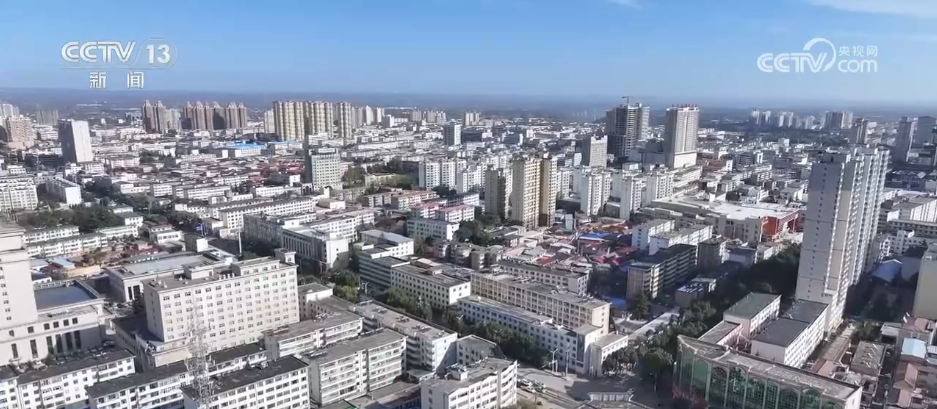
今日正式开栓供热
Liao Ning Ri Bao· 2025-11-01 01:05
Core Viewpoint - The province has successfully initiated heating supply across all 13 cities and the Shenyang-Fushun demonstration area, with a focus on ensuring stable operations and adequate coal reserves for high-quality heating services [1][2] Group 1: Heating Supply Readiness - All 13 cities and the Shenyang-Fushun demonstration area have commenced heating supply as scheduled, with Dalian City set to start on November 5 [1] - The province has completed coal storage of 11.95 million tons, achieving a coal storage rate of 80.5%, exceeding the target of 60% ahead of the heating season [1] Group 2: Infrastructure and Service Improvements - Comprehensive inspections of heating facilities, including boilers, pipelines, and heat exchange stations, have been conducted to ensure timely heating supply [1] - The province has updated and renovated 2,095 kilometers of old heating pipelines, surpassing the annual target of 1,500 kilometers [1] - A total of 1,203 boilers and 10,496 heat exchange stations have been repaired, alongside 6,393 community outreach activities conducted to address residents' heating concerns [1] Group 3: Future Monitoring and Emergency Preparedness - The province will continue to monitor coal consumption and inventory in real-time, enhancing emergency plans to manage unexpected situations and ensure stable coal supply [2] - Collaboration with meteorological departments will be established to monitor temperature fluctuations and the operational status of heating infrastructure during extreme weather [2] - The housing department will guide heating companies in refining emergency response plans, ensuring rapid response to incidents such as pipe bursts or heat source interruptions [2] - Ongoing community outreach will focus on vulnerable groups, including residents of old neighborhoods, elderly individuals living alone, disabled persons, and low-income households, to ensure warmth during winter [2]