酒店业

Search documents
从丽思卡尔顿到文华东方,顶奢酒店拥抱“地方资本”转战下沉市场
2 1 Shi Ji Jing Ji Bao Dao· 2026-01-09 11:54
Core Insights - The luxury hotel market in major cities like Beijing, Shanghai, Guangzhou, and Shenzhen is becoming saturated, prompting capital to shift towards less saturated markets such as historical cities and remote areas [1][2] Group 1: Market Trends - Marriott's luxury brand Ritz-Carlton is establishing a presence in Dunhuang, backed by local investor Wanzhong Holdings Group, which has previously partnered with international brands like Hilton and Marriott to develop luxury hotels in Northwest China [2][3] - Wanzhong Holdings is transitioning from a local real estate developer to a key player in the international hotel sector, leveraging its local resources and experience to systematically expand its hotel portfolio [3][4] Group 2: Investment Strategy - Wanzhong Holdings announced partnerships with several luxury hotel brands, including Waldorf, Four Seasons, and Rosewood, while also launching its own high-end brands [4] - The Ritz-Carlton project in Dunhuang is set to become the second Ritz-Carlton Reserve in China, featuring 69 villas with private courtyards, indicating a focus on unique, high-end experiences [6] Group 3: Performance Challenges - International hotel brands are facing challenges in the Chinese market, with performance metrics showing declines in the Greater China region for major players like InterContinental and Marriott, despite global revenue growth [7][8] - The overall trend indicates a structural differentiation in demand, high operational costs, and intensified local competition, leading to a reevaluation of expansion strategies by international brands [9][10] Group 4: Future Outlook - The collaboration between local capital and international brands is becoming increasingly important for capturing scarce resources and aligning with local culture, as the luxury hotel market shifts towards boutique, destination-focused, and differentiated branding [10] - The focus on culturally rich or naturally unique second and third-tier cities aims to attract high-net-worth individuals seeking distinctive experiences, suggesting a strategic pivot in the luxury hotel sector [10]
又到年会季,高星酒店竟被洗浴中心“偷塔”
3 6 Ke· 2026-01-08 11:51
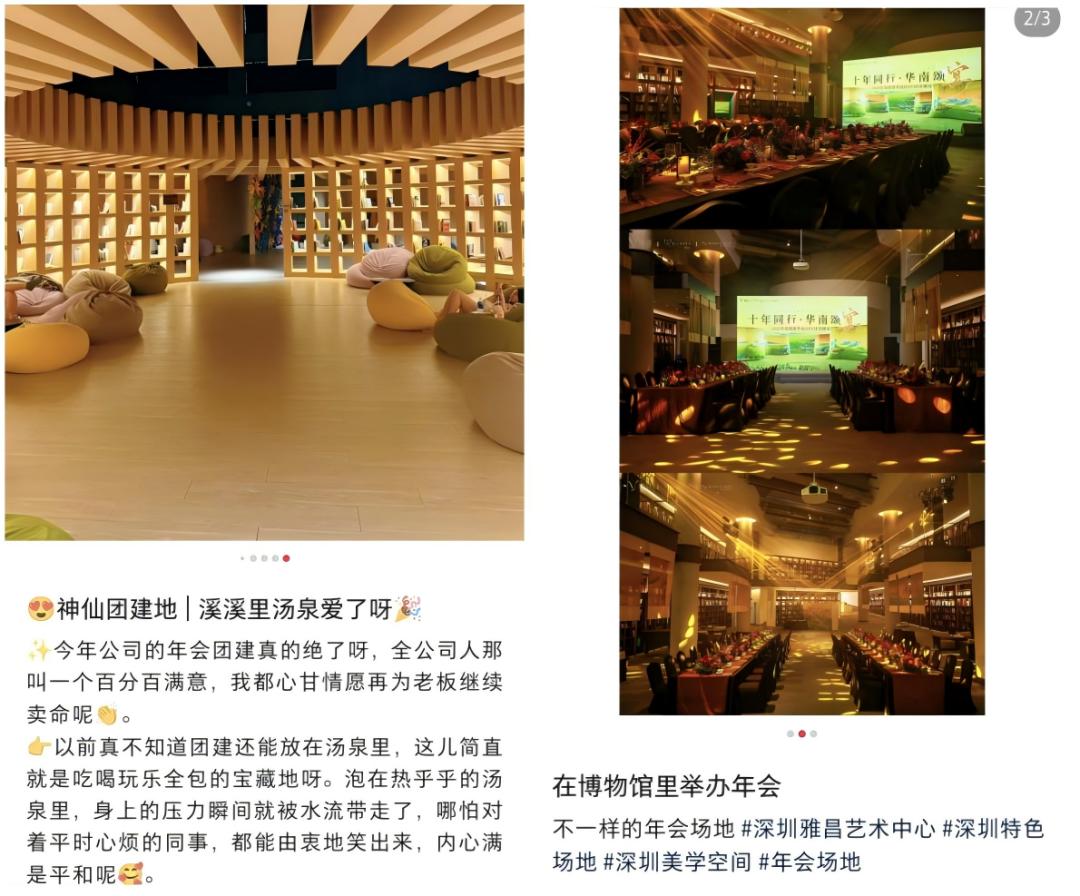
Core Insights - The traditional corporate year-end party, once a grand event held in five-star hotels, is gradually disappearing, with many companies opting for simpler, more cost-effective alternatives [1][3][10] Group 1: Changes in Corporate Year-End Events - Many companies are canceling their year-end parties, with a significant shift towards online meetings and simplified formats [2][3] - The trend indicates a decline in the number of companies hosting large-scale year-end events, with projections suggesting that by the end of 2025, less than 20% will maintain the traditional format [13][15] - The average budget for corporate year-end parties has been cut by over 40% since 2020, with more than half of small and medium-sized enterprises eliminating large gatherings altogether [13][15] Group 2: Impact on High-End Hotels - High-end hotels, which previously relied heavily on large corporate events for revenue, are facing significant challenges as demand for traditional year-end parties diminishes [6][8] - The revenue from meeting and banquet services was once a major source of income for high-end hotels, but this is now declining sharply [6][7] - Many hotels are struggling to fill their banquet halls and meeting rooms, leading to a significant reduction in their overall revenue [33][34] Group 3: Alternative Venues and Experiences - Companies are increasingly turning to alternative venues such as hot spring resorts, art galleries, and even bathing centers for their year-end activities, which offer a more relaxed and informal atmosphere [16][24] - These alternative venues provide cost-effective options that cater to the modern workforce's desire for genuine experiences rather than formalities [23][24] - The shift towards smaller, more personalized events reflects a broader trend of moving away from traditional corporate formalities to more engaging and meaningful interactions [18][24] Group 4: Future of High-End Hotels - High-end hotels are adapting by exploring new products and services, such as combining leisure and business offerings to attract a different clientele [36] - Some hotels are shifting focus to smaller events like family gatherings and birthday parties, which have shown significant revenue growth [37] - The survival strategy for high-end hotels now involves diversifying their offerings and seeking new customer segments rather than relying solely on corporate events [39][40]

希尔顿集团在华第1000家酒店开业,外资酒店掘金下沉市场
Di Yi Cai Jing· 2026-01-08 09:05
Core Insights - Hilton Group accelerates its expansion in China, marking the opening of its 1000th hotel in the country with the launch of the Zhengzhou Airport Hilton Garden Inn [1] - The company has shifted focus to the mid-to-high-end hotel market, introducing brands like Hilton Garden Inn and focusing on second to fourth-tier cities for growth [1][2] - The hotel industry is entering a renovation and upgrade cycle in 2024, with an estimated 4 million rooms undergoing renovation, which is significantly cheaper than new constructions [2] Group 1 - Hilton Group had only 100 hotels in China in 2017, but has since rapidly expanded its presence [1] - The company opens a new hotel every two days and gains a new member every three seconds in the Chinese market [1] - The Hilton Garden Inn brand is a key focus for the company, with over 700 hotels globally and 225 under construction, particularly in the Asia-Pacific region [1] Group 2 - The trend of a single large owner investing in multiple hotel brands is becoming common, particularly in the mid-range market [2] - The hotel product cycle is approximately 8-10 years, and the upcoming renovation cycle presents significant opportunities for brand expansion, especially in lower-tier cities [2] - The rapid growth of mid-range hotel brands is attributed to their ability to attract diverse customer segments and the brand recognition associated with international names like Hilton and Marriott [3] Group 3 - Local owners are beginning to operate their own hotel brands and collaborate closely with local platforms, indicating a shift in the competitive landscape [3] - Foreign hotel management groups need to focus on multi-brand coverage and cross-industry interactions to remain competitive [3]

2026文旅市场前瞻,靠谱吗?
Sou Hu Cai Jing· 2026-01-08 07:21
Group 1 - The core viewpoint of the articles revolves around the uncertainty in the tourism and hotel industry for 2026, with a mix of optimism and pessimism among stakeholders regarding market opportunities and challenges [1][3] - There is a fundamental shift in the hotel industry from "scale expansion" to "value cultivation," with a focus on integrating various sectors to enhance quality supply and optimize consumer experiences [3] - The hotel market is expected to continue growing, with a projected increase of 316,100 rooms in the chain hotel sector in 2025, reflecting a growth rate of 4.68% [4] Group 2 - The tourism market is predicted to experience a "high open low walk" trend in 2026, with growth expected to be half of that in 2023, indicating cautious optimism for the year ahead [3] - Experts highlight the importance of technology, such as AI and big data, in reshaping tourism experiences and operational models, emphasizing that these advancements are meant to empower rather than replace human roles [4] - A critical perspective is presented by experts who argue that tourism is inherently unpredictable and cannot be accurately forecasted using traditional economic models, suggesting that emotional and social factors play a significant role in consumer behavior [5][6][9] Group 3 - The articles discuss the emergence of new trends in tourism, including the rise of niche markets and the influence of social media platforms like Douyin and Xiaohongshu on consumer choices [3] - The concept of "experience economy" is emphasized, where tourism is seen as a form of emotional consumption rather than a mere economic activity, highlighting the impact of cultural phenomena on travel trends [7][9] - The need for a solid economic foundation and social stability is underscored as essential for successful tourism development, positioning tourism as a reflection of broader economic and social conditions rather than a driver of growth [8][12]

【环球财经】2025年法国旅游业表现总体平稳
Xin Hua Cai Jing· 2026-01-08 05:32
Core Insights - The French tourism industry is expected to maintain stable performance in 2025 following the 2024 Paris Olympics, according to an annual report released by the French tourism alliance [1] Group 1: Hotel Industry - The hotel sector in France is projected to achieve moderate growth in 2025, with occupancy rates increasing by 0.8 percentage points to 66.5% compared to the previous year [1] - Average revenue per available room (RevPAR) in hotels rose by 1.4% year-on-year, although this growth is slightly below the European average increase of 1.7% [1] - High-end hotels are driving revenue growth, with RevPAR for this segment increasing by 5.4% year-on-year due to strong international tourist demand, while budget hotels are experiencing revenue declines due to cautious domestic consumer spending [1] Group 2: Transportation Sector - The air passenger volume at airports under the Paris Airport Group reflects sustained interest from international tourists, with a year-on-year increase of 4.3% in the first 11 months of 2025 [1] - Passenger numbers from the Asia-Pacific region grew by 7%, reaching 90% of the levels seen in 2019 [1] - However, domestic flight passenger volumes from Paris are still declining, achieving only 69.9% of the 2019 levels [1] Group 3: Tourist Attractions - The number of visitors to historical sites across France is expected to exceed 12 million in 2025, setting a new record [1]
新消费驱动酒店场景创新
Xin Lang Cai Jing· 2026-01-07 23:23
Core Insights - The article discusses the emerging trend of "self-consumption" among young consumers, indicating a shift from functional and material consumption to emotional, experiential consumption in the hotel industry [3][4]. Group 1: New Consumer Demands - Hotels need to understand what guests are willing to pay for beyond basic accommodation and dining, focusing on creating new value through unique experiences and emotional engagement [3]. - Data from an OTA shows that guests are willing to pay more for unique "viewing spots" or "ceremonial experiences," highlighting the emotional value sought by consumers [3]. Group 2: Market Segmentation - There are various micro-segments among young consumers, such as those seeking companionship from pets, stress relief, or cultural experiences, which hotels can target using AI technology for better understanding and personalized services [4]. - Recognizing these micro-segment demands is crucial for hotels to identify new growth opportunities [4]. Group 3: Design and Innovation - The hotel industry must emphasize design thinking and innovation capabilities to create new consumption scenarios that resonate with guests [5]. - Space is a core resource for hotels, and they should design environments that stimulate consumption and cater to lifestyle needs, utilizing principles from design psychology [5]. Group 4: Experience and Engagement - Hotels should create "Instagrammable" spaces that encourage guests to share their experiences on social media, enhancing emotional engagement and social interaction [5]. - Professional photography services and AI tools can enhance guest experiences and contribute to innovative business models [5]. Group 5: Resource Utilization - High-end hotel facilities like swimming pools and spas should be repurposed during off-peak seasons to meet the therapeutic needs of guests, creating themed relaxation environments [6]. - This approach can lead to additional revenue streams through service fees for specialized experiences [6]. Group 6: Organizational Innovation - The hotel industry should explore innovative organizational structures, such as the "host" model, to enhance creativity in service delivery and guest interaction [6]. - Aligning incentive systems with this new structure can further drive innovation in service and experience design [6]. Group 7: Marketing and Job Creation - Hotels can innovate marketing strategies through blind box promotions that incorporate cultural elements, enhancing guest engagement [7]. - New job roles such as experience designers and service customizers can be created to support this innovative approach [7]. Group 8: AI Integration - AI technology can play a significant role in personalizing guest experiences from the booking stage, acting as a "virtual butler" to understand and cater to individual preferences [7]. - The integration of AI in service delivery can enhance operational efficiency and guest satisfaction [7]. Group 9: Space Optimization - Hotels can optimize the use of various spaces like lobbies and meeting rooms to meet diverse guest needs, utilizing AI for real-time demand analysis and layout adjustments [8]. - This flexibility can include creating multifunctional spaces for co-working, themed meetings, and social interactions [8].
文华东方完成资产出售 将私有化退市
Zheng Quan Shi Bao· 2026-01-07 18:02
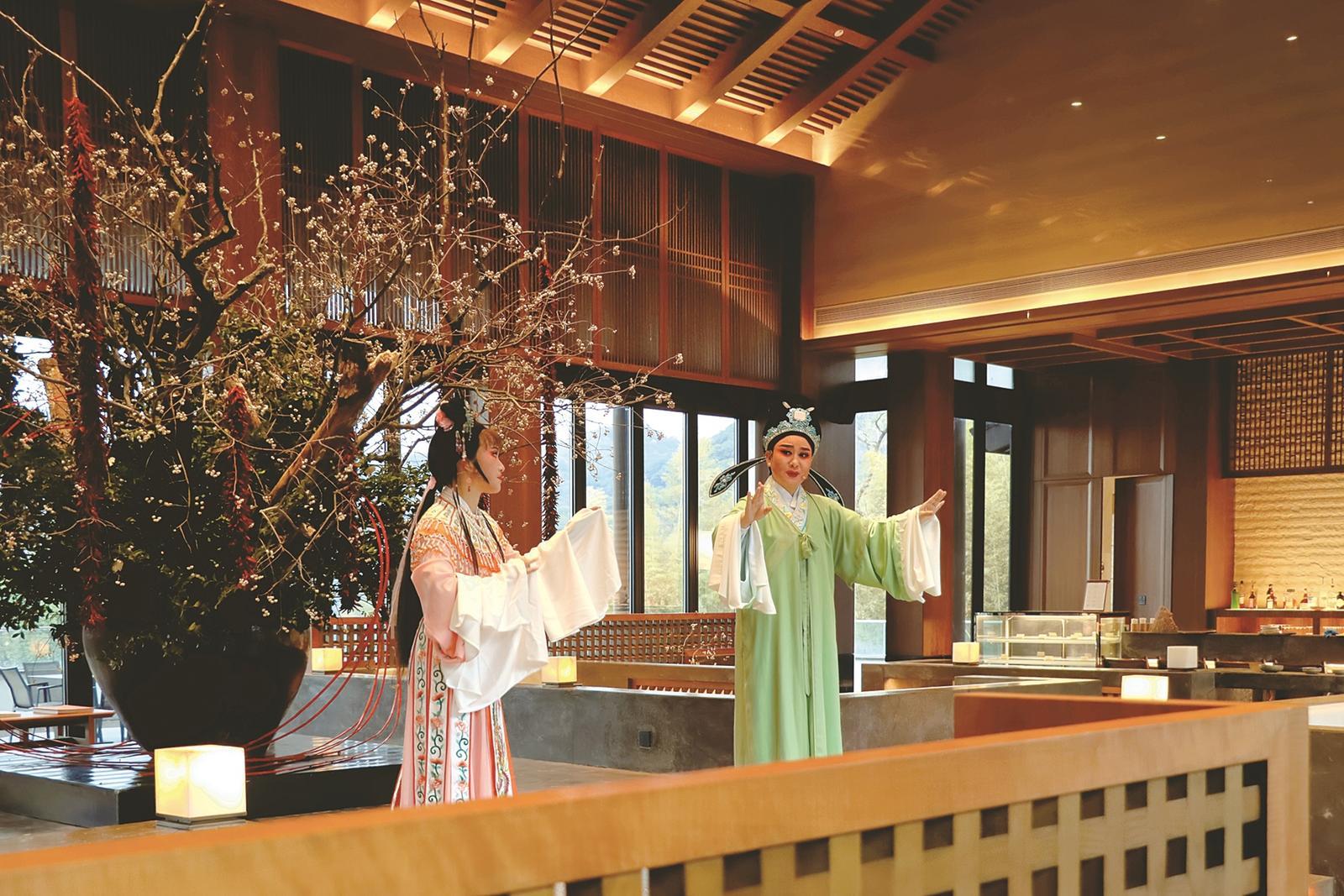
Group 1 - The core point of the news is that Mandarin Oriental has completed the sale of part of its property in Hong Kong, which is a key condition for the privatization by Jardine Matheson Group [1] - Alibaba Group and Ant Group purchased floors 21 to 35 of the building, along with advertising space and parking spots, for $925 million (approximately HKD 7.2 billion) to establish their future headquarters in Hong Kong [1] - Jardine Matheson Group initiated the privatization plan in October 2025, offering $2.75 per share in cash for the remaining 11.96% of shares, with a total payout of $3.35 per share including special dividends [1] Group 2 - Mandarin Oriental was initially listed on the Hong Kong Stock Exchange in 1986 and has undergone several changes in its listing status, including a move to Bermuda and listings in New York and Singapore [2] - The privatization is seen as a strategy to relieve the company from the pressures of short-term performance and complex decision-making processes, allowing for a more flexible execution of long-term strategies [2] - The CEO of Mandarin Oriental emphasized that the shift towards a light-asset growth model remains a core strategy, and the sale of non-core assets is viewed positively for the company's long-term value creation [2]


酒店资产,游走在“0元购”和“买方窗口期”之间
Xin Hua Cai Jing· 2026-01-07 12:12
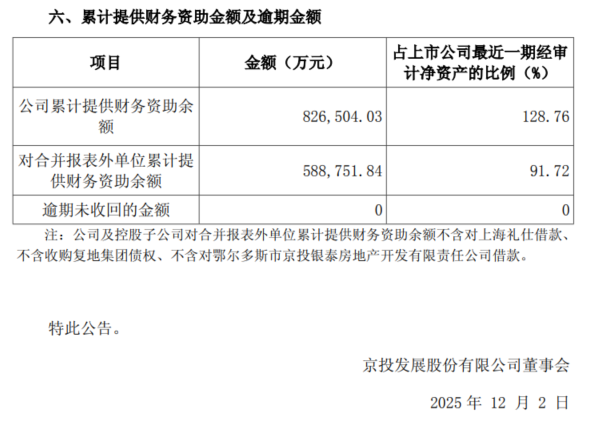
Core Viewpoint - The acquisition of the Andaz Hotel in Shanghai by Beijing state-owned enterprise Jingtou Development through a "zero-cost purchase" reflects the changing dynamics of the Chinese hotel industry, highlighting the exit of foreign capital and the rise of domestic investors focusing on smaller, high-quality assets [1][7]. Group 1: Acquisition Details - The Andaz Hotel, which has changed ownership multiple times since its opening, was acquired by Jingtou Development in a deal that involved taking over 45% of the shares for zero cost and acquiring debt worth approximately 209 million yuan [2][3]. - Jingtou Development's acquisition strategy is characterized as a combination of "zero-cost equity, discounted debt, and interest-free loans," indicating a method of acquiring assets while assuming existing liabilities [3]. Group 2: Financial Performance - As of September 30, 2025, the Andaz Hotel's total assets were approximately 810 million yuan, with total liabilities reaching 2.528 billion yuan, resulting in a net asset value of -171.82 million yuan [6]. - The hotel's revenue for the first nine months of 2025 was approximately 127.21 million yuan, with a net loss of about 67.17 million yuan [4]. Group 3: Market Trends - The acquisition of the Andaz Hotel is indicative of a broader trend where foreign investors are exiting the hotel asset market, while domestic investors, particularly state-owned enterprises, are stepping in to stabilize the market [7][8]. - The focus of domestic investors has shifted towards stable returns rather than aggressive expansion, with a growing interest in smaller boutique hotels that offer better cash flow stability [8][9]. Group 4: Investment Opportunities - The trend towards "small and beautiful" hotel assets is gaining traction, with smaller transactions under 300 million yuan becoming the norm in the market, as these assets are perceived to have lower risk and higher liquidity [9][10]. - Investors are advised to target assets with unique competitive advantages, such as prime locations and strong brand influence, which can provide certainty in uncertain market conditions [10].

从消费“流量”到发展“增量”——许昌推广胖东来式服务观察
Bei Jing Ri Bao Ke Hu Duan· 2026-01-07 11:59
Core Insights - The article highlights the success of the local retail enterprise, Pang Donglai, in enhancing service culture in Xuchang, which has become a key attraction for tourists and a model for service upgrades in the city [1][3]. Group 1: Business Impact - Pang Donglai has transformed from a comprehensive supermarket into a service culture, becoming a must-visit for tourists in Xuchang [1]. - The supermarket's success has inspired other local businesses, such as Guofu Farm, to adopt similar service principles, contributing to a vibrant local retail environment [3]. - Xuchang aims to establish itself as a "benchmark city for quality consumption," leveraging Pang Donglai's model to stimulate market vitality [3][5]. Group 2: Economic Growth - In the first eleven months of 2025, Xuchang received 49.82 million tourists, generating a total revenue of 34.87 billion yuan, reflecting a year-on-year growth of 6.9% and 7.2% respectively [5]. - The local retail sales reached 171.52 billion yuan from January to November 2025, with a year-on-year increase of 7.4%, leading the growth in Henan province [8]. Group 3: Service Innovation - The city government is promoting the "Pang Donglai service model" by optimizing the business environment and enhancing service standards across various sectors [6][8]. - New service offerings, such as free value-added services in hotels and enhanced customer experiences, are being implemented to attract and retain visitors [6][8]. - The focus is on creating a high-quality service ecosystem that extends beyond retail to encompass tourism and hospitality, aiming for a shift from attracting visitors for a single store to creating a comprehensive city experience [8].

华天酒店副总裁辞职!曾多次表达对公司经营结果不满
Shen Zhen Shang Bao· 2026-01-07 07:51
Core Viewpoint - The resignation of the Vice Chairman and Vice President of Huatian Hotel, Deng Yongping, is attributed to dissatisfaction with the company's operational results, highlighting ongoing financial struggles and a lack of strategic direction [1][2]. Group 1: Resignation Details - Deng Yongping submitted his resignation due to personal reasons, effective immediately upon delivery to the board [1]. - His resignation does not affect the minimum number of board members required by law, and he held no shares in the company at the time of his departure [1]. - Deng Yongping had a history of voting against company proposals, indicating his discontent with the company's performance [1]. Group 2: Financial Performance Concerns - The company has reported a continuous decline in revenue, with a net loss of 128 million yuan in the third quarter of 2024, representing a 9.3% increase in losses compared to the previous year [2]. - Over the past decade, the company has recorded negative net profits, with a cumulative loss of 3.576 billion yuan from 2014 to 2024 [4]. - The company has not paid dividends to shareholders for ten consecutive years, which has negatively impacted investor confidence [3]. Group 3: Strategic and Operational Issues - Deng Yongping criticized the company's failure to meet its strategic goals, particularly in the hotel sector, where nine out of fourteen directly operated hotels continue to incur losses [3]. - The company’s asset-liability ratio stands at 78%, raising concerns about its financial stability and the potential for increased debt [3]. - The company’s revenue for the first three quarters of 2025 was 398 million yuan, a decrease of 12.52% year-on-year, with a net loss of 156 million yuan, down 39.99% from the previous year [4].