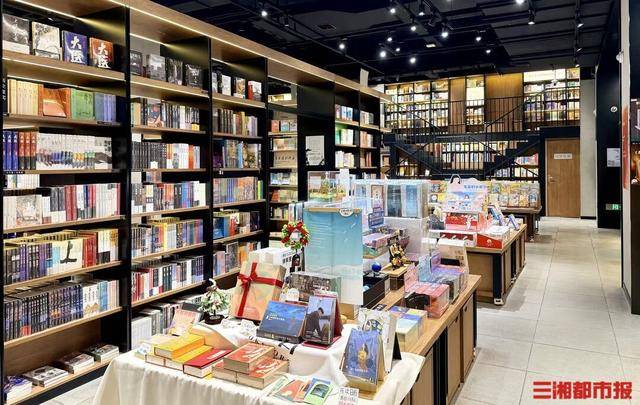
图书零售

Search documents
“巴渝书市”阅读市集开市
Xin Lang Cai Jing· 2026-02-01 17:16
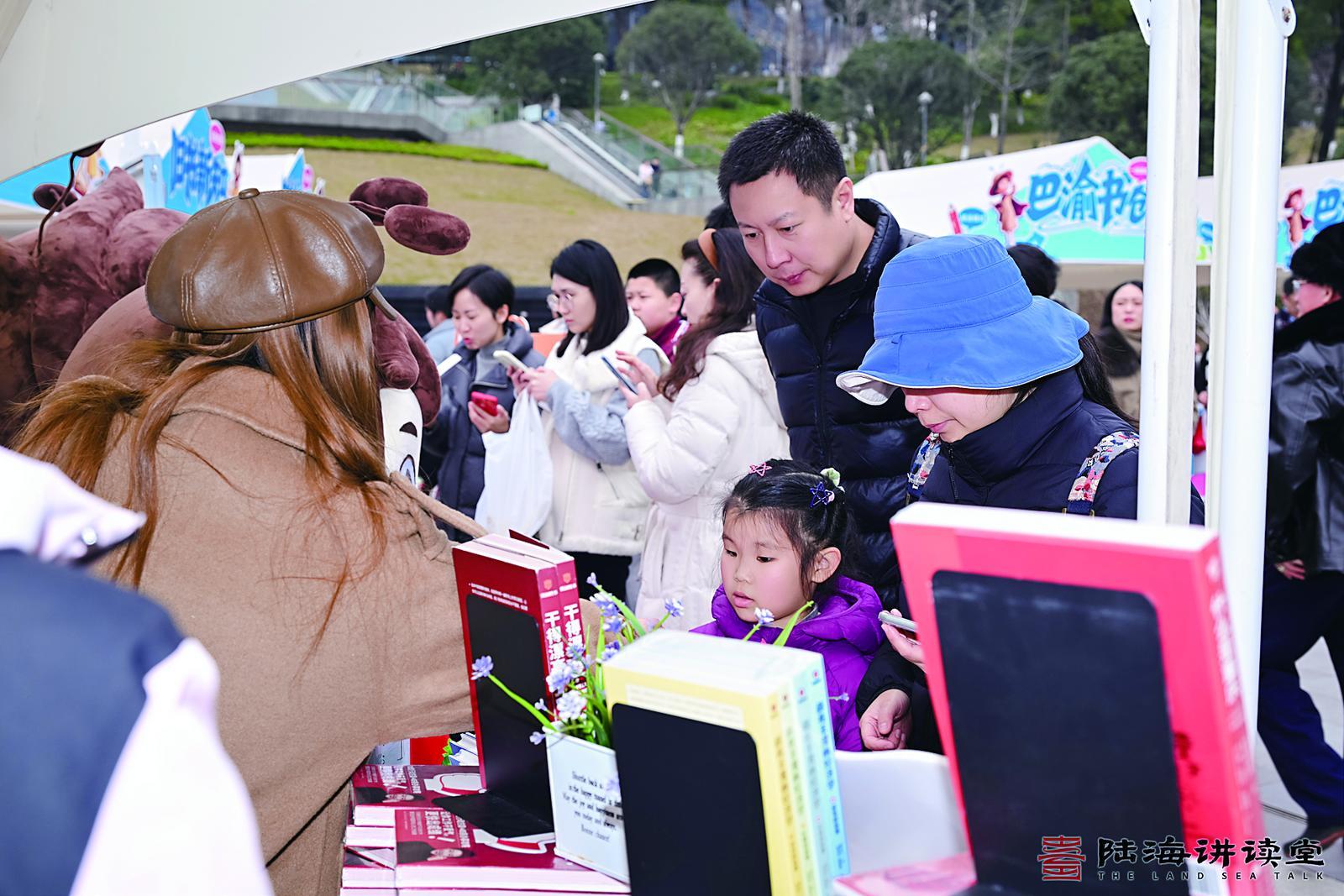
市民在逛"巴渝书市"阅读市集 购书不仅享优惠,20余个特色摊位还配了互动打卡体系,在舒适的休憩环境中来一杯重庆特色主题咖啡饮品,让阅读与休闲无缝衔接。2月1日,以"重庆烟 火气+青年潮玩感"为特色的"巴渝书市"阅读市集,在重庆金融会展中心广场开市。逛集市的市民,在这里度过了一个充满书香味的惬意周末。 特色展区+便民服务 2月1日13∶30,冬日的北滨路,阵阵江风裹挟着寒意,设于重庆金融会展中心广场的"巴渝书市"阅读市集却人流涌动,十分热闹。 记者在现场看到,"巴渝书创集合区"融合图书与文创,围绕"巴渝文化传承"等核心主题,设置了畅销推荐区、获奖图书专区、主题图书专区、融入巴渝元素 的文创产品区四大特色展区。其中文创产品区里金色靓丽的转转壶挂件、吉祥喜庆的金运祈愿瓶、年味十足的儿童虎头帽等将新春氛围拉得满满。 在当天的"陆海讲读堂专区",集中陈列陆海讲读堂往期讲读人图书,并特设盲盒墙,参与互动即有机会免费抽取陆海讲读堂签名图书,该创新形式吸引现场 读者争相参与。 该市集全场图书7.8折起,在旧书新知区域的书籍,更低至1折。当日,读者单笔消费满99元还获赠定制帆布包1个。 多维互动打卡+消费券福利 活动现场设置了 ...

逛过了纹章九州特展,还有主题书展也别错过
Xin Lang Cai Jing· 2026-01-31 05:00
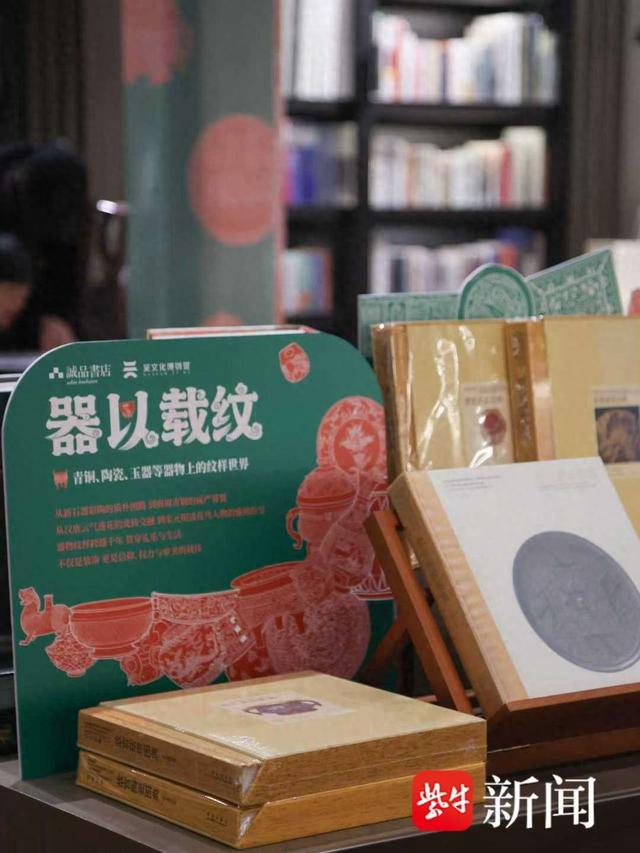
转自:扬子晚报 2025年12月30日至2026年5月6日,国内首个以"中国纹饰系统史"为主线的"纹章九州——中国古代的纹 饰和纹样"特展在苏州吴文化博物馆展出。看过了这个展览,还有更多精彩在书店和图书馆等待市民发 现。1月30日起,吴文化博物馆携手诚品书店苏州、苏州图书馆推出了"纹章九州——中国古代的纹饰和 纹样"主题书展,书展有何亮点?相关工作人员接受扬子晚报|紫牛新闻记者的采访。 吴文化博物馆全新推出的"纹章九州—中国古代的纹饰和纹样"展览自开幕以来,以其深厚的学术内涵、 创新的展陈设计与美轮美奂的视觉呈现,迅速吸引了社会各界的目光。吴文化博物馆的相关工作人员告 诉记者,纹章九州开展一个月获得了反响非常的好,"我们不仅获得了大量主流媒体的关注,在社交媒 体上也能看到大量观众的正面评价,围绕特展推出的主题盖章本也广受欢迎。此次和诚品的联动还是希 望可以借助诚品这样一个出色的书店品牌,联动空间和图书资源,让更多的读者能够获取到展览信息, 也为观众带来不一样的文化体验。"据她介绍,吴文化博物馆自开馆以来,就着力打造一系列与阅读有 关的品牌活动,比如悦读沙龙、关机6小时等,"阅读和观展其实有很多共同性,观展是另 ...
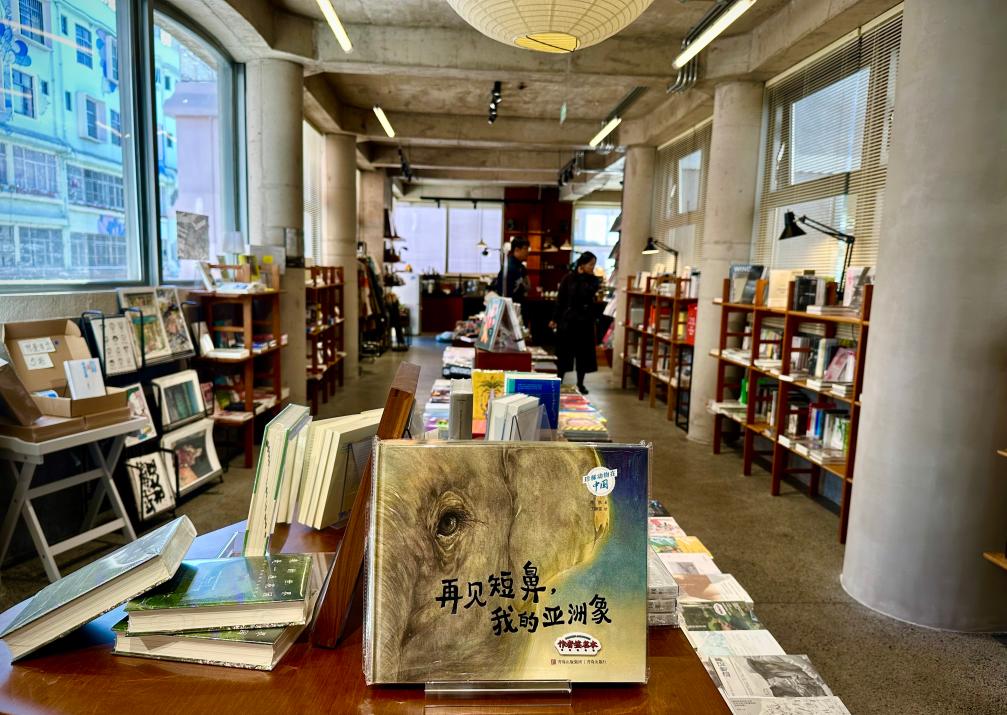
这家实体书店“存活”14年,“逆袭”秘诀是……
Jin Rong Shi Bao· 2026-01-30 08:18
Core Insights - The article highlights the survival strategies of independent bookstores in the face of digital transformation and changing consumer habits, emphasizing the importance of balancing survival and ideals in the industry [1][6] Group 1: Industry Challenges - The number of independent bookstores in China has decreased from nearly 30,000 in 2019 to 16,800 in 2024, a reduction of 44%, with over 65% of these bookstores operating at a loss [1] - The shift in consumer behavior has led to a situation where many visitors to bookstores do not make purchases, posing a significant challenge for physical bookstores [1] Group 2: Successful Strategies - Xu Tao, co-founder of Suzhou Slow Bookstore, attributes the bookstore's success to three key factors: maintaining the essence of books as the core product, selling differentiated books, and creating unique customer experiences [3][4] - The bookstore has hosted 1,700 events over 14 years to foster connections with readers, demonstrating the importance of community engagement [3] - Differentiation in book offerings is crucial; for example, Slow Bookstore successfully reprinted a rare book that had become highly sought after, selling 3,000 copies within two years [3][4] Group 3: Innovative Services - Slow Bookstore offers tiered reading services to deepen emotional connections with customers, such as a long-standing program that has grown from 70 to approximately 300 participants, each paying 1,199 yuan annually [5] - The bookstore also provides specialized reading programs for children and women, showcasing its commitment to diverse community needs [5] Group 4: Industry Transformation - The transformation of bookstores is becoming a consensus in the industry, with a shift from being mere retail spaces to cultural hubs that offer social interaction and community services [6][7] - Successful bookstores are integrating public cultural services and educational activities, evolving into multi-functional cultural spaces [6][7] Group 5: Future Opportunities - The implementation of the "National Reading Promotion Regulations" in February 2026 is expected to provide further support for the transformation of physical bookstores, establishing their core role in promoting reading [8] - Increased government support and initiatives are anticipated to stimulate reading demand, creating a favorable environment for bookstores to thrive [8] - The market is expected to see a growing divide, with bookstores that possess cultural IP and service capabilities standing out, while traditional sales models are gradually being phased out [8]
实体书店的“突围”之路
Jin Rong Shi Bao· 2026-01-30 02:07
Core Insights - The article highlights the survival strategies of independent bookstores in the face of digital transformation and changing consumer habits, emphasizing the importance of balancing survival and ideals in the industry [1][6] Group 1: Industry Challenges - The number of independent bookstores in China has decreased from nearly 30,000 in 2019 to 16,800 in 2024, a reduction of 44%, with over 65% of these bookstores operating at a loss [1] - The shift in consumer behavior has led to a situation where many visitors to bookstores do not make purchases, posing a significant challenge for physical bookstores [1] Group 2: Successful Strategies - Xu Tao, co-founder of Suzhou Slow Bookstore, attributes the bookstore's success to three key strategies: maintaining the essence of books as the core product, offering differentiated book selections, and creating unique customer experiences [3][4] - The bookstore has hosted 1,700 events over 14 years to foster connections with readers, demonstrating the importance of community engagement [3] - Differentiation in book offerings is crucial; for instance, Slow Bookstore successfully reprinted a rare book that had become highly sought after, selling 3,000 copies within two years [3][4] Group 3: Innovative Services - Slow Bookstore has developed a tiered reading service model, including a long-standing program that has grown from 70 to approximately 300 participants, generating stable annual income through membership fees [5] - The bookstore also offers specialized reading programs for children and women, enhancing its service diversity and customer loyalty [5] Group 4: Industry Transformation - The transformation of bookstores is seen as essential, with a shift from being mere retail spaces to becoming cultural hubs that promote social interaction and community engagement [6][7] - Successful bookstores are integrating public cultural services, education, and creative industries, evolving into multifaceted cultural spaces [6][7] Group 5: Future Opportunities - The implementation of the "National Reading Promotion Regulations" in 2026 is expected to provide further support for the transformation of physical bookstores, establishing their core role in promoting reading [8] - Various local government initiatives are being introduced to support bookstores, indicating a growing recognition of their importance in cultural consumption [8] - The market is expected to see a trend towards a "content + scene + service" model, with a focus on deep integration of online and offline experiences [8]
人文经济激活消费新动能丨市井书店漫游记
Xin Hua Wang· 2026-01-28 10:27
新华社昆明1月28日电 题:市井书店漫游记 新华社记者王贤思 昆明斗南花市,是全国闻名的鲜花集散地。与之相邻的斗南社区,距离花市仅一公里左右,居民的生活几乎都围绕着鲜花展开。一家名为 海豚阿德的书店,就藏身于这个花香弥漫的社区里。 冬日的云南,阳光丝毫不吝啬。从斗南社区水塔旁的旋转楼梯走到二楼,推开玻璃门,花市的喧闹被隔在书店门外,静得能听见书页翻动 的细碎声响。花香、书香、咖啡香,在阳光里氤氲出暖香。 2025年1月18日,海豚阿德书店内,游客在选书。新华社记者王贤思摄 在云南,书店正悄然"逃离"标准化商场,走进菜市场的吆喝声里,走进鲜花的芬芳中,走进山坡、古村与老街的旧时光里,嵌入更具体、 更真实的生活场景中。 不少初次踏入的人都会感到惊讶:闹市里"逛吃逛吃",居然还藏着这么个书店,肚子饱了,顺道进来也能"填填心"。 从昆明篆新菜市场里主打"菜场价"的麒麟书局,到西山脚下守望登山者的书必银二手书行;从怒江高黎贡山脊背上的先锋书店,到大理沙 溪古镇由粮仓改造而成的先锋白族书局…… 2025年12月15日,游客在书必银二手书行内参观。新华社记者王贤思 摄 在这些书店里,人们可以点一杯咖啡,翻几页书,歇一歇脚, ...
“最美书店”归来,颐和路封面上新
Xin Lang Cai Jing· 2026-01-25 20:20
(来源:新华日报) □ 本报记者 董 翔 近日,南京市鼓楼区江苏路39号,围挡数月的先锋颐和书馆,完成改造重装归来。褪去华服的冬日梧桐 里,修葺一新的近百年小楼露出全貌。 既是堪称城市文化名片的独立书店,又是出片属性拉满的打卡首选,先锋书店让爆火出圈的南京颐和路 再添一处"流量担当"。 最小干预,重塑颐和路封面 再出挑的设计,也要在文保建筑面前低头。以环境布置独树一帜闻名的先锋书店,这次罕见地把空调外 机"裸露"在二楼阳台上。"看似煞风景,其实是为了保护房子。"周开委告诉记者,他们不是不能放在顶 楼,但代价是电钻头要连续穿过四层楼体。 秉持这一理念改造的先锋颐和书馆,仿佛从历史深处走来。拾级而上,木质楼梯在脚下发出声响。凭窗 而坐,石砖地面勾勒出岁月斑驳。撤去窗帘后的环形廊道,百年颐和路就在玻璃幕墙外。 如同为街区精心设计的封面,她静静矗立在最南端,等待游人自此走进"万国建筑博物馆",感受岁月芳 华。 "最美书店",回望起源处 这是先锋书店在南京创立的第30年。 1996年冬,太平南路的17平方米铁皮房子里,创始人钱小华打着寒战,从早到晚独自站店。如今,先锋 书店在6个省市开出20家店,从繁华街巷,到大山深处 ...
社交流量里实体书店的突围
Xin Lang Cai Jing· 2026-01-24 07:16
线上线下结合的 书店气质独特 小李打包好的盲盒书 FERM 陈列的新书 社区书店 本版图片均由受访者提供 社交流量浪潮正重塑传统书店业。小种书店通过内容分享、直播带货、盲盒定制等方式,先把书店开 上"云端",又成功降落线下,成为"书坛"新秀;小森林书店、i人书房用"乌托邦书店""充电自习室"等标 签成功引流,在社交媒体迅速走红;FERM少书、犀牛书店守正创新,独特的书店气质、专业的选书品 位在社交网络上被传播和放大,持续吸引着往来客流。 一 打破"倒计时"魔咒 开书店,光凭热爱还不够。小李很早明白了这个道理。 30岁出头的年纪,读了两三千本书,文学成为他人生的底色。少年时代泡在父亲的书房里如饥似渴地阅 读名著;成年后,他远渡重洋留学,投身硅谷风投行业,到后来归国、离职,始终书不离身,他决心冲 破既定的轨道:"人可以活得更自由,去做自己喜欢的事。" 作为一名读书博主,他在小红书有15万粉丝,一边做阅读分享,一边卖盲盒书。他给自媒体账号起 名"少说话多看书",头像是加缪,主页简介写着:"终有一天,我会有一个书店。"尽管小红书店铺的收 益不错,一个月能卖出几百套盲盒书,供不应求,但小李坚持要把书店开到线下:"实体空 ...
缤纷年货,尽情挑
Xin Lang Cai Jing· 2026-01-23 06:33
Core Viewpoint - The "Colorful New Year Goods Festival" at Zhongguancun Book Building offers a cultural space for purchasing traditional and trendy New Year gifts, highlighting the integration of folk customs and contemporary design [1] Group 1: Event Overview - The festival features a variety of products, from traditional folk items to trendy cultural creations, providing a one-stop shopping experience for New Year gifts [1] - A prominent area is dedicated to Spring Festival couplets and "Fu" characters, showcasing classic designs in red and black as well as new gold-embellished styles that shine under lighting [1] Group 2: Product Highlights - The event includes intricately designed, festive-themed cultural refrigerator magnets that are particularly popular among attendees [1]
华侨华人于数字化浪潮中觅中文书店“生存经”
Xin Lang Cai Jing· 2026-01-21 12:20
Core Insights - The digital wave is increasing pressure on physical bookstores, yet a number of overseas Chinese have chosen to establish Chinese bookstores, indicating a demand for cultural connection and community engagement [1][2] Group 1: Market Demand and Trends - The UK bookstore "Unread" reported a strong demand for history and philosophy books, with local Chinese paper book market demand exceeding expectations [1] - The establishment of Chinese bookstores in countries like France, the Netherlands, Germany, and the USA reflects the growing confidence and openness of the Chinese diaspora [2] Group 2: Cultural Engagement and Activities - Bookstores are not just selling books but are becoming venues for cultural exchange, hosting events like cultural salons, lectures, and exhibitions to engage the community [2][3] - The "Island Bookstore" in Malaysia organizes thematic exhibitions and workshops, creating reasons for book lovers to gather and share experiences [2] Group 3: Reader Interaction and Community Building - Bookstores are facilitating cross-cultural exchanges, with readers finding relaxation and resonance through Chinese literature, especially among those immersed in English-speaking environments [3] - The success of themed reading lists and events, such as "Why Dunhuang" and "The Palace Museum's 600 Years," has boosted confidence in bookstore operations [3]
实体书店加入“外卖圈”:是缓冲,还是出路
Sou Hu Cai Jing· 2026-01-21 07:12
Core Insights - The article discusses the challenges faced by physical bookstores and their attempts to adapt to changing consumer behaviors through various strategies, including offering books via delivery platforms and transforming into multifunctional spaces. Group 1: Delivery Services - "Yongxin Bookstore" has been listed on delivery platforms like Meituan for over a year, primarily selling educational materials to meet immediate consumer needs rather than regular reading habits [1][2] - The bookstore's delivery process is similar to that of food delivery, with minimal issues regarding returns due to the nature of the products sold [2] - Despite the effort, the introduction of delivery services has not significantly increased overall sales, and profits are diminished after platform fees and delivery costs [3] Group 2: Transformation of Bookstores - Larger bookstores, such as "Bujin Bookstore," are adopting a different approach by creating multifunctional spaces that include cafes and study areas, attracting more foot traffic compared to community bookstores [4] - "Bujin Bookstore" does not utilize delivery platforms but offers online sales through its app, along with hosting events like book sharing sessions and author talks to engage customers [6] - The article emphasizes that both delivery services and functional expansions are attempts to address the declining foot traffic and sales in physical bookstores, highlighting the need for continuous investment and content support [6] Group 3: Industry Challenges - The overall trend indicates that physical bookstores are struggling to maintain profitability and relevance in a rapidly changing market, with the need for innovative solutions to attract readers [5][6] - The essence of a bookstore's survival lies not in delivery speed or service innovation, but in the willingness of readers to visit and engage with the physical space [6]