房地产金融

Search documents
中国REIT市场加速增长,首单消费类机构间REITs落地
Huan Qiu Wang· 2025-12-15 01:24
Group 1 - The core viewpoint of the news is that China's REIT market is experiencing rapid growth, with the establishment of the first privately held real estate ABS in the country, indicating a significant milestone for the sector [1] - The issuance scale of the newly established asset-backed securities (ABS) is 616 million yuan, marking it as the first consumer-oriented inter-institutional REIT in the market [1] - The overall market size of C-REITs has reached 207 billion yuan, with 77 projects issued, and a remarkable 85% growth in market value last year [1] Group 2 - Francis Li from Colliers International highlighted that the C-REIT market has shown excellent performance, with a projected entry into the top three REIT markets in Asia by 2024 [2] - The C-REIT market, having only four years of history, demonstrates significant future development potential, especially as it matures and attracts more investors and asset classes [2] - Investors are increasingly favoring mature and stable assets, focusing on key indicators such as asset maturity (5-10 years of operation), high occupancy rates (typically above 90%), and prime locations in first-tier or core second-tier cities [2]


金融街:金融街中心CMBS正式成立
Zhi Tong Cai Jing· 2025-12-11 08:58
Core Viewpoint - The company successfully completed the issuance of the Financial Street Commercial Real Estate Phase II (Financial Street Center CMBS) asset-backed special plan on December 10, 2025, raising a total of 8.1 billion yuan in subscription funds [1] Group 1 - The actual subscription funds received for the Financial Street Center CMBS amounted to 8.1 billion yuan [1] - The principal amount in the special account for the Financial Street Center CMBS has reached the target fundraising scale as stipulated in the plan's prospectus [1] - The Financial Street Center CMBS was officially established on December 10, 2025 [1]

刚刚!美联储“内斗”升级,大空头All in这一板块,英伟达H200解禁背后的惊人真相
Sou Hu Cai Jing· 2025-12-10 11:07
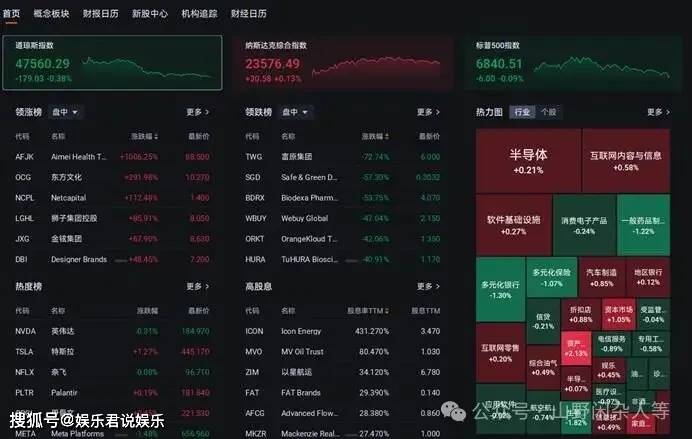
Market Overview - The U.S. stock market indices experienced narrow fluctuations, resembling an "electrocardiogram," with a sense of unnecessary tension in the air [1] - The Dow Jones index closed at 47,560.29, down by 179.03 points or 0.38% [2] Federal Reserve Insights - The bond market is signaling skepticism about the Federal Reserve's potential for easing, as the 10-year Treasury yield is rising towards 4.2% despite expectations of a rate cut [3] - The upcoming FOMC meeting is anticipated to result in a 25 basis point rate cut, but Fed Chair Powell is expected to maintain a hawkish stance, complicating market expectations [4][6] Market Reactions and Strategies - Two potential scenarios are outlined for market reactions post-FOMC meeting: - Scenario A: Powell's hawkish comments lead to a market sell-off, particularly affecting tech stocks [6] - Scenario B: The market disregards Powell's rhetoric, continuing to rally under the influence of a more dovish outlook from figures like Hassett [6] - The term "Hassett Trade" has emerged, indicating a market bet on a weaker dollar and a re-inflationary environment [6] Nvidia's Market Performance - Nvidia's stock did not respond positively to the news of H200 chip exports to China, attributed to a significant tax requirement and regulatory hurdles [9][11] - The approval process for sales to China is expected to be lengthy, leading to a prolonged period of uncertainty for Nvidia's stock performance [11] Housing Market and Government Policies - Prominent investors like Michael Burry and Bill Ackman are betting on the privatization of Fannie Mae and Freddie Mac, anticipating significant stock price increases if the government lowers capital requirements [13] - The potential risks include stock dilution and government control issues, making the investment landscape highly speculative [13] Walmart's Strategic Move - Walmart has transitioned from the New York Stock Exchange to Nasdaq, marking the largest transfer in U.S. stock market history, aiming to attract passive funds and signal a shift towards AI and automation [15] - This move is seen as a positive development for long-term investors, indicating Walmart's intent to redefine its market position [15]

商业不动产REITs试点拟启动 公募REITs市场发展进入新阶段
Zhong Zheng Wang· 2025-11-28 13:21
Core Viewpoint - The China Securities Regulatory Commission (CSRC) is soliciting public opinions on the draft announcement for the pilot program of Commercial Real Estate Investment Trusts (REITs), which is seen as a crucial step in revitalizing existing commercial real estate and supporting a new model for real estate development in China [1][2]. Group 1: Market Context and Development - The commercial real estate sector in China is substantial, with a strong demand for asset holders to access direct financing channels. The introduction of public REITs is viewed as a key tool for revitalizing existing assets and facilitating a positive cycle of investment, financing, management, and exit [2]. - Over the past five years, the public REITs market in China has evolved from non-existence to a burgeoning market worth over 200 billion yuan, with 77 products listed and a total market value of approximately 219.9 billion yuan [2]. - The market has gained significant experience in revitalizing commercial real estate, with nearly 100 billion yuan in issuance of CMBS, quasi-REITs, and ABS products backed by quality commercial projects since 2024 [2][3]. Group 2: Strategic Importance and Benefits - The pilot program for commercial real estate REITs is expected to broaden direct financing channels for enterprises, optimize capital structures, and facilitate a strategic shift from developers to asset managers [4]. - The introduction of commercial real estate REITs will provide investors with a new investment tool that combines stable cash flow with asset appreciation potential, enhancing personal and institutional investment portfolios [4]. - The pilot program is a significant step in the financial sector's service to the real economy, enriching the types of underlying assets for REITs and enhancing market inclusivity and attractiveness [4]. Group 3: Preparatory Work and Future Outlook - Preparatory work for the commercial real estate REITs pilot is underway, with the Shanghai Stock Exchange and other entities actively refining business rules and systems to ensure a smooth rollout [6]. - The CSRC and the Shanghai Stock Exchange are committed to advancing the pilot program, focusing on high-quality commercial real estate projects and ensuring effective risk management [6]. - The development of a more diverse, efficient, and well-regulated public REITs market is anticipated, marking a new phase in the evolution of China's REITs market and serving as a long-term stabilizer for the economy [6].
商业不动产REITs试点启动 服务实体经济高质量发展
Zheng Quan Ri Bao Wang· 2025-11-28 13:15
Core Viewpoint - The China Securities Regulatory Commission (CSRC) has launched a pilot program for Commercial Real Estate Investment Trusts (REITs), marking a significant step in the development of the REITs market in China and aimed at revitalizing existing commercial real estate assets [1][2][3]. Group 1: Pilot Program Launch - The pilot program for Commercial Real Estate REITs is a crucial initiative to implement the decisions of the Central Committee and the State Council, aimed at revitalizing existing commercial real estate and supporting a new model of real estate development [1][3]. - The Shanghai Stock Exchange and other entities are actively working on revising supporting rules, system upgrades, and nurturing pilot projects in response to the pilot program announcement [1][7]. - The launch of the pilot is seen as a response to the strong demand for direct financing channels from asset holders in the commercial real estate sector [2][4]. Group 2: Market Development - The public REITs market in China has evolved into a trillion-yuan emerging market over nearly five years, with 77 REITs products listed and a total issuance scale of 207 billion yuan, indicating a solid foundation for the new pilot [2][3]. - The commercial real estate sector has accumulated rich practical experience in asset revitalization, with nearly 100 billion yuan in issuance of CMBS, quasi-REITs, and ABS products since 2024 [3][4]. - The current market environment, characterized by overall declining interest rates, enhances the long-term value potential of commercial real estate [3][4]. Group 3: Benefits and Strategic Importance - The pilot program is expected to broaden direct financing channels for enterprises, optimize capital structures, and facilitate a strategic shift from developers to asset managers [4][5]. - The introduction of Commercial Real Estate REITs will provide investors with a new investment tool that combines stable cash flow with asset appreciation potential, thereby enhancing investment portfolios [4][5]. - The pilot is viewed as a significant step towards a more inclusive and attractive REITs market, contributing to the development of a multi-tiered capital market system [4][7]. Group 4: Future Outlook - The next phase involves steady progress in the pilot program, with the Shanghai Stock Exchange focusing on refining business rules and fostering market participation [7]. - The development of a more efficient, well-regulated public REITs market is anticipated, which will serve as a long-term stabilizer and new engine for financial support of the real economy [7].
商业不动产REITs试点拟启动,上交所等单位正推进配套规则修订等工作
Sou Hu Cai Jing· 2025-11-28 12:18
Core Viewpoint - The China Securities Regulatory Commission (CSRC) is soliciting public opinions on the draft announcement regarding the pilot program for commercial real estate investment trusts (REITs), which is seen as a crucial step for the development of the REITs market in China [1][2]. Group 1: Impact on the Real Economy - The pilot program is expected to activate existing commercial real estate assets and support the establishment of a new development model for the real estate sector [1]. - It will help broaden direct financing channels for enterprises and optimize their capital structures, facilitating a strategic shift from "developers" to "asset managers" [1]. Group 2: Benefits for Investors - The introduction of commercial real estate REITs will enrich investment options for the public, providing a tool that combines stable cash flow with asset appreciation potential [1]. - This development will assist in optimizing investment portfolios for both individual and institutional investors, allowing them to share in the long-term benefits of high-quality growth in the real economy and real estate market [1]. Group 3: Capital Market Implications - Commercial real estate REITs represent a typical practice of financial services aimed at supporting the real economy, enhancing market inclusivity and attractiveness [1]. - The pilot program will diversify the underlying asset types of REITs, accelerating the expansion of the public REITs market and contributing to the improvement of a multi-tiered capital market system [1]. Group 4: Regulatory and Operational Framework - The Shanghai Stock Exchange (SSE) plans to steadily advance the pilot program under the guidance of the CSRC, continuously improving relevant business rules and fostering market development [2]. - The SSE emphasizes the importance of selecting high-quality commercial real estate for the pilot, ensuring effective risk management and encouraging responsible participation from all stakeholders [2].
沪市债券新语丨公募REITs市场发展进入新阶段——商业不动产REITs试点启动 服务实体经济高质量发展
Xin Hua Cai Jing· 2025-11-28 11:23
Core Viewpoint - The China Securities Regulatory Commission (CSRC) has initiated a pilot program for Commercial Real Estate Investment Trusts (REITs), which is a significant step in revitalizing existing commercial real estate and supporting a new model for real estate development in China [1][2]. Group 1: Pilot Program Launch - The pilot program for Commercial Real Estate REITs is a crucial measure to implement the decisions of the Central Committee and the State Council, aimed at activating existing commercial real estate assets [1][3]. - The Shanghai Stock Exchange and other entities are actively working on revising supporting rules, system upgrades, and nurturing pilot projects, with market opinions being solicited [1][6]. Group 2: Market Context and Demand - The public REITs market in China has evolved into a trillion-yuan emerging market, with 77 products listed and a total issuance scale of 207 billion yuan, indicating a solid foundation for the launch of Commercial Real Estate REITs [2][3]. - There is a strong consensus among market participants regarding the need for Commercial Real Estate REITs, driven by the demand for effective asset revitalization and direct financing channels [2][4]. Group 3: Strategic Importance - The introduction of Commercial Real Estate REITs is expected to facilitate a strategic shift for enterprises from being "developers" to "asset managers," optimizing capital structures and enhancing operational management capabilities [4][5]. - The pilot program is seen as a response to the pressing need for revitalizing commercial real estate assets and is aligned with the broader economic goals of sustainable development [3][5]. Group 4: Future Outlook - The CSRC and the Shanghai Stock Exchange are committed to ensuring the smooth implementation of the pilot program, with ongoing efforts to refine business rules and foster market participation [6]. - The development of Commercial Real Estate REITs is anticipated to serve as a long-term stabilizer and financial engine for high-quality economic growth in China [6].
从贷款买房到贷款卖房?风险不能全转嫁给购房者
Sou Hu Cai Jing· 2025-11-25 09:00
Core Viewpoint - The phenomenon of mortgage inversion is affecting high-leverage homebuyers, leading to a situation where selling their properties results in new debts due to insufficient sale proceeds to cover existing loans [1][2]. Group 1: Mortgage Inversion Impact - Many homebuyers who purchased at high prices are now facing mortgage inversion as property values decline, forcing them to bear the risks associated with high leverage [2][4]. - The current mortgage system places the entire risk on homebuyers while banks benefit from stable interest income, creating an imbalance in risk distribution [4][7]. Group 2: Proposed Solutions - Experts suggest transitioning from a "recourse" to a "non-recourse" mortgage system, allowing borrowers to surrender properties without further debt obligations when values drop significantly [4][5]. - A mixed recourse model is proposed, where borrowers would only cover part of the shortfall when property values fall below loan balances, alleviating pressure on homebuyers while providing banks with risk buffers [9]. Group 3: Financial System Considerations - The implementation of a non-recourse system faces challenges, as it may lead to strategic defaults where borrowers choose to stop payments despite having the ability to pay, increasing financial risks [5][8]. - The current risk distribution heavily favors banks, allowing them to profit regardless of market fluctuations, which diminishes their incentive to conduct thorough risk assessments on loan projects [8][9]. Group 4: Conclusion - A balanced risk-sharing mechanism is essential for the healthy development of the real estate market, ensuring that banks share responsibilities commensurate with their earnings [9][10].

华信地产财务公布中期业绩 公司拥有人应占亏损约3134.28万港元 同比收窄7.37%
Zhi Tong Cai Jing· 2025-11-20 13:37
华信地产财务(00252)公布截至2025年9月30日止6个月中期业绩,收入约1.02亿港元,同比增长0.37%;公 司拥有人应占亏损约3134.28万港元,同比收窄7.37%;每股亏损13.9港仙。 ...
中原按揭:10月香港资助房屋按揭登记录得2115宗 环比下跌10%
智通财经网· 2025-11-19 12:15
Group 1 - The core viewpoint indicates that the number of subsidized housing mortgage registrations in Hong Kong decreased by 10% in October compared to September, but remained above 2000 for two consecutive months due to the completion of large new subsidized housing projects [1] - The Hong Kong Housing Authority expects more new subsidized housing projects to be completed this season, suggesting that the mortgage registration volume for subsidized housing will maintain a strong level in the fourth quarter [1] - The total number of subsidized housing mortgage registrations in the first ten months of this year reached 15,135, a significant increase of 76% compared to the same period last year, and already surpassing last year's total by 51% [1] Group 2 - The Hong Kong property market is stabilizing, with increased buyer confidence leading to a rise in transactions of second-hand subsidized housing [2] - In October, the second-hand market for subsidized housing recorded 288 transactions, a 42% increase from 203 in September [2] - The total number of second-hand subsidized housing transactions in the first ten months was 2,783, a 28% decrease compared to the same period in 2024, attributed to narrowing price levels between lower-priced units and subsidized housing [2]