
卫生用品

Search documents
这次,辛巴踩中“雷区”了
虎嗅APP· 2025-07-28 09:53
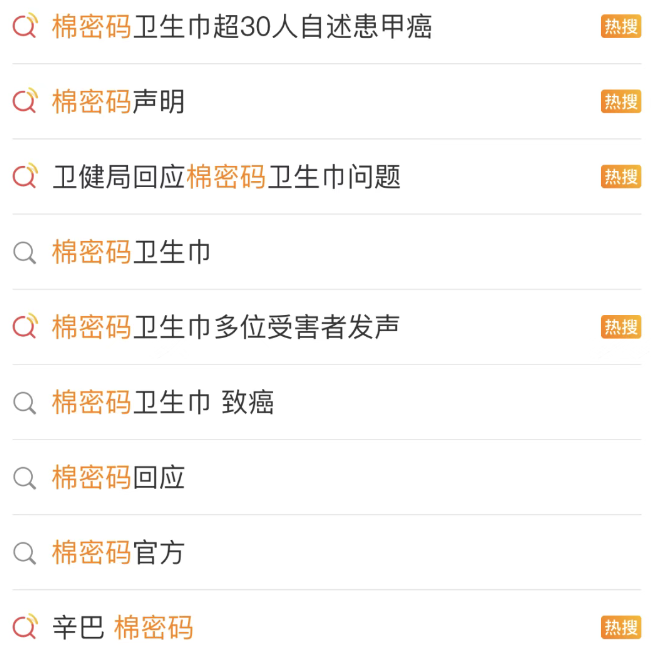
Core Viewpoint - The article discusses the recent controversy surrounding the sanitary napkin brand "Cotton Password" created by influencer Xinba, which has been accused of containing harmful substances, leading to a broader trust crisis in the sanitary products market [3][6]. Industry Overview - The sanitary products market in China is projected to reach a scale of 703.4 billion yuan in 2023, with e-commerce sales of sanitary napkins expected to exceed 18 billion yuan in 2024. The market is anticipated to maintain a compound annual growth rate of 5%-8%, potentially exceeding 105 billion yuan by 2025 [19]. - The sanitary napkin industry is characterized by high profit margins, with brands like Baiya and Hengan International reporting gross margins of 55.8% and 63.7%, respectively [24][21]. Recent Events - Xinba's brand "Cotton Password" faced scrutiny after a report revealed that 7 out of 10 samples tested contained high levels of thiourea, a compound classified as a potential carcinogen by the International Agency for Research on Cancer [7][8]. - Following the controversy, the Shantou market supervision authority stated that products sold before July 2023 complied with old national standards, but could not be produced under new regulations that ban thiourea [10][9]. Consumer Sentiment - There is significant consumer backlash regarding the safety of sanitary products, with reports of health issues linked to the use of "Cotton Password" sanitary napkins, including thyroid cancer and other skin-related conditions [13][18]. - A survey indicated that over 30 individuals reported thyroid cancer after using "Cotton Password," with many families sharing the product among underage daughters [13][15]. Market Dynamics - The rise of influencer-driven brands in the sanitary napkin market has led to increased competition, with many traditional brands losing market share to new entrants [25]. - The article highlights that despite high profit margins, many brands focus more on marketing gimmicks rather than product safety and research, which has led to several scandals in the industry [22][26].


这次,辛巴踩中“雷区”了
Hu Xiu· 2025-07-28 08:49
Core Viewpoint - The controversy surrounding the sanitary napkin brand "Mian Mima" created by influencer Xinba has led to a significant trust crisis in the sanitary napkin industry, particularly after allegations of carcinogenic substances were raised [2][4]. Industry Overview - The sanitary napkin market in China is projected to reach a scale of 703.4 billion yuan in 2023, with e-commerce sales expected to exceed 18 billion yuan in 2024. The market is anticipated to maintain a compound annual growth rate of 5%-8%, potentially exceeding 105 billion yuan by 2025 [21]. - The sanitary napkin category is characterized by high profit margins, largely due to low production barriers and product homogeneity, leading brands to focus more on marketing rather than research and development [23][24]. Company Insights - "Mian Mima" has reported cumulative sales of 3.33 billion yuan over eight years, with annual sales nearing 600 million yuan. The brand achieved a peak sales figure of nearly 900 million yuan in 2022 and ranked among the top seven in the industry during the 2023 618 shopping festival [27]. - The brand's marketing strategy included claims of having one million users and selling between 500 million to 1 billion packages annually, showcasing the significant market presence it has established [27]. Product Safety Concerns - Investigations revealed that 7 out of 10 samples of "Mian Mima" sanitary napkins contained high levels of thiourea, a compound classified as a possible carcinogen, raising serious health concerns among consumers [4][5][6]. - The recent controversy has led to a broader discussion about the safety standards of sanitary products, especially in light of new national standards set to take effect in July 2025, which will prohibit the use of thiourea [10][11]. Market Dynamics - The rise of influencer-driven brands in the sanitary napkin market has disrupted traditional brand dynamics, with online channels becoming increasingly important for brand competition [28]. - Established brands are adjusting their strategies in response to the growing influence of online sales and the emergence of new competitors, indicating a shift in market share dynamics [31].
辛巴卫生巾出事,说明直播间里的“雷军”还不够
商业洞察· 2025-07-27 03:55
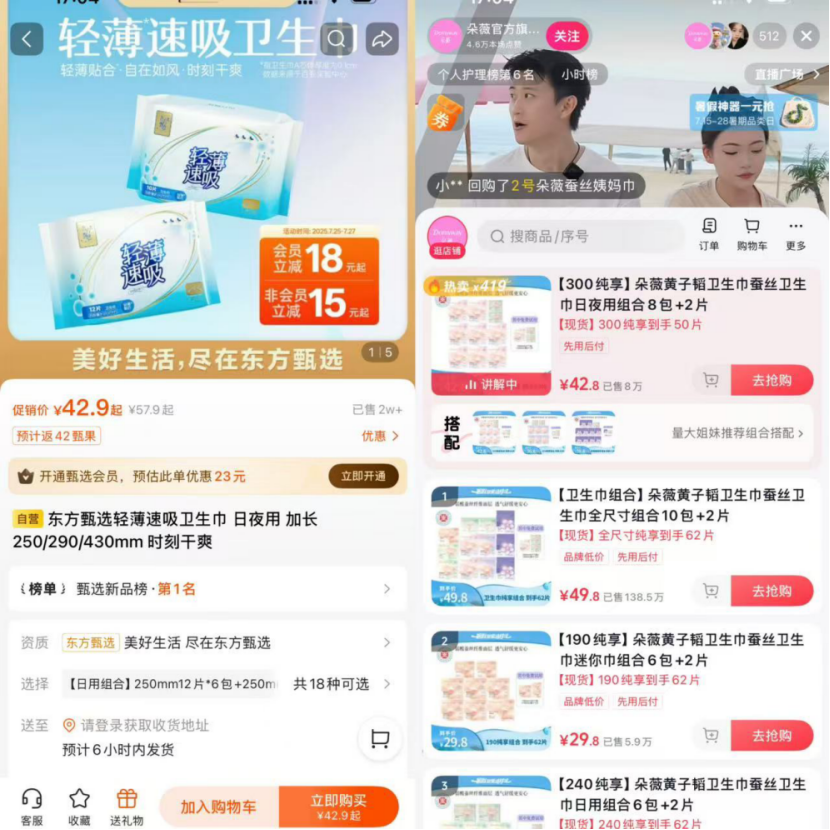
Core Viewpoint - The article discusses the contrasting reputations of various brands in the sanitary napkin market, highlighting the trust crisis in the industry, particularly focusing on the controversies surrounding Xinba's brand "Mian Mima" and the successful market entries of other brands like Dongfang Zhenxuan and Duowei [2][4][23]. Group 1: Industry Overview - The sanitary napkin market in China is facing a trust crisis, exemplified by Xinba's "Mian Mima" brand being found to contain high levels of carcinogenic substances [3][10]. - The average price of sanitary napkins in 2023 is reported to be 0.9 yuan per piece, with a compound annual growth rate of 4.79% [16]. - The sanitary napkin industry has an average gross margin of 45%, but due to high marketing and channel costs, the net profit margin is only between 7% and 11% [24]. Group 2: Brand Performance - Xinba's "Mian Mima" brand reportedly achieved sales of 3.33 billion yuan over eight years and claims to have one million users [4]. - In contrast, Dongfang Zhenxuan's sanitary napkin launched in June sold 180,000 units within two days, generating an estimated sales revenue of 18 million yuan [7]. - Huang Zitao's Duowei brand sold 1.2 billion pieces within a month, with sales revenue around 80 million yuan [7]. Group 3: Product Quality and Safety - "Mian Mima" sanitary napkins were found to contain sulfur urea, a substance linked to thyroid issues, with one batch showing a sulfur urea content of 16,653.4679 μg/g [10][11]. - Despite the controversy, Xinba claims that their products are compliant with safety standards, presenting a testing report that shows no sulfur urea detected [13][15]. - Industry experts suggest that the presence of sulfur urea may be related to cost-cutting measures, as it is cheaper than other antioxidants [16]. Group 4: Market Dynamics and Strategy - The entry of entrepreneurs like Yu Minhong and Huang Zitao into the sanitary napkin market reflects a shift towards product-oriented strategies, moving away from the low-price competition exemplified by Xinba [9][40]. - Dongfang Zhenxuan emphasizes product quality, conducting extensive testing and optimizing product features to address safety concerns [38]. - Huang Zitao has invested 275 million yuan in acquiring factories and improving production lines, aiming for transparency in the manufacturing process [39].
辛巴卫生巾出事,说明直播间里的“雷军”还不够
Hu Xiu· 2025-07-25 14:09
Core Viewpoint - The sanitary napkin industry is facing a trust crisis, highlighted by the controversy surrounding Xinba's brand "Mian Mima," which has been found to contain high levels of carcinogenic substances, while other brands like those promoted by Yu Minhong and Huang Zitao are gaining popularity for their quality and marketing strategies [1][2][4]. Group 1: Industry Overview - The sanitary napkin market in China is significant, impacting the health of approximately 700 million women, and there is a strong demand for reform and quality assurance in the industry [25]. - The average gross margin in the sanitary napkin industry is reported to be around 45%, but due to high marketing and channel costs, the net profit margin is only between 7% and 11% [27]. - Recent sales data indicates that new entrants like Dongfang Zhenxuan and Huang Zitao's brands have achieved impressive sales figures, with Dongfang Zhenxuan's sanitary napkin sales reaching approximately 18 million units in just two days [5][26]. Group 2: Company-Specific Insights - Xinba's "Mian Mima" brand has generated sales of 3.33 billion yuan over eight years and claims to have 10 million users, but it is now under scrutiny due to health concerns [3][9]. - In contrast, Dongfang Zhenxuan has successfully leveraged its existing customer base and marketing strategies to enhance brand trust and sales, with a reported stock price increase of 53% since July [31]. - Huang Zitao has invested 275 million yuan into acquiring factories and innovating production lines for his brand, emphasizing transparency and quality in response to market demands [42]. Group 3: Product Quality and Safety Concerns - Reports indicate that multiple batches of "Mian Mima" sanitary napkins have been found to contain excessive levels of thiourea, a substance classified as a potential carcinogen [10][11]. - Despite the controversy, Xinba's representatives claim that their products are compliant with safety standards, presenting testing reports that show no thiourea presence in recent samples [13][14]. - Industry experts suggest that the presence of thiourea may be linked to cost-cutting measures, as it is cheaper than other antioxidants [19]. Group 4: Marketing and Consumer Trust - The recent sanitary napkin crisis reflects a broader consumer demand for product quality over low pricing, as seen in the contrasting strategies of Xinba and other emerging brands [4][44]. - Influencers like Yu Minhong and Huang Zitao are capitalizing on their reputations to build trust and drive sales, focusing on product quality rather than solely on price [7][43]. - The success of these brands in the sanitary napkin market illustrates a shift towards a product-centric approach, which is essential for long-term sustainability in the industry [51].
山东临清:以校企合作实现“借梯登高”
Zhong Guo Jing Ji Wang· 2025-07-25 03:04
Group 1 - Hengfa Hygiene Products Co., Ltd. has launched the "Beijing University of Science and Technology - Anke New Smart Brand Innovation Research Center" to leverage academic resources for innovation [1] - The company has achieved a 30% annual sales growth rate through digital marketing and a three-tier transformation involving "machine replacement - digital empowerment - smart innovation" [1] - In 2023, the company plans to develop biodegradable sanitary materials in collaboration with Shandong universities and will introduce an AI quality inspection system in 2024, aiming for a product quality rate of 99.6% [1] Group 2 - The government has organized over 20 industry-university-research cooperation activities, facilitating direct exchanges between enterprises and top institutions [2] - More than 30 formal cooperation projects have been established, with 8 joint research projects receiving municipal and higher-level technology plan support, totaling 3 million yuan in funding [2] - The establishment of key laboratories, such as the "Key Laboratory of High-Performance Copper-Based New Materials" and the "Key Laboratory of Major Livestock and Poultry Breeding," has positioned them within the provincial "1313" laboratory system, enhancing competitive advantage in technology [2] Group 3 - The local government aims to strengthen the connection between enterprises and academic institutions, promoting dual innovation in technology and industry to drive high-quality industrial development [3]
辛选旗下卫生巾被检硫脲引安全质疑,品牌方回应:不存在致癌问题
Guan Cha Zhe Wang· 2025-07-24 12:39
Core Viewpoint - The sanitary napkin brand "Mian Mima" created by influencer Xinba is facing quality issues, with reports indicating high levels of thiourea in multiple batches of products, raising health concerns for consumers [1]. Group 1: Product Quality Issues - Multiple batches of "Mian Mima" sanitary napkins, including various types, were found to contain high concentrations of thiourea, with one product showing a thiourea content of 16653.4679 μg/g [1]. - Thiourea is classified as a Group 3 carcinogen by the International Agency for Research on Cancer (IARC) and is associated with potential health risks such as thyroid dysfunction and reproductive system damage [1]. Group 2: Company Response and Compliance - In response to the allegations, Xinba's company stated that they requested inspections from local authorities, and the results indicated that the tested products met national standards, with no thiourea detected [4]. - The brand "Mian Mima" was established in 2017 under Xinba's group, focusing on women's hygiene products, and has sold over 549,000 units with sales exceeding 100 million yuan as of last August [4].

网红卫生巾检出致癌物,自称8年销售33亿
21世纪经济报道· 2025-07-24 12:28
Core Viewpoint - The article highlights the serious health concerns regarding the sanitary napkin brand "Mian Mima," which has been found to contain high levels of the toxic substance thiourea, raising alarms among consumers and health experts [1][4][6]. Group 1: Product Testing Results - Multiple batches of "Mian Mima" sanitary napkins, including the "Tea Oxygen Night" and "Sakura Soothing" variants, have been tested and found to contain dangerously high levels of thiourea, with one sample showing a concentration of 16,653.4679 μg/g [1][4]. - A report from Shanghai Fuda Testing Technology Group indicated that out of 14 samples tested, only one batch did not show thiourea, while the "Sakura Soothing" medical-grade sanitary napkin had a thiourea content of 1,669.1608 μg/g [4][9]. Group 2: Consumer Health Concerns - Reports have emerged from consumers claiming health issues, including over 30 individuals self-reporting thyroid cancer, linking their conditions to the prolonged use of "Mian Mima" sanitary napkins [5][6]. - The article discusses the potential health risks associated with thiourea, which is classified as a possible carcinogen and has been linked to various health issues, including thyroid dysfunction and liver toxicity [16]. Group 3: Company Response and Standards - The company behind "Mian Mima," Xin Xuan Group, claims that their products comply with existing national standards, which do not currently include thiourea testing, and asserts that there is no cancer risk associated with their products [9][11]. - Despite the company's claims of compliance, the article points out a regulatory gray area where products may meet existing standards but still contain harmful substances not included in the testing criteria [14]. Group 4: Industry Insights - Thiourea is suggested to be used as a cheaper alternative to more expensive antioxidants like tea polyphenols in the sanitary napkin manufacturing process, raising concerns about the integrity of product formulations [16]. - The article emphasizes the need for more comprehensive testing and regulation in the sanitary products industry to ensure consumer safety and prevent the use of harmful substances [14][16].
“棉密码”卫生巾被指检出硫脲,线上平台正常售卖,辛选称不存在“致癌”问题
Zhong Guo Jing Ji Wang· 2025-07-24 11:06
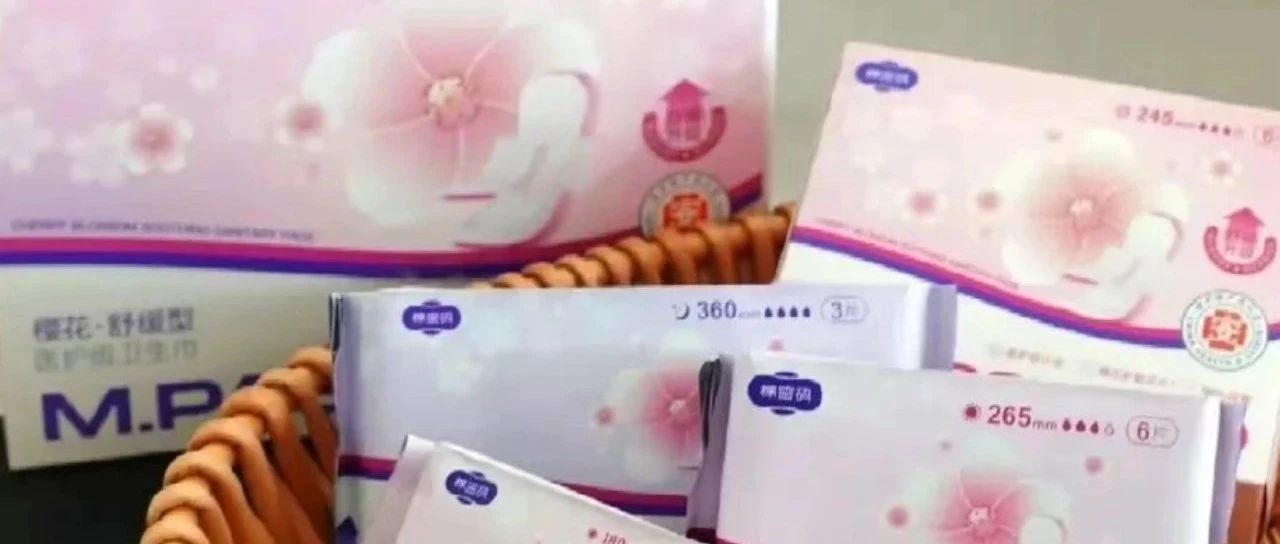
Group 1 - The topic of "Cotton Password sanitary napkins detected with carcinogens" has gained significant attention, with the brand's flagship store maintaining an average positive rating of 97% on online platforms [1] - Multiple batches of Cotton Password sanitary napkins, including night and day use products, have been found to contain high levels of thiourea, with one product showing a thiourea content of 16653.4679 μg/g [1] - Thiourea is classified as a Group 3 carcinogen by the International Agency for Research on Cancer, indicating potential health risks from long-term exposure [1] Group 2 - The brand Cotton Password was founded in 2017 by influencer Xinba (Xin Youzhi) and is part of the Xin Xuan Group, focusing on women's hygiene products [2] - Cotton Password claims to use tea polyphenol chips in their sanitary napkins, promoting antioxidant benefits, and offers various product lines including tea oxygen series and cherry blossom series [2]
网红辛巴自创品牌“棉密码”卫生巾,被曝检出超高含量致癌物!“一千万人在用”
新浪财经· 2025-07-24 09:18
Core Viewpoint - The brand "Mian Mima" is facing health concerns due to high levels of thiourea detected in its sanitary products, raising questions about consumer safety and product integrity [1][4][8]. Group 1: Brand Background - "Mian Mima" was founded by popular streamer Xin Ba in 2017 and is marketed as a product he personally developed, claiming to have one million users [3]. - The brand has become a star product on live-streaming platforms, achieving over 1 billion yuan in single-session sales and accumulating total sales of 3.33 billion yuan over eight years [4]. Group 2: Product Concerns - Multiple batches of "Mian Mima" sanitary napkins, including the "Tea Oxygen" series, have been found to contain excessive levels of thiourea, with one product showing a concentration as high as 16,653.4679 μg/g [1][5]. - Thiourea, a compound used in various industries, is classified as a potential carcinogen and poses health risks with long-term exposure [1][8]. Group 3: Testing and Findings - A consumer-led initiative resulted in testing where 7 out of 10 samples of "Mian Mima" products were found to contain thiourea, with specific products showing levels of 3,732.2022 μg/g and 3,201.9902 μg/g [4][5]. - An official report indicated that only one batch of "Mian Mima" did not contain thiourea, while others, including a medical-grade product, had significant levels [5][7]. Group 4: Industry Implications - Experts suggest that the presence of thiourea may be due to its low cost and potential use as a substitute for more expensive antioxidants like tea polyphenols, indicating possible industry-wide practices [4][8].
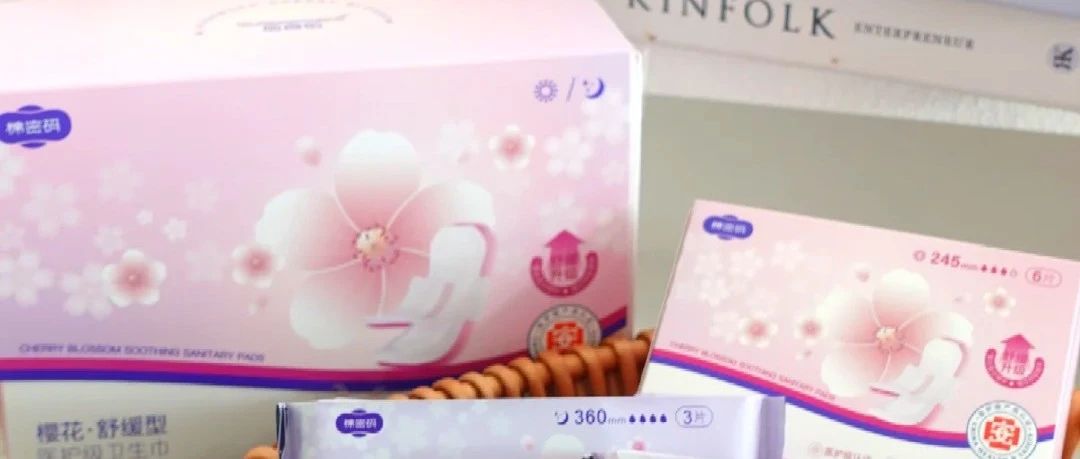
棉密码回应卫生巾检出硫脲:已送检第三方 残留对健康不构成风险
Xin Lang Ke Ji· 2025-07-24 09:13
Core Viewpoint - The "Cotton Password" sanitary napkin brand, under the Xin Xuan Group, has been reported to contain high levels of thiourea, raising concerns about potential health risks, including thyroid cancer. The company has issued statements and safety assessments asserting that their products comply with national regulations and that the detected thiourea levels do not pose a health risk under normal usage conditions [1][2]. Group 1 - The "Cotton Password" brand was created by influencer Xin Ba in 2017 and is marketed as a product he personally developed, claiming to have one million users [2]. - Thiourea is a sulfur-containing organic compound widely used in industrial, agricultural, and pharmaceutical applications, classified as a potential carcinogen by the International Agency for Research on Cancer due to long-term exposure risks [2]. Group 2 - The company has conducted third-party testing and received safety assessments indicating that thiourea residues in their products do not pose a potential health risk when used as intended [1]. - Reports indicate that multiple batches of "Cotton Password" sanitary napkins have shown excessive thiourea levels, with one product containing as much as 16,653.4679 μg/g [1].