酒店业

Search documents
美联储的两大误判(国金宏观钟天)
Xin Lang Cai Jing· 2025-12-29 03:11
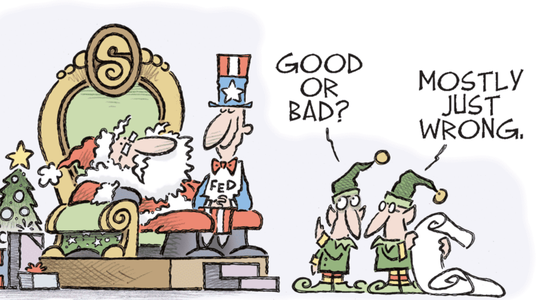
Group 1 - The Federal Reserve's two major misjudgments this year are overestimating the weakening of labor supply and the inflation level transmitted by tariffs, reflecting a lack of clarity regarding the "K-shaped economy" and the impact of AI [3][34] - The economic landscape shows a coexistence of "summer growth" and "winter employment," with increasing pressure on small and medium-sized enterprises and a growing consumption divide among different income levels [3][38] - The Fed's decisions have been influenced by a "data dependency syndrome," where both the Fed and the market rely heavily on upcoming data releases to adjust their views, indicating a diminishing effectiveness of experiential knowledge [3][34] Group 2 - The labor supply issue was first mentioned by Powell on June 18, 2025, attributing the decline to a significant drop in immigration numbers [7][39] - The perception that labor supply began to weaken only after Trump's presidency is a misconception, as the Biden administration had already tightened illegal immigration by May 2024 [9][39] - Despite expectations of a labor supply decrease due to reduced illegal immigration, the unemployment rate has continued to rise, indicating that labor supply has not significantly decreased compared to the previous two years [11][41] Group 3 - The Fed's misjudgment regarding labor supply is attributed to three objective factors: cautious evaluation of immigration policies, the ineffectiveness of Trump's policies in significantly altering labor supply, and a weakening of domestic demand [16][47] - The current decline in illegal immigration numbers makes it difficult to see new marginal changes in labor supply in the short term, suggesting a need to refocus on demand-side stimulus rather than supply-side measures [18][49] Group 4 - The overestimation of tariff-induced inflation is another misjudgment by the Fed, linked to the further weakening of the U.S. real economy [18][49] - As of November, the U.S. has collected an additional $164 billion in tariffs compared to the previous year, but many exemptions and "import rushes" mean that these tariffs are not entirely borne by U.S. importers [18][49] - The weak U.S. economy is reflected in various sectors, with hotel occupancy rates and restaurant profits showing declines, indicating that tariff-sensitive industries are absorbing some of the tariff increases [19][50][54] Group 5 - The burden of tariffs varies significantly across different categories of goods, and this could amplify economic fluctuations in 2026, with potential increases in layoffs if the economy weakens further [25][56] - As of the end of 2025, the focus has shifted from tariff inflation to the overall weakness of the real economy, raising concerns about potential misjudgments by the Fed in 2026 amid new variables like midterm elections and AI industry trends [29][60]

网友反映酒店瓶装水发现疑似针孔,酒店前台称正在处理,警方介入调查
Xin Lang Cai Jing· 2025-12-29 01:58
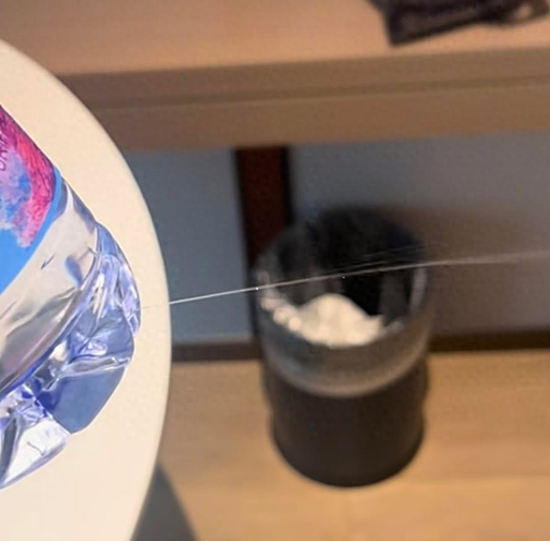
日前,有网友在社交平台反映,其入住四川巴中市一家智选假日酒店期间,发现一瓶装水上疑似有针 孔。12月28日下午,红星新闻记者联系涉事酒店,酒店表示正在处理此事,警方上午也到酒店来过。辖 区警方向记者证实,警方已就网友反映的情况介入调查。 日前,有网友在社交平台反映,其入住四川巴中市一家智选假日酒店期间,发现一瓶装水上疑似有针 孔。12月28日下午,红星新闻记者联系涉事酒店,酒店表示正在处理此事,警方上午也到酒店来过。辖 区警方向记者证实,警方已就网友反映的情况介入调查。 据网友爆料称,其于12月23日入住巴中智选假日酒店万达广场店,入住后喝了第一瓶矿泉水,喝之前捏 过,没有异常。24日一早直接喝了第二瓶水,离店前准备将其带走在高铁站饮用,拿起来以后发现桌上 有水迹,捏了一下矿泉水瓶就出现了视频中的情况。其发布的视频画面显示,一瓶矿泉水有细细的水流 喷出,配文称"矿泉水(瓶)有疑似针眼,可怕至极"。有网友在评论区留言称,如果瓶子薄在运输过程 中有可能造成这种情况。 视频发布者称,因当天着急离店乘高铁,离开前将情况反馈给酒店前台,并要求作相关的水质检测。红 星新闻记者私信该网友,截至发稿时暂未获回复。 据网友爆料 ...
在笑声中迎新,锦江酒店跨界脱口秀全国巡演在沪收官
Xin Lang Cai Jing· 2025-12-28 10:11
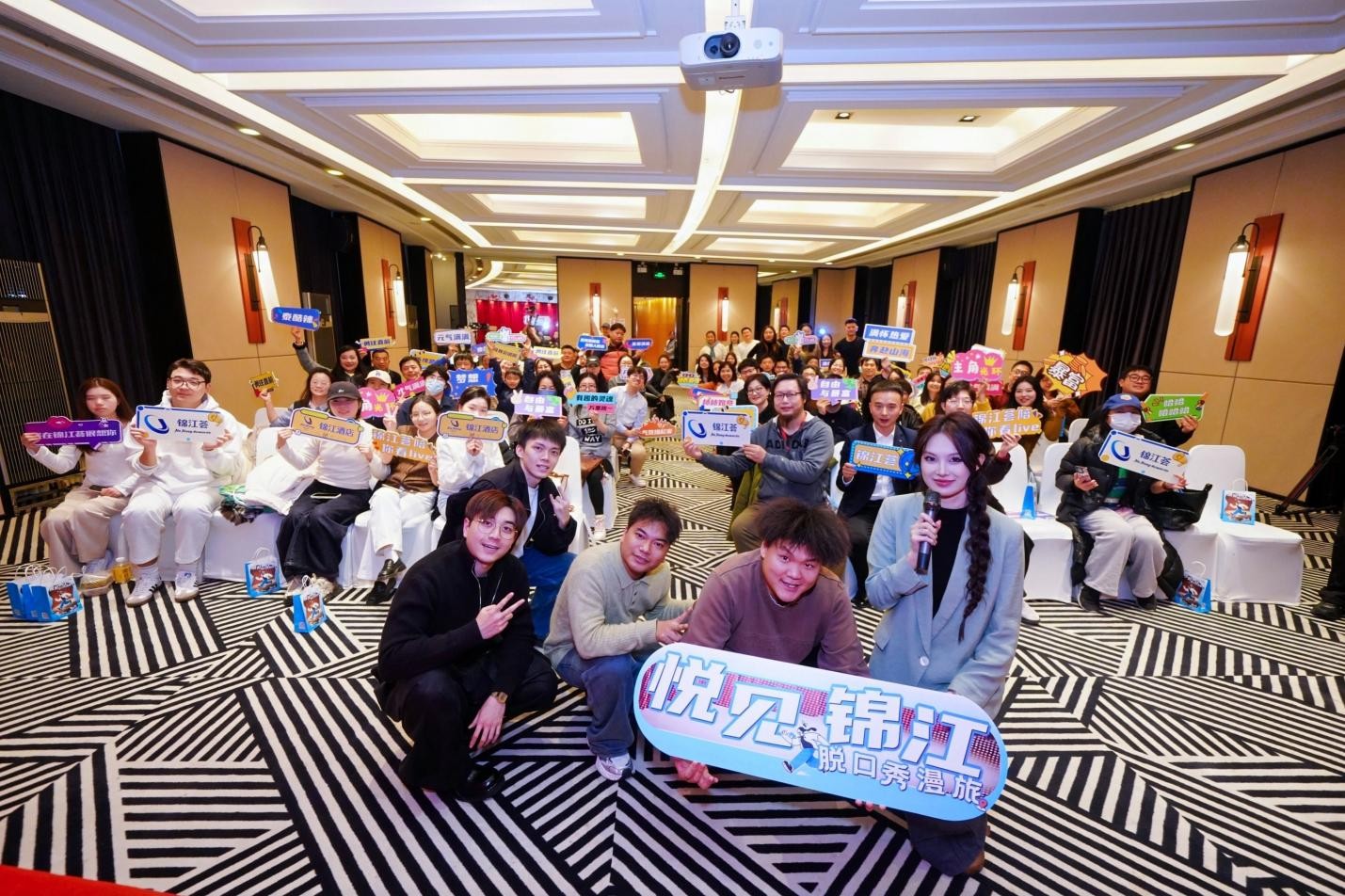
(来源:劳动报) 转自:劳动报 近年来,随着越来越多人愿意为情绪价值和真实体验付费,"跟着演出去旅行"逐渐成为年轻人的时髦风尚。伴随"悦见锦江·脱口秀漫旅"陆续开展,"酒店 +脱口秀"这一创新体验在客群中的吸引力、影响力亦持续走高,收获诸多好评。 提升用户黏性与复购率 如今各行业都愈发重视会员精细化经营与体验升级,通过打造差异化权益、深化情感连接来提升用户黏性与复购率。以"悦见锦江·脱口秀漫旅"为重要组成 部分的"锦江荟带你看LIVE",正是酒店业极具代表性的IP。 今年"锦江荟带你看LIVE"通过热门演唱会、时髦音乐剧以及世界级赛事观演门票等超值会员福利,主动激发大众一次次"为了热爱的奔赴"。其中,"悦见锦 江·脱口秀漫旅"是锦江酒店(中国区)继去年成功打造"锦江SPACE+会员体验互动空间VIP包厢"后,对会员权益提升的又一次深度拓展。 LIVE体验之外,今年6月,锦江荟还创新推出"新店套餐积分兑"活动——例如,北海涠洲岛丽芮酒店的新店套餐中,不仅有高级园景房、东南亚美食家庭套 餐、海鲜加工优惠券,还包含码头接驳、涠洲岛火山地质公园门票2张及旅拍等,限时秒杀仅需16800积分,相当于市场价3折。以及,即将 ...

重塑城市商旅新地标——常州大酒店焕新启幕
Yang Zi Wan Bao Wang· 2025-12-26 09:40
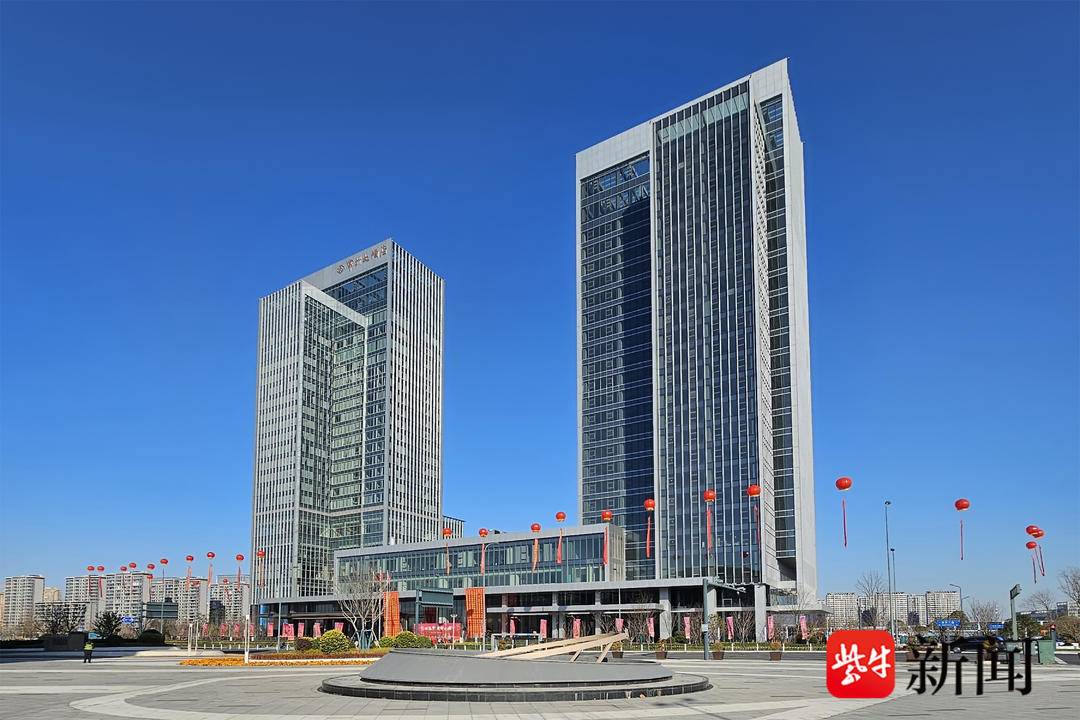
Group 1 - The grand opening of Changzhou Grand Hotel marks a significant milestone for the company in the high-end service industry, showcasing its commitment to local development and employment promotion [2][9] - The hotel, built to five-star standards, features a total construction area of over 43,000 square meters and stands 99.8 meters tall, offering 272 guest rooms and various dining options [3][5] - The strategic location of the hotel near cultural centers and efficient transport links, including proximity to metro, high-speed rail, and the airport, positions it as a key hub for business exchanges and tourism in the Changzhou Economic Development Zone [5][9] Group 2 - The company has evolved from a steel-focused business to a diversified entity, integrating modern agriculture, intelligent manufacturing, high-end hotels, and commercial real estate into its development strategy [7] - The hotel aims to blend historical warmth with modern style, serving as a showcase for the Changzhou Economic Development Zone and enhancing the city's image [7][9] - With the addition of Changzhou Grand Hotel, the company strengthens its hotel service system in the Yangtze River Delta, emphasizing brand, chain, and high-quality service characteristics [9]
中端酒店投资的“稳赢”新答案:丽呈安屹酒店(REZEN ANYI HOTEL)重磅启幕,以“赭色坐标”深耕存量市场
Sou Hu Cai Jing· 2025-12-26 05:40
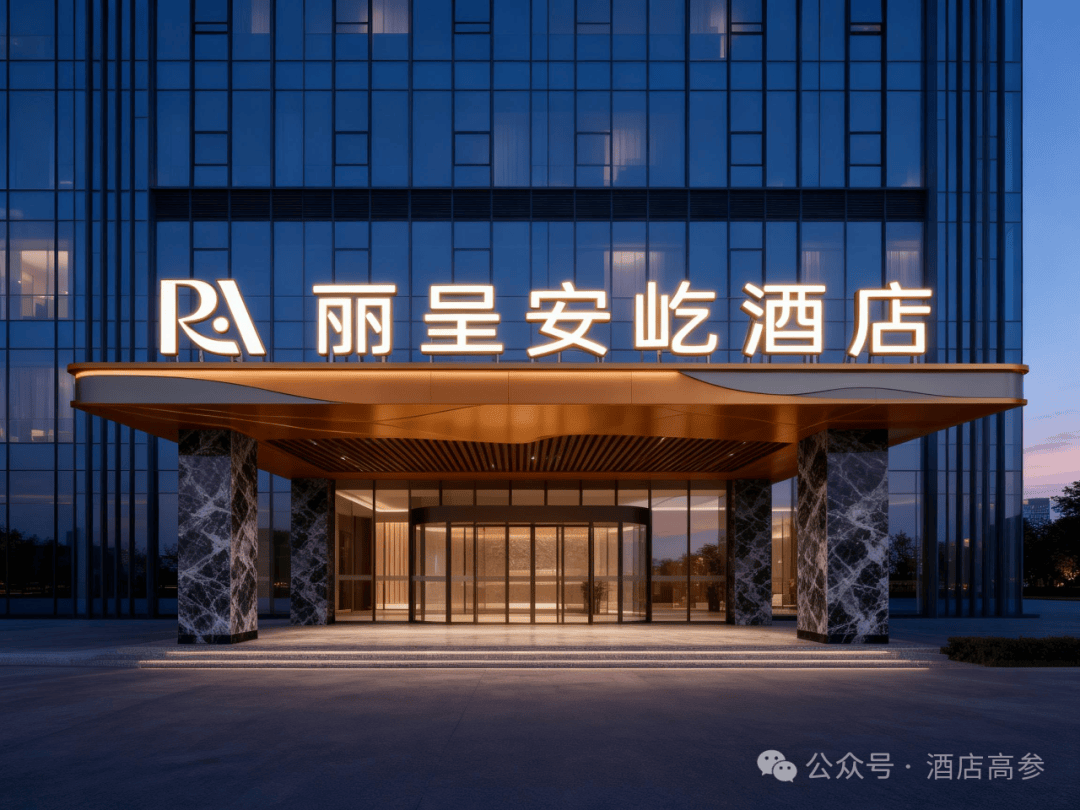
Core Insights - The Chinese hotel industry is transitioning from a "growth era" to a "refinement era," where efficiency and stability are becoming the new benchmarks for investment success [1] - Shenzhen Apolo Hotel Management Co., Ltd. and Ctrip's Lisheng Group have announced a strategic partnership to launch the mid-range hotel brand REZEN ANYI HOTEL, focusing on the value reconfiguration of existing assets [1][3] - The REZEN ANYI brand aims to address the challenges of upgrading existing hotels by combining "international standard quality" with "local efficient operations," creating a robust investment model for investors seeking stable returns [1][4] Industry Challenges - The mid-range hotel market in China is facing structural challenges, with over 60% of the 350,000 existing hotels having been in operation for more than five years, leading to issues such as outdated designs and declining profitability [3] - Investors often face a dilemma between choosing internationally recognized hotel brands, which come with high costs and long payback periods, and local brands, which may lack maturity and brand influence, resulting in unstable occupancy and profitability [3] REZEN ANYI Hotel's Value Proposition - REZEN ANYI Hotel is designed to tackle the structural challenges in the market by integrating Apolo's operational expertise with Lisheng Group's digital capabilities [4] - The brand's mission is to unlock a new investment model that combines "international brand quality," "local team flexibility," and "stable financial returns," creating a "winning" model for investors [4] Four Core Foundations of REZEN ANYI - **Team Foundation**: The core operational team consists of industry veterans with an average of over 20 years of experience, ensuring practical support throughout the project lifecycle [7] - **Cost and Efficiency Foundation**: The brand has optimized its investment return model, reducing room costs by approximately 30% compared to traditional mid-range brands and aiming for a payback period of 3 to 3.5 years [8] - **Digital Foundation**: Leveraging Lisheng Group's digital platform, the hotel utilizes data-driven decision-making to enhance operational efficiency and maximize revenue [10][11] - **Membership and Traffic Foundation**: With a membership base of 30 million, REZEN ANYI can ensure strong initial customer flow and enhance brand loyalty through targeted marketing strategies [12] Strategic Significance - The launch of REZEN ANYI Hotel represents a significant upgrade in mid-range hotel investment philosophy, providing a lower-risk, more stable return option for investors in an uncertain market [13] - The brand aims to lead the industry from scale competition to value competition, promoting a long-term, stable investment approach [13]

2025年国际酒店集团高管大洗牌,全换上“本土掌柜”了
Xin Lang Cai Jing· 2025-12-26 03:49
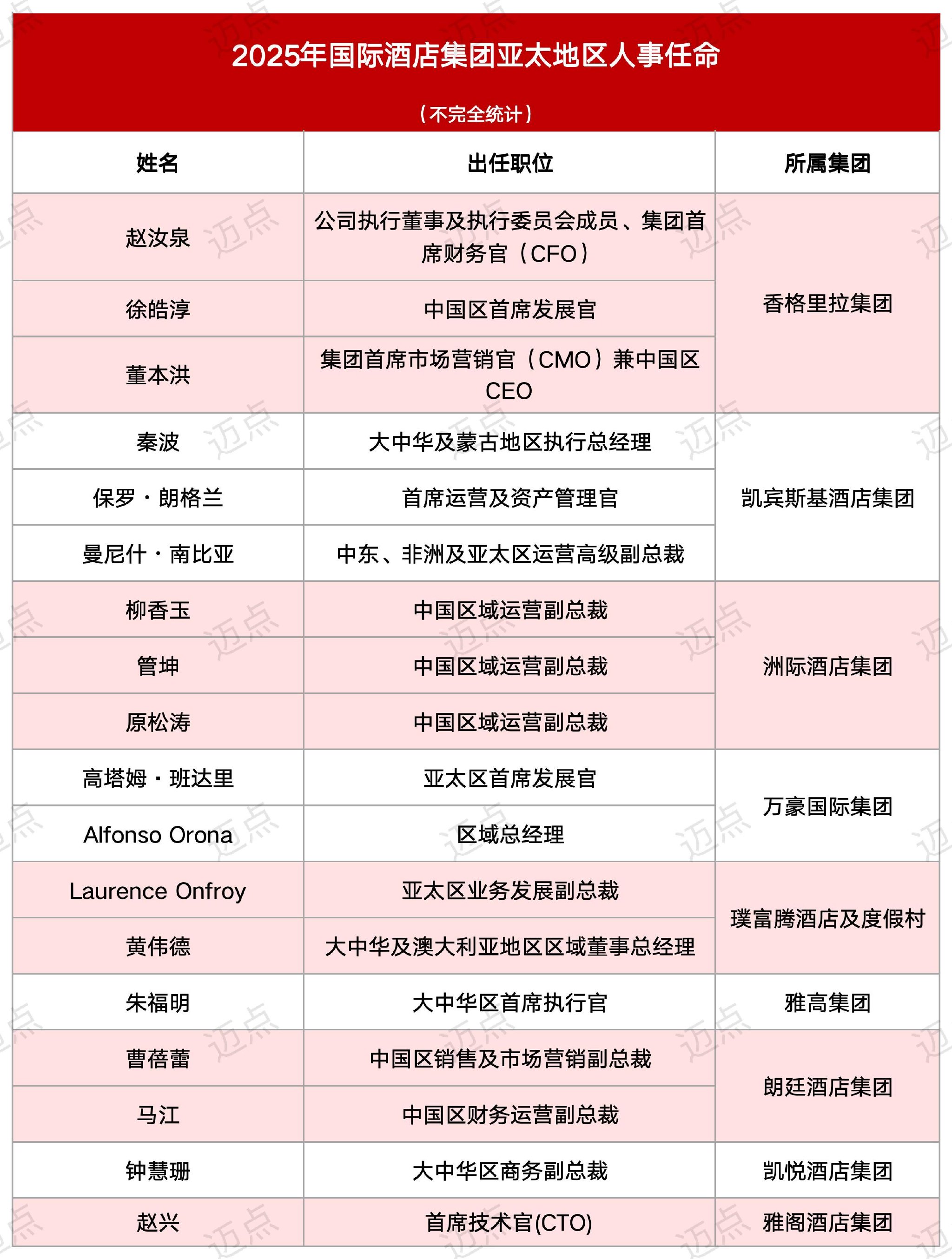
Core Insights - The article discusses the unprecedented wave of executive appointments by international hotel groups in the Asia-Pacific region, indicating a strategic shift in response to intensified competition in the Chinese market and emerging opportunities in Southeast Asia [1][7]. Group 1: Executive Appointments - Notable appointments include Qin Bo as General Manager for Greater China and Mongolia from Banyan Tree, and Zhu Fuming as President of Greater China from Shangri-La, reflecting a trend towards local talent in key positions [1][4]. - The shift from foreign executives to local leaders signifies a change in management strategy, allowing local managers to participate in strategic planning and resource allocation [4][5]. - The rise of female leadership is highlighted, with significant appointments such as Guo Huiguang as the first female CEO of Shangri-La, indicating a trend towards gender diversity in management [6]. Group 2: Market Dynamics - The article emphasizes that the changes in executive leadership are driven by evolving market conditions, consumer demands, and industry transformations [7][8]. - The Chinese market's significance is underscored, with local managers deemed more effective in navigating the complexities of consumer behavior and competition [8][9]. - The shift in consumer preferences towards experience-based services necessitates a management approach that is more attuned to local trends and demands [10][11]. Group 3: Strategic Implications - The article suggests that regional management may become mainstream, with companies like Kempinski granting operational autonomy to regional managers [13]. - There is an increasing focus on acquiring technical and composite talents to meet the demands of digital transformation and sustainability [15][16]. - The new management teams are expected to optimize business layouts, focusing on niche and lower-tier markets, enhancing local product offerings and partnerships with local online travel agencies [20][21]. Conclusion - The series of executive changes reflects a broader adjustment in the global hotel industry and the rising importance of the Chinese market, indicating a shift towards a model that integrates local adaptation with international standards [4][19].
海南产经观察:当非遗“老爸茶”入驻五星级酒店
Zhong Guo Xin Wen Wang· 2025-12-25 06:41
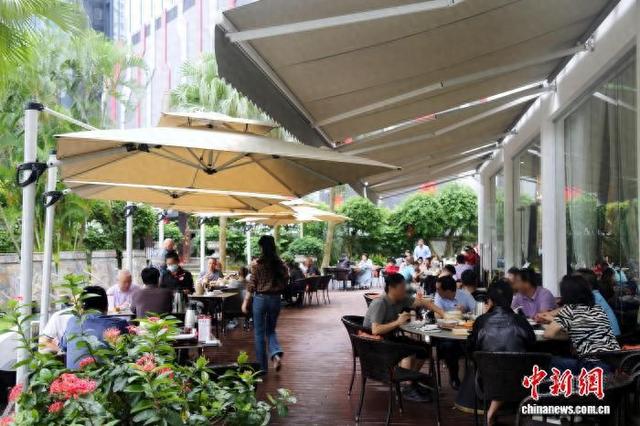
Core Viewpoint - The integration of the intangible cultural heritage "Old Dad Tea" into the five-star Hainan Junhua Haijing Hotel represents an innovative attempt to blend high-end hospitality with local culture, marking a strategic transformation towards "cultural + quality experience" [1][5]. Group 1: Cultural Integration - "Old Dad Tea" is a unique tea culture in Hainan, named after the local term for elders, and was included in the sixth batch of provincial intangible cultural heritage representative projects in 2024 [1]. - The project aims to recreate the early gathering and discussion scenes of overseas Chinese, providing a space for cultural exchange and culinary experience [5]. - The hotel has transformed its traditional all-day dining restaurant into a cultural experience space, emphasizing local culinary traditions and modern health concepts [7]. Group 2: Business Impact - Since its opening on November 1, the "Old Dad Tea" project has attracted an average of over 500 visitors daily, with over 95% being local residents and tourists, indicating strong community engagement [4]. - The hotel has been recognized as the first "Chinese National Brand Hotel" in Hainan, enhancing its reputation and cultural significance [5]. - The unique environment of the hotel provides a relaxed setting for business meetings, which is seen as beneficial for fostering closer relationships [4]. Group 3: Market Positioning - The hotel aims to differentiate itself in a competitive market by deeply exploring local culture and creating unique experiences, which is crucial in an increasingly homogenized hospitality industry [7]. - The introduction of creative tea snacks like "Hainan Pizza" and "Hainan Fried Dumpling Burger" reflects a blend of traditional flavors with modern dietary trends [7]. - The project not only enhances the hotel's cultural offerings but also represents a broader dialogue between tradition and modernity, local and international influences, and culture and commerce [7].
跳出内卷怪圈,华住瞄准新消费高端局
Xin Lang Cai Jing· 2025-12-25 05:03
Core Insights - High-end hotels are facing a survival crisis with an average occupancy rate of 58% and a 5% year-on-year decline in average room prices, prompting them to adopt new business models like street food stalls to attract customers [1] - The shift in consumer preferences from "price competitiveness" to "self-pleasure economy" indicates that consumers are willing to pay for emotional value, identity recognition, and spiritual resonance, pushing high-end hotels to establish deeper cultural and emotional connections with consumers [1] Group 1: Industry Trends - The high-end hotel market is experiencing a transformation as young consumers are moving away from standardized services and traditional luxury, favoring products and services that align with their emotional needs and values [4][18] - The pet ownership trend is significant, with over 120 million pets in urban China by 2024, leading to a growing demand for pet-friendly accommodations, which many hotels currently restrict [4][6] Group 2: Company Strategies - Huazhu Group's brands, including Huajian Hall, Xiyue, Shibaige, and Meilun Meihuan, are successfully tapping into the trend by creating diverse living scenarios tailored to different consumer preferences, positioning hotels as extensions of self-pleasure rather than mere lodging [3][19] - The flagship Meilun Meihuan hotel in Shanghai has transformed its lobby into an art salon, achieving a remarkable increase in RevPAR from 366 to 1379, demonstrating the effectiveness of its renovation strategy [12][13] Group 3: Market Positioning - Huazhu has built a comprehensive brand matrix covering all hotel categories, with over 12,000 hotels in 19 countries, and aims to fill the gap in diverse consumer needs while avoiding homogenized competition [19][20] - The company is accelerating its international expansion, having acquired Deutsche Hotel Group, which allows it to leverage established European luxury brands to penetrate the global high-end market [20]

陕西最豪高奢酒店业主,在敦煌投了我国第二家隐世
3 6 Ke· 2025-12-25 02:57
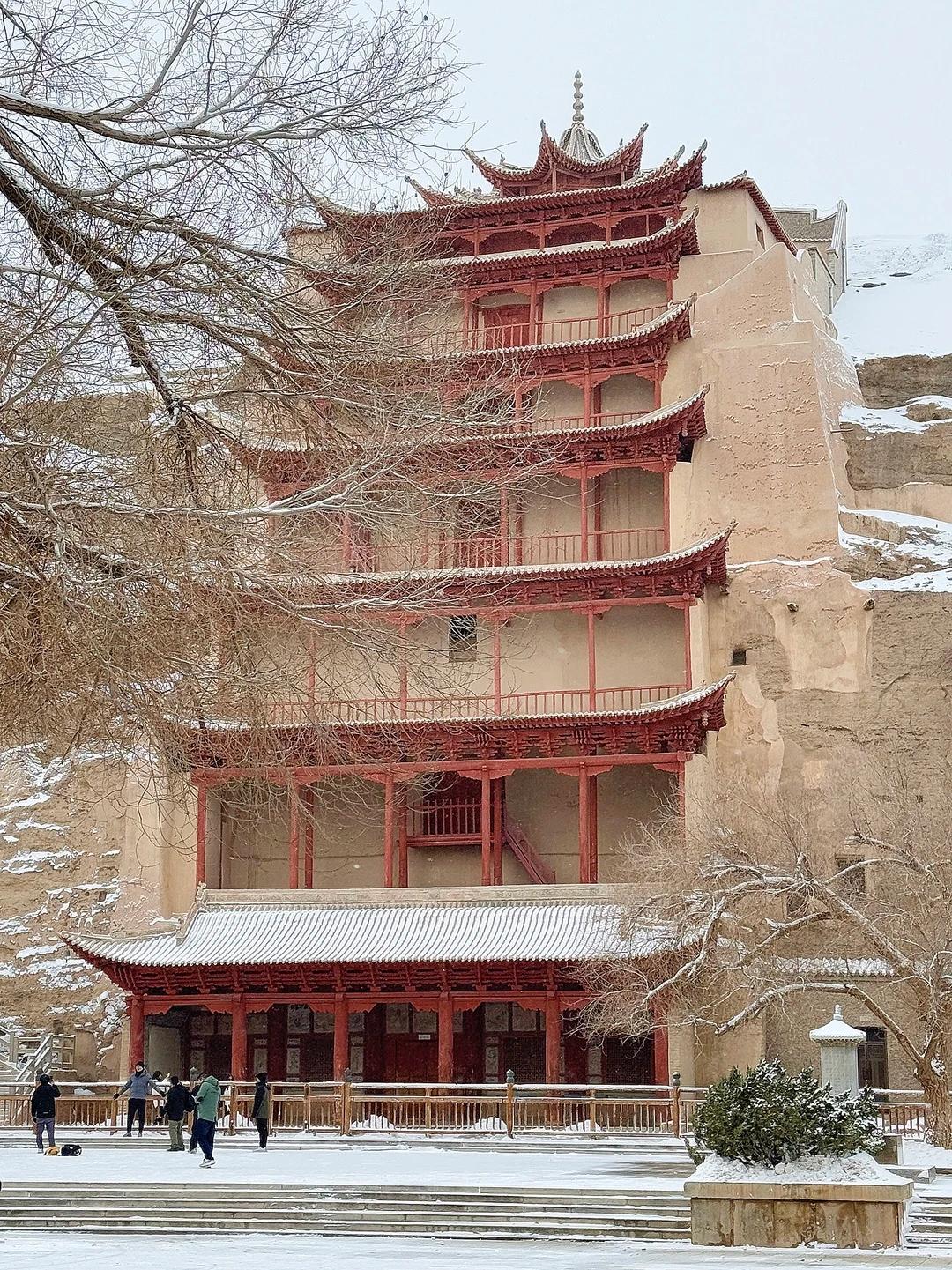
Core Insights - The article discusses the signing of a luxury hotel project, the Ritz-Carlton Reserve in Dunhuang, by Marriott and Shaanxi Wanzhong Holding Group, marking the first privately-owned Ritz-Carlton Reserve in Greater China and Wanzhong's first luxury hotel project outside Shaanxi [1][5][16]. Group 1: Project Details - The Ritz-Carlton Reserve will be located near the Mingsha Mountain and Crescent Spring scenic area, approximately 15 kilometers from the Mogao Caves, a UNESCO World Heritage site [2]. - The hotel will cover around 200 acres with a total construction area of approximately 30,000 square meters, featuring 69 luxury villas, each with a private courtyard, and three distinct dining venues [4]. - The first Ritz-Carlton Reserve in China is located near Jiuzhaigou, with starting room rates at 10,600 yuan [5]. Group 2: Company Background - Wanzhong Group is a real estate company based in Xi'an, known for its high-end hotel projects, including the Westin Hotel in Xi'an, which has 385 rooms and opened in 2018 [6][7]. - The group has plans to expand its luxury hotel portfolio, having recently signed agreements for a Mandarin Oriental hotel in Xi'an and a self-owned brand hotel called "Songjian" in Tongguan County [8][9]. Group 3: Market Trends - The luxury hotel sector is experiencing a shift, with state-owned and central enterprises becoming the main players in new high-end hotel projects, contrasting with the previous dominance of real estate companies [27][30]. - The investment focus in luxury hotels is transitioning from real estate-driven projects to cultural tourism and destination cities, reflecting changing market demands [31]. Group 4: Strategic Implications - Wanzhong Group's investment in the Dunhuang luxury hotel project signifies a strategic move to explore opportunities in the northwest region of China, indicating a proactive approach by Shaanxi capital [16][21]. - The group's commitment to high-end hotel development aligns with a broader trend of significant capital investment in luxury hospitality, which is seen as a stable long-term investment [20][22].
厌倦租房博弈的都市人,正在把酒店当“家”
虎嗅APP· 2025-12-24 14:16
本文来自微信公众号: 空间秘探 ,作者:武爽 近期,一位单亲母亲带娃在北京学区附近的五星级酒店住了三年,总花费约25万元的细节被披露 后,引发讨论,不少人甚至觉得这是一笔"划算"的选择。 这种看似"非常规"的居住方式,实际上正在多个城市反复出现。陪读家庭、外派员工、跨城工作 的"双城人群",以及部分年轻租客,开始把酒店作为阶段性居所,而不仅仅是短暂停留的住宿空间。 以下文章来源于空间秘探 ,作者武爽 空间秘探 . 文旅酒店业影响力玩家的每日目的地! 问题不再是"住酒店划不划算",而是当越来越多的人真的住了下来,酒店准备好了吗? 带娃上学住三年五星级酒店背后 的"精明算盘" 近期,一则"单亲妈妈连续三年住在北京五星级酒店、以25万元替代租房"的新闻在多个社交平台引 发热议。 故事本身并不复杂。单亲妈妈Sherry有北京户口,但在市区没有房子。孩子到了入学年龄,为了就近 进入东城区的公立学校,她必须在学校周边找到一个稳定的落脚点。摆在眼前的选项,其实也都是北 京家长耳熟能详的那几种:要么在西城、东城买一套动辄两千万元起步的老旧学区房,要么租房应付 几年,但随时面临房东涨价、收房甚至学位不确定的风险。她最终选择了第 ...