3D打印

Search documents
3D打印悄然引领美食新风尚
Ke Ji Ri Bao· 2025-12-05 00:49
Core Idea - The article discusses the rapid development of 3D food printing technology, which allows for personalized meal customization based on individual nutritional needs, potentially transforming the food industry and enhancing culinary experiences [1][4]. Group 1: Innovation in Food Customization - 3D printing technology enables the creation of personalized gourmet meals, offering unique textures and flavors, as demonstrated by projects like the complex cheese cake printed by Columbia University [2]. - Companies like Barilla and Hershey are leveraging 3D printing to create visually appealing pasta and intricate chocolate designs, enhancing both the aesthetic and taste of food [2]. Group 2: Applications in Special Scenarios - 3D food printing is being explored for use in challenging environments, such as space, where NASA is developing a 3D printer for astronauts to enjoy preferred meals during long missions [3]. - The U.S. Department of Defense is investigating 3D-printed energy bars tailored to soldiers' nutritional needs, with potential integration of wearable sensors for real-time dietary adjustments [3]. Group 3: Nutritional Customization - 3D printing technology offers new possibilities for nutritional customization, addressing issues like dietary imbalances that contribute to diseases such as diabetes and heart disease [4]. - Projects like Nestlé's "Iron Man" aim to create home devices for printing essential nutrients, while Japan's "Open Meal" project combines genetic testing with 3D printing for tailored sushi [4]. Group 4: Addressing Global Nutrition Challenges - 3D food printing shows promise in combating global hunger and malnutrition, with initiatives in India developing protein-rich snacks for government nutrition programs [4]. - The technology can produce appealing, low-cost food options that cater to local tastes, enhancing accessibility to nutritious meals [4]. Group 5: Future of Food Production - 3D printing could revolutionize fast food and high-calorie snacks by providing healthier alternatives, with potential applications in lab-grown meat customization [5]. - While traditional cooking methods may remain prevalent in home kitchens, the technology holds significant promise for hospitals, aerospace, and the food service industry [5].
3D打印,从制造到智造的跨越丨热门赛道
创业邦· 2025-12-05 00:16
Industry Overview - 3D printing is a technology that constructs physical objects layer by layer based on digital 3D models, utilizing materials such as metal powders, photopolymers, and engineering plastics [5] - The manufacturing paradigm is shifting from large-scale standardized production to agile manufacturing that supports complex structures and small-batch customization, with 3D printing being a representative technology of "digital manufacturing" [6] - 3D printing offers unique value in various fields, including aerospace, healthcare, and automotive, providing solutions for personalized customization and lightweight structural design [6][7] Advantages and Limitations - 3D printing has a material utilization rate exceeding 90%, significantly reducing waste compared to traditional subtractive manufacturing methods, which can waste up to 90% of raw materials [7] - The technology allows for the creation of complex lightweight structures that are difficult to achieve with traditional methods, which is particularly beneficial in aerospace for fuel savings and performance enhancement [12] - Despite its advantages, 3D printing faces limitations in material variety and production speed, and it is not intended to completely replace traditional manufacturing methods but rather to complement them [7] Industry Chain - The 3D printing industry chain consists of upstream materials and core components, midstream equipment manufacturing and services, and downstream applications across various industries [12][13] - Upstream, the core technologies are concentrated in materials, key hardware, and software, with titanium alloys being the most used material in China, accounting for 20.2% of raw material usage [12] - Midstream, industrial-grade equipment is developed for high-end needs, while consumer-grade devices cater to personal creators and small businesses, with China being the largest market for consumer-grade devices [13] Market Trends and Financing - The 3D printing market is expected to exceed 100 billion yuan by 2027, transitioning from prototype manufacturing to direct manufacturing of core functional parts [14] - Financing events in the 3D printing sector peaked at 72 in 2021 but declined to 53 in 2023, indicating a market adjustment and a shift from speculative hype to practical applications [14] Key Companies - Shenzhen Intelligent Pie Technology Co., Ltd. focuses on consumer-grade 3D printing equipment and has achieved significant sales, with revenue expected to exceed 2.5 billion yuan in 2025 [17][18] - Suzhou Xidimo 3D Printing Technology Co., Ltd. specializes in metal 3D printing and has developed large-scale SLM equipment, maintaining a leading position in the industry [21][22] - Divergent Technologies, Inc. utilizes AI-driven digital manufacturing systems for the automotive and aerospace sectors, achieving significant revenue growth and securing substantial financing for expansion [26][29] Recent Developments - Meta has launched a new imaging model that enhances 3D model generation from 2D images, showcasing advancements in AI and 3D printing technology [31][32] - A major 3D printing factory is being established in Shenzhen, which will become the largest in the world, marking a significant step for China in smart manufacturing [33] - Apple has revealed details about its use of 3D printing in Apple Watch production, highlighting material savings and environmental benefits [35]


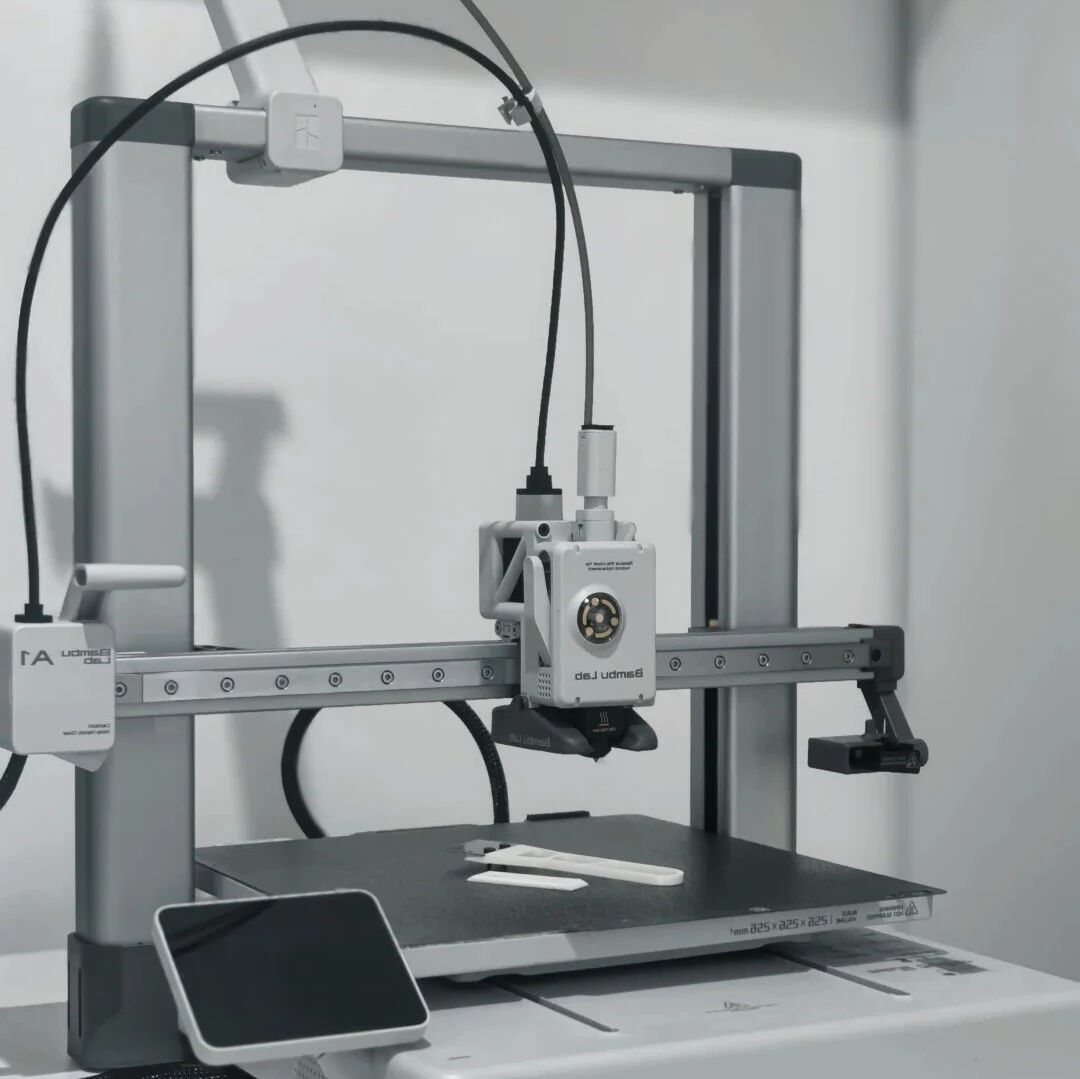
哈尔滨林创三维打印有限公司成立 注册资本1万人民币
Sou Hu Cai Jing· 2025-12-04 22:45
天眼查App显示,近日,哈尔滨林创三维打印有限公司成立,法定代表人为张志豪,注册资本1万人民 币,经营范围为一般项目:3D打印服务;技术服务、技术开发、技术咨询、技术交流、技术转让、技 术推广;专业设计服务;增材制造装备销售;数字文化创意内容应用服务;3D打印基础材料销售;互 联网销售(除销售需要许可的商品);工艺美术品及礼仪用品销售(象牙及其制品除外);教学用模型 及教具销售。 ...
消费级3D打印龙头专家交流
2025-12-04 15:36
Summary of the 3D Printing Industry Conference Call Industry Overview - The consumer-grade 3D printing market has experienced three pivotal turning points: DIY demand during the pandemic, breakthroughs in high-speed printing technology in 2022, and the application of multi-color and AI technologies in 2024, driving rapid market growth. It is projected that by 2030, shipments will exceed 8.5 million units [1][8]. - The user base has expanded from makers to include education, families, designers, and medical fields, with a focus on educational, maker, and family interaction users. However, domestic penetration remains low due to cultural, lifestyle, and supply chain differences [1][5]. Key Insights and Arguments - Future product upgrades will focus on color/full-color printing, increasing speed and success rates, and lowering usage barriers. Leading companies are promoting their products through offline experience stores, but addressing actual life needs is essential for increasing adoption [1][7]. - The quality of 3D printed products is currently slightly inferior to branded injection-molded products but superior to low-end non-branded products. Competitive advantages among companies lie in user positioning (Tao Zhu), channels (Chuangxiang 3D), cost-performance ratio (Zhongwei Lifan), and technology (Smart派) [1][12]. Market Dynamics - The average selling price of 3D printers has been declining since 2022, with low-end models having limited price reduction potential, while high-end models could see significant price drops from 8,000-10,000 RMB to 5,000-6,000 RMB [3][15][16]. - Third-party consumables dominate the market, accounting for 60% of the market share, with suppliers having low bargaining power and profit margins around 17%-20%. Many leading companies are planning or have established overseas production bases to gain competitive advantages [3][19][21]. User Demographics and Challenges - The user demographic has shifted significantly, with early adopters primarily being makers (70%), now supplemented by educational, family, and design users [4]. - Domestic penetration is low due to several factors, including cultural differences in education, lifestyle pace, and supply chain maturity. Currently, FDM and light curing combined annual shipments are less than 600,000 units, accounting for less than 12% of global sales [5][6][7]. Future Growth and Applications - The 3D printing industry is expected to accelerate growth in the next two to three years, driven by lower entry barriers and broader applications. The market is projected to exceed 8.5 to 9 million units by 2030 [8]. - Future applications will include household items like faucets and showerheads, with AI-generated models making it easier for users unfamiliar with modeling to utilize 3D printing [9]. Competitive Landscape - Major players include: - **Tao Zhu**: Leading in revenue with 5.7 billion RMB, focusing on diversified products beyond FDM. - **Chuangxiang 3D**: Diverse development but lacks sufficient R&D investment. - **Zhongwei Lifan**: Needs to enhance R&D and user experience. - **Smart派**: Must strengthen R&D to avoid price competition [14][12][13]. Pricing Trends and Cost Factors - The average price of 3D printers has decreased from approximately 480 USD in 2022 to around 360 USD in 2024, primarily due to intensified market competition [15][16]. - Factors influencing price differences include exchange rates, production costs, and compliance costs in different regions [26][27]. Regional Competition and Sales Channels - The competitive environment varies significantly across regions, with the U.S. being the largest and most competitive market. New entrants often use low-price strategies to gain market share, while established companies rely on offline channels [28][29]. Conclusion - The consumer-grade 3D printing industry is poised for significant growth, driven by technological advancements and expanding applications. However, challenges such as low domestic penetration and competitive pricing pressures remain critical factors for companies to address in their strategic planning.
华曙高科(688433.SH):拟与关联方设立合资公司布局3D打印服务领域
Ge Long Hui A P P· 2025-12-04 11:11
格隆汇12月4日丨华曙高科(688433.SH)公布,基于战略规划和业务发展需要,布局3D打印服务领域,开 展民用消费品领域(包括但不限于3C、汽车零件、精密型零部件等)的加工服务,公司拟与华耀腾 兴、湖南景锐创智科技有限公司(简称"景锐创智")共同出资人民币1亿元设立湖南湘兴数创有限责任 公司(暂定名,最终以市场监督管理部门登记为准),其中公司拟以自有资金认缴出资人民币4,000万 元,占目标公司注册资本40%;华耀腾兴拟以自有资金认缴出资人民币3,000万元,占目标公司注册资 本30%;景锐创智拟以自有资金认缴出资人民币3,000万元,占目标公司注册资本30%。 ...

华曙高科:与关联方共同投资设立注册资本1亿元的合资公司 布局3D打印服务领域
Ge Long Hui A P P· 2025-12-04 11:03
格隆汇12月4日|华曙高科公告,基于战略规划和业务发展需要,布局3D打印服务领域,开展民用消费 品领域的加工服务,公司拟与华耀腾兴、湖南景锐创智科技有限公司共同出资人民币1亿元设立湖南湘 兴数创有限责任公司,其中公司拟以自有资金认缴出资人民币4,000万元,占目标公司注册资本40%; 华耀腾兴拟以自有资金认缴出资人民币3,000万元,占目标公司注册资本30%;景锐创智拟以自有资金 认缴出资人民币3,000万元,占目标公司注册资本30%。 ...
华曙高科:拟与关联方设立合资公司布局3D打印服务领域
Ge Long Hui· 2025-12-04 11:02
Core Viewpoint - The company, Huashu High-Tech (688433.SH), is expanding into the 3D printing service sector, focusing on the processing services for consumer goods, including but not limited to 3C products, automotive parts, and precision components [1] Group 1: Investment and Partnership - The company plans to establish Hunan Xiangxing Digital Creation Co., Ltd. with a total investment of RMB 100 million, in collaboration with Huayaotengxing and Hunan Jingrui Chuangzhi Technology Co., Ltd. [1] - The company will contribute RMB 40 million, accounting for 40% of the registered capital of the target company [1] - Huayaotengxing and Jingrui Chuangzhi will each contribute RMB 30 million, representing 30% of the registered capital [1]
华曙高科:拟与关联方共同投资设立合资公司 布局3D打印服务领域
Mei Ri Jing Ji Xin Wen· 2025-12-04 10:56
Core Viewpoint - Huazhu Gaoke (688433.SH) announced plans to establish Hunan Xiangxing Digital Innovation Co., Ltd. in collaboration with related parties, focusing on the 3D printing service sector [1] Group 1: Company Investment - The registered capital for the new company is set at 100 million yuan, with Huazhu Gaoke holding a 40% stake, amounting to an investment of 40 million yuan [1] Group 2: Business Focus - The target company will engage in processing services within the 3D printing sector, specifically for consumer goods, including but not limited to 3C products, automotive parts, and precision components [1]
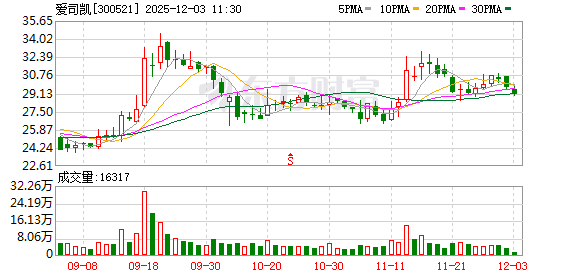
爱司凯:爱丁智能已完成增资的工商登记注册手续
Zheng Quan Ri Bao Wang· 2025-12-03 09:42
Core Viewpoint - Aisikai (300521) has completed the registration procedures for capital increase and obtained a business license for Aiding Intelligent, indicating a strategic move to enhance its 3D printing business through technological advantages [1] Group 1 - Aisikai has successfully registered the capital increase for Aiding Intelligent [1] - The company has obtained a business license for Aiding Intelligent [1] - The focus will be on leveraging technological advantages to advance the 3D printing business [1]

爱司凯:爱丁智能已完成增资的工商登记注册手续,并取得营业执照
Mei Ri Jing Ji Xin Wen· 2025-12-03 03:56
Group 1 - The company Aisike has completed the industrial and commercial registration procedures for the capital increase in Aiding Intelligent and has obtained a business license [2] - The company plans to leverage its technological advantages to advance the implementation of its 3D printing business [2]