水利工程

Search documents
行走江河看中国 | 在三峡,感受国之重器的青春脉动
Zhong Guo Xin Wen Wang· 2025-10-21 05:41
Core Insights - The article highlights the significance of the Three Gorges Project as a vital infrastructure that contributes to flood control, navigation, power generation, and water resource management in China [1][2][4]. Group 1: Project Overview - The Three Gorges Project, initiated in 1994, has been pivotal in addressing the long-standing issue of flooding in the Yangtze River, with a total flood control capacity exceeding 230 billion cubic meters since its operation began in 2003 [2]. - The project has generated over 1.8 trillion kilowatt-hours of electricity by August 2025, equivalent to saving 540 million tons of standard coal and reducing carbon dioxide emissions by 1.48 billion tons [4]. - The Three Gorges reservoir serves as a crucial freshwater resource and ecological regulator, ensuring water supply and irrigation safety for the Yangtze River basin [4]. Group 2: Innovation and Technology - The Three Gorges Project has achieved over 100 world records and more than 900 patents, showcasing its commitment to innovation and technological advancement [5]. - The project features the world's most complex inland ship lock system, with a total head of 113 meters, facilitating efficient navigation for large vessels [7][10]. - The Three Gorges Ship Lift, the largest and most technically challenging vertical ship lift globally, allows vessels to ascend 113 meters in approximately 40 minutes, enhancing the efficiency of river transport [10]. Group 3: Societal Impact and Education - The Three Gorges Project Museum, opened in August 2022, serves as an educational platform, allowing visitors to engage with the project's history and technological achievements [11][13]. - The museum has seen significant visitor engagement, with over 88,000 attendees during the recent holiday period, reflecting the public's interest in the project's contributions to national pride and innovation [13]. - The initiative aims to instill a sense of innovation and patriotism among younger generations through interactive exhibits and storytelling [14].

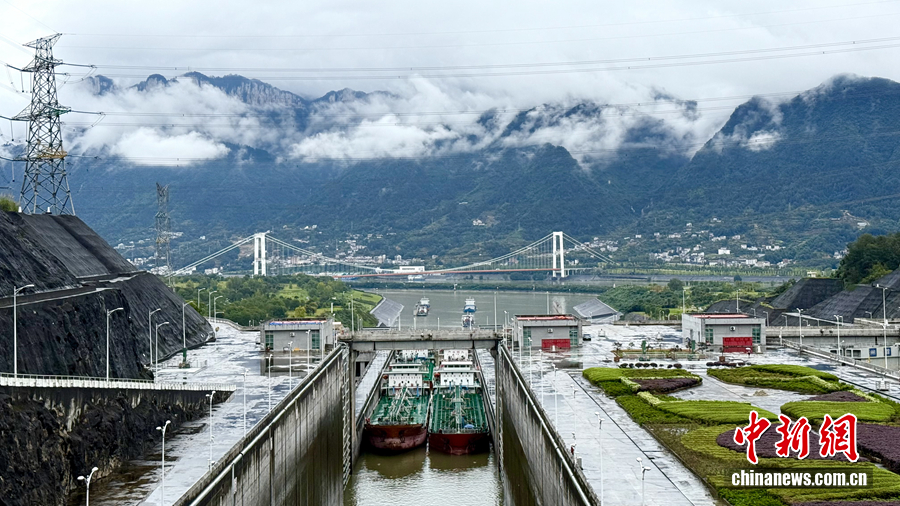
科技赋能让千年工程焕发“青春” 多维度解码中国水利“含金量”
Yang Shi Wang· 2025-10-19 08:40
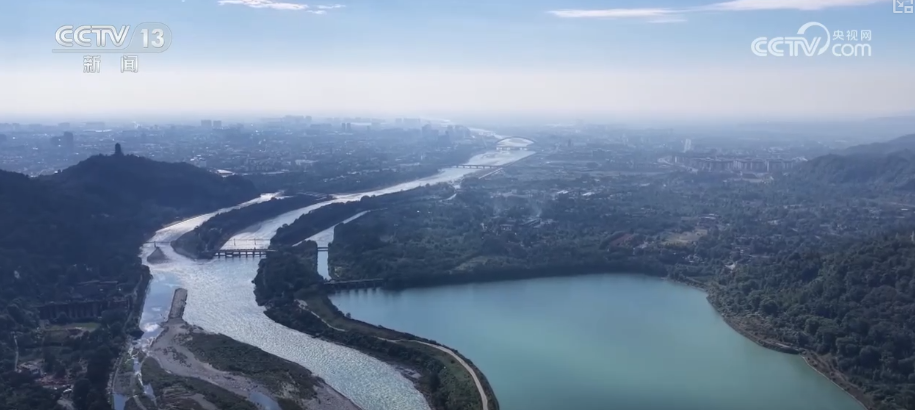
Core Insights - The article highlights the significant advancements in water management and irrigation systems in China during the "14th Five-Year Plan" period, emphasizing the restoration of river and lake ecosystems and the modernization of irrigation infrastructure [1][39]. Group 1: Water Management and Infrastructure Development - The "14th Five-Year Plan" has led to the reconnection of many rivers and lakes, with notable examples including the Beijing-Hangzhou Grand Canal and the Yongding River, which have resumed full flow after years of disconnection [1]. - The Doujiangyan Irrigation District, one of the largest in China, has seen its irrigated area expand from approximately 2.82 million mu in 1949 to 11.65 million mu by October 2025 [7]. - The Doujiangyan Irrigation District has increased its irrigated area by 740,000 mu during the "13th Five-Year Plan" period, driven by innovative management mechanisms and digital management methods [10]. Group 2: Technological Integration in Water Management - The integration of IoT and big data has enhanced the precision of irrigation management, allowing for real-time monitoring of water flow, weather conditions, and gate operations [15]. - The establishment of the Doujiangyan Irrigation Command Center has improved the management of water resources and flood control during the summer flood season [12][16]. Group 3: Historical Context and Cultural Significance - The article reflects on the historical significance of water management in Chinese civilization, tracing back to ancient practices that emphasized harmony with nature and efficient water use [20][24]. - The wisdom accumulated over thousands of years in water management continues to influence modern engineering practices, highlighting the importance of water resources for national stability and economic development [38][39]. Group 4: Achievements in Water Infrastructure - Over the past five years, China has made remarkable progress in water infrastructure, with investments in water projects exceeding 1 trillion yuan in 2022, marking a historical milestone [39]. - China has built 95,000 reservoirs with a total capacity exceeding 1 trillion cubic meters, making it the world leader in reservoir construction [41].
行走江河看中国丨水润三秦 看陕西如何碧波织锦
Yang Shi Xin Wen Ke Hu Duan· 2025-10-19 06:51
Core Viewpoint - The news highlights the significant advancements in water resource management in Shaanxi Province, particularly through the implementation of the "Yin Han Ji Wei" project, which aims to address water scarcity and improve ecological conditions in the region [2][5][21]. Group 1: Water Resource Management - The "Yin Han Ji Wei" project, a major water conservancy initiative in Shaanxi, will provide 1.5 billion cubic meters of water annually for over 14 million people, addressing the issue of seasonal water scarcity [2][5]. - The project has been under construction for over a decade, involving 15,000 participants, and is expected to be fully operational by 2027 [5][21]. - The project plays a crucial role in enhancing water security and supporting agricultural productivity in the region [5][14]. Group 2: Flood Control and Ecological Restoration - The construction of the Baoji Gorge dam has proven effective in flood control, significantly reducing the impact of floods on downstream areas [6][8]. - The ecological restoration efforts along the Wei River have transformed previously barren areas into vibrant ecosystems, enhancing biodiversity and recreational spaces [10][11]. - The project has also improved the connectivity of tributaries, leading to better water flow and ecological health in the region [10][11]. Group 3: Agricultural Impact - The introduction of efficient irrigation techniques, such as micro-spray and drip irrigation, has significantly improved water usage in agriculture, leading to increased crop yields and reduced water costs for farmers [13][14]. - The transformation from traditional irrigation methods to modern techniques has allowed farmers to optimize water usage, ensuring crops receive adequate moisture [13][14]. - The agricultural initiatives supported by the water management projects have contributed to local economic growth and food security [14][21]. Group 4: Soil and Water Conservation - The "Three Lines of Defense" strategy implemented in the region has effectively reduced soil erosion and improved water retention, transforming arid areas into fertile land [22][24]. - The strategy includes terracing, afforestation, and the construction of sediment retention structures to manage water and soil resources sustainably [24][25]. - The successful implementation of these conservation practices has led to increased agricultural productivity and environmental sustainability in the region [24][25].

大藤峡水利枢纽综合效益全面发挥
Guang Xi Ri Bao· 2025-10-19 01:51
2023年9月2日,随着大藤峡工程最后一台机组正式投产发电,主体工程较国家批复工期提前4个月完工,全面运行。(大藤峡公司供图) 这一头,水面碧绿如镜映天光;那一头,16层楼高的船闸徐徐打开,一艘艘3000吨级货轮鱼贯而出驶向粤港澳大湾区。 黄金水道源源不断释放黄金效益,细节藏于船来船往间。 9月27日至10月7日,台风带来强降雨,造成郁江等多条河流发生超警洪水。 10月14日15时,大藤峡水利枢纽今年首次达到61米正常蓄水位。在发挥流域关键控制性工程"王牌"作用,有效减轻西江下游防洪压力的同时,为保障枯 水期粤港澳大湾区用水储备了充足水源。 把防洪、航运、发电、补水压咸、灌溉等重任扛在肩,"国之重器"大藤峡水利枢纽工程今年9月已连续安全运行超2000天,综合效益全面发挥。 大藤峡水利枢纽坝址原貌。(大藤峡公司供图) 回溯"十四五"开局,工程正值"建设与运行并行"的关键阶段——左岸工程全面投产运行,右岸工程建设如火如荼。"当时右岸正处于机电设备安装高峰 期,上千名建设者驻守工地,过年过节都不停工。"大藤峡公司工程建设部工程师张松涛回忆道。施工现场,机械轰鸣,焊花飞舞,全体建设者日夜兼程, 确保了右岸机组按计划节 ...

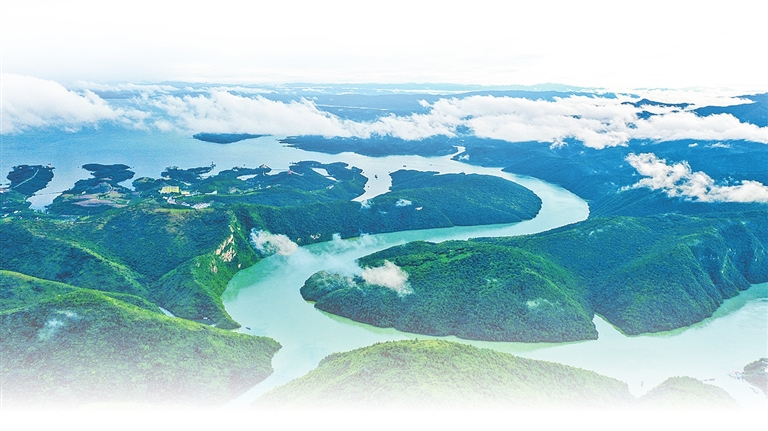
170米 丹江口水库第三次实现满蓄
He Nan Ri Bao· 2025-10-18 23:43
公开报道显示,2021年10月10日14时,丹江口水库首次实现满蓄目标,这是丹江口水库自建成以来最高历史 水位,达到170米。2023年10月12日19时,丹江口水库第二次蓄至170米。 据了解,丹江口水库死水位是150米,以保证工程的正常供水;防洪限制水位,在夏汛期是160米,秋汛期是 163.5米,相应库容实现拦洪削峰;170米是水库的正常蓄水位,也是效益线,可满足供水发电需求;防洪高 水位171.7米,与防洪限制水位间的库容用来守护下游安全;设计洪水位172.2米,是常规上限;校核洪水位 174.35米,是应急底线,发生特大洪水时,为汉江安澜兜底。 随着水位攀升,丹江口水库库区再现"上下天光,一碧万顷"的壮丽景致。 王洪连 摄 10月18日,记者从长江水文网获悉,截至当日8时,丹江口水库水位达170米,实现满蓄目标,这是丹江口水 库第三次实现满蓄。 责任编辑: 王苑 今年9月以来,受区间强降雨影响,同时叠加上游水库调度下泄,丹江口水库来水量显著增加,连续多日入库 流量均达10000立方米每秒以上。在此次秋汛中,丹江口水库充分发挥拦洪削峰作用,将洪水科学拦蓄入库, 既有效降低下游防洪压力,又显著增加了水库 ...
河南省高质量完成“十四五”规划系列主题新闻发布会之十四 开创新时代治水兴水新局面
He Nan Ri Bao· 2025-10-18 23:36
Core Insights - The Henan provincial government has successfully implemented the "14th Five-Year Plan" focusing on water security and ecological protection, achieving significant milestones in water infrastructure and resource management [1][2][5] Water Resource Utilization - Water efficiency in Henan has improved, with total water usage projected at 214.18 billion cubic meters for 2024, meeting national targets. Water usage per unit of GDP and industrial output has decreased by 23.8% and 49.0% respectively since 2020 [2] Modern Water Network Construction - A modern water network is being developed in Henan, with a comprehensive planning framework established. Key projects include the construction of major water source facilities and cross-regional water diversion projects [3][4] Ecological Protection and Management - The province has made significant progress in ecological protection, establishing a five-level management system for rivers and lakes, resulting in over 90% compliance with ecological flow standards in major rivers [5] Disaster Prevention and Response - Henan has enhanced its flood and drought disaster prevention capabilities by developing a modern monitoring and response system, including 8 rainfall radar units and 8,266 hydrological monitoring stations [6][7]
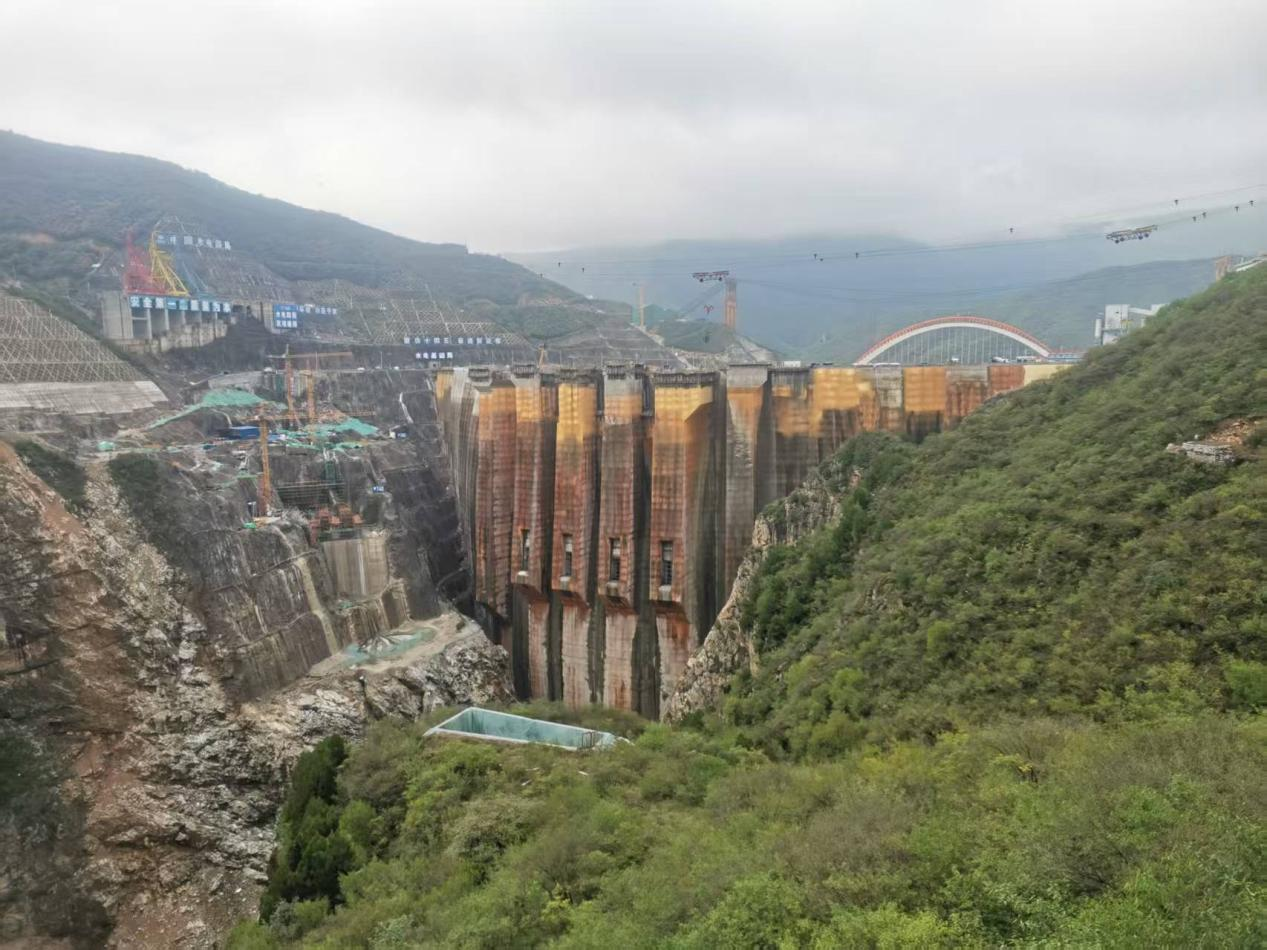
行走江河看中国|智慧引领、精准调控 东庄水利枢纽“以坝御洪”护佑黄河安澜
Yang Shi Wang· 2025-10-18 07:11
Core Viewpoint - The construction of the Dongzhuang Water Conservancy Hub is a significant development project aimed at enhancing flood control, sediment management, and regional water supply in Shaanxi Province, contributing to the ecological protection and sustainable development of the Yellow River basin [1][3][4]. Group 1: Flood Control and Sediment Management - The Dongzhuang Water Conservancy Hub will improve flood control standards from a 10-year to a 20-year frequency, reducing the impact of 100-year floods to 50-year floods in the Weihe River downstream [3]. - The project is expected to intercept 3.051 billion tons of sediment from the Jing River and 2.5 billion tons from the Yellow River, significantly alleviating the sediment burden on the downstream waterways [3]. Group 2: Water Supply and Irrigation - Upon completion, the hub will provide an annual water supply of 435 million cubic meters to urban and industrial areas, achieving a water supply guarantee rate of 95% [4]. - The irrigation guarantee rate for the Jinghui Canal irrigation area will increase from 30% to 50%, supporting regional agricultural development [4]. Group 3: Power Generation and Environmental Impact - The hub will feature four mixed-flow generating units with a total capacity of 110 megawatts, generating an average of 285 million kilowatt-hours annually, saving 90,000 tons of coal and reducing carbon dioxide emissions by approximately 250,000 tons [4]. - The project will create a 97-kilometer long water surface area, improving local microclimates and providing better habitats for fish and migratory birds [5]. Group 4: Technological Innovations and Milestones - The planning and construction of the Dongzhuang Water Conservancy Hub have involved overcoming significant technical challenges, leading to the development of advanced systems such as digital twin technology and visual monitoring platforms [6]. - The project is recognized for several world-first achievements, including being the first high arch dam built primarily for flood control and sediment reduction [6].
水利部门完成丹江口水库170米满蓄目标
Xin Jing Bao· 2025-10-18 05:36
Core Insights - The Danjiangkou Reservoir has reached its normal water level of 170 meters for the third time since its dam height was increased, marking a significant achievement in flood prevention and water storage for the Han River basin [1][2] Group 1: Rainfall and Flood Characteristics - The Han River basin experienced extreme drought conditions from January to August, followed by an unusually strong autumn rain starting from late August, which is characterized by four notable features [1] - The autumn flood began early and has lasted longer than usual, starting on August 25, which is 8 days earlier than the average, and has continued for 55 days as of October 18, exceeding the average duration by 16 days [1] - There were 11 significant rainfall events during the autumn flood period, with the upper reaches of the Han River receiving a total precipitation of 573 millimeters, which is 2.8 times the average for the same period, marking the highest since records began in 1961 [1] - The frequency of numbered floods was high, with seven occurrences between September 5 and October 18, making it the most concentrated autumn flood period on record [1] - The total inflow to the Danjiangkou Reservoir during the autumn flood was approximately 29.7 billion cubic meters, which is about 2.7 times the average for the same period and the second highest since the reservoir was built in 1969 [1] Group 2: Water Management and Safety Monitoring - The Yangtze River Water Resources Commission is effectively managing the water resources by coordinating the Danjiangkou Reservoir and other control reservoirs in the Han River basin to achieve flood control and water storage goals [2] - Current safety monitoring data indicates that the dam's operational status is normal, water quality is stable and meets standards, and the safety of the reservoir banks is under control [2] - The Ministry of Water Resources and the Yangtze River Commission will continue to monitor rainfall in the Han River basin closely and enhance safety monitoring of the reservoir and its surroundings [2]
烟台首创现代水网先导标准体系,高维度推进现代水网高质量建设
Qi Lu Wan Bao Wang· 2025-10-17 15:11
Core Insights - Yantai City has made significant progress in establishing a modern water network, being recognized as a model area in Shandong Province and one of the first national pilot areas for city-level water networks [1][2] Group 1: Achievements and Recognition - In August and September 2023, Yantai was selected as a modern water network demonstration area and a national pilot area, being the only city in Shandong to achieve this [1] - The city has received full recognition from the Ministry of Water Resources and the Provincial Water Resources Department, showcasing its achievements at national conferences [1] Group 2: Strategic Initiatives - Yantai is implementing a comprehensive plan for water network construction, focusing on high-level promotion and the establishment of a modern water network framework that connects various administrative levels [2] - The city has launched over 180 key water projects, with total investments reaching 21 billion yuan, ranking among the top in the province [2] Group 3: Focus Areas and Actions - The city is addressing both new and existing water issues through ten major initiatives, enhancing water security and resource management [3] - Significant investments have been made in rural water supply, ensuring safe drinking water for both rural and urban residents [3] Group 4: Innovation and Reform - Yantai is leveraging digital technology and innovative reforms to enhance water network construction, including the establishment of a smart water service platform [4] - The city is exploring integrated water resource management and pricing reforms, leading to increased efficiency in water resource utilization [4]
全国领先!烟台再生水供工业园区用水规模达到20万吨/日
Qi Lu Wan Bao Wang· 2025-10-17 12:46
Core Viewpoint - Yantai City is accelerating high-quality water conservancy development during the "14th Five-Year Plan" period, focusing on modern water network construction and achieving significant national and provincial honors [3][4]. Group 1: Water Security - Yantai has enhanced water security by adding a supply capacity of 86 million cubic meters, with the completion of the new Laolan Reservoir and the expansion of existing reservoirs, increasing total storage capacity by 12% compared to the end of the "13th Five-Year Plan" [3][4]. Group 2: Water Resource Allocation - The city effectively manages water resources, maintaining total water usage within 1.142 billion cubic meters, while supporting 1/14 of the province's population and contributing to 1/9 of the provincial GDP with only 1/20 of the total water resources [4][5]. Group 3: Water Ecological Construction - Yantai has undertaken extensive rural ecological river construction, improving over 5,800 kilometers of rural waterways and achieving full coverage of provincial and above-level happy rivers and lakes by the end of the year [5][6]. Group 4: Water-related Livelihood Improvements - The city has significantly improved rural water supply, with 5,310 villages achieving large-scale water supply, and plans to cover all counties by 2025, while also implementing agricultural water price reforms [6][7]. Group 5: Economic Vitality from Water - Yantai is promoting the "Water Network+" initiative, supporting green and low-carbon industries, and enhancing agricultural productivity through water resource management, leading to increased farmer income and rural prosperity [7].