Autos

Search documents
博泰车联:AI pioneer powered by smart cockpit capabiliti-20260327
Zhao Yin Guo Ji· 2026-03-27 05:24
Investment Rating - Initiate with BUY and target price of HK$200.00, representing a 100% upside from the current price of HK$100.00 [1][3]. Core Insights - PATEO CONNECT Technology (Pateo) is the third-largest supplier of smart cockpit domain controllers in China, with a sales volume of 0.9 million units and a market share of 7.3% in 2024 [1][9]. - The company has established strong partnerships with Qualcomm and Huawei, positioning itself as a leader in Snapdragon- and Kirin-based smart cockpit solutions [1][30]. - Pateo is exploring vehicle-related AI businesses, leveraging its software capabilities and partnerships with ICT giants [1][48]. - The smart cockpit market in China is projected to grow at a CAGR of 18.4% from 2024 to 2029, with Pateo expected to outperform this growth due to its integrated hardware-software solutions and new client acquisitions [7][51]. Financial Summary - Revenue projections show significant growth: FY23A at RMB 1,496 million, FY24A at RMB 2,557 million (YoY growth of 70.9%), and FY27E at RMB 8,487 million (YoY growth of 45.6%) [2]. - Gross margin is expected to improve from 11.8% in FY24A to 15.8% in FY27E, driven by a better product mix and economies of scale [2][82]. - The company anticipates reaching breakeven in adjusted operating profit by FY26E and a net profit of RMB 62 million in FY27E [2][82]. Market Position and Strategy - Pateo's smart cockpit solutions integrate hardware, software, and cloud-based systems, catering to various OEM needs, especially those with weaker software capabilities [9][10]. - The company has secured significant orders from new clients, including a South Korean automaker and Porsche, which are expected to contribute substantially to revenue growth in FY26-27E [78][80]. - Pateo's AI application revenue is projected to reach RMB 0.7 billion in FY26E and RMB 1.2 billion in FY27E, indicating potential undervaluation by investors [7][96]. Industry Analysis - The smart cockpit market is rapidly evolving, with a shift from traditional systems to advanced smart cockpit solutions, driven by consumer demand for enhanced in-car experiences [51][56]. - China's smart cockpit solutions market is expected to grow from RMB 129.0 billion in 2024 to RMB 299.5 billion in 2029, with Pateo positioned to capture a larger share due to its innovative offerings [57][60]. - The intelligent vehicle connectivity market is also expanding, with Pateo's revenue from this segment projected to grow significantly as OEMs increasingly outsource connectivity solutions [69][72].
Elon Musk Drops Fresh Clues On Possible 3-Row Vehicle From Tesla
Benzinga· 2026-03-27 04:35
Core Insights - Tesla CEO Elon Musk has hinted at a new model featuring three rows of seats, potentially targeting family-oriented consumers [1][2] - The new vehicle could address market demands for larger family vehicles, which may influence family planning decisions [2] - Musk has indicated that the upcoming model will be more innovative than a traditional minivan, with design elements that include increased rear space and larger windows [3] Market Impact - The introduction of a three-row vehicle could help Tesla revamp its product lineup and attract more customers, potentially boosting sales, especially after a surge in European sales in February [4] - Tesla's stock experienced a decline of 3.59% to $372.11 at market close, but saw a slight recovery of 0.58% to $374.25 in after-hours trading [5]


老头乐起诉小米汽车,有后续了
猿大侠· 2026-03-27 04:12
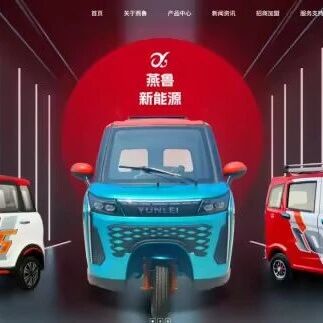
Core Viewpoint - Xiaomi Automotive faces its first patent dispute after its market entry, initiated by a small company named Shandong Yanlu New Energy Vehicle Co., Ltd, which has only 20 employees and primarily produces electric tricycles [1][10]. Group 1: Patent Dispute Details - Shandong Yanlu New Energy has filed a request for invalidation of three design patents held by Xiaomi Automotive, specifically concerning the rear bumper, front bumper, and front headlights, which are key features of Xiaomi's SU7 and YU7 models [1]. - The three patents in question are: - Rear Bumper (Application No. / Patent No. 2023300280286) - Front Bumper (Application No. / Patent No. 2023300278040) - Front Headlight (Application No. / Patent No. 2023300276401) [1]. Group 2: Resolution of Dispute - As of March 25, 2023, both parties have reached a settlement regarding the patent dispute, although the specific terms of the agreement have not been disclosed [2]. - A representative from Yanlu New Energy confirmed the settlement and indicated that Xiaomi Automotive would make an announcement regarding the matter soon [2].

对话文远知行韩旭:智驾终局论是妄想,不存在必赢的技术路线
晚点LatePost· 2026-03-27 03:35
Core Viewpoint - The autonomous driving industry is still in its early stages, and the notion of a "final conclusion" is premature. Continuous technological advancements are expected, and the competition will persist beyond 2026, contrary to some industry predictions [3][30][31]. Group 1: Company Developments - WeRide has emerged as a significant player in the autonomous driving sector, achieving a 90% revenue growth to 690 million yuan in the past year, driven by its Robotaxi business and the introduction of an end-to-end model [4][5]. - The company has developed a simulation platform called WeRide GENESIS, which generates high-quality training data for autonomous driving, addressing the industry's data bottleneck [5][9]. - WeRide GENESIS is designed to create realistic driving scenarios, enhancing the training of autonomous models by simulating complex environments and interactions [8][9]. Group 2: Technological Innovations - The end-to-end model developed by WeRide is seen as a breakthrough, allowing for direct decision-making from sensor data without predefined rules, which contrasts with traditional methods [6][7]. - The platform's ability to generate diverse and realistic scenarios is crucial for training autonomous systems, as it overcomes the limitations of real-world data collection [8][9]. - The company emphasizes that the quality of data is critical for the success of the end-to-end model, and WeRide GENESIS provides a solution to generate high-quality synthetic data [27][10]. Group 3: Industry Perspectives - The industry is characterized by ongoing debates about the future of autonomous driving technology, with some leaders expressing skepticism about the emergence of new paradigms [3][31]. - WeRide's leadership believes that the competition will remain fierce, and the notion of a few companies dominating the market by 2026 is overly optimistic [30][31]. - The company aims to balance its focus on both high-level autonomous driving (L4) and advanced driver-assistance systems (ADAS), indicating a strategic approach to market demands [35][36].
理想汽车已开启股票回购计划 回购至多10亿美元股份
Cai Jing Wang· 2026-03-27 02:56
Core Viewpoint - Li Auto has initiated a stock repurchase program, allowing for the buyback of up to $1 billion of Class A common shares and/or American depositary shares by March 31, 2027 [1] Group 1: Stock Repurchase Details - The stock repurchase took place on March 24 and 25, following the board's approval on March 24 [1] - The repurchase plan is designed to be executed in phases based on market conditions and trading windows, rather than being completed in a single day [1] - Li Auto, being listed in two markets, must adhere to the trading rules, liquidity, price ranges, and compliance requirements of both markets during the execution of the buyback [1] Group 2: Market Considerations - In the Hong Kong stock market, there are specific rules regarding repurchases, including price limits and volume constraints, which naturally impose an upper limit on the amount that can be executed in a single day [1] - The execution pace of the buyback will consider market impact and transaction costs, aiming to better protect shareholder interests [1] - A more objective observation of the buyback progress should focus on cumulative repurchase updates over time rather than just daily amounts [1]

泰国总理从劳斯莱斯改开比亚迪:电动车更节能环保
Ge Long Hui A P P· 2026-03-27 01:23
Group 1 - The core point of the article highlights the Thai Prime Minister's decision to switch from a luxury Rolls-Royce to a Chinese electric vehicle brand, BYD, showcasing the competitiveness of Chinese electric vehicles in the international market and the Thai government's support for energy transition and green transportation [1] - The immediate catalyst for this change was a significant increase in fuel prices, with gasoline prices rising by 2 Thai Baht per liter as announced on March 24 [1] - The Prime Minister's actions serve as a personal endorsement of electric vehicles, encouraging the public to adopt them for their cost-saving benefits and positive environmental impact due to zero emissions [1]

理想汽车已开启股票回购计划
Ge Long Hui A P P· 2026-03-27 00:36
Group 1 - The core viewpoint of the article is that Li Auto has conducted stock buybacks on March 24 and 25, indicating a proactive approach to managing its stock [1] - The buyback plan previously disclosed by Li Auto is described as an authorized scale/ceiling, suggesting that the company has a structured approach to executing the buyback over time [1] - The stock buyback will be carried out in batches and in an orderly manner, depending on market conditions and trading windows, rather than being concentrated on the first day [1]
忙活了十几年,新势力一共挣了16个亿
汽车商业评论· 2026-03-26 23:06
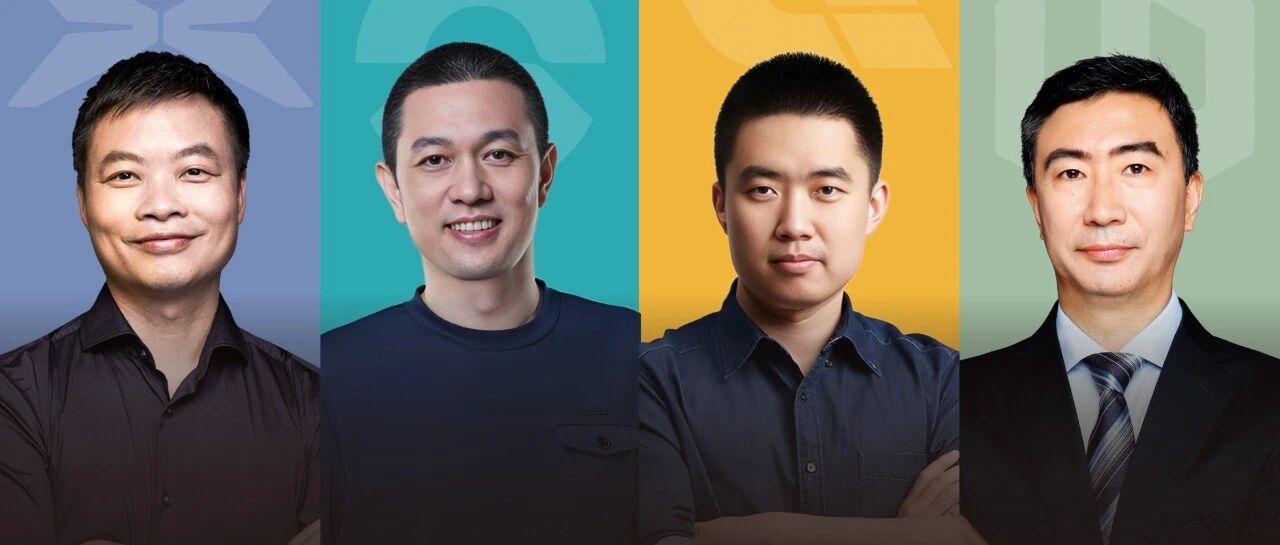
Core Insights - The article discusses the survival and profitability of four new car manufacturers in China: NIO, Li Auto, Xpeng, and Leap Motor, highlighting their financial performance and strategic adjustments over the years [3][5]. Financial Performance - In Q4 2025, NIO reported a net profit of 283 million RMB, marking its first profit in 11 years. Xpeng also achieved profitability with a net profit of 380 million RMB, while Leap Motor earned 540 million RMB for the entire year, becoming the second new force to achieve annual profitability after Li Auto [3]. - The four surviving companies collectively earned 1.6 billion RMB in 2025, a significant achievement after the failure of over a hundred new entrants and the expenditure of over a thousand billion RMB in investments [3]. Delivery and Revenue Metrics - The delivery volumes for 2025 were as follows: Xpeng delivered 326,000 vehicles, Li Auto 429,000, Leap Motor 406,300, and NIO 596,600 [4]. - Revenue figures for 2025 were reported as: Xpeng 87.49 billion RMB, Li Auto 76.72 billion RMB, Leap Motor 112.3 billion RMB, and NIO 64.73 billion RMB [4]. Strategic Adjustments - Li Auto is focusing on improving store quality rather than quantity, implementing a "store partner" mechanism to empower store managers with decision-making and profit-sharing capabilities [7][9]. - NIO is undergoing a cost-saving initiative, emphasizing efficiency and accountability in spending, with a focus on achieving profitability [11]. Technological Development - Xpeng is merging its autonomous driving and smart cockpit divisions to enhance research and development efficiency, aiming to produce the IRON robot by the end of 2026 [11]. - Leap Motor is planning to enhance its smart technology capabilities, having previously focused on survival rather than aggressive investment [12]. International Expansion - Xpeng has been the most proactive in international markets, with nearly 50% of its sales coming from Europe and plans to launch four new global products in 2026 [13][15]. - Leap Motor led in export volume among new forces in 2025, with 67,052 vehicles exported, aided by a partnership with Stellantis for localized manufacturing [16]. - NIO is taking a cautious approach to international expansion, focusing on establishing a strong foundation in China before pursuing overseas markets [18]. Embodied Intelligence - The new forces are considering entering the robotics sector, with Xpeng being the most aggressive in integrating automotive and robotics technology [21][23]. - Li Auto plans to invest significantly in AI and embodied intelligence, with a focus on self-developed chips and smart driving technologies [25][26].


Inifiniti hopes new SUV can turn around fortunes in the U.S.
CNBC· 2026-03-26 23:00
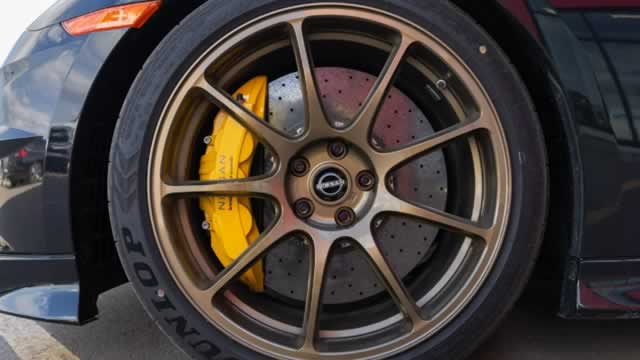
Core Insights - Infiniti, Nissan's premium brand, is attempting a comeback in the U.S. market after experiencing a significant decline in sales since a record year in 2017, where it sold 153,000 vehicles, compared to just a third of that in recent years [1][2] - The newly unveiled QX65 midsize luxury SUV is part of Infiniti's strategy to revitalize its brand, featuring a 268-horsepower VC-Turbo engine and dual 12.3-inch displays [1][4] - Infiniti's sales have dropped 9% in 2025 compared to the previous year, marking a 65.6% decline from its peak, with only two nameplates currently available at dealerships [2][3] Sales Performance - Infiniti's sales have been in decline nearly every year since 2017, with a notable drop in 2025 [2] - In contrast, competitors like Lexus and Acura have seen sales increases, with Lexus sales climbing 7.1% in 2025 [3] Product Strategy - Infiniti has been described as being in a "product lull," with limited new offerings in recent years [3] - The QX65 is positioned as a more affordable option in the luxury midsize SUV segment, starting at $53,990, compared to the average MSRP of about $77,000 for similar vehicles [4] Future Plans - Infiniti plans to release one new vehicle annually over the next five years, indicating a more measured approach to product launches [6] - The QX65 will be manufactured in Smyrna, Tennessee, with availability expected in early summer [6]

Tesla Beware: BYD Just Played The James Bond Card In Europe
Benzinga· 2026-03-26 22:27
Core Viewpoint - BYD is launching a new advertising campaign for its DENZA brand featuring actor Daniel Craig, aiming to expand its sales in Europe and other international markets Group 1: Advertising Strategy - BYD is utilizing Daniel Craig to promote several DENZA vehicles through marketing materials and TV commercials, with the first European model, the Z9GT, launching on April 8 [2] - The partnership with Craig is intended to associate the DENZA brand with qualities of strength, sophistication, and authenticity, which align with the brand's identity [2][5] Group 2: Product Launch and Goals - The DENZA Z9GT is marketed as the "world's longest-range pure EV" and features ultra-fast charging capabilities [3] - BYD aims to sell 1.3 million vehicles outside of China by 2026, indicating a strong growth ambition in international markets [3] Group 3: Competitive Landscape - Unlike BYD, Tesla does not use celebrity endorsements, relying instead on word-of-mouth and customer reviews, which highlights a contrasting marketing approach within the EV industry [4] - Traditional automakers have historically used celebrity endorsements, which BYD is now adopting to enhance brand perception [4]