汽车维修

Search documents
汽修“土专家”的担当
Jing Ji Ri Bao· 2025-06-03 01:41
Core Viewpoint - The article highlights the significant contributions of Tao Wei, a prominent figure in the automotive repair industry in China, emphasizing his dedication to skill development and talent cultivation in the field of automotive repair [1][2][3] Group 1: Contributions to the Industry - Tao Wei is recognized as a pioneer in the automotive repair sector in China, having made substantial advancements in repair techniques and technology [1] - He founded Shanghai Young Lion Automotive Sales and Service Co., Ltd., which has become a designated service provider for multiple enterprises [1] - The establishment of the national "Tao Wei Skill Master Studio (Automotive Repair)" in May 2014 serves as a crucial platform for training skilled automotive repair professionals [2] Group 2: Training and Education Initiatives - The training programs led by Tao Wei cover traditional fuel vehicles and extend to new energy electric drive systems and advanced driving assistance systems [3] - Tao Wei actively collaborates with vocational schools to build automotive repair training institutions, promoting the integration of industry and education [3] - A two-year training program has been initiated for vocational students from Yunnan, aimed at equipping them with advanced skills to teach others upon their return [2][3] Group 3: Philosophy and Approach to Skill Development - Tao Wei emphasizes the importance of understanding the principles behind repair tasks, encouraging apprentices to visualize and simulate operations before practical application [2] - His philosophy includes the belief that continuous learning and skill refinement are essential for success in the automotive repair field [3] - Tao Wei maintains a hands-on approach by regularly visiting the workshop to oversee repairs and guide students, ensuring that the spirit of craftsmanship is passed on [3]
中国之声一线调研丨传统汽修行业萎缩,新能源车维修人才跟不上,该如何重构汽修行业生态?
Yang Guang Wang· 2025-05-25 02:38
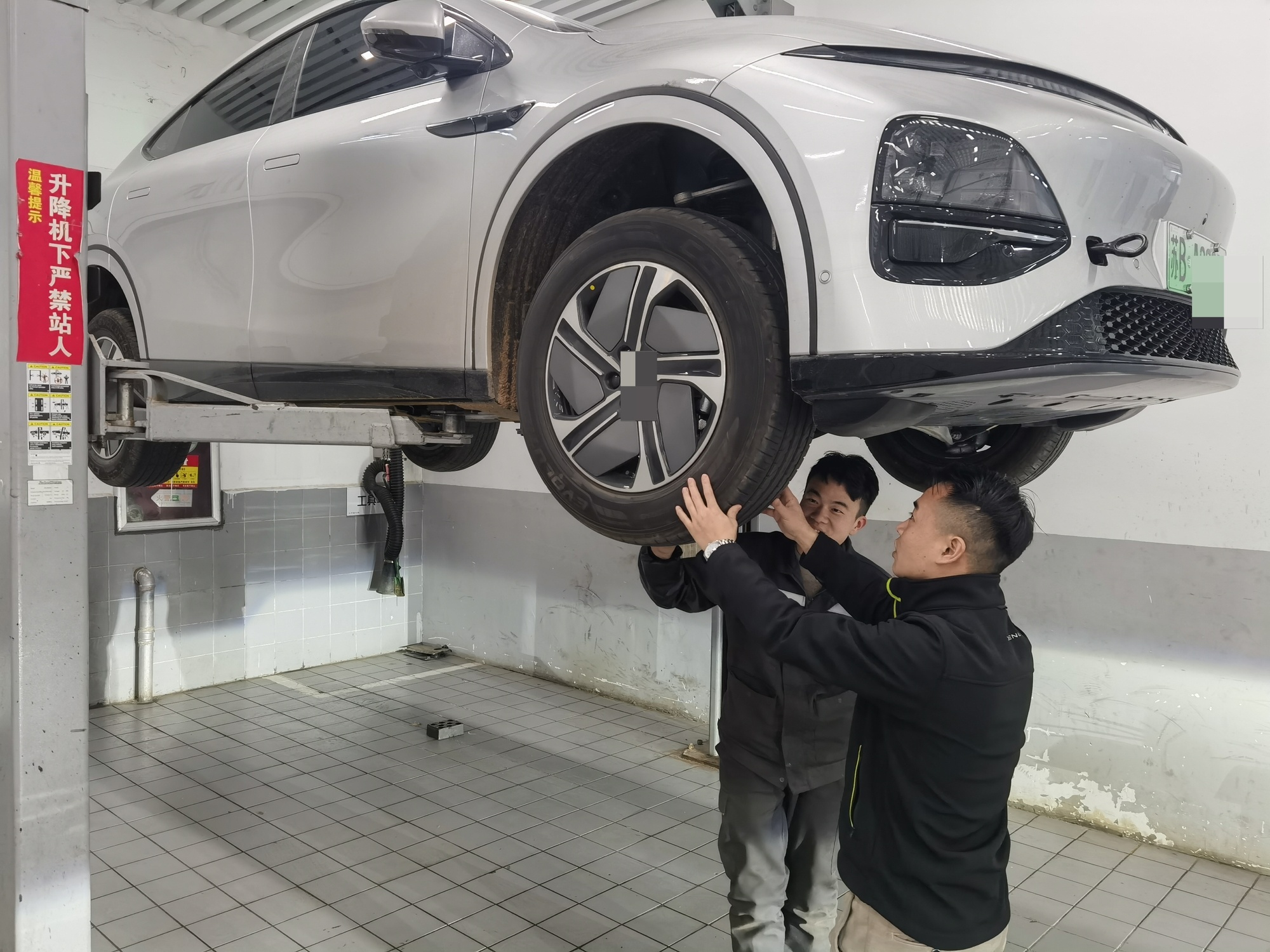
Core Insights - The rapid growth of the electric vehicle (EV) market in China is reshaping the automotive aftermarket, leading to a potential industry reshuffle as traditional repair shops struggle to adapt to new requirements and technologies [1][4][11] Group 1: Market Dynamics - The number of electric vehicles on the road has significantly increased, but traditional repair shops are seeing a drastic decline in business, with some reporting a reduction of at least 50% in their operations [1][8] - Many EV brands require maintenance and repairs to be conducted exclusively at authorized 4S dealerships to maintain warranty conditions, which limits the market for third-party repair services [4][11] Group 2: Challenges in Transition - Traditional repair shops face high barriers to entry in the EV maintenance sector due to the complexity of EV technology, including the need for specialized training and equipment [8][15] - The transition from traditional automotive repair to EV maintenance is complicated by the need for new qualifications and certifications, which require significant investment and time [9][15] Group 3: Talent Shortage - There is a significant shortage of qualified personnel in the EV repair sector, with an estimated talent gap of 103,000 professionals needed by 2025, particularly in the area of EV after-sales service [11][16] - The complexity of EV systems necessitates a different skill set compared to traditional vehicles, making it difficult for existing mechanics to transition without extensive retraining [15][16] Group 4: Industry Response - Some repair shop owners are proactively seeking to adapt by obtaining necessary certifications and investing in training for their staff to meet the demands of the EV market [9][16] - Educational institutions are also being called upon to enhance their training programs to better prepare students for careers in EV maintenance, which typically requires a four-year training period [16]

中哈霍尔果斯国际边境合作中心加速构建新型商贸文旅生态体系
Zhong Guo Xin Wen Wang· 2025-05-19 09:10
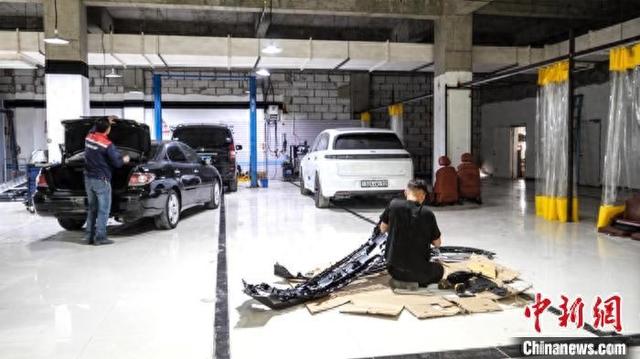
Core Insights - The cross-border automotive repair service at the China-Kazakhstan Horgos International Border Cooperation Center has gained popularity due to lower repair costs and efficient customs clearance, attracting over 50 business orders in just two months [1][3] - The center's automotive repair service has achieved a monthly average of 30 vehicle repairs since launching its bonded repair services in March, generating over 200,000 yuan in revenue [3] - The center is expanding its offerings beyond automotive services to include vehicle display sales, multilingual cross-border live streaming, traditional Chinese medicine services, and international talent training programs [3][4] - In the first four months of this year, the center recorded 3.09 million person-times of entry and exit, representing a 104% year-on-year increase [4] Summary by Categories Automotive Repair Services - The cross-border automotive repair service has been well-received, with customers reporting significant cost savings compared to local services in Almaty [1][3] - The service center has completed over 50 cross-border repair orders since its inception, indicating strong demand [3] Business Expansion - The center is diversifying its services to include various new business models and activities, such as product sales and cultural experiences, to attract both domestic and international enterprises [3][4] - The management is focused on building a comprehensive trade and tourism ecosystem, enhancing service capabilities through a structured approach [4] Traffic and Engagement - The significant increase in personnel movement at the center highlights its growing role as a key hub for cross-border trade and tourism [4]
新州“投诉榜”出炉!这10大行业成投诉“重灾区”
Sou Hu Cai Jing· 2025-04-27 20:48
Core Insights - The electronics and white goods sector has the highest number of consumer complaints in New South Wales (NSW), surpassing property management and automotive repair [1][3] - In 2024, the NSW Fair Trading received over 34,000 complaints, with the majority related to retail products, particularly issues concerning quality and supply of appliances like refrigerators and washing machines [1][3] - The NSW government is set to introduce stricter rental reforms in May, which is expected to lead to an increase in related complaints [3] Industry Summary - The top complaint categories in NSW include: 1. Retail - Electronics, white goods, and gas appliances 2. Retail - Furniture, home goods, and bedding 3. Real estate and property services - Rental issues 4. Retail - Clothing, footwear, accessories, and jewelry 5. Other services - Travel and tourism services 6. Other services - Automotive repair and maintenance 7. Retail - Used car sales 8. Retail - New car sales 9. Retail - Mobile phones and accessories 10. Real estate and property services - Property sales [8] Consumer Guidance - Consumers are encouraged to understand their rights and are advised to conduct thorough research before making significant purchases, such as checking the NSW Fair Trading Complaints Register and reading reviews [3][5] - In case of issues, consumers should first attempt to resolve them directly with the seller; if unsuccessful, they can utilize the free complaint resolution process provided by the NSW Fair Trading [5]