高新技术

Search documents
以奋进之姿开启崭新征程 把成都现代化建设事业不断推向前进
Xin Lang Cai Jing· 2025-12-31 19:00
Group 1: Economic Development - Chengdu aims for high-quality economic development, focusing on stabilizing growth and improving quality [1] - The city has over 14,500 high-tech enterprises and is implementing a "chain leader + special class" approach to strengthen 17 key industrial chains [1] - Chengdu's foreign trade remains the highest in Central and Western China, with international direct flight routes reaching 83 [2] Group 2: Social Welfare and Urban Development - The city is implementing reforms to improve education and healthcare access, including integrated childcare and flexible schooling for migrant children [3] - Urban governance is being enhanced through smart city initiatives and extensive urban infrastructure projects, including over 750 kilometers of operational metro lines [3] - Chengdu has been recognized as one of the most livable cities for 17 consecutive years, enhancing its brand as a "Park City" [3] Group 3: Governance and Reform - The city is committed to deepening reforms in various sectors, including service industry openness and market-oriented resource allocation [2] - Efforts are being made to improve the business environment through direct communication between government and enterprises [2] - The focus is on grassroots governance and reducing bureaucratic burdens to better serve the community [4] Group 4: Cultural and Technological Achievements - Chengdu showcased its technological capabilities during significant events, including the World University Games and military parades [5] - The city is promoting its cultural products globally, with notable successes in the animation industry [5] - Chengdu is positioning itself as a center for innovation and cultural creativity, aiming to be a hub for advanced manufacturing and digital cultural industries [6]
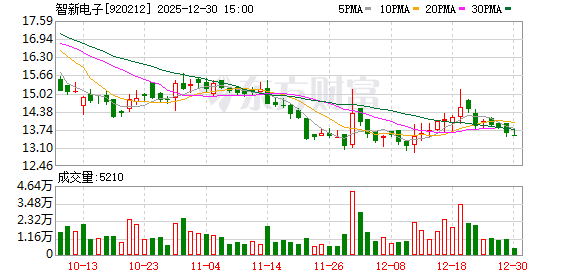
智新电子:关于公司再次通过高新技术企业认定的公告
Zheng Quan Ri Bao· 2025-12-30 13:43
Core Viewpoint - The company, Zhixin Electronics, has been recognized as one of the first batch of high-tech enterprises in Shandong Province for 2025, following the announcement from the National High-tech Enterprise Recognition Management Work Leading Group Office [2] Group 1 - The company has successfully passed the public announcement period for its high-tech enterprise certification [2] - This recognition is a renewal of the company's high-tech enterprise certificate, which had expired [2]

评级展望“稳定”!长沙先导产业投资有限公司获评AAA主体信用评级
Xin Lang Cai Jing· 2025-12-30 08:48
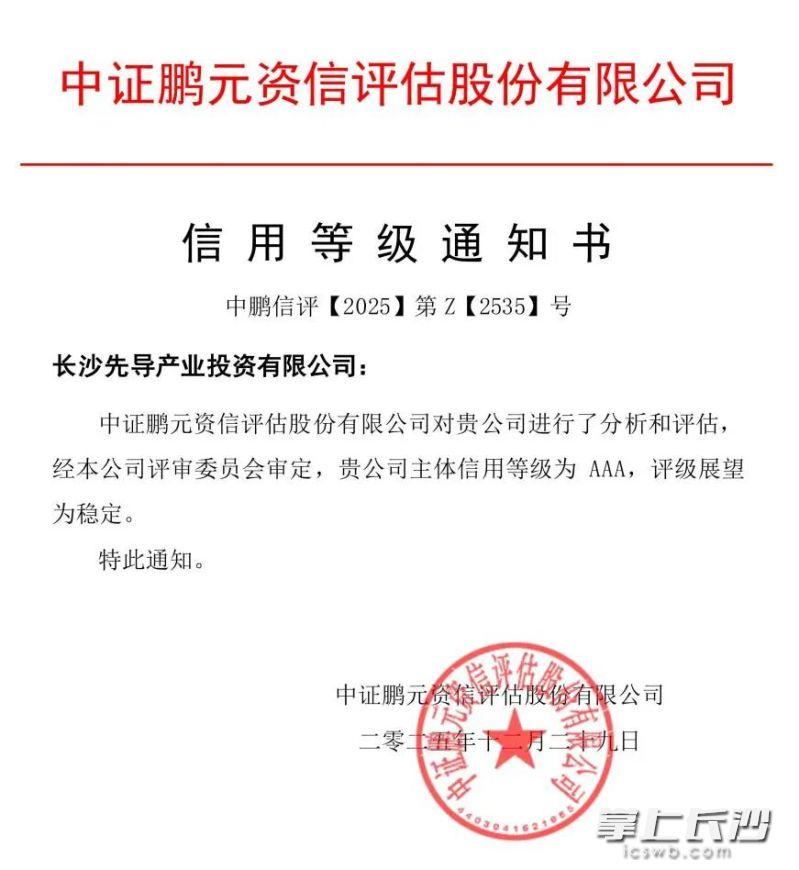
Group 1 - The core viewpoint of the news is that Changsha Xiandao Industrial Investment Co., Ltd. has been awarded an AAA credit rating by Zhongzheng Pengyuan Credit Rating Co., indicating its readiness to enter the bond market [1][4]. - The AAA rating reflects the recognition of Changsha Urban Development Group's transformation towards "entity-based, market-oriented, and technology-driven" operations [4]. - The establishment of a four AAA entity matrix, including the group headquarters, Changsha Urban Investment, Xiandao Holdings, and Xiandao Industrial Investment, demonstrates the comprehensive strength of the group [4][5]. Group 2 - The AAA rating for Xiandao Industrial Investment is a comprehensive affirmation of its asset quality, operational stability, risk management capabilities, and potential in the technology innovation sector [4]. - The company aims to focus on national innovation-driven development strategies and cultivate new productive forces in Hunan province, enhancing high-tech enterprise development and strategic emerging industry investments [5]. - The formation of the four AAA entities enhances the group's financing negotiation power and competitiveness in the capital market, providing sufficient capital support for major projects in urban renewal, industrial investment, and technological innovation [5].
网格服务零距离!高新区“三建一优”激活企业发展新动能
Qi Lu Wan Bao· 2025-12-29 14:32
Core Viewpoint - The "Three Builds and One Optimization" service initiative in Binzhou High-tech Industrial Development Zone has transformed the traditional passive service model into an active, grid-based service approach, receiving widespread praise from local enterprises [1] Group 1: Service Transformation - The service model has shifted from enterprises running to departments to service teams proactively addressing enterprise needs [2] - Six service grids have been established, each with a dedicated contact person, ensuring precise matching with key service targets such as industrial enterprises and high-tech companies [2] - Grid members serve as policy communicators, facilitators, and problem solvers, each specializing in different areas to enhance service efficiency [2] Group 2: Enterprise Experience - Enterprises have reported significant reductions in the need to visit government offices, with many inquiries now resolved through WeChat groups, saving time and effort [3] - The grid members provide comprehensive assistance throughout critical business processes, from project permits to optimizing capital reduction plans [3] - The service model emphasizes minimal disruption for enterprises while ensuring effective solutions are available when needed, enhancing overall confidence in development [3] Group 3: Future Plans - The administrative service bureau plans to deepen the "Three Builds and One Optimization" initiative, optimize grid configurations, and enhance the professional capabilities of grid members [4] - Continuous improvement of service platforms like "Government-Enterprise Communication" will be prioritized to maintain proactive, precise, and efficient services for high-quality enterprise development [4]
人才带动科技创新 引领产业全面振兴
Xin Lang Cai Jing· 2025-12-27 20:45
Group 1 - The core focus of the news is on the talent policies implemented in Heilongjiang Province, which aim to attract and retain high-level talents to support innovation and entrepreneurship, contributing to the overall industrial revitalization of the region [1][5] - By the end of 2024, the number of national high-tech enterprises in Heilongjiang Province is expected to reach 5,040, achieving the target of exceeding 5,000 high-tech enterprises a year ahead of schedule [1] - The province has introduced various financial incentives for high-level talents establishing new high-tech enterprises, including rewards of up to 500,000 yuan for new high-tech enterprises and 1 million yuan for "little giant" enterprises [2] Group 2 - Harbin Chip Tomorrow Technology Co., Ltd. has become a benchmark for technological innovation in Heilongjiang's private sector, emphasizing the integration of talent development with project execution [3] - The company has developed a training model that allows junior and mid-level professionals to participate in patent applications and project submissions, fostering a cycle of talent growth and innovation [3] - Yang Mingyuan, a core technical talent at the company, has benefited from the province's talent policies, leading significant national projects and receiving over 10 million yuan in project funding [4] Group 3 - The talent revitalization policies have enabled significant achievements in professional title evaluations, allowing outstanding technical personnel to advance without the usual time constraints [4] - Yang Mingyuan's case exemplifies the effectiveness of these policies, as he was able to achieve a senior professional title based on his contributions to major technological innovations [4] - The policies have enhanced the technical capabilities of enterprises and the influence of talents within the industry, demonstrating the tangible benefits of the talent support initiatives [4][5]
海南封关,布局这几个领域就是抢占最后财富窗口期
Sou Hu Cai Jing· 2025-12-23 18:45
Core Insights - The core viewpoint of the news is that the implementation of the Hainan Free Trade Port policy, effective from December 18, 2025, will create significant market opportunities through zero tariffs and low tax rates, benefiting both consumers and businesses [1][3]. Group 1: Policy Overview - The "closure" of Hainan is a misunderstanding; it is about upgrading policy benefits, allowing for freer movement of goods and capital between Hainan and foreign countries, with 6,637 items achieving zero tariffs, covering 74% of goods [3]. - The policy framework includes "one line open," "two lines controlled," and "freedom within the island," facilitating a favorable business environment with a corporate tax rate as low as 15% and personal income tax for high-end talent capped at 15% [3][4]. Group 2: Cross-Border E-Commerce - Cross-border e-commerce is highlighted as a key growth area, with a target of 20% annual growth in import and export scale by 2030, supported by reduced logistics costs and improved customs efficiency [5]. - Opportunities for individuals include starting cross-border e-commerce stores selling zero-tariff products or collaborating with e-commerce parks for supply chain and logistics services [5]. Group 3: Manufacturing Sector - The manufacturing sector benefits from a dual advantage of zero tariffs on imported raw materials and exemption from tariffs on domestic sales of products with over 30% added value, leading to significant cost savings [6]. - Industries such as grain and oil processing, meat processing, and medical device manufacturing are expected to see substantial profit margins due to these policies [6]. Group 4: Tourism and Consumer Experience - The tourism sector is evolving from a focus on duty-free shopping to a combination of duty-free, cultural tourism, and health care, expanding market potential [7]. - Data shows that duty-free sales in Sanya surged to 3.31 billion yuan in the first three days post-closure, with the annual sales expected to exceed 20 billion yuan [8]. Group 5: High-Tech Industry - The high-tech sector is receiving significant support, with 70% of industrial funding directed towards it, and the number of high-tech enterprises in Hainan surpassing 5,000, growing at an annual rate of 40% [9]. - Key focus areas include digital economy, marine technology, and new energy, with favorable tax incentives and policies to attract investment [9]. Group 6: Strategic Considerations - Companies are advised to comply with regulations, avoid blindly following trends, and stay updated on policy changes to seize opportunities effectively [10]. - The emphasis is on finding familiar fields to invest in, aligning with official policies to benefit from the wealth opportunities presented by the new trade environment [10].
中国宝安:中宝控股和绿金高新为绿金生物提供担保
Mei Ri Jing Ji Xin Wen· 2025-12-23 11:45
截至发稿,中国宝安市值为259亿元。 每经头条(nbdtoutiao)——地产"优等生"受困20亿元到期债务,首次债务展期仍在博弈,明年还有超 百亿元公开债到期 每经AI快讯,中国宝安(SZ 000009,收盘价:10.03元)12月23日晚间发布公告称,下属子公司中宝控 股和绿金高新为成都绿金生物科技有限责任公司在成都农商银行金泉支行办理授信期限为一年期人民币 1,000万元综合授信额度提供连带责任保证担保,具体授信币种、金额、期限、担保方式、担保范围、 授信形式及用途等以相关合同约定为准。本次担保提供后,中宝控股、绿金高新对公司合并报表范围内 子公司担保余额分别为1950万元、2450万元;截至目前,上市公司无对外担保,亦无逾期担保,无涉及 诉讼的担保及因担保被判决败诉而应承担的担保的情况。 2025年1至6月份,中国宝安的营业收入构成为:高新技术行业占比79.55%,生物与医药占比18.37%, 其他行业占比1.41%,房地产行业占比0.67%,其他业务占比0.0%。 (记者 曾健辉) ...

同济科技修订《公司章程》等议案获股东会通过
Zheng Quan Shi Bao Wang· 2025-12-19 13:08
12月19日下午,同济科技(600846)召开2025年第一次临时股东会。本次股东会审议通过了关于修订 《公司章程》及其附件部分条款等两项议案。 据了解,近年来,同济科技持续强化自身创新布局,目前公司旗下已拥有6家国家高新技术企业及4 家"专精特新"企业。 "公司持续追加研发投入、强化创新布局,为业务升级与技术突破提供了系统性支撑。同时,同济科技 以高校科技成果转化为创新主线,构建了'基金+基地+研究院+产业联盟'的全链条生态体系,布局数字 化、智能化与绿色低碳等战略赛道,推动科研项目向市场竞争力的关键跃迁,也为公司打造新的业绩增 长点。"公司相关负责人当日阐述。 同济科技表示,本次修订的公司章程及相关制度规则、办法,均符合《公司法》《上市公司章程指引》 等法律法规与规范性文件的要求,旨在确保公司治理与监管要求持续保持一致,进一步推动内部治理机 制规范化、完善化。 谈及未来规划,公司相关负责人介绍,当前,国家"十五五"规划明确强调"优化提升传统产业"与"因地 制宜发展新质生产力",与公司坚守核心能力、保障经营连续性的基础上,以持续创新驱动产业升级的 战略规划不谋而合。 本次修订的《公司章程》经股东会审议通过后 ...

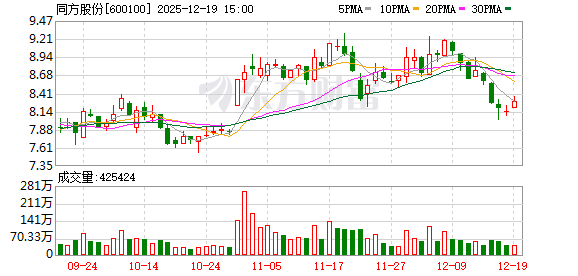
同方股份:公司一直以来高度重视和加强科技创新孵化优势
Zheng Quan Ri Bao· 2025-12-19 08:16
Core Viewpoint - The company emphasizes its commitment to technological innovation and the incubation of high-tech enterprises, focusing on strategic emerging industries [2] Group 1: Technological Innovation - The company has been actively promoting the transformation of technological achievements and enhancing its incubation advantages [2] - Several high-tech enterprises have been incubated, including Shenmu Technology, which focuses on millimeter-wave and terahertz imaging technology research and application [2] - Tongfang Ultra-light is dedicated to high-energy short-pulse solid laser products and their applications [2] - New Hong Electronics specializes in "cold cathode" multi-focus distributed X-ray source products [2]

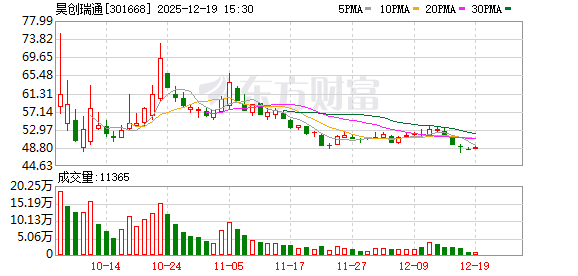
昊创瑞通:关于公司通过高新技术企业重新认定的公告
Zheng Quan Ri Bao· 2025-12-19 08:08
(文章来源:证券日报) 证券日报网讯 12月18日晚间,昊创瑞通发布公告称,公司近日收到北京市科学技术委员会、北京市财 政局、国家税务总局北京市税务局联合颁发的《高新技术企业证书》,再次被国家高新技术企业认定管 理机构评定为高新技术企业,预计2025年度至2027年度继续按15%税率缴纳企业所得税。 ...