
铁路运输

Search documents
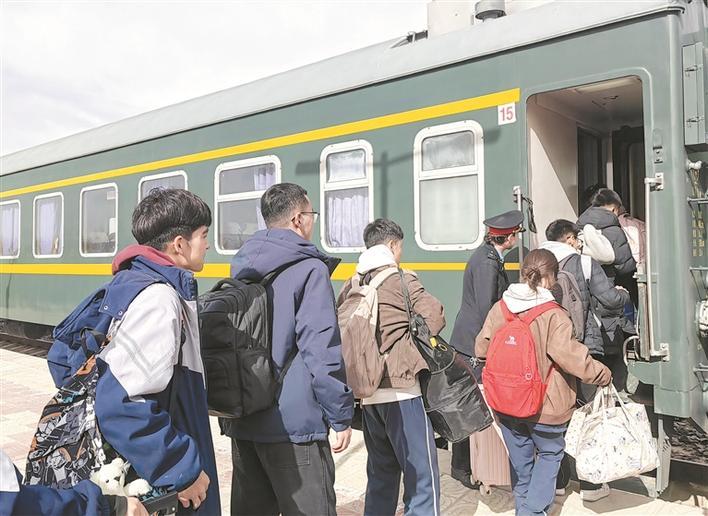
启程,回家!
Xin Lang Cai Jing· 2026-02-14 18:45
Core Viewpoint - The Spring Festival travel season, a significant annual migration in China, reflects deep emotional connections and is crucial for economic development and social stability, particularly for the Xinjiang Production and Construction Corps (Bingtuan) [10][11]. Group 1: Economic and Social Impact - The Spring Festival travel season is not only about family reunions but also plays a vital role in economic growth and social stability [11]. - The Bingtuan faces unique challenges due to its vast area, complex winter weather, and diverse travel needs of its workforce, making the management of this travel season particularly significant [11]. Group 2: Safety and Service Measures - During the Spring Festival, Bingtuan's transportation departments will focus on safety production and transportation guarantees, enhancing monitoring and operational assessments [11]. - A 24-hour duty and leadership system will be implemented to address various issues during the travel season, ensuring that travelers' concerns are promptly addressed [11][12]. Group 3: Community Support and Infrastructure - Bingtuan is enhancing services at passenger stations and improving transport connections for remote areas, ensuring the transportation of essential goods like coal and grain [12]. - Specific measures include providing adequate heating in waiting areas, timely road clearance during snow, and effective guidance for anxious travelers [12].

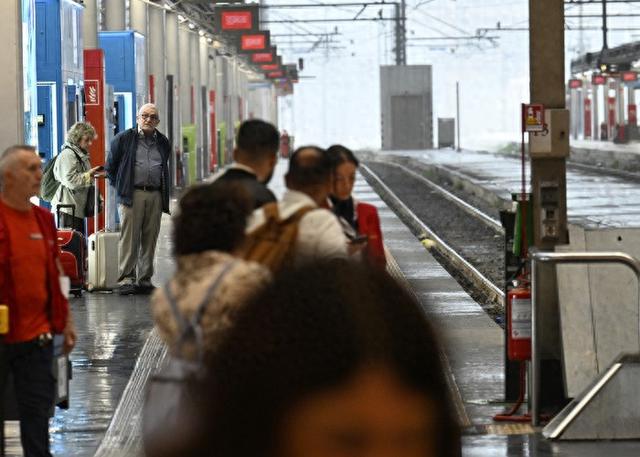
铁路电缆遭破坏,意大利中南部列车运行受影响
Xin Lang Cai Jing· 2026-02-14 16:41
当地时间2月14日,因发生两起蓄意破坏铁路电缆行为,意大利中南部铁路运输出现大范围延误,多条 高速线路晚点超1小时,部分列车被取消。 意大利警方称,当天在罗马郊区发生两起蓄意破坏铁路电缆事件,已对此展开调查。意大利铁路公司紧 急抢修后,列车运行逐步恢复。 这是意大利铁路线路本月第二次遭破坏。2月7日,意大利北部城市博洛尼亚附近铁路线遭到破坏。 来源:央视新闻客户端 ...
长途“有票”,短途却“无票”?
Xin Lang Cai Jing· 2026-02-14 16:40
Core Viewpoint - The article discusses the ticketing strategy of long-distance trains during the Spring Festival travel season, highlighting the "long-distance priority, short-distance consideration" approach adopted by the railway department to optimize ticket sales and meet passenger demand [1][4]. Ticketing Strategy - The railway department implements a ticketing strategy that prioritizes long-distance travelers by allocating most tickets to the starting station or nearby stations, ensuring that long-distance travel needs are met first [1][4]. - The strategy includes three phases: 1. **Ticket Quota Pre-allocation**: 20% of tickets are allocated to nearby stations before sales begin, with the remaining tickets distributed based on demand for long-distance segments [2]. 2. **Dynamic Adjustment**: After ticket sales start, remaining long-distance tickets are adjusted based on demand and historical data, with a focus on fulfilling waiting list requests [2]. 3. **Open Sale**: Remaining long-distance tickets are made available for sale one day before or on the day of departure, prioritizing those who have submitted waiting list requests [2]. Example Case - For the G246 train from Guangzhou South to Shanghai Hongqiao, 21% of the total 1238 seats were allocated to nearby stations during the pre-allocation phase, with the remaining tickets focused on high-demand long-distance routes [3]. - During the dynamic adjustment phase, 395 long-distance tickets were released, fulfilling 272 waiting list requests [3]. Efficiency and Demand Management - The "long-distance priority, short-distance consideration" strategy is deemed effective in maximizing railway resource utilization and meeting rigid travel demands, especially during peak travel times like the Spring Festival [4]. - The railway system has seen a high demand for tickets, with 12.8 million tickets successfully issued through the waiting list system, achieving a success rate of over 70%, of which 51% were short-distance tickets [4].
“建议短途旅客不要买长乘短”,12306详解
Xin Lang Cai Jing· 2026-02-14 15:33
Core Viewpoint - The railway department emphasizes a ticketing strategy prioritizing long-distance travelers while accommodating short-distance needs, advising short-distance travelers to avoid purchasing long-distance tickets unless necessary [1][2][7]. Ticketing Strategy - The ticket sales for long-distance trains occur in three phases: pre-allocation, dynamic adjustment, and open sale [3][4][5]. - In the pre-allocation phase, approximately 20% of tickets are reserved for nearby stations to meet medium and long-distance travel demands, with the remaining tickets allocated based on demand data [3][4]. - The dynamic adjustment phase allows for the redistribution of remaining tickets based on demand and historical data, prioritizing those who submitted requests earlier [3][5]. - The open sale phase occurs one day before or on the day of departure, where remaining tickets are made available without restrictions, again prioritizing earlier requests [3][6]. Recommendations for Travelers - The railway department advises short-distance travelers to select short-distance trains and utilize the ticketing system's features, such as submitting waitlist orders when tickets are unavailable [1][9]. - Travelers are encouraged to maximize their combinations of "date + train number" to increase the chances of securing tickets [9]. - The department highlights the importance of not purchasing long-distance tickets for short trips, as this can lead to inefficiencies and misrepresentation of travel data [7][9]. Demand and Supply Dynamics - During peak travel periods, such as the Spring Festival, the demand for tickets often exceeds supply, leading to a focus on long-distance ticket availability [8]. - The system has successfully fulfilled 12.8 million waitlist ticket requests during the Spring Festival, with a success rate of over 70%, indicating effective management of ticket distribution [8].
长途“有票”,短途却“无票”?12306回应
Huan Qiu Wang· 2026-02-14 15:33
Core Viewpoint - The railway ticketing strategy of China Railway 12306 prioritizes long-distance travel while accommodating short-distance needs, leading to a situation where long-distance tickets are available but short-distance tickets may not be [1][2]. Group 1: Ticketing Strategy - The strategy involves a three-phase ticket sales process for long-distance trains, focusing on meeting the needs of long-distance travelers first [1]. - "Long-distance priority" allocates most tickets to the starting station or nearby stations, ensuring that long-distance travelers are prioritized [2]. - "Accommodating short-distance" involves pre-allocating and dynamically adjusting ticket quotas to ensure fairness for short-distance travelers [2]. Group 2: Ticket Allocation Process - Pre-allocation of tickets involves distributing approximately 20% of tickets to nearby stations before sales begin, based on historical passenger flow data [2]. - Dynamic adjustment occurs one day after ticket sales start, redistributing remaining long-distance tickets to areas with high demand for short-distance travel [2]. - Open sales of remaining long-distance tickets occur one day or on the day of departure, following a "first-come, first-served" principle for those who have submitted requests for tickets [2].

青平:宠物托运,铁路个性化服务让团圆延伸
Xin Lang Cai Jing· 2026-02-14 15:33
Core Viewpoint - The introduction of pet transportation services by China's railway system reflects a significant shift in public service philosophy, emphasizing emotional connections and inclusivity in travel experiences [1][2]. Group 1: Service Evolution - The railway system has evolved from a strict prohibition on pet transportation to a phased approach that includes conditional allowances, with a comprehensive rollout planned for 2025 [1]. - The initiative covers over a hundred stations and numerous trains, indicating a substantial commitment to enhancing passenger experience and addressing the needs of pet owners [1]. Group 2: Public Management Philosophy - The shift in focus from operational efficiency to emotional well-being highlights a broader understanding of public service, where even niche demands like pet transportation are recognized and integrated into service offerings [2]. - The introduction of pet transportation services symbolizes a societal move towards greater acceptance and understanding of diverse lifestyles, showcasing a more inclusive and compassionate public service framework [2].
铁路电缆遭破坏 意大利中南部列车运行受影响
Yang Shi Xin Wen· 2026-02-14 15:23
当地时间2月14日,因发生两起蓄意破坏铁路电缆行为,意大利中南部铁路运输出现大范围延误,多条 高速线路晚点超1小时,部分列车被取消。 (文章来源:央视新闻) 意大利警方称,当天在罗马郊区发生两起蓄意破坏铁路电缆事件,已对此展开调查。意大利铁路公司紧 急抢修后,列车运行逐步恢复。 这是意大利铁路线路本月第二次遭破坏。2月7日,意大利北部城市博洛尼亚附近铁路线遭到破坏。 ...
猛涨84%,今年春节爆火!网友:真香,省了一大笔钱
Xin Lang Cai Jing· 2026-02-14 14:35
Core Insights - The trend of "reverse Spring Festival" is emerging, where more parents are traveling to cities to spend the holiday with their children instead of the traditional model of children returning home [1][11] Group 1: Travel Trends - There is a significant increase in ticket sales for "reverse Spring Festival" flights, with a reported 84% increase in bookings from early February to mid-February compared to the previous year [3][13] - Popular destinations for travelers aged 50 and above include major cities such as Beijing, Shanghai, Chengdu, Guangzhou, and Shenzhen [3][13] - Specific routes from smaller airports to major cities have seen remarkable growth, with ticket volumes for certain routes increasing by up to 5 times [3][13] Group 2: Economic Factors - Young people are opting to save money on travel costs and instead spend it on better accommodations for their parents, indicating a shift in spending priorities [4][14] - Discounts on train tickets have been introduced, with some fares as low as 18 yuan for hard seats and 81 yuan for hard sleepers, promoting the "reverse Spring Festival" [5][14] Group 3: Leisure Activities - Hotel bookings in major cities have surged, with Guangzhou and Shenzhen seeing increases of 35% and 48% respectively [7][16] - There is a notable rise in the number of seniors visiting theme parks and attractions, with a 23% increase in ticket bookings for those aged 60 and above [7][16] - Car rental for family outings has increased by 50%, with cities like Shenzhen and Guangzhou being popular for rentals [8][16] Group 4: Changing Family Dynamics - The "reverse reunion" trend reflects a broader change in family dynamics, with parents of the "70s generation" becoming more open to experiences and valuing comfort over traditional practices [17]
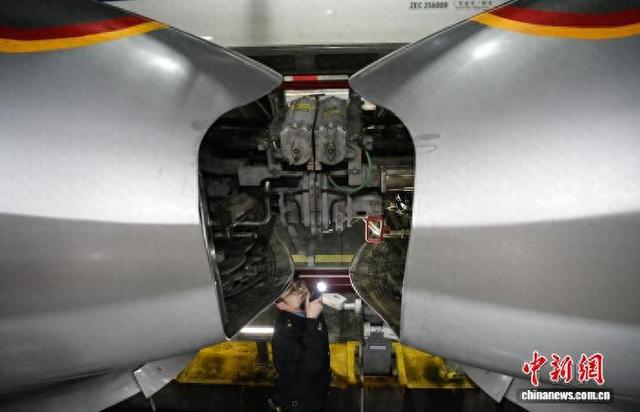
福州动车段全力保障列车春运安全出行
Xin Lang Cai Jing· 2026-02-14 14:35
Core Viewpoint - As the Spring Festival holiday approaches, the passenger flow is continuously increasing, prompting the Fuzhou EMU Depot of China Railway Nanchang Group to optimize capacity allocation and innovate organizational models to implement a "zero reserve" operation mode during the peak transportation period [1] Group 1 - The Fuzhou EMU Depot has allocated 196 trains in the 214 standard configuration, fully deploying them for passenger service during the peak Spring Festival travel period to maximize capacity utilization [1] - In response to the surge in passenger flow and the variability of train operations, the Fuzhou EMU Depot has precisely matched train schedules with operating trains to ensure accurate train deployment and continuously enhance the travel experience for passengers [1] - The depot has adopted a batch centralized maintenance model, accurately verifying the maintenance cycles of each train and calculating the mileage for Spring Festival operations to ensure a solid foundation for operational support during the holiday [2]
长途“有票”,短途却“无票”?铁路12306回应售票策略
Xin Hua Wang· 2026-02-14 14:17
Core Viewpoint - The article discusses the ticketing strategy of long-distance trains during the Spring Festival travel rush, highlighting the "long-distance priority, short-distance consideration" approach adopted by the railway department to optimize ticket sales and meet passenger demand [1][4]. Ticketing Strategy - The railway department implements a ticketing strategy that prioritizes long-distance travel by allocating most tickets to the starting station or nearby stations, ensuring that long-distance travelers are prioritized [1][4]. - The strategy includes three phases: 1. **Ticket Quota Pre-allocation**: 20% of tickets are allocated to nearby stations before sales begin, with the remaining tickets distributed based on demand for long-distance segments [2]. 2. **Dynamic Adjustment**: After ticket sales start, remaining long-distance tickets are adjusted based on demand and historical data, with a focus on fulfilling waiting list requests [2]. 3. **Open Sale**: Remaining long-distance tickets are made available for sale without restrictions, prioritizing those who have submitted waiting list requests [2]. Example Case - For the G246 train from Guangzhou South to Shanghai Hongqiao, 21% of the total 1238 seats were allocated to nearby stations during the pre-allocation phase, with subsequent adjustments made based on demand [3]. Efficiency and Demand Management - The "long-distance priority, short-distance consideration" strategy is deemed effective in maximizing railway resource utilization and meeting rigid travel demands, especially during peak travel times like the Spring Festival [4]. - The railway system has successfully fulfilled 12.8 million tickets through waiting list requests since the beginning of the Spring Festival, achieving a success rate of over 70%, with 51% of these being short-distance tickets [4].