定制家居

Search documents
欧派家居:“大家居”战略转型阵痛,千亿市值缩水背后
Xin Lang Cai Jing· 2025-12-31 05:49
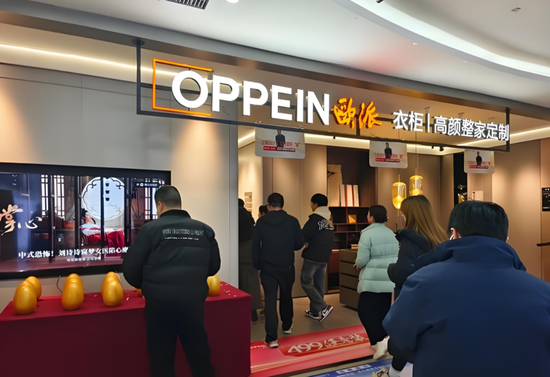
Core Viewpoint - The company, Oppein Home, is undergoing a significant transformation towards a "whole home" strategy amid declining growth engines, raising questions about its ability to navigate through this challenging period and regain its former strength [3][17]. Financial Performance - In 2024, Oppein Home experienced its first-ever decline in both revenue and profit, with revenue dropping by 16.93% to 18.925 billion yuan and net profit decreasing by 14.38% to 2.599 billion yuan [4][21]. - The decline in performance is attributed to a reduction in internal growth drivers, particularly in its core cabinet and wardrobe businesses, which saw revenue declines of 22.48% and 18.06% respectively [6][23][24]. Market Position and Stock Performance - By the end of 2025, Oppein Home was removed from the CSI 300 index, marking a significant shift in its market position as its market value shrank by approximately two-thirds in less than four years [3][18]. - Following the index adjustment, the company's stock price fell by 0.53%, reaching an annual low of 49.30 yuan per share [19]. Store Network and Distribution Challenges - The company closed 2,058 stores in 2024, resulting in a net reduction of 973 stores compared to the previous year, with a continued decline into 2025 [7][26]. - The revenue from its distribution channels fell by 20.10% in 2024, marking two consecutive years of contraction [26]. Brand Reputation and Trust Issues - Recent incidents of authorized dealers "running away" with consumer funds have led to a crisis of brand trust, affecting the company's reputation [10][28]. - The company's inconsistent handling of consumer complaints and disputes has exacerbated public distrust, with many consumers facing unresolved issues [11][28]. Industry Context and Economic Challenges - Oppein Home's struggles reflect broader challenges in the Chinese economy, particularly the reliance on the real estate sector, which has been experiencing a downturn [13][30]. - The company aims to stabilize its transition to a "whole home" model by enhancing operational efficiency and upgrading its marketing supply chain [30]. Investor Sentiment and Internal Signals - There are signs of waning confidence among investors, as indicated by the reduction of holdings by significant shareholders and the company's founder's decision to sell shares for personal financial needs [14][31]. - The founder received approximately 2.1 billion yuan in dividends during the downturn, raising concerns about the alignment of interests between management and shareholders [14][30].


皮阿诺股价跌1.28%,诺安基金旗下1只基金位居十大流通股东,持有129.67万股浮亏损失35.01万元
Xin Lang Cai Jing· 2025-12-30 02:08
12月30日,皮阿诺跌1.28%,截至发稿,报20.81元/股,成交1.00亿元,换手率3.67%,总市值38.06亿 元。 诺安多策略混合A(320016)成立日期2011年8月9日,最新规模18.55亿。今年以来收益71.09%,同类 排名419/8087;近一年收益65.6%,同类排名445/8085;成立以来收益230.2%。 诺安多策略混合A(320016)基金经理为孔宪政。 资料显示,广东皮阿诺科学艺术家居股份有限公司位于广东省中山市板芙镇智能制造装备产业园迎宾大 道15号,成立日期2005年6月14日,上市日期2017年3月10日,公司主营业务涉及从事中高端定制橱柜、 衣柜、木门等木作三大件及其配套家居产品的研发、设计、生产、销售、安装与售后等服务。主营业务 收入构成为:定制橱柜及其配套产品54.78%,定制衣柜及其配套产品39.55%,门墙3.86%,其他(补 充)1.82%。 从皮阿诺十大流通股东角度 数据显示,诺安基金旗下1只基金位居皮阿诺十大流通股东。诺安多策略混合A(320016)三季度新进 十大流通股东,持有股数129.67万股,占流通股的比例为1.01%。根据测算,今日浮亏损失约3 ...

“智造、出海、AI”,三年三阶!金牌家居x吴晓波,一直在把脉大家居行业走向
Xin Lang Cai Jing· 2025-12-29 13:44
Group 1 - The core focus of the 2025 speech by Wu Xiaobo is on finding actionable paths within the AI wave, emphasizing its profound impact on the physical world, industries, and young entrepreneurs [1][21] - The collaboration between Jinpai Home and Wu Xiaobo has consistently defined the development direction of China's home furnishing industry, addressing key industry challenges each year [3][23] Group 2 - In 2023, the industry faced challenges due to a downturn in real estate and increased competition, leading to a shift from "scale competition" to "value competition" [4][24] - Jinpai Home's achievements in smart manufacturing were highlighted, including the integration of digital twin technology and intelligent control systems, which significantly improved production efficiency [8][28] - The introduction of the "1㎡ gym" concept showcased innovative product development aimed at meeting consumer needs in urban environments [6][26] Group 3 - In 2024, the focus shifted to global expansion, with Jinpai Home positioning itself as a model for high-quality overseas operations, transitioning from "product export" to "industry export" [10][30] - Jinpai Home's strategy included establishing factories in Thailand and the U.S. to mitigate trade barriers and enhance local production capabilities [10][30] - The company implemented a localized strategy tailored to different markets, ensuring a better fit for local consumer needs [12][32] Group 4 - By 2025, Jinpai Home aims to leverage AI technology to address challenges in the home furnishing industry, enhancing design communication and service delivery [13][33] - The "Feiliu AI" solution was introduced to streamline the home renovation process, significantly reducing design time and improving user experience [18][38] - This AI initiative is seen as a transformative force, shifting the industry from product competition to ecosystem competition, thereby facilitating digital transformation [18][39] Group 5 - The three-year collaboration between Jinpai Home and Wu Xiaobo has effectively tracked the evolution of the home furnishing industry, focusing on smart manufacturing, global expansion, and AI innovation [19][39] - The partnership has demonstrated that industry leaders must balance deep-rooted practices with the ability to capture emerging trends for sustainable growth [19][39]


维意定制三里屯再拓新店,北京市场深耕背后的战略进阶
Bei Jing Shang Bao· 2025-12-28 14:44
Core Insights - The opening of the new store in Sanlitun marks a strategic leap for the company, emphasizing its commitment to high-end market penetration and brand elevation in the context of the accelerating shift towards premium and scenario-based home furnishing solutions [1][3] Group 1: Brand Strategy and Market Positioning - The new store is positioned in a high-end commercial ecosystem, aligning with the company's shift from product-driven to lifestyle-oriented offerings, targeting high-net-worth customers [1][2] - The Sanlitun location serves as a "brand image showcase," integrating AI intelligent design and immersive home experience services to attract young consumers seeking personalized and quality living solutions [1][2] - The company aims to enhance its brand recognition in the high-end customization sector by leveraging the "first-store economy" of Sanlitun, which is a key trend in the home furnishing industry [1] Group 2: Technological Integration and Service Innovation - The new store exemplifies the integration of AI technology with service offerings, allowing for rapid generation of comprehensive home design proposals, improving design efficiency by over 60% [2] - The company has already served over 10,000 households through its AI voice design system and one-stop renovation platform, generating 400 million yuan in consumer spending [2] Group 3: Regional Strategy and Market Penetration - The Sanlitun store represents a strategic advancement from a multi-point layout to deep market penetration in Beijing, which is a core consumption city in North China [3] - The new store will complement existing locations by focusing on high-end clientele and establishing a localized service ecosystem through collaboration with local designers and home decoration companies [3] - The store serves three core functions: acting as a brand image window, enhancing delivery efficiency through local supply chain advantages, and creating a complete service chain through cross-industry alliances and community operations [3]
这家公司筹划控制权变更,股价“提前”涨停
Guo Ji Jin Rong Bao· 2025-12-26 08:29
Core Viewpoint - PIANO is undergoing a potential change in control as its major shareholder and actual controller, Ma Libin, is planning to transfer control, leading to a suspension of trading for the company's stock [1][8]. Company Summary - PIANO is a listed company specializing in high-end customized home products, including cabinets and wardrobes, facing significant revenue decline due to the real estate cycle [3]. - In 2024, PIANO's total revenue dropped to 886 million yuan, a substantial decrease of 32.68% year-on-year, reaching levels last seen in 2017; the net profit attributable to shareholders was -375 million yuan, a staggering decline of 535.88% [3]. - For the first three quarters of 2025, PIANO reported revenue of 420 million yuan, down 37.27% year-on-year, continuing the downward trend; the net profit attributable to shareholders was -7.52 million yuan, a decline of 191.47%, although the loss narrowed compared to the first half of the year [3]. Industry Summary - The customized home furnishing industry is closely tied to the real estate sector, which is currently experiencing a downturn, adversely affecting companies in this space [5]. - Major brands like Oppein and Sophia also reported disappointing revenue in 2024, with Oppein's revenue at 18.93 billion yuan (down 16.93%) and Sophia's at 10.49 billion yuan (down 10.04%); however, Sophia managed to achieve a net profit of 1.37 billion yuan, an increase of 8.69% [5]. - As the new housing market slows, renovation and partial updates are emerging as new growth points, prompting companies to transition from product suppliers to space solution providers [6]. Control Change Details - Ma Libin, the founder and current chairman of PIANO, holds 39.12% of the company's shares, making him the largest single shareholder [7]. - This planned change in control marks Ma Libin's first explicit intention to relinquish control of PIANO, although he has attempted to reduce his stake multiple times in the past three years [8]. - Previous attempts to transfer shares included a plan in October 2022 to transfer 20% of shares to Zhuhai Honglu, with part of the transfer completed but later attempts halted due to external conditions [9]. - Speculation suggests that Poly Group may be a potential buyer for the control stake, as its subsidiary, Poly Capital, currently holds a significant share in PIANO [9].
媒体聚焦定制家居行业转型升级,金牌家居解码AI家装设计智能体
Jing Ji Wang· 2025-12-26 08:01
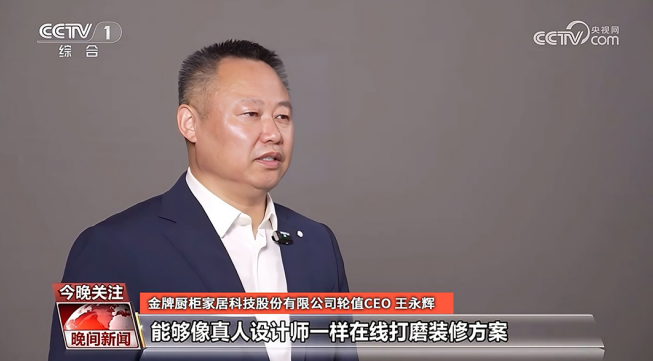
Core Insights - The article highlights the technological innovation and AI integration in the custom home furnishing industry, focusing on Kingboard Home's advancements in AI home design and its transition from manufacturing to intelligent manufacturing [1][3]. Group 1: Transition to Intelligent Manufacturing - The custom home furnishing industry is experiencing a systemic leap due to the wave of artificial intelligence technology, with Kingboard Home embracing this trend by integrating AI, big data, and cloud computing into all processes from product design to user service [3]. - Kingboard Home has developed a data-driven flexible manufacturing and collaborative optimization system, achieving smart production scheduling, dynamic quality control, adaptive scheduling, and resource optimization, significantly enhancing flexible manufacturing capabilities [3]. - For instance, at the Chengdu super factory, Kingboard Home successfully addressed the challenges of large-scale flexible manufacturing through AI and digitalization, resulting in a production efficiency increase and a more than 10% improvement in per capita efficiency, along with a threefold increase in assembly efficiency [3]. Group 2: AI Home Design Innovation - The "Feiliu AI Home Design Intelligent System" represents a soft innovation aimed at enhancing user experience, allowing families to have their own AI designer that realizes their design visions [3][5]. - Feiliu AI supports multimodal interaction, enabling users to search or upload floor plans, generate aesthetically pleasing 3D renderings, and switch to 720° VR panoramic views for a virtual tour of their future home [5]. - The system allows for DIY layout adjustments, providing users with intuitive and responsive options for space layout and personalized space creation, along with automatic generation of cost estimates for hard and soft furnishings, ensuring clear and controllable renovation budgets [5]. Group 3: Future Directions - Kingboard Home plans to continue deepening the integration of "AI + industry" innovation, using technology as a driving force to enhance large-scale personalized customization capabilities and overall service experience [6]. - The company aims to evolve into a new quality production enterprise, contributing new momentum to the sustainable evolution of the home furnishing industry [6].
皮阿诺股价跌5.21%,益民基金旗下1只基金重仓,持有2.08万股浮亏损失2.37万元
Xin Lang Cai Jing· 2025-12-25 02:25
Group 1 - The stock of Pianuo fell by 5.21% to 20.74 CNY per share, with a trading volume of 2.19 billion CNY and a turnover rate of 8.02%, resulting in a total market capitalization of 37.94 billion CNY [1] - Pianuo, established on June 14, 2005, and listed on March 10, 2017, specializes in the research, design, production, sales, installation, and after-sales service of mid-to-high-end customized cabinets, wardrobes, wooden doors, and related home products [1] - The revenue composition of Pianuo includes customized cabinets and related products at 54.78%, customized wardrobes and related products at 39.55%, doors and walls at 3.86%, and other supplementary products at 1.82% [1] Group 2 - Yimin Fund has one fund heavily invested in Pianuo, specifically the Yimin Core Growth Mixed Fund (560006), which held 20,800 shares in the third quarter, accounting for 1.01% of the fund's net value, making it the eighth largest holding [2] - The Yimin Core Growth Mixed Fund (560006) was established on August 16, 2012, with a latest scale of 24.98 million CNY, achieving a year-to-date return of 15.34% and a one-year return of 14.98% [2] - The fund manager Wang Yong has a tenure of 2 years and 302 days, with a total asset scale of 93.18 million CNY, achieving a best return of 82.08% during his tenure [3]
好莱客跌2.00%,成交额1349.57万元,主力资金净流出190.68万元
Xin Lang Cai Jing· 2025-12-23 02:00
Group 1 - The core viewpoint of the news is that Haolaike's stock has experienced fluctuations, with a recent decline of 2.00% and a year-to-date increase of 41.82% [1] - As of December 23, Haolaike's stock price is 13.22 yuan per share, with a market capitalization of 4.116 billion yuan [1] - The company has seen a net outflow of 1.9068 million yuan in principal funds, with significant selling activity [1] Group 2 - Haolaike operates in the light industry manufacturing sector, specifically in customized home furnishings, and is involved in various concepts such as smart home and industrial 4.0 [2] - For the period from January to September 2025, Haolaike reported a revenue of 1.265 billion yuan, a year-on-year decrease of 12.38%, and a net profit of 31.3557 million yuan, down 65.53% year-on-year [2] - The number of shareholders increased by 3.34% to 9,123, while the average circulating shares per person decreased by 3.22% [2] Group 3 - Since its A-share listing, Haolaike has distributed a total of 846 million yuan in dividends, with 305 million yuan distributed over the past three years [3]

私募股权创投基金频频入股上市公司 小市值公司仍有“壳”价值
Shen Zhen Shang Bao· 2025-12-22 18:29
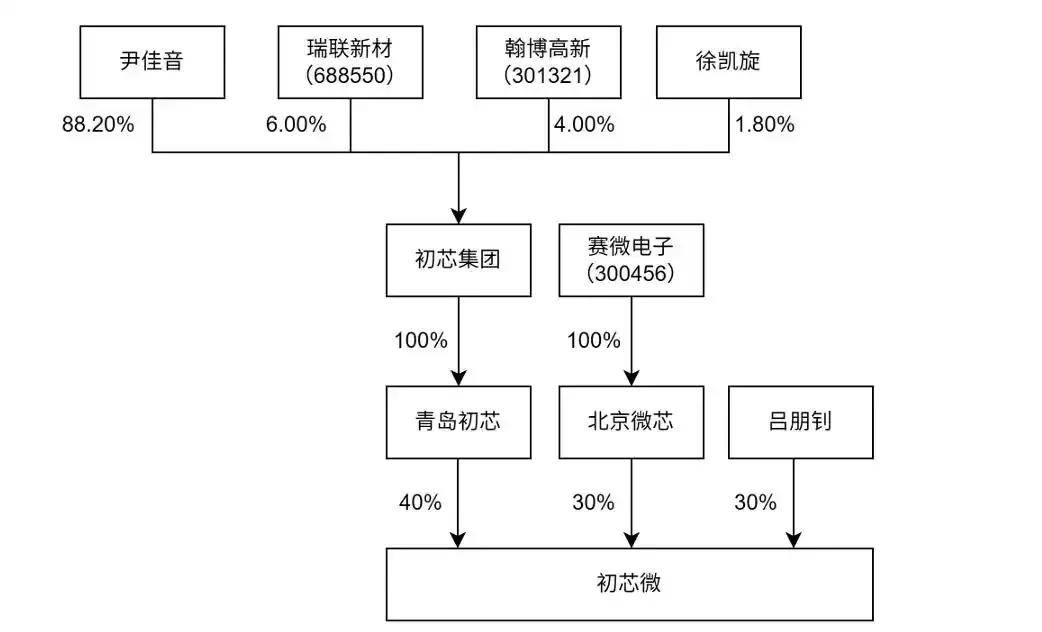
【深圳商报讯】(记者陈燕青)今年以来出现了多起私募股权创投基金入股上市公司的案例,涉及的A股 公司包括皮阿诺、鸿合科技、天迈科技、ST中珠等,大多为小市值公司。 对此,业内人士认为,未来私募股权创投基金收购上市公司股权的案例会越来越多,通过产业整合和资 产注入有助于改善相关公司的业绩。 12月15日晚,定制家居上市公司皮阿诺宣布,大股东马礼斌与二股东珠海鸿禄分别向初芯微转让9.78% 和7%股份,两项转让完成后,初芯微持股比例将达到16.78%。此外,大股东马礼斌同步承诺放弃其剩 余的3537.37万股表决权。此外,公司拟向青岛初芯定向发行3451.5万股,发行完成后青岛初芯持股比例 将达到15.87%。由于青岛初芯和初芯微为一致行动人,两者合计持股比例达29.99%。 根据记者梳理,私募股权创投基金入主上市公司主要有协议转让、参与上市公司定增、司法拍卖等方 式。从已披露的案例来看,私募股权创投基金大多通过"协议转让+原控股股东表决权委托(或放弃)"等 方式取得上市公司实控权。 私募股权创投基金下场收购上市公司控制权,既能缓解被投项目退出难的问题,又能以上市公司为平台 推进募资,可谓是一举两得。 深圳一家创投 ...



皮阿诺易主,55岁马礼斌悲情离场,最后一个相信许家印的男人终于清仓
Sou Hu Cai Jing· 2025-12-22 12:27
Core Viewpoint - The control of Pianno, a custom home furnishing manufacturer, has changed hands from its actual controller Ma Libin to Yin Jiayin of Hangzhou Chuxin Micro Technology after signing a share transfer agreement [1] Group 1: Shareholder Changes - Ma Libin's shareholding decreased from 39.12% to 29.34%, while Chuxin Micro acquired a 16.78% stake [4] - The second largest shareholder, Zhuhai Honglu, also saw a reduction in its shareholding from 13.00% to 6.00% [4] Group 2: Ma Libin's Background and Career - Ma Libin, born in 1970 in Jiangxi, transitioned from being a teacher to a businessman, seizing opportunities in Guangdong during the economic boom [5] - He founded an advertising company that grew to a scale of 70 million yuan, but later sold it to pursue an MBA at Peking University [6] - During his MBA, he invested in a custom home furnishing project, which later became Pianno, despite initial losses [7] Group 3: Pianno's Growth and Challenges - Pianno was officially established in 2005, focusing on custom home furnishings and aligning its strategy with the booming real estate market [9] - The company achieved significant growth, with its engineering business revenue reaching 306 million yuan in 2018, a 106.65% increase year-on-year [10] - However, the real estate market downturn in 2018 led to payment delays from major clients like Evergrande, resulting in financial strain for Pianno [11] Group 4: Final Decisions and Exit - Despite accumulating nearly 1 billion yuan in receivables from Evergrande, Ma Libin held onto the belief that the company could recover, leading to further investments [12] - Ultimately, with Evergrande's bankruptcy and the failure of recovery efforts, Ma Libin decided to transfer control of Pianno to Chuxin Micro, marking the end of his involvement in the company he built [12]