
细胞与基因治疗

Search documents
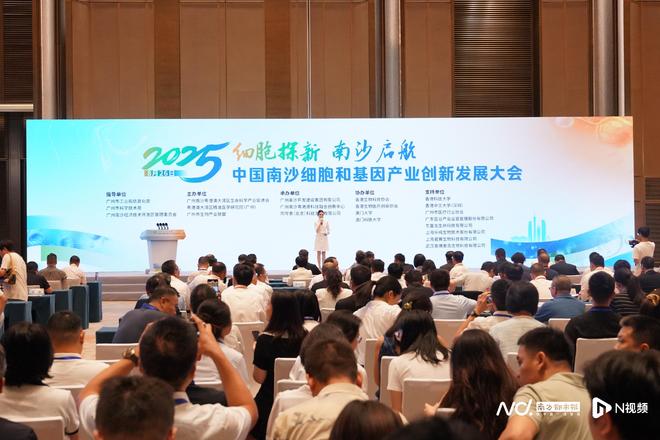
南沙聚力细胞和基因产业 成立三大中心贯穿研发全链条
2 1 Shi Ji Jing Ji Bao Dao· 2025-08-27 16:22
Core Insights - The "China Nansha Cell and Gene Industry Innovation Development Conference" was held in Guangzhou Nansha, focusing on cutting-edge technologies and industrial development in the cell and gene sector, attracting over a thousand companies [1] - The establishment of several key centers during the conference aims to promote the standardization and regulation of the cell and gene industry, addressing technical and management challenges [1][5] Industry Overview - Cell and gene therapy (CGT) is a rapidly developing frontier technology in biomedicine, with the Chinese market projected to exceed 8 billion RMB in 2024, primarily driven by CAR-T therapies, and expected to surpass 28.9 billion RMB by 2030 [2] - Global CGT market is anticipated to reach 76 billion USD by 2030, indicating significant growth potential [2] Policy and Support - The "14th Five-Year Plan" for bio-economy development emphasizes the advancement of gene diagnosis, stem cell therapy, and immune cell therapy, with Guangdong province leveraging its strong biopharmaceutical foundation to create a leading industry cluster [2] - Nansha has introduced policies to facilitate market access for cell and gene therapy companies, including a 15% corporate income tax reduction and various support measures to foster industry growth [3] Ecosystem Development - Nansha has over 400 biopharmaceutical companies established, with more than 40 focused on cell and gene therapy, indicating a collaborative effort to build a comprehensive industry ecosystem [3] - The release of the Nansha biopharmaceutical and health industry map aims to align project resources and address common industry challenges [3] Challenges and Regulatory Landscape - The clinical application of cell and gene therapy faces challenges related to responsibility, regulatory lag, and safety versus economic interests, highlighting the need for clearer regulations and oversight [4] - Experts suggest adopting established drug regulatory processes for cell and gene therapy to ensure safety and efficacy, advocating for a balanced regulatory approach [4] Recent Developments - The launch of the Greater Bay Area Cell and Gene Therapy Public Service Center and other key initiatives during the conference is expected to enhance the industry's standardization and development [5] - Significant investment commitments were made, including a project in gene therapy and stem cell drugs with a total investment of approximately 500 million RMB, projected to generate an annual output value of 1 billion RMB [5]
三大中心落子广州南沙,贯穿细胞与基因产业研发全链条
Nan Fang Du Shi Bao· 2025-08-27 02:28
Core Insights - The joint policy from three ministries in January 2024 has significantly accelerated the development of the cell and gene therapy industry in Nansha, allowing clinical applications of restricted cell transplantation technologies under certain conditions [1][3] - The establishment of three major public service centers in Nansha aims to enhance the infrastructure for cell and gene therapy, focusing on clinical application, safety evaluation, and data management [1][4] Group 1: Infrastructure Development - The Guangdong Jihe Stem Cell Engineering Co., Ltd. is leading the construction of a clinical-grade seed cell bank in Nansha with a total planned investment of 200 million yuan, which will facilitate the research and clinical transformation of cell technology [3][4] - The public service center in Nansha will serve as a national-level platform integrating high-precision quality testing, intelligent sample storage, and comprehensive data management for cell therapy [9][10] Group 2: Evaluation and Safety - The establishment of the Bay Area Biological Therapy Health Effect Evaluation Center aims to create an internationally leading evaluation system for the safety, effectiveness, and health effects of biological therapies, addressing key challenges in clinical translation [5][6] - The center will focus on four core areas: multi-dimensional efficacy evaluation of cell therapies, research on side effects, precise immune assessment, and biological age prediction for health intervention [6][7] Group 3: Industry Collaboration and Growth - Nansha is positioned to leverage its geographical advantages and resources from the Greater Bay Area to build a global innovation hub for biological therapy, attracting industry experts and fostering collaboration among over 400 biopharmaceutical companies [12][13] - The integration of data accumulation and AI technology is expected to enhance treatment efficacy and optimize patient care in the field of biological therapy [13]

和元生物:上半年营业收入同比增长6% 多措并举筑牢发展根基
Zhong Zheng Wang· 2025-08-19 08:02
Core Insights - The company reported a revenue of 120 million yuan for the first half of 2025, representing a year-on-year growth of 6%, while the net profit attributable to shareholders was a loss of 105 million yuan, reducing the loss by 8.78 million yuan compared to the same period last year [1] Group 1: Business Performance - The cell and gene therapy CRO business generated revenue of 40.70 million yuan, an increase of 3.79% year-on-year, with over 14,000 research laboratory clients served, indicating a continuous improvement in market coverage [1] - The CDMO business revenue was 65.62 million yuan, remaining stable compared to the previous year, with 52 IND approvals obtained for clients and over 540 CDMO projects undertaken, including 5 Phase III clinical projects [1] - The company secured over 90 million yuan in new CDMO orders during the year [1] Group 2: Regenerative Medicine and Capacity Expansion - The regenerative medicine segment made significant progress, including the development of processes for stem cells and immune cells, and collaboration with leading companies and research institutions [2] - The company’s subsidiary successfully registered human dermal fibroblast exosomes in the global cosmetic ingredient directory, expanding opportunities in anti-aging and health management [2] - The first phase of the Lingang industrial base has been fully operational, with production capacity and line numbers ranking among the top in the international industry, enhancing delivery efficiency and customer retention [2] Group 3: Technological Innovation - The company is focusing on technological innovation, with R&D investment of 23.21 million yuan, accounting for 19.37% of revenue, and filing for 2 invention patents and 8 utility model patents [2] - The company has developed an intelligent R&D system leveraging AI technology, including a virus yield prediction model based on BERT, which optimizes production efficiency [3] - AI models have been created for adenoviral vector optimization, utilizing deep learning frameworks to enhance research and development efficiency [3]

在30万亿细胞中建造“纳米火箭”:一场“卡脖子”的突围战
Hua Xia Shi Bao· 2025-08-05 03:50
Core Insights - The article discusses the advancements made by Jitai Technology in the field of cell and gene therapy (CGT), particularly focusing on their innovative AI-driven nano-delivery systems aimed at overcoming significant challenges in targeted drug delivery [2][4][6]. Group 1: Company Developments - Jitai Technology has successfully developed a platform called OpenCGT, which aims to address the critical issues in precise drug delivery within the human body, likening its technology to "SpaceX for the human body" [2][6]. - The company has recently completed a Series D funding round, raising 400 million RMB, which will be used to enhance platform automation, advance self-developed product pipelines, deepen international collaborations, and attract high-end talent [7]. - Jitai's core pipeline, MTS004, has completed Phase III clinical trials and is now entering the NDA application stage, with three additional pipelines in critical clinical phases [5]. Group 2: Industry Context - The CGT sector is identified as the third generation of drug innovation, following small molecule drugs and antibody drugs, with significant support from the Beijing municipal government to foster the development of over 20 leading CGT technology companies by 2027 [6]. - The article highlights the global challenge of drug delivery in CGT, noting that most failures in CGT research stem from delivery issues, which Jitai aims to resolve through AI-enhanced nano-material design [4][5]. - The OpenCGT platform is designed to lower development barriers and costs, facilitating the incubation and clinical translation of breakthrough CGT therapies, thereby positioning Beijing as a new hub for life and health industry innovation [6][7].
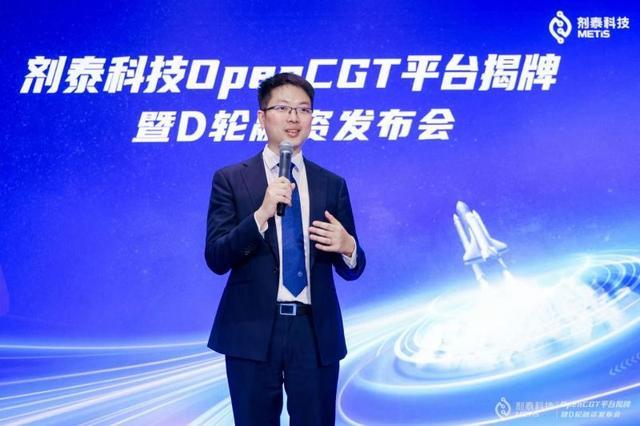
剂泰科技完成4亿元D轮融资,CEO:将基因代码编成工具送到目标组织跟细胞中是最大挑战
Sou Hu Cai Jing· 2025-08-04 06:21
Group 1 - The core viewpoint of the articles highlights the significance of cell and gene therapy (CGT) as a major innovation track in pharmaceuticals, with a focus on overcoming delivery efficiency challenges through AI-driven solutions [2][3] - JiTai Technology, an AI-driven company specializing in nanomaterial innovation for targeted drug delivery, recently completed a Series D funding round, raising a total of 400 million RMB, led by Beijing Pharmaceutical Health Industry Investment Fund and Daxing District Industrial Investment Fund [2] - The company has developed AI-driven nanodelivery technologies, such as lipid nanoparticles (LNP), to address critical issues in CGT and mRNA drug delivery, including targeted organ delivery and endosomal escape [2] Group 2 - The Beijing Municipal Science and Technology Commission and other departments have launched a three-year action plan to accelerate innovation in the CGT industry, aiming to cultivate over 20 leading technology companies in the field by 2027 [3] - JiTai Technology has also announced the launch of the OpenCGT platform, which focuses on addressing industry pain points in precise drug delivery, reducing development barriers and costs, and facilitating the clinical translation of breakthrough CGT therapies [3] - The OpenCGT platform aims to connect research capabilities from top universities, resources from major hospitals, and the entire R&D chain of CGT innovative pharmaceutical companies in Beijing [3] Group 3 - The establishment of a 20 billion RMB pharmaceutical health industry investment fund in Beijing is aimed at promoting innovation in pharmaceuticals, medical devices, CGT, and digital healthcare [4] - The OpenCGT platform is expected to fill critical gaps in high-end formulation and delivery system transformation, contributing to Beijing's goal of becoming an international hub for CGT innovation [4] - The platform's implementation is anticipated to accelerate the conversion of original innovative results and attract top global talent, technology, and capital to the Daxing District, enhancing its international competitiveness in the CGT sector [4]

剂泰科技完成4亿元D轮融资 揭牌成立OpenCGT技术平台
Xin Hua Cai Jing· 2025-08-04 06:10
Group 1 - JiTai Technology has completed a Series D financing round, raising a total of 400 million RMB, led by the Beijing Medical Health Industry Investment Fund and the Daxing District Industrial Investment Fund [1] - The funds will be used to advance multiple strategic priorities, including platform automation upgrades, self-developed product pipeline advancement, deepening international strategic cooperation, and attracting high-end talent [1] - The cell and gene therapy (CGT) sector is identified as a key area for drug innovation, following small molecule drugs and antibody drugs [1] Group 2 - In 2024, Beijing's Science and Technology Commission and other departments will release a three-year action plan to accelerate innovation in the CGT industry, aiming to cultivate over 20 leading CGT technology companies by 2027 [1] - JiTai Technology has established the Open CGT technology platform, focusing on addressing industry pain points in precise drug delivery, reducing development barriers and costs, and facilitating the research and clinical transformation of breakthrough CGT therapies [1] - The Open CGT platform aims to connect research capabilities from top universities, resources from major hospitals, and the full R&D chain of CGT innovative pharmaceutical companies, with its first project already launched [1]
剂泰科技完成4亿元D轮融资 发布Open CGT递送平台
Zhong Zheng Wang· 2025-08-04 05:55
Group 1 - JiTai Technology has completed a Series D financing round, raising a total of 400 million RMB, led by Beijing Medical Health Industry Investment Fund and Daxing District Industrial Investment Fund [1] - The funds will accelerate JiTai Technology's strategic initiatives, including platform automation upgrades, self-developed product pipeline advancement, deepening international strategic cooperation, and attracting high-end talent [1] - JiTai Technology launched the Open CGT delivery platform, focusing on addressing industry pain points in precise drug delivery, aiming to lower development thresholds and costs for breakthrough cell and gene therapy (CGT) research and clinical transformation [1] Group 2 - The Open CGT delivery platform is designed to integrate research capabilities from top universities, resources from major hospitals, and the entire R&D chain of innovative CGT pharmaceutical companies in Beijing [1] - The platform has initiated its first project, enabling Rui Zheng Gene to develop an mRNA-LNP-based liver-targeted CRISPR gene editing therapy [1] - The Beijing Medical Health Industry Investment Fund is one of eight industry funds approved by the Beijing government, focusing on innovative drugs, medical devices, and emerging industries like cell and gene therapy and digital healthcare [1] Group 3 - The chairman of Shunxi Management Company emphasized that the medical and health sector is crucial for Beijing's innovative development and the cultivation of new productive forces [2] - Beijing has established a 20 billion RMB medical health industry investment fund, focusing on innovative drugs, medical devices, cell and gene therapy, and digital healthcare [2] - JiTai Technology's Open CGT delivery platform fills a critical gap in the transformation of high-end formulations and delivery systems, aiding Beijing in becoming an international innovation hub for CGT [2] Group 4 - The chairman of Daxing District Investment Group stated that Daxing District is committed to making the biopharmaceutical industry a core track for high-quality development [2] - The CGT sector is identified as the main track for third-generation drug innovation, following small molecule drugs and antibody drugs [2] - A three-year action plan for accelerating innovation in the cell and gene therapy industry in Beijing aims to cultivate over 20 leading-edge technology companies in the CGT field by 2027 [2]
剂泰科技完成4亿元D轮融资,揭牌Open CGT平台
Xin Lang Ke Ji· 2025-08-04 01:36
Group 1 - The core viewpoint of the news is that Jitai Technology has completed a Series D financing round of 400 million RMB, which will accelerate the development of its Open CGT platform and other strategic initiatives [1][2] - The financing was led by the Beijing Pharmaceutical and Health Industry Investment Fund and the Daxing District Industrial Investment Fund, focusing on innovative drugs and medical devices [1] - The Open CGT platform aims to address industry pain points in precise drug delivery, reducing development barriers and costs, and fostering breakthrough CGT therapies [1][2] Group 2 - Jitai Technology's Open CGT platform will connect research capabilities from top universities, resources from major hospitals, and the full R&D chain of CGT innovative drug companies [2] - The platform has initiated its first project, empowering Ruizheng Gene to develop an mRNA-LNP-based liver-targeted CRISPR gene editing therapy [2] - The CEO of Jitai Technology emphasized that CGT will be a pillar of China's biopharmaceutical industry, representing the next generation of drug development through cellular and nucleic acid sequences [2]
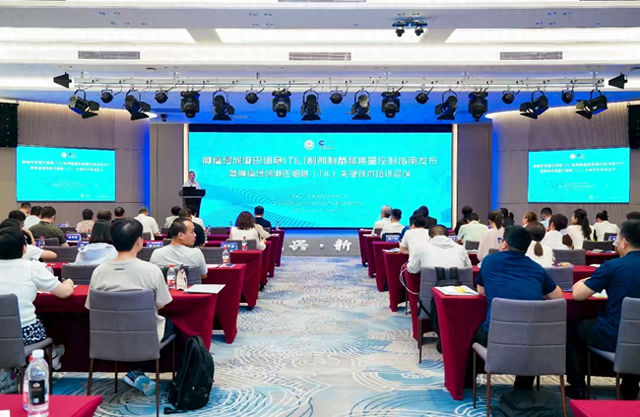
细胞与基因治疗TIL标准制剂制备和质量控制指南成功发布
Bei Jing Wan Bao· 2025-07-18 10:45
Core Viewpoint - The release of the "Guidelines for the Preparation and Quality Control of Tumor-Infiltrating Lymphocyte (TIL) Preparations" marks a significant step towards the standardized development of TIL technology in China, aiming to enhance the quality and efficiency of TIL treatments for patients with advanced solid tumors [5][6]. Group 1 - The event was co-hosted by the China Association for Medical Biotechnology and the Daxing Biomedical Industry Base, featuring prominent experts and officials from various institutions [1][3]. - TIL cell therapy offers new treatment options for patients with advanced solid tumors who cannot tolerate traditional chemotherapy, potentially allowing young cervical cancer patients to retain their uterus while achieving a cure [3][5]. - The Daxing Biomedical Industry Base is committed to supporting project implementation and results transformation, aiming to create an innovative cluster for cell therapy [3][6]. Group 2 - The formal release of the guidelines provides standards and norms for the preparation and quality control of TIL preparations, indicating a move towards regulatory compliance in the TIL field [5][6]. - A collaboration agreement was signed between the Xunsheng Medical Research Institute and the Beidaihe Rehabilitation Hospital's International Biomedical Center to enhance technical research and clinical applications of TIL [5][6]. - The Daxing Biomedical Industry Base hosts over 30 companies, with more than 60 products under research and 10 companies conducting over 20 clinical trials, showcasing its strength in cell therapy [6][7].
细胞与基因疗法将获“先进治疗药品”新身份,加速审评审批上市
Di Yi Cai Jing· 2025-06-11 04:22
Core Viewpoint - The article discusses the establishment of a regulatory framework for advanced therapy medicinal products (ATMPs) in China, aiming to enhance the quality of the industry and align with international standards [1][2][4]. Group 1: Definition and Classification - The draft document defines "advanced therapy medicinal products" as those developed, produced, and regulated according to pharmaceutical regulations, including cell and gene therapies [2][4]. - ATMPs in China are categorized into three main types: cell therapy medicinal products (CTMPs), gene therapy medicinal products (GTMPs), and others based on their material basis and active ingredients [2][6]. Group 2: Industry Development and Global Position - The advanced therapy sector is identified as a core area of life sciences, crucial for fostering future industries and promoting high-quality development in the bio-economy [3][4]. - As of 2024, China has made significant progress in CGT drug development, with 4 out of 17 global CGT therapies approved, and 6 out of over ten CAR-T products approved worldwide [3][4]. Group 3: Regulatory Challenges and International Coordination - The current lack of regulatory definitions and industry consensus in China poses challenges for the development, technical review, and regulation of advanced therapies [4][6]. - The draft aims to unify the naming, scope, and classification of advanced therapy products, facilitating faster reviews and approvals while enhancing international regulatory coordination [1][4]. Group 4: Specific Regulatory Provisions - The draft specifies that certain products, such as blood components and reproductive cells, are excluded from the definition of ATMPs [6]. - CAR-T therapies are classified as "ex vivo gene-modified cell products," differing from classifications by other global regulatory bodies, reflecting a focus on the material basis and characteristics of the products [6][7]. Group 5: Future Prospects and Inclusivity - The classification framework is designed to be forward-looking and inclusive, allowing for the integration of new technologies and products as they develop [7]. - The draft has incorporated feedback from over 70 industry experts and representatives, indicating a collaborative approach to regulatory development [7].