酒店业

Search documents
北京新地方标准:酒店医院床单毛巾洗涤将可追溯管理
Bei Jing Ri Bao Ke Hu Duan· 2025-10-10 02:14
Group 1 - The Beijing government has approved the release of 61 local standards, including the "Service Evaluation Standards for Laundry Enterprises," which emphasizes the need for visualized and traceable management of fabric washing in public textile washing companies [1] - The incident involving Atour Hotel using hospital pillowcases has raised public concern, leading to the establishment of specific regulatory requirements for public textiles used in accommodations and medical facilities [1] - The new standards require laundry enterprises to implement a traceable service process, including establishing a consumer safety monitoring system and maintaining video or documentation for key operational stages [1] Group 2 - In addition to laundry standards, Beijing has also introduced three new standards related to food safety, including the "Quality Management Standards for Food Production Enterprises," which outlines specific requirements for low-temperature pasteurized milk and roasted coffee supplier management [2] - The total number of effective local standards in Beijing has reached 2,374, covering various aspects of urban governance and public services [2]

“五星级酒店”开不下去了,背后藏着什么信号?
3 6 Ke· 2025-10-10 00:03
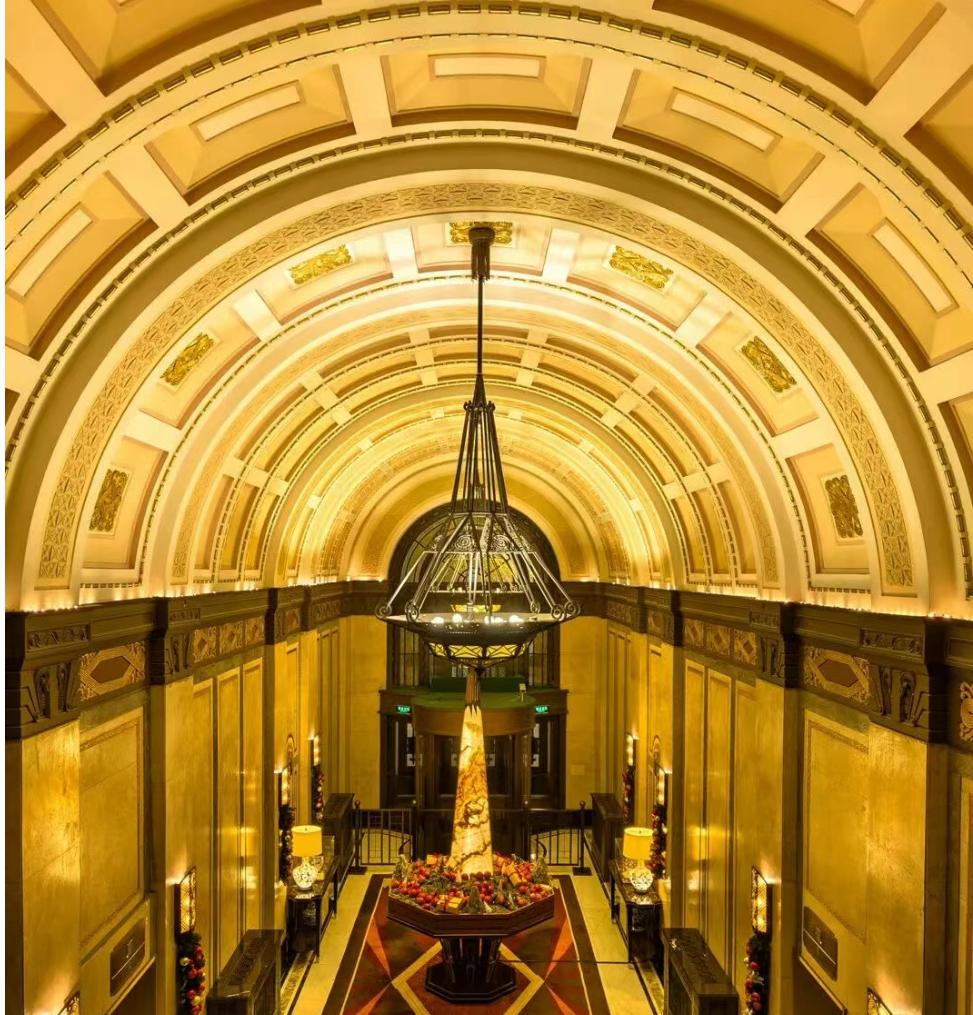
曾几何时,五星级酒店是中国高端消费的象征,代表着身份、地位与极致服务。 比如: 北京瑜舍的日式极简设计风格房间,曾经标出过一晚3万元的住宿价格; 上海宝格丽酒店,更是炒出过30万元的跨年夜套房; 北京金茂威斯汀大饭店,经常接待美国总统。 但如今: 北京瑜舍酒店,于去年6月宣布正式关闭; 上海宝格丽酒店,以24.3亿元底价,被挂牌出售; 北京金茂威斯汀,以约28.02亿元的价格,被出售。 顶级如五星级酒店,最近两年也在疯狂被抛弃。 根据文旅部数据显示,2019年底中国五星级酒店数量为845家,而截至2024年三季度,这一数字已降至736家,五年间减少了近13%。 曾经火爆一时的五星级酒店,是城市的地标,也是房地产商眼中的香饽饽。 为什么现在越来越难以经营,背后又折射了怎样的经济现象呢? 下面我们一起聊一聊! 地产的凛冬一到,五星酒店也不能独善其身 业内人有一个统一的共识,那就是盖五星级酒店不赚钱。 而过去很多年,房地产开发商,是五星级酒店的主要玩家,且个个把五星酒店当成"座上宾"。 为什么呢? 究其根本,酒店虽然不挣钱,但是酒店背后的土地和住宅才是真金白银。 房地产大行其道的年代,地产公司其实并不指望这些酒店带 ...

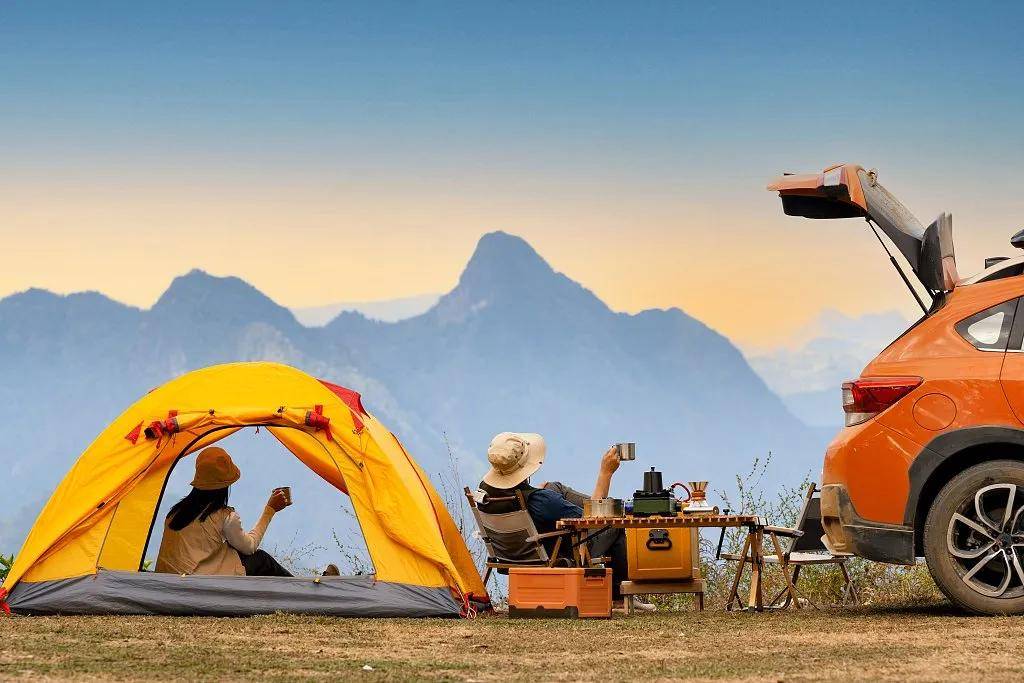
今年十一,酒店业被年轻人的帐篷干翻了?
虎嗅APP· 2025-10-09 10:54
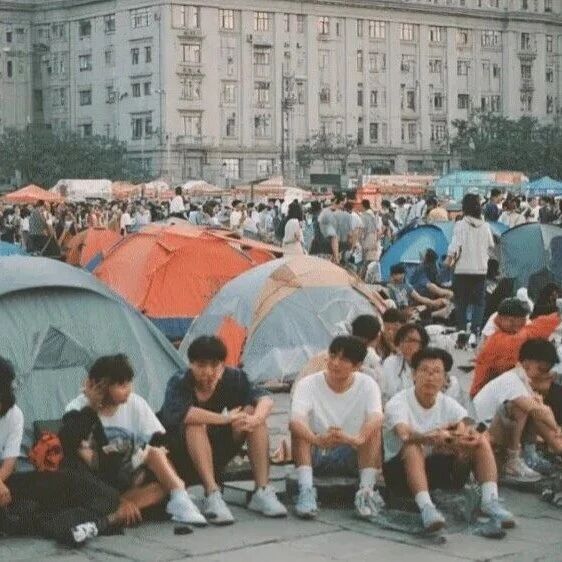
Core Viewpoint - The hotel industry in China is facing significant challenges as young travelers increasingly prefer camping over traditional hotel stays, driven by changing consumption attitudes and rising hotel prices during peak travel periods [3][11][25]. Group 1: Changing Consumer Behavior - Young travelers are opting for camping as a cost-effective alternative to hotels, with some reports indicating savings of up to 90% compared to hotel prices during peak seasons [7][8]. - The shift towards camping is not merely a reaction to high hotel prices but reflects a deeper change in the consumption mindset of young people, who are seeking value without compromising on quality [11][14]. - The perception that young consumers are simply downgrading their hotel choices is misleading; they are looking for accommodations that match their budget while maintaining quality standards [13][14]. Group 2: Industry Response and Opportunities - The hotel industry is experiencing a supply-demand mismatch, with many young travelers finding limited options that meet their expectations for both price and quality [16][20]. - As traditional hotel offerings fail to meet the evolving needs of young consumers, there is a potential opportunity for new high-quality, cost-effective accommodation solutions to emerge [27][28]. - Historical trends suggest that significant shifts in consumer preferences often lead to the rise of new market segments, indicating that the current challenges could pave the way for innovative hospitality solutions [27][30].
华住集团:假期期间旗下酒店共接待超1055万人次 同比增长36%
Zheng Quan Shi Bao Wang· 2025-10-09 09:35
Core Insights - Huazhu Group reported that during the 2025 National Day and Mid-Autumn Festival holiday, its hotels received over 10.55 million guests, representing a 36% increase compared to the same holiday last year [1] - The number of foreign guests exceeded 57,000, marking a 75% increase year-on-year [1] - The overall occupancy rate of Huazhu Group's hotels surpassed 80% during the holiday period, with a peak occupancy rate exceeding 98% on October 3, and over 8,100 hotels were fully booked [1]
连锁酒店房价涨破千元,这届“打工人”出游住进疗养院
Xin Lang Cai Jing· 2025-10-09 09:33
9月底,时代财经查询携程旅行APP显示,10月1日至8日,全季酒店(青岛五四广场店)一间29㎡的豪 华大床房(不含早)均价为1041元/晚。而在国庆节前三天,这类房型的房价最高不超600元/晚,节后 两个月的价格则回落至319-376元/晚。 就在王菀菀为酒店一筹莫展时,OTA平台上突然跳出了一条推荐——与五四广场直线距离不到2公里的 中华全国总工会青岛疗养院(下称"全总青岛疗养院")。"当时(疗养院)一晚房价大约才600元",王 菀菀顿时觉得这是个不错的选择,加上朋友曾在国内类似的疗养院入住,反馈体验不错,一番了解后, 王菀菀很快就订了房,"整个决策周期就花了2到3天"。 事实上,"老干部酒店"的风早已在社交平台悄然刮起。许多年轻人不再执着于酒店是否配备宽敞大浴 缸、出片的园林,或是精致的行政酒廊,他们更在意的,是找到一个性价比高、能安心休息的地方。 文 | 时代财经 #景德镇90元酒店房价涨到1000元# #内蒙古阿尔山一汉庭酒店标间涨超10倍#。今年国庆假期,热门旅 游目的地附近的酒店价格依旧涨势明显,部分看重性价比的年轻人选择"攻占"疗养院。 距离国庆假期还有一个月,广州白领王菀菀就开始为自己青岛之行 ...
住五星酒店,穿二手拖鞋
36氪· 2025-10-08 04:07
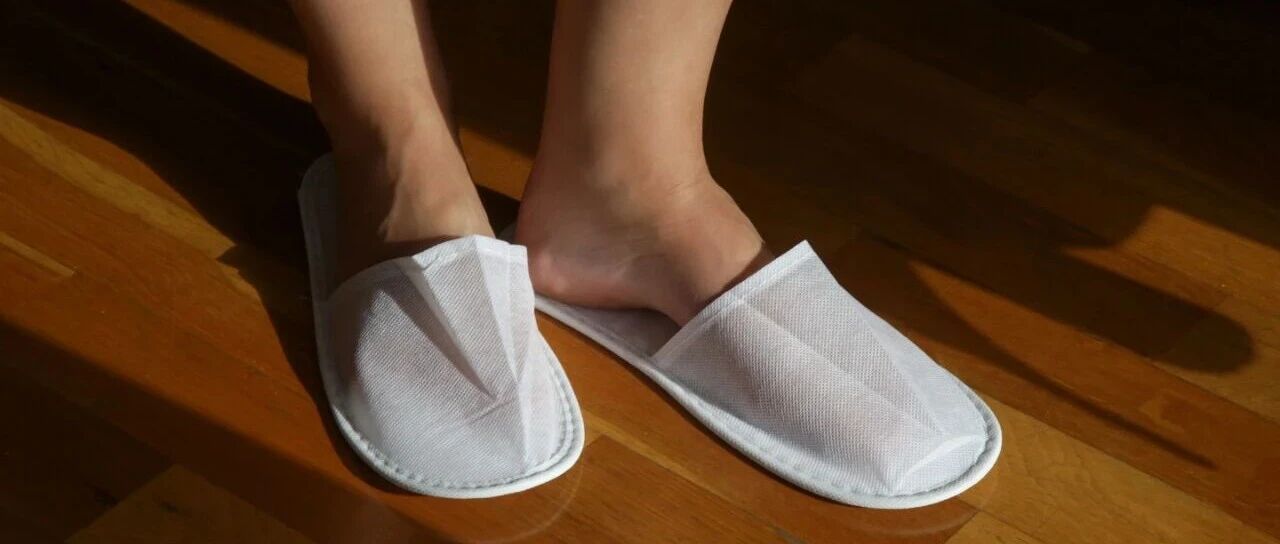
Core Viewpoint - The article discusses the discrepancy between consumer expectations and hotel practices regarding the use of disposable slippers, revealing that many hotels recycle slippers instead of providing new ones, leading to concerns about hygiene and transparency [34][40][51]. Group 1: Consumer Expectations vs. Hotel Practices - Consumers generally believe that slippers provided in hotels are single-use items, while many hotels consider them reusable and recycle them after cleaning [34][36]. - High-end hotels are more likely to recycle slippers due to their higher procurement costs, which can range from 3 to 6 yuan per pair, allowing them to be used two to three times [36][47]. - The lack of clear communication from hotels regarding the status of slippers has led to consumer distrust, especially when hygiene issues arise, such as hair being found on slippers [40][51]. Group 2: Industry Standards and Regulations - Current regulations do not explicitly require hotels to provide single-use slippers, leading to a gray area in hotel practices [40]. - Local health authorities have begun investigating the practices of hotels like Marriott, which have been accused of not clearly labeling or informing guests about the reuse of slippers [40][51]. - The article highlights that while some hotels, like MUJI, clearly state their slippers are not single-use, others may not disclose this information, leading to consumer confusion [38][40]. Group 3: Economic Considerations - The cost-saving measures associated with recycling slippers can lead to significant savings for hotels, potentially amounting to tens of thousands of yuan annually [47]. - The economic pressures faced by hotels, such as declining revenue and increased competition, have prompted them to cut costs in areas like guest amenities [49]. - The article suggests that the trend of reducing single-use items is part of a broader movement towards sustainability, but it raises questions about the quality of service provided in luxury hotels [41][49].

年轻人抢住“拼楼酒店”
首席商业评论· 2025-10-08 02:28
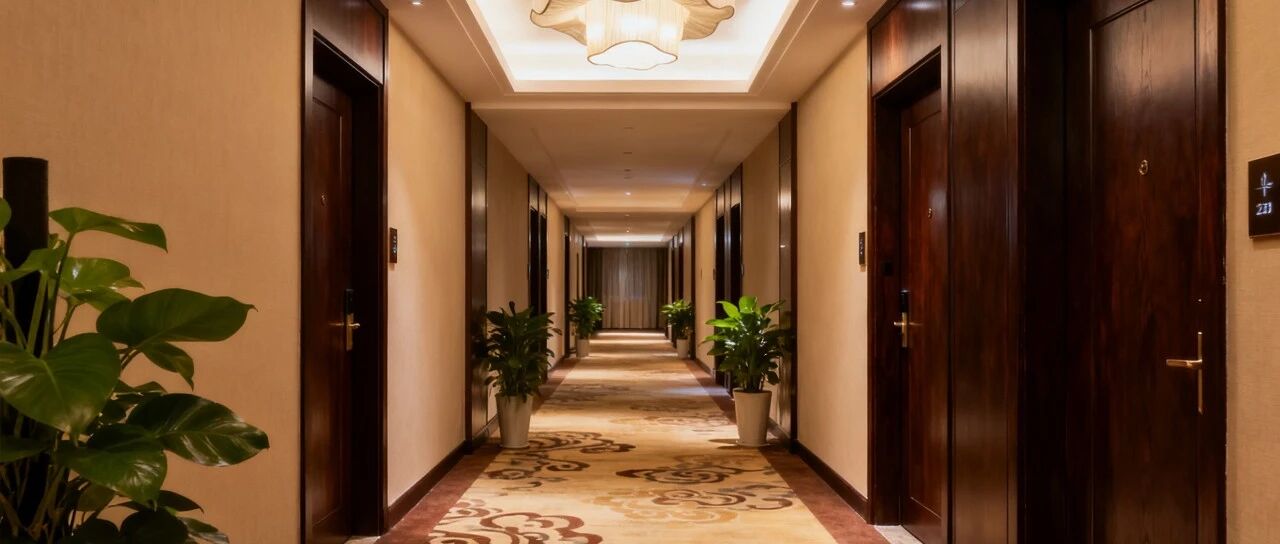
Core Viewpoint - The rise of "building-sharing" hotels in China reflects a shift in the hotel industry from expansion to survival in a competitive market, offering consumers better choices and cost-effectiveness while addressing the challenges of high investment and limited locations [3][19][21]. Group 1: Market Trends - The "building-sharing" model is rapidly gaining popularity, with multiple hotel brands coexisting within the same building, creating a "vertical hotel cluster" phenomenon [9][19]. - Consumers appreciate the increased choice and cost-effectiveness of this model, as it allows them to easily switch between different hotel brands without the hassle of moving to another location [13][19]. - The model reduces transaction costs for consumers, enabling them to compare and decide among various brands in a single location [13][21]. Group 2: Economic Context - The Chinese hotel industry is facing a harsh reality of declining occupancy rates and prices, with a reported 8% year-on-year drop in RevPAR during the summer of 2025, and some regions experiencing price declines of 20% to 30% [19][21]. - The "building-sharing" model emerges as a response to the high investment barriers and long payback periods associated with traditional hotel operations [21][23]. Group 3: Operational Advantages - The model allows for shared facilities among different hotel brands, enhancing operational efficiency and reducing vacancy risks for property owners [21][23]. - Consumers benefit from a diverse range of services and amenities, as brands compete to offer better experiences, leading to a richer service environment [15][21]. Group 4: Challenges and Risks - Despite its advantages, the "building-sharing" model faces potential issues such as brand conflicts, service fragmentation, and management difficulties, which could impact its sustainability [25][26]. - The blending of different hotel brands may dilute the unique characteristics of higher-end brands, leading to concerns about customer experience and loyalty [26][30]. - Safety and security concerns arise from shared spaces, as incidents in similar setups have highlighted the risks associated with multiple brands operating in close proximity [30][31].
00后,出手整治酒店涨价
Sou Hu Cai Jing· 2025-10-06 08:06
Core Viewpoint - The hotel industry significantly raises prices during the National Day holiday, often resulting in hotel costs far exceeding the savings from toll-free highways [1][4]. Group 1: Hotel Pricing Dynamics - Hotels in popular tourist areas may increase prices by two to eight times during the holiday season [2]. - The supply of hotel rooms is fixed and cannot be increased quickly, leading to a supply-demand imbalance that drives up prices [3]. - In contrast, restaurants can adjust supply by preparing more ingredients or extending hours, which prevents them from raising prices [3]. Group 2: Changing Consumer Behavior - The post-2000 generation (00s) has developed strategies to avoid high hotel prices by camping in tourist centers, city parks, or even sleeping in cars [5][6]. - Electric vehicles are becoming a popular alternative, providing a mobile living space with amenities at a low cost, further impacting hotel demand [8][9]. - The 00s no longer view hotel stays as essential for travel, opting instead for camping and sharing tips on social media to counter hotel price hikes [11]. Group 3: Market Impact and Future Trends - The collective actions of the 00s have challenged the pricing power of hotels, indicating a shift in consumer behavior that could lead to more stable hotel pricing in the future [11][14]. - The 00s have previously influenced markets, such as the decline in value of collectible stamps and high-end liquor, showcasing their ability to impact various industries [12][13]. - If current trends continue, it is anticipated that hotels will be less likely to raise prices arbitrarily during holidays in the next decade [15].
澳门8月酒店业场所的客房平均入住率同比升至92.9%
智通财经网· 2025-10-06 06:33
Group 1: Hotel Industry Performance in August - The average hotel occupancy rate in Macau increased by 1.5 percentage points year-on-year to 92.9% in August, with a total of 1.303 million guests, representing a 3.0% increase [1] - The number of hotels providing accommodation services rose to 147, an increase of 3 hotels year-on-year, with the total number of available rooms increasing by 1.3% to 45,000 [1] - Five-star hotels had an occupancy rate of 95.7%, up by 2.2 percentage points, while four-star hotels reached 88.2%, up by 1.6 percentage points; three-star hotels saw a decline in occupancy rate to 89.9%, down by 0.9 percentage points [1] Group 2: Guest Demographics and Trends - Domestic guests from mainland China totaled 991,000, an increase of 2.4%, while international guests rose by 20.3% to 87,000, with notable increases from Thailand (up 160%), South Korea (up 6.0%), Japan (up 36.2%), Singapore (up 29.2%), and Malaysia (up 29.2%); however, Indian guests decreased by 5.7% [1] - The average length of stay for guests remained stable at 1.6 nights in August [1] Group 3: Group Tour Trends - Group travelers entering Macau totaled 162,000 in August, a year-on-year decrease of 18.8%; domestic group travelers fell by 24.0% to 142,000, while international group travelers increased by 30.2% to 14,000 [2] - For the first eight months of the year, the average hotel occupancy rate rose by 4.3 percentage points year-on-year to 89.8%, with total guests increasing by 0.1% to 9.791 million, and the average length of stay remained at 1.7 nights [2] - The total number of group travelers for the first eight months decreased by 6.1% year-on-year to 1.28 million, while international group travelers increased by 11.7% to 143,000 [2]
“十一”酒店价格反转:一线城市降价揽客,三四线涨价凶猛
Sou Hu Cai Jing· 2025-10-06 03:12
Core Insights - The hotel market in first-tier cities is experiencing a notable phenomenon where hotel prices do not increase during peak seasons, contrasting sharply with significant price hikes in third- and fourth-tier cities during the "National Day" holiday [1][8][12] Group 1: Price Trends in First-Tier Cities - In first-tier cities like Beijing, Shanghai, and Guangzhou, mid-to-high-end hotel prices have shown weak growth, with some prices even lower than regular rates during the "National Day" holiday [1][3] - For example, the JW Marriott Hotel in Shanghai had a minimum price of 1355 yuan on October 5, which decreased by 20% compared to regular prices, while the Bulgari Hotel's price dropped by 9% [3] - Economic hotels in core areas of first-tier cities also saw price declines, with some hotels like the Atour Hotel in Beijing offering rooms at 482 yuan, down 30% from regular prices [4][6] Group 2: Price Trends in Third- and Fourth-Tier Cities - In contrast, third- and fourth-tier cities have seen hotel prices surge dramatically, with some hotels experiencing price increases of 5 to 40 times compared to regular rates during the holiday [1][8][10] - For instance, a hotel in Kaifeng increased its price from 186 yuan to 1070 yuan during the holiday, marking a significant price hike [8] - The Wyndham Hotel in Guangzhou reported price drops of 25% to 50% due to weather-related cancellations, indicating a volatile market influenced by external factors [5] Group 3: Brand and Market Dynamics - High-end hotel brands in first-tier cities, such as Hilton and Sheraton, have seen price declines ranging from 12% to 39.9%, while some areas like Guangzhou experienced a 10% increase [6] - Conversely, economic hotel prices in prime locations of first-tier cities have surged, with some hotels like Vienna in Shenzhen seeing a 41.6% increase [6] - The disparity in pricing strategies between first-tier and lower-tier cities is attributed to supply and demand dynamics, with first-tier cities having a saturated hotel supply, while third- and fourth-tier cities often face shortages during peak travel times [12][13]