智能家居

Search documents
陈刚在贵港调研,强调要发展壮大现代产业推进乡村全面振兴
Guang Xi Ri Bao· 2025-08-02 01:46
Group 1 - The core focus is on the development of modern industries and the promotion of rural revitalization to achieve high-quality economic and social development in Guigang [1][3] - Emphasis on enhancing research and development efforts in traditional industries, leveraging artificial intelligence to reduce costs and increase efficiency, and improving product value and core competitiveness [2][3] - The importance of optimizing the business environment and facilitating enterprise support to promote the development of the real economy is highlighted [2][3] Group 2 - Guigang's economy has shown a positive trend in the first half of the year, achieving "double over half" growth, which is recognized as a significant accomplishment [3] - The need for comprehensive management of environmental issues, including heavy metal pollution and livestock waste, is stressed to ensure ecological safety [3] - The local government is encouraged to focus on urban development and rural revitalization, fostering new economic growth points and development momentum [3]
云米上涨2.52%,报3.25美元/股,总市值2.22亿美元
Jin Rong Jie· 2025-08-01 19:18
Core Viewpoint - Yunmi (VIOT) has shown significant financial growth, with a notable increase in revenue and net profit, reflecting its strong position in the IoT home appliance market [1] Financial Performance - As of December 31, 2024, Yunmi's total revenue is projected to reach 2.119 billion RMB, representing a year-on-year growth of 29.31% [1] - The net profit attributable to the parent company is expected to be 63.414 million RMB, marking a substantial year-on-year increase of 174.89% [1] Company Overview - Yunmi is a holding company established in January 2015 under Cayman Islands law, focusing on redefining future homes through the Internet of Things (IoT) concept [1] - The company has developed a unique IoT home platform that includes an innovative ecosystem of smart home products, along with complementary consumables and value-added services [1] Market Positioning - Yunmi's platform serves as an attractive entry point into consumers' homes, enabling them to interact with a wide range of IoT products in an intuitive and human-like manner [1] - This approach not only enhances daily life convenience and efficiency but also allows Yunmi to increase the number of household users and capture various consumption events driven by home environments [1]

萤石网络: 2025年半年度募集资金存放与实际使用情况的专项报告
Zheng Quan Zhi Xing· 2025-08-01 16:23
| 用 | | | | | | | | | | | | | | --- | --- | --- | --- | --- | --- | --- | --- | --- | --- | --- | --- | --- | | 项目 | | | | | | | | | | | | | | 智能 | | | | | | | | | | | | | | 家 | | | | | | | | | | | | | | 不 | | | | | | | | | | | | | | 居核心 否 308,526,100.00 308,526,100.00 | | 390,750,600.00 | | | | | 0.92 | 313,752,549.93 | | 5,226,449.93 | | | | 2025 年 5] | [注 | 适 | 否 | | | | | | | | | | | | | | | | | | | | | | [注 | 1] | | 关键 | | | | | | | | | | | | | | 技 | | | | | | | | | | | | | | 用 | | | | | | | | | | | | ...

萤石网络: 董事及高级管理人员离职管理制度(2025年8月)
Zheng Quan Zhi Xing· 2025-08-01 16:23
Core Points - The article outlines the management system for the resignation of directors and senior management at Hangzhou Yingshi Network Co., Ltd, aiming to enhance corporate governance and protect shareholder rights [1][2]. Group 1: General Provisions - The system is established to regulate the resignation of directors and senior management, ensuring stability in corporate governance and compliance with relevant laws and regulations [1]. - The system applies to all directors (including independent directors) and senior management personnel [1]. Group 2: Resignation Conditions and Effectiveness - Directors can resign before their term ends by submitting a written resignation report, which becomes effective upon receipt by the company [2]. - If a director resigns and causes the board to fall below the legal minimum number of members, they must continue to perform their duties until a new director is appointed [2]. - The company can dismiss directors through a shareholder resolution, effective immediately upon the resolution's adoption [2]. Group 3: Transfer Procedures and Unresolved Matters - Resigning directors and senior management must hand over all company-related documents and assets within three working days after their resignation becomes effective [4]. - If the departing personnel are involved in significant transactions, an audit committee may initiate a departure audit [4]. Group 4: Obligations of Departing Directors and Senior Management - Departing directors and senior management retain their obligations of loyalty and confidentiality even after their term ends [4]. - They are prohibited from transferring more than 25% of their shares annually during their term and cannot transfer shares within six months after leaving [5]. Group 5: Accountability Mechanism - The board will review any breaches of commitments or obligations by departing personnel and may pursue compensation for losses incurred [5][6]. - Departing personnel can appeal the board's accountability decisions within 15 days of notification [6]. Group 6: Supplementary Provisions - Any matters not covered by this system will be governed by national laws and regulations [6]. - The system and its amendments take effect upon approval by the company's board of directors [6].
萤石网络: 董事、高级管理人员及核心技术人员持股及变动管理制度(2025年8月)
Zheng Quan Zhi Xing· 2025-08-01 16:23
Core Points - The document outlines the management system for the shareholding and changes of the board members, senior management, and core technical personnel of Hangzhou Yingshi Network Co., Ltd. [1] - The system is established in accordance with various laws and regulations, including the Company Law and Securities Law of the People's Republic of China [1][2]. Summary by Sections General Provisions - The management system applies to all shares registered under the names of the company's board members, senior management, and core technical personnel [2]. - Shareholders can sell shares through the Shanghai Stock Exchange or other legally permitted methods, adhering to relevant laws and commitments regarding shareholding [2][3]. Shareholding Change Rules - Board members and senior management must be aware of laws against insider trading and market manipulation before trading shares [4]. - There are specific restrictions on share reduction, including a one-year lock-up period post-listing and a six-month restriction after leaving the company [4][5]. Reporting and Disclosure of Share Changes - Board members and senior management must notify the board secretary of their trading plans in writing before executing any trades [6][7]. - Any changes in shareholding must be reported to the board within two trading days, including details such as the number of shares held before and after the change [8]. Responsibilities and Penalties - Board members and senior management are responsible for ensuring that their relatives and associated entities do not engage in insider trading [9]. - Violations of the trading rules may result in penalties from the company and regulatory authorities, including the recovery of profits from illegal trades [9][10].
萤石网络(688475.SH)发布上半年业绩,归母净利润3.02亿元,增长7.38%
智通财经网· 2025-08-01 12:53
公告称,报告期内,公司持续聚焦核心优势,夯实技术研发,不断推出有竞争力的产品和服务;同时, 公司持续完善境内外渠道建设,持续加大境内外市场投入,优化业务结构,不断构建各类核心产品线在 境内外的品牌影响力和市场竞争力,整体经营业绩实现稳健增长。 智通财经APP讯,萤石网络(688475.SH)发布2025年半年度报告,该公司营业收入为28.27亿元,同比增 长9.45%。归属于上市公司股东的净利润为3.02亿元,同比增长7.38%。归属于上市公司股东的扣除非经 常性损益的净利润为2.98亿元,同比增长7.69%。基本每股收益为0.38元。 ...
乐歌股份:公司持有炒菜机的相关专利,商用油炸机器人的相关专利还在申请中
Mei Ri Jing Ji Xin Wen· 2025-08-01 10:13
Core Insights - The company holds patents related to cooking machines and is in the process of applying for patents for commercial frying robot technology [1][3] - The main business focus of the company remains on smart home products and overseas warehouse operations [1] Patent Information - The company has obtained a design patent for the appearance of the cooking machine (Patent No. CN202430278711.X) and a utility model patent for the detection device (Patent No. CN202421151962.2) [3] - The technology integrates AI temperature control and ingredient recognition algorithms, making it suitable for Chinese cooking scenarios [3] - The commercial frying robot has a published invention patent (Publication No. CN202410531508.8) that enables intelligent oil quantity control and optimization of frying curves, addressing issues of high energy consumption and quality control in traditional equipment [3]


萤石网络:上半年净利润3.02亿元 同比增长7.38%
Zheng Quan Shi Bao Wang· 2025-08-01 09:57
Core Insights - The company reported a revenue of 2.827 billion yuan for the first half of 2025, representing a year-on-year growth of 9.45% [1] - The net profit attributable to shareholders reached 302 million yuan, with a year-on-year increase of 7.38% [1] - Basic earnings per share stood at 0.38 yuan [1] Revenue Breakdown - The company's overseas business achieved a revenue growth rate of 25.42% year-on-year [1] - The proportion of overseas revenue in the total operating revenue increased to 38% [1]
萤石网络:2025年上半年净利润3.02亿元,同比增长7.38%
news flash· 2025-08-01 09:49
萤石网络公告,2025年上半年营业收入28.27亿元,同比增长9.45%;净利润3.02亿元,同比增长 7.38%。 ...
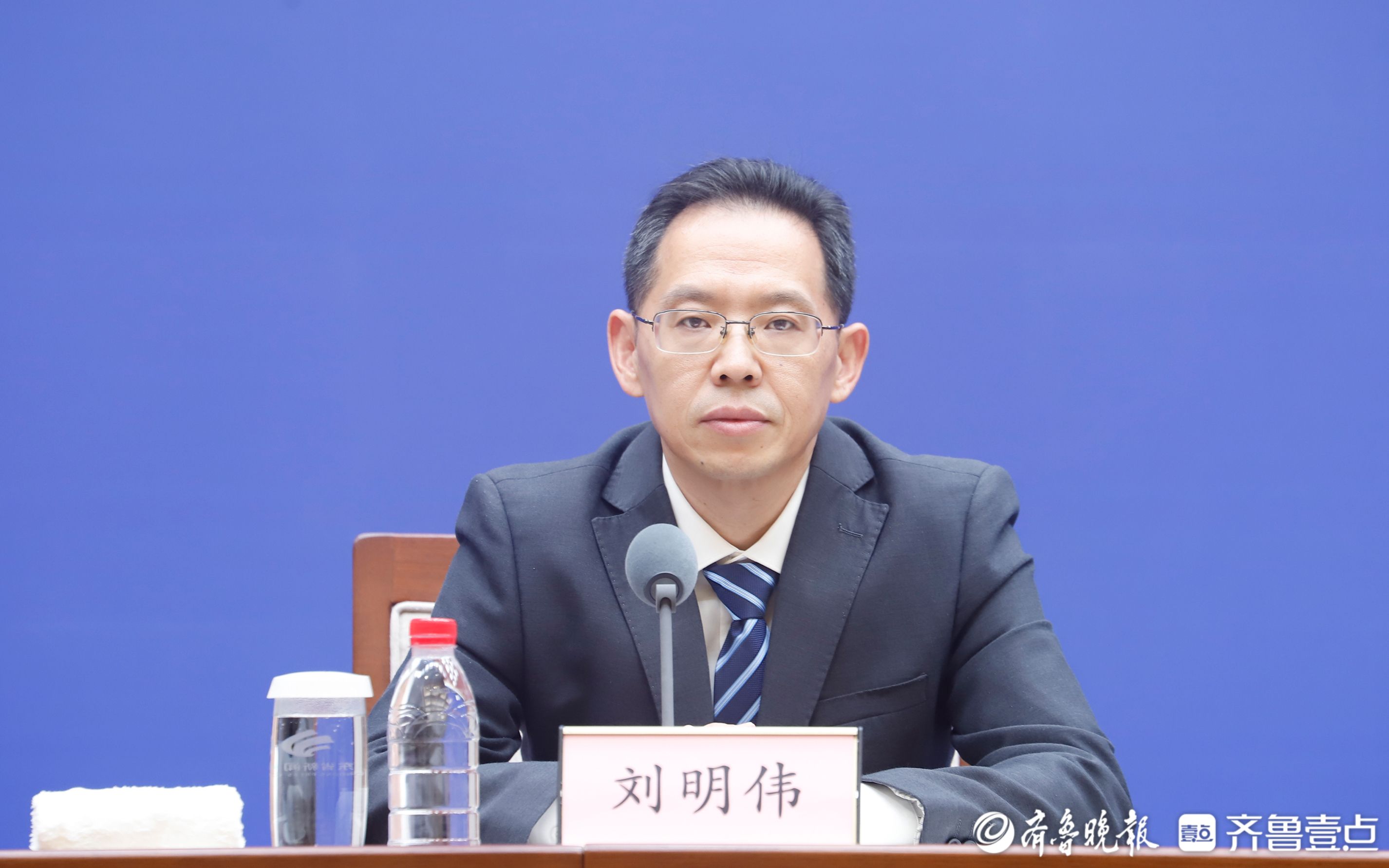
数字家庭纳入“好房子”建设,山东新建住宅全面设置这些智能产品
Qi Lu Wan Bao· 2025-08-01 08:48
Core Viewpoint - Shandong Province is advancing the construction of digital homes as part of its initiative to create resilient cities, integrating smart products and infrastructure into new residential developments [1][3][4] Group 1: Digital Home Construction - The implementation plan includes 12 key tasks, with digital home construction being a primary focus, mandating new fully furnished residences to incorporate safety and health monitoring systems [3][4] - Existing homes are encouraged to upgrade to smart products, with subsidies available for consumers purchasing smart home devices [3][4] Group 2: Infrastructure and Policy Support - The initiative is part of the "14th Five-Year Plan" for digital province construction, aiming to meet the growing digital service demands of residents [4] - A joint effort by 18 departments outlines measures to enhance infrastructure, platform development, standardization, and industry ecosystem for digital home construction [4] Group 3: Pilot Projects and Industry Collaboration - Qingdao's Chengyang District has been selected as one of the first national digital home construction pilot areas, focusing on diverse community needs [4] - The initiative promotes collaboration among leading companies like Haier and Hisense to develop a digital home industry chain and ecosystem [4]