
生物基材料

Search documents
工信部又发文!35项非粮生物基典型案例上榜,这些企业值得关注!
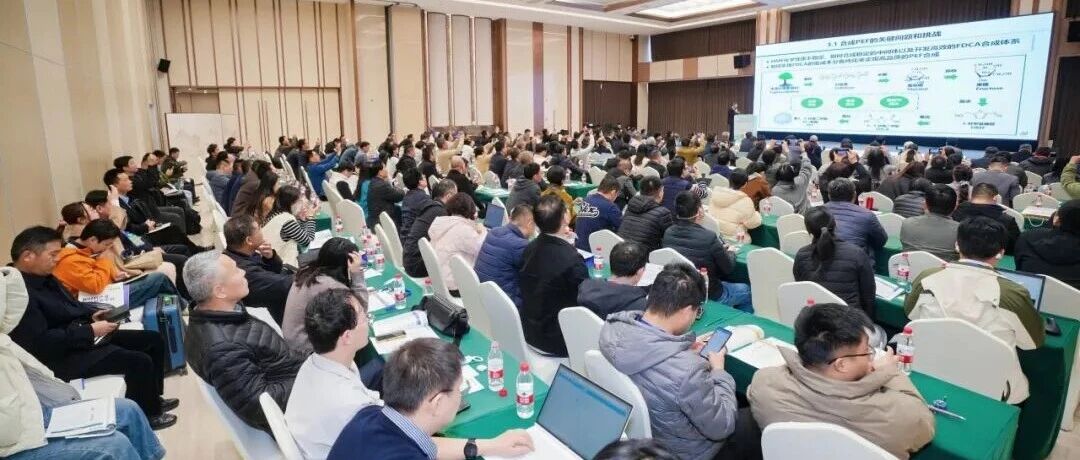
DT新材料· 2025-12-09 16:05
Core Insights - The article discusses the recent advancements in non-grain bio-based materials and technologies, highlighting key innovations and applications in the industry [5][6]. Group 1: Key Technological Innovations - A total of 25 key technological innovations have been recognized, involving companies such as Shandong Elpai Powder, Ruijia Kang Biological, and Anhui Fengyuan Biological, among others [8]. - Notable innovations include the development of high-performance silicon-carbon anode materials from agricultural waste, which enhance battery capacity and lifespan [9]. - The creation of high-yield industrial strains for non-model organisms has been achieved, facilitating the production of bio-based materials from diverse non-grain biomass [10]. Group 2: Application Scenarios - Eight companies have been recognized for their application scenarios, including Shanghai Kaisa Biological and Weifang Xinlong Biological, focusing on the use of non-grain bio-based materials in various industries [35]. - Innovations in non-grain bio-based polyamide composites have led to a 20% weight reduction in refrigerated containers, demonstrating significant cost savings [35]. - The development of biodegradable PLA water bottles has been highlighted, showcasing the potential for environmentally friendly packaging solutions [38]. Group 3: Characteristic Clusters - Two development zones have been identified as characteristic clusters for non-grain bio-based materials, namely the Guizhen Economic Development Zone and the Nanle County Advanced Manufacturing Development Zone [43]. - These clusters focus on the comprehensive utilization of biomass resources, developing technologies for cellulose conversion and fermentation processes [44].

丰倍生物:12月9日召开董事会会议
Mei Ri Jing Ji Xin Wen· 2025-12-09 12:03
Group 1 - The core point of the article is that Fengbei Bio announced a board meeting to discuss changes in registered capital, company type, and amendments to the articles of association, along with the need for business registration changes [1] - For the first half of 2025, Fengbei Bio's revenue composition is as follows: bio-based materials accounted for 79.6%, biofuels for 11.58%, oleochemical products for 8.66%, and other businesses for 0.16% [1] - As of the report date, Fengbei Bio has a market capitalization of 6.3 billion yuan [1]
工信部又发文!35项非粮生物制造典型案例上榜,这些企业值得关注!
合成生物学与绿色生物制造· 2025-12-09 11:59
Core Insights - The article discusses the announcement by the Ministry of Industry and Information Technology and the Ministry of Agriculture and Rural Affairs regarding the selection of typical cases for the innovation and development of non-grain bio-based materials, highlighting 25 key technological innovations, 8 application scenarios, and 2 characteristic gathering areas [2]. Group 1: Key Technological Innovations - A total of 25 enterprises have been recognized for their key technological innovations in non-grain bio-based materials, including companies like Shandong Elpai Powder, Wuhan Ruijia Kang Biological, and Guangdong Boxing New Materials [3]. - Shandong Elpai Powder has developed a technology for preparing silicon-carbon anode materials using agricultural straw and organic waste, addressing issues like volume expansion and conductivity [4]. - Wuhan Ruijia Kang Biological has created high-yield industrial strains and efficient genome editing technologies to produce high-purity lactic acid from non-grain biomass [5]. - Guangdong Boxing New Materials has developed high-performance light-cured resin technology from plant oils, enhancing material strength and curing speed [6]. - Heilongjiang Boneng Green Energy has implemented a circular model for processing agricultural waste into biogas, methanol, and organic fertilizers [7]. Group 2: Application Scenario Expansions - Eight enterprises have been recognized for their innovative applications of non-grain bio-based materials, including Shanghai Kaisa Biotechnology and Weifang Xinlong Biological [29]. - Shanghai Kaisa has developed high-strength, lightweight non-grain bio-based polyamide composite materials for cold chain logistics, achieving a weight reduction of 20% compared to traditional materials [30]. - Weifang Xinlong has successfully scaled up the production of inorganic flame-retardant fibers, addressing safety concerns associated with traditional flame-retardant materials [32]. - Suzhou Juwei Yuan Chuang has created green packaging solutions from brewing by-products, significantly reducing carbon emissions [33]. - Anhui Fengyuan has focused on the application of polylactic acid (PLA) in mineral water bottles, promoting environmental benefits [34]. Group 3: Characteristic Gathering Areas - The Anhui Guzhen Economic Development Zone has been recognized for its focus on the comprehensive utilization of biomass, developing a robust industrial chain from straw to polylactic acid [40]. - The Nanle County Advanced Manufacturing Development Zone has established innovation platforms for low-carbon utilization of biomass, creating a collaborative innovation environment for cellulose, hemicellulose, and lignin [42].

联泓新科,1.5亿元加码聚乳酸
DT新材料· 2025-12-08 16:05
Core Viewpoint - The company Lianhong Xinke plans to increase its investment in its subsidiary Jiangxi Academy of Biological New Materials Co., Ltd. by 150 million yuan to enhance its strategic development in biodegradable materials [2][3]. Group 1: Investment and Capital Structure - The investment will consist of 88.5 million yuan added to registered capital and 61.5 million yuan to capital reserves, aimed at improving the subsidiary's working capital and asset-liability structure [2]. - Following the capital increase, Lianhong Xinke's ownership in Jiangxi Academy will rise from 51% to 65.7%, increasing the subsidiary's registered capital from 207 million yuan to 295 million yuan [3][4]. Group 2: Business Focus and Financial Performance - Jiangxi Academy focuses on the research, production, and sales of lactic acid and polylactic acid, which are key components in the biodegradable materials sector [2]. - For the fiscal year 2024, Jiangxi Academy reported revenues of 4.836 million yuan and a net loss of 2.2296 million yuan. In the first three quarters of 2025, revenues increased to 52.8966 million yuan with a net profit of 15.7672 million yuan [5].
一个县城的"秸秆经济学":南乐如何用20年构建生物基产业闭环
合成生物学与绿色生物制造· 2025-12-08 09:12
Core Viewpoint - The article highlights the transformation of agricultural waste into a thriving bio-based materials industry in Nanle County, Henan Province, showcasing a complete industrial ecosystem that effectively addresses the challenges of technology, supply chain, and cost control [1][4][56]. Group 1: Industry Development - Nanle County has developed the first closed-loop bio-based materials industry chain in China, turning agricultural waste like straw and corn cobs into valuable products over 20 years [1][6]. - The county's wood sugar production capacity reaches 40,000 tons per year, making it the largest wood sugar production base globally [9]. - The county has established a global first non-grain crystalline glucose production line, certified by ISCC, enabling stable and large-scale conversion of non-grain raw materials into high-purity glucose [10]. Group 2: Technological Breakthroughs - Key technological advancements support each stage of the production process, with 34 proprietary intellectual property rights held by local bio-based material companies [19]. - The production of L-lactic acid has positioned Nanle County as the largest high-purity polymer-grade L-lactic acid production base globally [12]. - The county has developed a high-end polylactic acid (PLA) production technology with an annual capacity of 120,000 tons [14]. Group 3: Cost Control Measures - Nanle County has implemented five major guarantees to systematically reduce operational costs for enterprises, including raw material, land, steam, water, and electricity guarantees [21][38]. - The establishment of a steam public network provides three types of steam supply, keeping prices below 200 yuan per ton [30]. - Industrial water costs have been reduced by 60% through a circular system for industrial water, reclaimed water, and wastewater treatment [33]. Group 4: Investment Opportunities - Three key investment areas are recommended: fine chemicals and derivatives, polylactic acid and PEF fibers, and biomass energy, based on the county's industrial foundation and market demand [46]. - The fine chemicals sector has a strong market demand, particularly for bio-based fine chemicals, which are rapidly expanding under carbon reduction goals [47]. - The county's established partnerships with 128 textile and apparel enterprises create a favorable environment for businesses involved in polylactic acid fibers [48]. Group 5: Lessons from Nanle County - The success of Nanle County illustrates the importance of building a competitive industrial cluster through a comprehensive ecosystem rather than relying solely on investment attraction and policy subsidies [54]. - Key factors for success include technological breakthroughs, a closed industrial loop, cost control through public infrastructure, and strong support from technology and finance [56]. - The county's agricultural waste management, resource advantages, and supportive policies position it as a model for other regions aiming to develop similar bio-based industries [55].

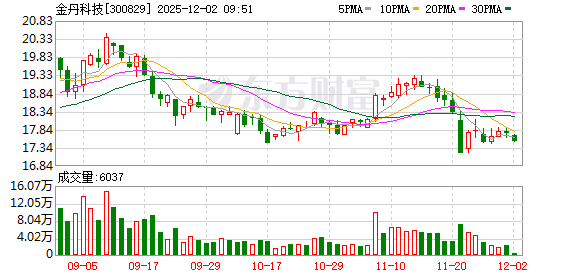
金丹科技:公司年产7.5万吨聚乳酸项目正在建设中,预计2026年6月份建设完毕
Mei Ri Jing Ji Xin Wen· 2025-12-02 04:06
Core Points - The company JinDan Technology (300829.SZ) is currently constructing a polylactic acid (PLA) project with an annual production capacity of 75,000 tons, expected to be completed by June 2026 [1][3]. Company Developments - The PLA project is significant as PLA is widely used in 3D printing applications, indicating potential market demand for the company's products [5]. - The company encourages stakeholders to monitor future announcements and regular reports for updates on major project progress [1][3].

安徽佳香生物有限公司成立 注册资本500万人民币
Sou Hu Cai Jing· 2025-12-02 00:56
Group 1 - Anhui Jiaxiang Biological Co., Ltd. has been established with a registered capital of 5 million RMB [1] - The legal representative of the company is Sun Yulin [1] - The company's business scope includes manufacturing and sales of bio-based materials, sales of communication equipment, and various other sales activities [1] Group 2 - The company is involved in the sales of industrial control computers and systems, chemical products (excluding licensed chemical products), and specialized chemical products (excluding hazardous chemicals) [1] - It also engages in import and export of goods and technology, as well as retail of daily chemical products and cosmetics [1] - The company focuses on research and development of bio-chemical products and offers a wide range of sales in hardware and daily necessities [1]
聚四海群贤,助非粮启“杭” | 第五届非粮生物质高值化利用论坛在杭州成功举办!
合成生物学与绿色生物制造· 2025-11-30 02:44
Core Insights - The "5th Non-Grain Biomass High-Value Utilization Forum (NFUCon 2025)" was successfully held in Hangzhou from November 27 to 29, focusing on the economic feasibility of non-grain biomass utilization and its related policies, technologies, and market expectations [1][3]. Group 1: Forum Overview - The forum was co-hosted by Ningbo Detaizhong Research Information Technology Co., Ltd. and the National Key Laboratory of Bio-based Transportation Fuel Technology, with over 400 industry experts and representatives attending [3]. - Key topics discussed included the high-value utilization of non-grain biomass chemicals and materials, clean pretreatment of non-grain resources, and sustainable expansion of non-grain resources [3]. Group 2: Key Presentations - Academician Ren Qilong presented advancements in non-grain biomass research, focusing on functionalization of biomass macromolecules and directed chemical conversion [6][8]. - Academician Xu Chunbao discussed the development of efficient catalytic systems for the selective conversion of glucose and fructose into HMF, which is crucial for producing bio-based chemicals [10]. - Researcher Zhu Jin highlighted the importance of bio-based polymers and recent policy developments in non-grain biomass utilization [12]. Group 3: Industry Applications - Deputy Mayor Yang Shufei introduced a complete bio-based materials industrial chain in Nanle, achieving an annual output value exceeding 3 billion yuan and creating over 12,000 jobs [14]. - Professor Xu Feng presented work on the green and efficient separation of lignin, emphasizing its applications in functional materials [16]. Group 4: Thematic Forums - The first thematic forum on non-grain biomass chemicals and materials featured discussions on biomass conversion strategies and the production of platform compounds [17][19]. - The second thematic forum on non-grain biomass energy focused on the strategic importance of cellulose ethanol and advancements in anaerobic fermentation technology [36][40]. Group 5: Sustainable Aviation Fuel (SAF) - Researcher Zhang Le emphasized that sustainable aviation fuel is a viable path for carbon reduction in the aviation industry, with multiple technological routes being explored [55]. - Manager Tang Xiao shared Axens' leading position in biomass technology and its core SAF technologies, including HEFA and Fischer-Tropsch synthesis [57]. Group 6: Youth Forum and Industry Exchange - The forum included a Youth Forum to promote visibility for young scientists in the bio-based field, featuring 21 researchers sharing their latest work [68]. - An industry exchange meeting on SAF gathered 30 participants to discuss trends, technological routes, and sustainable certification [89].
倒计时4天!2大院士领衔! 近50场报告!第五届非粮生物质高值化利用论坛,11.27-29,杭州!
合成生物学与绿色生物制造· 2025-11-23 01:58
Core Points - The "2025 (Fifth) Non-Grain Biomass High-Value Utilization Forum" will be held from November 27-29, 2025, in Hangzhou, Zhejiang, focusing on innovations and commercialization in the non-grain biomass sector [2] - The forum aims to promote large-scale applications of non-grain biomass utilization to support carbon neutrality goals [2] Event Details - The forum will feature nearly 50 reports discussing key strategic directions such as green pretreatment of biomass, non-grain sugars, biomass-based chemicals and materials, and biomass energy including methanol, fuel ethanol, biogas, and sustainable aviation fuel (SAF) [2] - Registration and check-in will occur on November 27 from 12:00 to 20:00, with various activities scheduled throughout the event [4][9] Organizing Institutions - The forum is co-hosted by DT New Materials and the National Key Laboratory of Biomass Transportation Fuel Technology, with notable figures from various academic and research institutions involved [8][6] Agenda Highlights - The agenda includes specialized forums on non-grain biomass chemicals and materials, as well as biomass energy, with sessions dedicated to topics like biomass methanol, fuel ethanol, and biogas [9][30] - Keynote speeches will be delivered by prominent experts, including academicians and industry leaders, discussing advancements in biomass conversion technologies and sustainable fuel production [23][30] Networking Opportunities - The forum will also host a special session for industry exchanges on sustainable aviation fuel (SAF), inviting over 20 guests from relevant sectors to discuss trends and collaborative opportunities [20][9] Technology Showcase - A technology showcase will be held to connect innovative projects with commercial potential in the biomass utilization field, encouraging industry-academia collaboration [35]

江苏淮安塑新生物有限公司成立 注册资本1000万人民币
Sou Hu Cai Jing· 2025-11-22 02:20
Core Insights - Jiangsu Huai'an Su Xin Biological Co., Ltd. has been established with a registered capital of 10 million RMB [1] - The company is engaged in the research and development, manufacturing, and sales of bio-based materials [1] - The business scope includes various technical services and the sale of specialized chemical products, excluding hazardous chemicals [1] Company Overview - The legal representative of the company is Xiang Kewei [1] - The company focuses on ecological environment materials and synthetic materials, indicating a commitment to sustainable practices [1] - The company operates under a general project framework, allowing for a wide range of business activities without the need for specific approvals [1]