
Semiconductors

Search documents
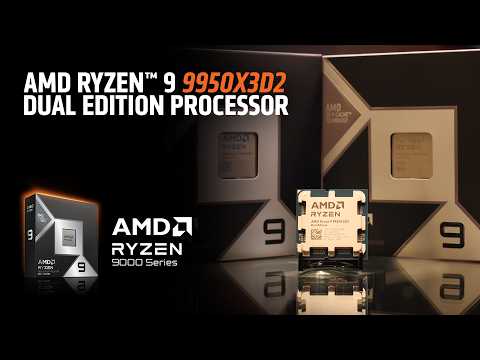
AMD Ryzen™ 9 9950X3D2 Dual Edition Processor Announcement
AMD· 2026-03-26 13:01
The world’s first dual AMD 3D V-Cache™ technology enabled processor is here. Introducing the AMD Ryzen™ 9 9950X3D2 Dual Edition processor, powered by 2nd Gen AMD 3D V-Cache™ technology across dual CCDs, built for creators and developers who demand performance without compromise. Expanded on-chip memory helps reduce latency and keep demanding workflows responsive, from complex timelines and large datasets to parallel builds and simulations. Coming soon in Q2 2026 *** Subscribe: https://bit.ly/Subscribe_to_AM ...


Intel vs AMD: Which is a Better Long-Term Buy?
Yahoo Finance· 2026-03-26 12:59
Core Insights - Intel and AMD reported contrasting Q4 earnings for fiscal year 2025, highlighting Intel's struggles in manufacturing and AI positioning versus AMD's strong performance in the data center market [1][4][5] Financial Performance - Intel's Q4 revenue was $13.67 billion, exceeding estimates by 2.14%, but down 4.1% year-over-year. The Data Center and AI segment grew 9% to $4.74 billion, while the Client Computing Group declined 8% to $8.19 billion. The foundry business incurred a $2.51 billion operating loss in Q4 [4][8] - AMD's Q4 revenue reached $10.27 billion, surpassing estimates by 5.64% and increasing 34.1% year-over-year. The Data Center segment achieved a record $5.38 billion, up 39% year-over-year, driven by EPYC server processors and Instinct GPU shipments. The Client segment grew 34% to $3.10 billion [5][8] Profitability - Intel reported a net income loss of $591 million in Q4, while AMD achieved a net income of $1.51 billion [5][8] - Intel's non-GAAP gross margin was approximately 34-40%, whereas AMD's gross margin was around 55-57% [5] Strategic Focus - Intel is heavily investing in its manufacturing capabilities, spending $4.02 billion in Q4 on capital expenditures to develop its 18A process node, which could be transformative if external foundry customers emerge [9] - AMD, operating as a fabless company, spent only $222 million in Q4 on capital expenditures, focusing resources on product design while relying on Taiwan Semiconductor Manufacturing for production [9] Market Position - Nvidia has committed a $5.0 billion equity investment in Intel to bolster its manufacturing credibility [8] - AMD's fabless model and execution are allowing it to capture AI infrastructure demand more rapidly, although it faces potential challenges from China export controls affecting MI308 GPU sales [8]

【太平洋科技-每日观点&资讯】(2026-03-27)
远峰电子· 2026-03-26 12:59
Market Overview - Major indices declined with Shanghai Composite Index down by 1.34%, Shenzhen Component down by 1.41%, and ChiNext Index down by 2.02% [1] - TMT sector led the decline, with SW LED down by 4.47%, SW Communication Application Value-Added Services down by 3.89%, and SW Vertical Application Software down by 3.48% [1] Domestic News - The Wuhu Ruijing Semiconductor project has commenced, aiming for a monthly capacity of 40,000 wafers, focusing on semiconductor discrete devices and integrated circuit chip manufacturing [2] - Xingyao Photonics plans to build the first 8-inch silicon photonic chip production line in China, expected to start production in early 2027 [2] - SEMI industry investment platform, ChipSense Technology, launched two core products for measuring micro-stress and doping concentration for advanced semiconductor processes below 7nm [2] - Four-dimensional proposed a lightweight solution for myopic lenses based on SiC waveguide chips, reducing lens thickness to 2.4mm and significantly improving impact resistance [2] Overseas News - Samsung and Microsoft are negotiating a binding cooperation model, with Microsoft set to pay over $10 billion for priority storage chip supply from Samsung over the next three to five years [3] - Lumentum completed the acquisition of Qorvo's wafer fab in Greensboro, North Carolina, planning to start UHP laser mass production by early 2028, potentially generating $5 billion in annual revenue [3] - STMicroelectronics announced price increases for multiple product lines starting April 26, 2026, due to rising semiconductor demand and increased costs from suppliers [3] - Allegro will implement at least a 10% price increase across its product line starting April 27, 2026, due to rising raw material, labor, and energy costs [3] AI News - Alibaba's AI assistant Qianwen will be integrated into Hongqi's smart cockpit, capable of understanding multiple needs simultaneously [4] - Google DeepMind launched Lyria 3 Pro, an AI music generation platform that can create complete tracks of up to three minutes [4] - Google Research released TurboQuant, a compression algorithm that could reduce memory usage in large language models by up to six times [4] - Tencent Research Institute's MiniMax open-sourced four sets of Office Skills to address the issue of AI-generated documents being undeliverable [4] Industry Tracking - China's space economy successfully launched the "Four-Dimensional High Scene No. 05 and 06 satellites" using the Long March 2D rocket [5] - Indian quantum computing company QpiAI achieved a breakthrough in quantum error correction, reducing latency to approximately 1.5 microseconds [5] - Geekplus released RoboShuttle V5, targeting logistics automation with intelligent robotic arms [5] - Shintech, a subsidiary of Shin-Etsu Chemical, announced a $3.4 billion investment to expand its production base in Louisiana [5] High-Frequency Data Updates - The international DRAM spot prices showed slight fluctuations, with DDR5 16G average price at $37.820, down by 0.91% [9] - Semiconductor material prices were reported, with 4N zinc oxide powder averaging at 1,775 yuan per kilogram [10] SEMICON - Northern Huachuang launched several new products, including a new generation of 12-inch ICP etching equipment [11] - Zhongwei Company introduced new ICP plasma etching equipment and other advanced semiconductor manufacturing tools [12] - Huahai Qingke showcased a full range of advanced semiconductor equipment and integrated solutions [12] Annual Reports - SMIC reported total revenue of 67.323 billion yuan for 2025, a year-on-year increase of 16.48% [12] - Goodix Technology achieved total revenue of 4.736 billion yuan, up 8.24% year-on-year [12] - Gigabyte reported a total revenue of 6.205 billion yuan, a significant increase of 67.89% year-on-year [12] - Xin Clean Energy reported total revenue of 1.877 billion yuan, a slight increase of 2.66% year-on-year [12]

Arm's First Chip Just Dropped—and It Could Reshape the Entire Market
247Wallst· 2026-03-26 12:58
Core Viewpoint - Arm Holdings has launched its first custom AGI CPU designed for agentic AI workloads, resulting in a 16% surge in its shares, indicating strong investor enthusiasm for this new technology [2][3][5]. Group 1: Product Launch and Market Impact - The unveiling of Arm's AGI chip marks a significant shift in the semiconductor market, potentially moving focus away from traditional large language models (LLMs) and chatbots towards agentic AI and artificial general intelligence (AGI) capabilities [3][9]. - The chip features efficiency gains and a novel thermal design, emphasizing its suitability for agent-based AI applications rather than conventional AI models [2][7]. - Investor interest in growth stocks may be reignited as Arm's announcement could reshape the semiconductor landscape amidst waning enthusiasm for traditional AI infrastructure [3][8]. Group 2: Industry Context and Future Outlook - The AGI chip's introduction comes at a time when the AI trade appears to be stagnating, suggesting that the AGI sector may be underestimated by the market [11][12]. - There is a growing sentiment that agentic AI models are approaching a level of capability that could redefine expectations for AGI, with some models potentially passing tests for generalized intelligence [12][13]. - Arm's strategic focus on agentic AI positions it as a leader in the next phase of AI development, which may lead to a significant market rotation towards this emerging technology [3][15].


U.S. Stocks May See Initial Weakness Amid Ongoing Crude Oil Volatility
RTTNews· 2026-03-26 12:55
Market Overview - Major U.S. index futures indicate a sharply lower open, with stocks expected to decline after previous session gains [1] - Continued volatility in oil prices is likely to impact Wall Street, with Brent crude futures surging over 5% after a previous drop [1] Oil Market Dynamics - Crude oil prices rebounded amid uncertainty regarding Middle East peace talks, with Iran rejecting a U.S. proposal for a ceasefire [2][8] - Reports indicate that the U.S. has sent a 15-point plan to Iran addressing ballistic missile and nuclear programs, but acceptance remains uncertain [6][7] Economic Indicators - U.S. import prices increased by 1.3% in February, significantly higher than the expected 0.5% rise, following a 0.6% increase in January [9][10] - Export prices also surged by 1.5% in February, exceeding expectations [10] Sector Performance - Biotechnology stocks saw a notable increase, with the NYSE Arca Biotechnology Index rising by 3.5% [10] - Gold prices experienced a sharp increase, contributing to strength in gold stocks, with the NYSE Arca Gold Bugs Index up by 3% [10] International Market Reactions - Asian stocks ended mostly lower due to ongoing uncertainty in the Middle East, with South Korea and Japan taking emergency measures in response to the conflict [13][14] - European stocks declined as investors reacted to the uncertainty surrounding Middle East peace talks and hawkish comments from ECB officials [20][21] Company-Specific News - Chinese Life Insurance shares fell by 4.4% following mixed financial results [15] - H & M Hennes & Mauritz shares dropped by 5.6% after Q1 sales fell short of expectations [24] - U.K. retail company Next Plc surged by 6% after raising its profit guidance for 2026 [25]

NVIDIA Owns the Spotlight, But the Smart Money is Moving Downstream
247Wallst· 2026-03-26 12:50
Core Insights - Nvidia (NVDA) continues to lead the AI chip market under CEO Jensen Huang, but the stock has recently shown a lack of momentum despite strong quarterly results [2][4] - As 2026 progresses into a 'show me' phase for AI, major investors are reducing their positions in Nvidia and reallocating capital to adjacent opportunities [2][8] Company Performance - Nvidia remains at the forefront of the AI chip race, with significant investments in next-generation technologies, yet the stock has not gained traction following a strong quarter [4][6] - The recent trading activity indicates a mix of buying and selling among major investors, with some looking for less obvious AI winners downstream [5][14] Investment Trends - Investors are diversifying their AI chip investments beyond Nvidia, recognizing that it may not be the only significant player in the evolving AI landscape [7][14] - Companies like Coherent (COHR), Lumentum (LITE), and CoreWeave (CRWV) are highlighted as potential investment opportunities, particularly in the context of Nvidia's recent investments [10][11] Market Dynamics - The focus in 2026 is shifting towards monetization and prudent capital expenditure in AI infrastructure, which may help prevent a market bubble [8][9] - E-commerce and autonomous driving sectors are emerging as attractive areas for investment, with firms like Coupang (CPNG) and Pony AI (PONY) being noted for their potential [13][14]

英伟达AI“帝国”B面:20年收购史的“克制和清醒”
2 1 Shi Ji Jing Ji Bao Dao· 2026-03-26 12:49
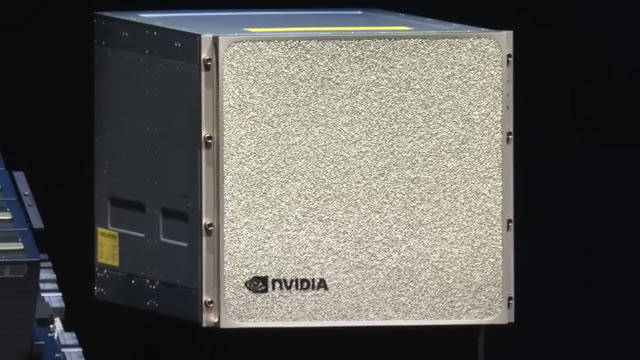
Core Insights - Nvidia's strategy has evolved from being a GPU manufacturer to becoming a comprehensive AI infrastructure architect, focusing on a complete ecosystem around computing power, networking, and software platforms [2][12] - Recent investments, including $2 billion each in Lumentum and Coherent, highlight Nvidia's proactive positioning in critical segments of AI infrastructure [2] - The company's acquisition strategy has been characterized by a disciplined approach, targeting key technological nodes and industry transitions rather than merely expanding scale [2][12] Acquisition Strategy Evolution - Nvidia's early acquisitions were aimed at consolidating its GPU dominance, starting with the $70 million acquisition of 3dfx in 2000, which eliminated a major competitor and established its leadership in the GPU market [3] - Between 2004 and 2009, Nvidia expanded its GPU capabilities through various acquisitions, including PortalPlayer for mobile computing and Mental Images for ray tracing technology [3][4] - A shift occurred post-2010, where Nvidia's acquisition strategy became more aggressive and diversified, attempting to enter the mobile communication market with the $367 million acquisition of Icera, which ultimately failed [5][6] Data Center and Regulatory Challenges - The acquisition of Mellanox for $6.9 billion in 2019 marked a pivotal moment, transitioning Nvidia from a GPU manufacturer to a provider of complete data center solutions, significantly enhancing its networking capabilities [6][8] - The failed $40 billion acquisition of Arm in 2020 due to regulatory hurdles led Nvidia to adjust its strategy towards more flexible capability enhancement and ecosystem binding [7][8] - From 2019 to 2022, Nvidia solidified its data center capabilities while pivoting towards a full-stack AI infrastructure platform, making data center business a core growth engine [8][10] AI Ecosystem Focus - In recent years, Nvidia has accelerated its acquisition strategy, focusing on AI software and computing orchestration, with 83 investment actions involving 76 companies by December 2025 [10][12] - Key acquisitions include OmniML for model inference efficiency and Run:ai for AI workload scheduling, which enhance Nvidia's capabilities across the AI development lifecycle [10][11] - The company has adopted a "class acquisition" model, integrating technology and teams without traditional full acquisitions, effectively managing regulatory pressures while enhancing its technological edge [11][12] Future Outlook - Nvidia's future acquisitions will continue to focus on AI ecosystems, particularly in AI inference, computing orchestration, data security, and foundational software [13] - The company aims to optimize its "class acquisition" model to further solidify its leadership in AI computing power amidst regulatory and competitive challenges [13]
NVIDIA Accused of Hiding $1B Crypto Mining Revenue as 'Gaming' — Lawsuit Moves Forward After Supreme Court Snu
Yahoo Finance· 2026-03-26 12:45
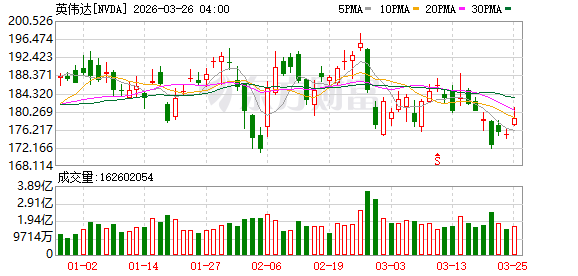
Core Viewpoint - NVIDIA Corporation and its CEO, Jensen Huang, are facing a class-action lawsuit for allegedly concealing over $1 billion in GPU sales related to cryptocurrency mining during the 2017-2018 boom, raising concerns about the company's historical reliance on the crypto market [1][7]. Group 1: Lawsuit Details - The lawsuit claims NVIDIA misclassified significant revenue from crypto mining under its Gaming segment, misleading shareholders about the sustainability of its growth and downplaying exposure to the volatile crypto market [2]. - Plaintiffs, led by a Swedish investment firm, argue that NVIDIA executives knowingly understated the impact of crypto miners on gaming segment revenue [2]. - Internal documents and testimonies suggest NVIDIA earned between $1.1 billion and $1.35 billion more from crypto-related GPU sales than publicly disclosed, primarily through GeForce gaming cards sold to miners [3]. Group 2: Market Impact - The lawsuit alleges that the majority of crypto-related sales were through consumer GeForce cards, particularly in high-demand markets like China [4]. - Following a crash in crypto prices in late 2018, NVIDIA reduced its revenue guidance due to excess inventory and declining miner demand, resulting in a stock drop of over 28.5% in just two trading days [4]. - This decline led to a significant loss in market value and triggered the original lawsuit in 2018 [4]. Group 3: Legal Proceedings - Judge Haywood S. Gilliam Jr. certified the class after NVIDIA could not demonstrate that its statements had no effect on its stock price [5]. - An internal email from a senior vice president indicated that the company's valuation remained high due to public assurances regarding its business [5]. - A case management conference is scheduled for April 21, 2026, as the lawsuit progresses [5].
Nvidia's Networking Revenue Just Grew 263%. The AI Trade Is No Longer Just About GPUs.
Yahoo Finance· 2026-03-26 12:45
Group 1: AI Opportunity and Nvidia's Role - The artificial intelligence (AI) opportunity is significantly driven by the increasing demand for Nvidia's graphics processing units (GPUs), but effective AI also requires more than just advanced chips [1] - Nvidia's networking revenue surged by 263% year over year, indicating that the construction of AI data centers is generating substantial demand across the supply chain [2] - Nvidia's stock has increased by 1,100% since 2022, largely due to the launch of OpenAI's ChatGPT, highlighting the company's critical role in AI advancement beyond just GPUs [4] Group 2: Nvidia's Financial Performance - Nvidia's networking revenue reached $11 billion last quarter, fueled by strong demand for its NVLink, Spectrum-X Ethernet, and InfiniBand products, which are essential for connecting GPUs [5] - The company's data center revenue grew by 75% year over year last quarter, with CEO Jensen Huang projecting $1 trillion in cumulative orders for its upcoming GPUs through 2027 [5] - Nvidia is currently trading at a low valuation of 21 times this year's earnings estimate, suggesting potential undervaluation relative to its long-term growth prospects [6] Group 3: Arista Networks and Market Position - Arista Networks experienced a record year in 2025, with revenue increasing by 29% year over year to reach $9 billion, capitalizing on the AI demand [7] - The company specializes in high-performance Ethernet switches and differentiates itself with its EOS software platform, which operates the entire network [8] - Arista's AI networking revenue was $1.5 billion in 2025, with expectations to more than double to $3.2 billion in 2026 [8]
GCT Semiconductor Holding, Inc. Q4 2025 Earnings Call Summary
Yahoo Finance· 2026-03-26 12:30
Core Insights - The company has successfully transitioned from a 5G development phase to early-stage commercialization, evidenced by the shipment of over 1,900 5G chipsets in Q4 2025 [1] - The performance of the 5G platform has been validated through the live network launch of Gogo's broadband air-to-ground service, serving as a critical proof point for attracting other potential customers [1] - A strategic ecosystem has been expanded by signing a licensing agreement with a major satellite communications provider to integrate 4G and 5G chipsets into global satellite-terrestrial equipment [1] - A partnership has been formed with Skylo to pursue chipset and module certification, targeting seamless global connectivity for next-generation cellular-to-IoT devices [1] - The company reported a 69% year-over-year revenue decline, attributed to a temporary gap created by the transition from legacy 4G products to next-generation 5G platforms [1] - Financial flexibility has been strengthened through a $20 million convertible note facility and an at-the-market equity program to support the upcoming production ramp [1]