
Banking

Search documents
BNP Backs Gold to Hit $6,000 an Ounce as Rally ‘Makes Sense’
Yahoo Finance· 2026-02-10 09:11
Core Viewpoint - Gold is projected to reach $6,000 an ounce by the end of the year, driven by ongoing macroeconomic and geopolitical risks, with a rising gold-silver ratio indicating a preference for gold over silver for risk protection [1]. Group 1: Gold Market Insights - BNP Paribas's David Wilson highlights that the gold-silver ratio has rebounded, although it remains below its two-year average in the 80s [1]. - Continued central bank purchases, such as Poland's recent announcement to buy an additional 150 tons of gold, support the positive outlook for gold [1]. - Steady inflows into gold ETFs have been observed, with only a minor drop during a recent market correction [1]. Group 2: Silver Market Dynamics - Silver has experienced significant volatility recently, primarily due to strong physical buying in Asia [3]. - The physical silver market is showing signs of softening as supplies are moving into Europe and Asia [3]. - Anticipation of the Lunar New Year holiday is expected to further reduce demand for silver in China [3]. Group 3: Institutional Support - Major banks and asset managers, including Deutsche Bank and Goldman Sachs, support the recovery of bullion due to long-term demand factors [2]. - The Chinese central bank has extended its gold buying streak to 15 consecutive months, indicating robust official demand [2].

Third Avenue Value Fund Q4 2025 Commentary
Seeking Alpha· 2026-02-10 06:20
Performance Overview - The Third Avenue Value Fund achieved a return of 7.47% for the three months ended December 31, 2025, outperforming the MSCI World Index at 3.12% and the MSCI World Value Index at 3.34% [3] - For the year-to-date period, the Fund returned 35.46%, significantly higher than the MSCI World Index and MSCI World Value Index, which returned 21.09% and 20.79%, respectively [3] - Annualized performance for the trailing three-year and five-year periods was 16.76% and 18.00%, respectively [3] Key Contributors to Performance - Warrior Met Coal was the largest contributor to the Fund's performance, followed by Lundin Mining and Capstone Copper [4] - Bank of Ireland and Horiba also made significant positive contributions during the quarter [4] - Warrior Met Coal began commercial-scale mining at its Blue Creek project ahead of schedule, positively impacting revenue and cash flow [5] European Holdings - The Fund's Western European holdings, including Bank of Ireland, Buzzi Spa, and BMW, contributed positively to performance [6] - A weaker U.S. dollar enhanced returns for euro-denominated investments, which comprise over 70% of the portfolio [6] Banking Sector Insights - Bank of Ireland and Deutsche Bank have improved their operating performance, leading to better valuations and increased returns on capital [7] - Deutsche Bank shares traded above book value for the first time since the global financial crisis, marking a significant milestone [8] Copper Market Dynamics - Lundin Mining and Capstone Copper were significant contributors to performance, driven by the indispensable nature of copper in modern economies [9] - The supply of copper has proven challenging to increase, leading to a looming supply gap as demand accelerates [13] Japanese Investments - The performance of Japanese investments was mixed, with Horiba contributing positively while JEOL detracted from performance [15] - Subaru performed well despite concerns over U.S. import tariffs, achieving a total return of 26.28% in 2025 [16] Energy Sector Performance - The Fund's oil and gas-related businesses did not perform well in 2025, with significant headwinds affecting offshore energy service sectors [21] - Delays in offshore projects and changes in spending by major producers created challenges for the sector [21] Resource Conversion Activities - The Fund engaged in robust resource conversion activities, including acquisitions and divestitures, to enhance shareholder value [27] - Harbour Energy executed several strategic transactions, significantly shifting its production base and improving its financial position [28] New Investments - The Fund initiated a position in T.S. Lines Ltd., a container shipping company focused on routes within the Asia-Pacific region, which is expected to benefit from growing trade activity [35] - T.S. Lines has a strong balance sheet and operates a younger fleet, positioning it well for future growth [37]



CA Markets:美国2月非农数据重磅来袭,美联储政策转向悬念待解
Sou Hu Cai Jing· 2026-02-10 02:01
Core Viewpoint - The upcoming U.S. non-farm payroll data for February is critical for determining the Federal Reserve's short-term interest rate policy, with expectations leaning towards stagnation in job growth and a steady unemployment rate around 4.4% [1][2][6]. Employment Data Context - January's employment data showed a significant slowdown, with only 22,000 jobs added in the private sector, far below the expected 48,000, marking the lowest since 2021 [2][6]. - A record 108,435 layoffs were announced in January, a 118% increase from the previous year, indicating a concerning trend in the labor market [2][4]. - Initial jobless claims rose to 231,000 by the end of January, exceeding market expectations, further confirming the cooling labor market [2][4]. Market Expectations - The consensus among market participants is that February's non-farm payrolls will show job growth stagnating between 60,000 to 80,000, with a risk of falling below 60,000, which would signal significant weakness [6][7]. - The unemployment rate is expected to remain at 4.4%, with average hourly earnings growth projected to stay between 4.4% and 4.5%, reflecting persistent wage pressures [6][7]. Federal Reserve Policy Implications - Non-farm payroll data is a key indicator for the Federal Reserve's dual mandate of maximizing employment and stabilizing prices, directly influencing interest rate decisions [3][4]. - A weak jobs report could lead to a dovish shift in Fed policy, increasing expectations for rate cuts later in the year, while a strong report may reinforce a hawkish stance, delaying any rate cuts [3][11]. Scenario Analysis - **Weak Data Scenario**: If non-farm payrolls are below 60,000, the unemployment rate is above 4.5%, and wage growth is below 4.3%, this would likely lead to a dovish shift in Fed policy, boosting market risk appetite [9][10]. - **Strong Data Scenario**: Conversely, if job growth exceeds 80,000, the unemployment rate is below 4.3%, and wage growth is above 4.6%, the Fed may maintain a hawkish stance, leading to market pressure [11][12]. Institutional Perspectives - Most institutions predict a weak jobs report, with expectations that the Fed will gradually shift towards a dovish stance, although concerns about persistent inflation remain [13][14]. - Specific forecasts include Goldman Sachs predicting 70,000 new jobs and a steady unemployment rate, while Morgan Stanley suggests a more cautious outlook with potential job growth below 50,000 [7][13]. Investment Strategies - Short-term traders should focus on immediate market reactions post-data release, adjusting positions based on the report's outcome [14]. - Long-term investors are advised to consider the broader implications of Fed policy trends, potentially positioning in U.S. Treasuries and equities that are undervalued [14][17].
The 10 Stocks to Watch On the Market Rebound
Small Caps· 2026-02-10 00:13
Market Overview - Markets have stabilized after a sharp correction due to the RBA's hawkish stance, leading to a selective recovery focused on balance sheet strength and pricing power [1][3][5] - The current market environment is characterized by a preference for businesses that can operate under restrictive policy settings, with models reliant on cheap funding under pressure [5][19] Sector Leadership - Leadership has re-emerged in materials, financials, and defensives, with high-conviction positions identified in companies such as Transmetro Corporation, Orica, and GenusPlus Group [2][20] - The materials sector remains central to investment strategies, supported by structural demand for precious and base metals, particularly gold and copper [13][15] Company Insights - **Transmetro Corporation (ASX: TCO)**: Strong balance sheet with cash exceeding debt, earnings per share (EPS) increased from $0.15 to $0.22, and revenue rose to $24.64 million, trading at a lower earnings multiple than the sector [26][27] - **Orica (ASX: ORI)**: Critical supplier to the mining industry with $8.14 billion in sales, recent equity raising strengthens the balance sheet, and analysts have raised EPS expectations [29][30] - **GenusPlus Group (ASX: GNP)**: Positioned for growth in energy transition, with a 35% increase in normalized EBITDA and strong revenue growth from major contracts [34][36] - **Perenti (ASX: PRN)**: Revenue reached $3.49 billion with over 26% year-on-year earnings growth, management's confidence reflected in share buybacks [39] - **IVE Group (ASX: IGL)**: Offers a near 6% dividend yield with stable cash generation, trading on a low earnings multiple relative to growth outlook [41][42] - **Korvest (ASX: KOV)**: Strong first-half results with double-digit revenue growth, benefiting from infrastructure activity [43][44] - **Newmont Corporation CDI (ASX: NEM)**: Preferred large-cap vehicle for gold exposure, with strong returns linked to rising gold prices [57][59] - **Emerald Resources (ASX: EMR)**: High-conviction small to mid-cap gold name with strong cash generation and growth forecasts [63][64] Investment Strategy - The market is rewarding execution, balance sheet strength, and tangible earnings, with a focus on sectors where demand is structural and pricing is global [20][65] - Selectivity is emphasized as the primary source of returns, with a preference for companies that can withstand higher capital costs [66]

NatWest Group plc (NWG) M&A Call Transcript
Seeking Alpha· 2026-02-09 22:04
Core Viewpoint - The acquisition of Evelyn Partners for GBP 2.7 billion positions the company as the leading private banking and wealth management firm in the U.K., enhancing its strategy by tapping into a growing market supported by favorable demographic, regulatory, and technological trends [2]. Company Overview - Evelyn Partners is a prominent financial planning and investment management firm with a 180-year history, a loyal client base, and a strong cultural alignment with the acquiring company [3]. - The firm operates a regional network of 21 offices and employs 270 financial planners and 325 specialist investment managers, along with a well-regarded direct-to-consumer investment platform, Bestinvest [3]. Financial Performance - In 2025, Evelyn Partners reported an income of GBP 509 million and an EBITDA of GBP 179 million, achieving a margin of 35% [3]. - The firm has successfully attracted net new inflows of GBP 1.6 billion, indicating strong prospects for future growth [3].


Freedom Holding Corp. Reports Third Quarter Fiscal Year 2026 Financial Results
Businesswire· 2026-02-09 21:45
Core Insights - Freedom Holding Corp. reported its financial results for the third quarter of fiscal year 2026, showing total revenue of $628.6 million, a decrease from $664.6 million in the same quarter of the previous year [1][2] - The company experienced a net income of $76.2 million for the third quarter, compared to $78.1 million in the prior year [1][2] - Customer growth was significant, with brokerage customers increasing by 145,000 to a total of 828,000, and banking customers rising by two million to 4.5 million [1] Financial Overview - Three Months Ended December 31, 2025 - Total revenue for the quarter was $628.6 million, down from $664.6 million, influenced by higher net gains in foreign exchange operations and derivatives, but offset by declines in insurance premiums and trading securities [1][2] - Net gain on foreign exchange operations increased to $45.8 million from $3.9 million, primarily due to currency revaluation [1][2] - Interest income rose to $228.8 million, a 2% increase, driven by higher loan portfolio activity [1][2] - Insurance premiums earned decreased by 40% to $106.9 million, attributed to regulatory caps on commissions affecting new business volumes [1][2] - Total expenses were approximately $534.7 million, down from $566.3 million, mainly due to higher payroll and administrative costs [1][2] Financial Overview - Nine Months Ended December 31, 2025 - Total revenue for the nine months was $1,688.2 million, a slight decrease from $1,705.7 million, with notable declines in insurance premiums and interest income [2] - Realized gains on trading securities for the nine months reached $126.2 million, primarily from Kazakhstani corporate debt sales [2] - Interest income for the nine months was $639.0 million, down 3% due to a significant decrease in trading securities income [2] - Total expenses increased to approximately $1,493.2 million from $1,437.3 million, driven by higher payroll and insurance claims [2] - Net income for the nine months was $145.4 million, down from $226.9 million in the previous year [2] Customer Growth - The company reported a total of 828,000 brokerage customers, an increase of 145,000 over the past nine months [1] - Banking customers rose to 4.5 million, reflecting a growth of two million customers [1] - Insurance and other segments also saw customer increases of 8,000 and 92,000, respectively [1]


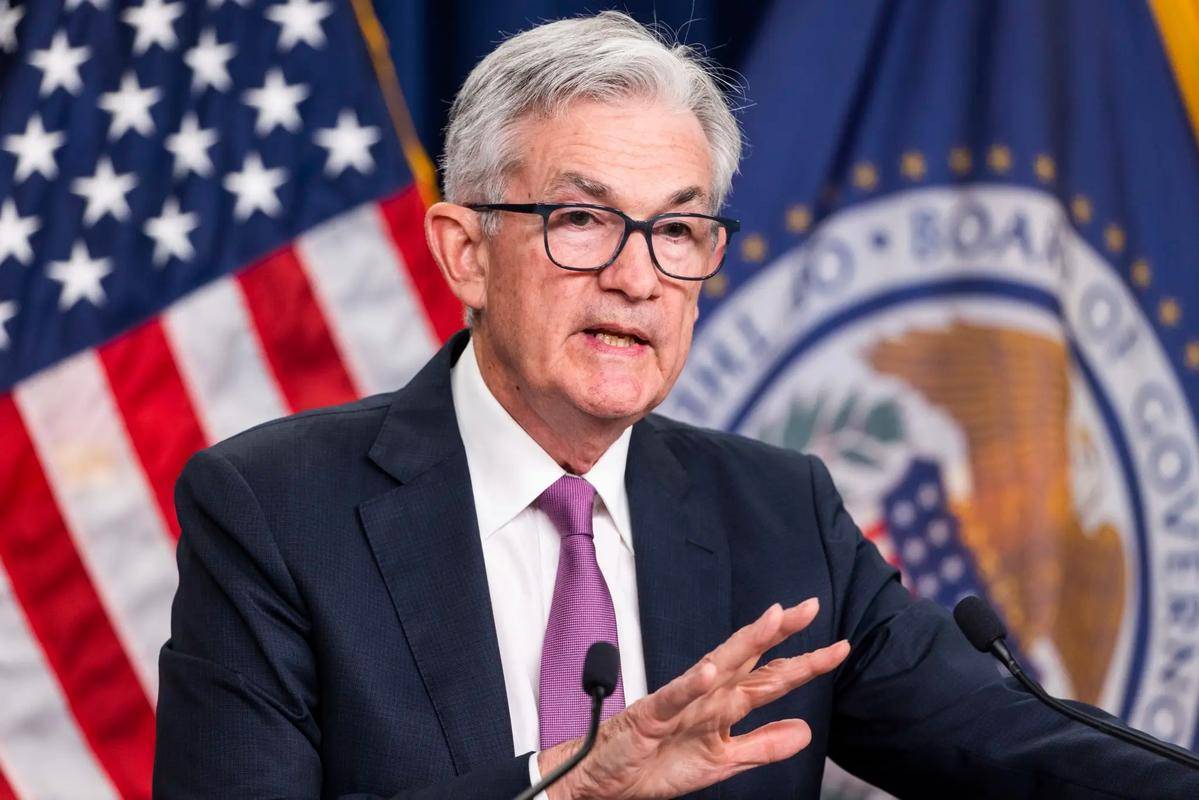
Warsh Will Face Challenges Shrinking Fed's Portfolio, Citi Says
MINT· 2026-02-09 19:47
Core Viewpoint - Federal Reserve Chair nominee Kevin Warsh is expected to adopt a gradual approach to reducing the central bank's $6.6 trillion portfolio to prevent renewed tensions in the money markets [1] Group 1: Balance Sheet Management - Any attempt to resume unwinding the Fed's balance sheet, known as quantitative tightening, could lead to pressures in the $12.6 trillion repurchase market [2] - The Federal Open Market Committee (FOMC) is likely to prefer a gradual approach to balance sheet management to avoid volatility similar to that experienced in October 2025 [3] - Warsh has advocated for significantly reducing the Fed's financial footprint, which expanded due to asset purchases during the global financial crisis and the COVID-19 pandemic [3] Group 2: Current Strategies and Options - The Fed halted the reduction of its portfolio after an increase in government borrowing caused a cash squeeze in money markets, leading to a pivot towards monthly Treasury bill purchases [4] - A Warsh-led Fed could consider options such as reducing the weighted average maturity of its holdings by rolling longer-maturity Treasury securities into short-dated debt [5] - The Fed may also decrease its T-bill purchases from approximately $40 billion per month or allow its mortgage-backed securities to roll off [6] Group 3: Future Projections - An analysis from Citi indicates that even if the Fed stops its purchases by June, reserves are unlikely to decline significantly by December 2026, with a projected reduction in purchase pace to about $20 billion per month starting in mid-April [7] - The New York Fed anticipates that reserve management purchases will remain high for a few months to counter expected increases in non-reserve liabilities during the tax season [8] - The minutes from the December FOMC meeting revealed a preference for T-bill purchases to shift the Fed's portfolio composition towards Treasury securities [9]


Airlines can no longer refuel on island as US blockade deepens energy crisis: Cuba
ABC News· 2026-02-09 18:43
Core Viewpoint - Cuban aviation officials have issued a warning regarding a fuel shortage for airlines, which is part of a broader energy rationing effort due to U.S. sanctions impacting Cuba's fuel resources [1][3]. Aviation Industry Impact - Airlines have been notified of the fuel shortage, which is unprecedented for Cuba, a country already familiar with crises [2]. - The fuel rationing is expected to affect long-haul flights from countries like Russia and Canada, crucial for Cuba's tourism economy, while shorter regional flights may not be significantly disrupted [4]. - Air Canada has announced the suspension of flights to Cuba in response to the fuel shortage [4]. Economic Consequences - The fuel shortage poses a significant challenge to Cuba's tourism sector, which previously generated $3 billion annually [6]. - The energy crisis has led to the suspension of major cultural events and reduced bank operating hours, further straining the economy [6][7]. - Public transportation in Havana has been severely affected, with the bus system nearly non-functional due to power outages and fuel shortages [6]. Government Response - Cuban President Miguel Díaz-Canel has acknowledged the crisis and indicated that further measures will be implemented [8]. - U.S. sanctions have intensified, particularly following political changes in Venezuela, exacerbating Cuba's economic difficulties [8]. Social Impact - The ongoing crisis has resulted in power outages lasting up to 10 hours, fuel shortages, and a lack of essential goods, reminiscent of the economic depression during the 1990s [9].

X @Watcher.Guru
Watcher.Guru· 2026-02-09 17:28
JUST IN: World's biggest YouTuber MrBeast acquires banking app 'Step.' https://t.co/atVpM6fIz9 ...
How to save for a down payment
Yahoo Finance· 2026-02-09 16:19
Core Insights - Rising mortgage rates may benefit savings, with some banks offering up to 4% annual percentage yield (APY) on select accounts [1] - The median down payment for all homebuyers is 19%, while first-time homebuyers typically make a median down payment of 10% [1] Down Payment Insights - The median home price in the U.S. was $414,900 in Q4 2025, with regional variations; for instance, the Northeast had a median price of $514,600, while the Midwest was at $317,100 [3] - Most mortgage down payment requirements are lower than the commonly cited 20%, with conventional mortgages requiring as little as 3% down and FHA loans requiring 3.5% down depending on credit score [4][6] Homeownership Challenges - 52% of aspiring homeowners view down payment and closing costs as significant obstacles to homeownership [5] - Additional costs to consider include home insurance, maintenance, and property taxes [5] Saving Strategies - Strategies for saving for a down payment include maximizing savings, reducing everyday expenses, and applying for down payment assistance [6] - Automating savings deposits can help ensure regular contributions to a down payment fund [7] - Exploring additional income sources or side hustles can also aid in saving for a down payment [8][10] Assistance Programs - Down payment assistance programs are available for first-time buyers, often in the form of deferred loans or grants, with varying eligibility requirements [11] Expense Management - Reducing discretionary spending and negotiating bills can help save for a down payment [18] - Moving in with family or roommates is a strategy that 64% of Americans are willing to consider for more affordable housing [12] Financial Planning - Establishing a reasonable timeline for saving for a down payment is crucial, influenced by the amount to be put down and monthly savings capacity [19] - Understanding the trade-offs of lower down payments and higher mortgage rates is essential for achieving homeownership goals [20] Additional Costs - Other costs associated with home buying include closing costs (2% to 5% of the principal), mortgage reserves, maintenance costs averaging $8,808 annually, home insurance averaging $2,424 per year, and moving expenses averaging $1,705 [20]