
显示面板

Search documents
深天马A(000050.SZ):显示产品有在客户具备AI功能的智能手机和IT终端上应用,暂未应用在AI眼镜
Ge Long Hui· 2025-07-31 07:07
Group 1 - The company has indicated that its display products are being applied in AI-enabled smartphones and IT terminals, but not yet in AI glasses [1] - The company will closely monitor the development of AI technology across various fields to seize related display demands [1]

深天马、京东方精电供屏理想i8
WitsView睿智显示· 2025-07-30 10:14
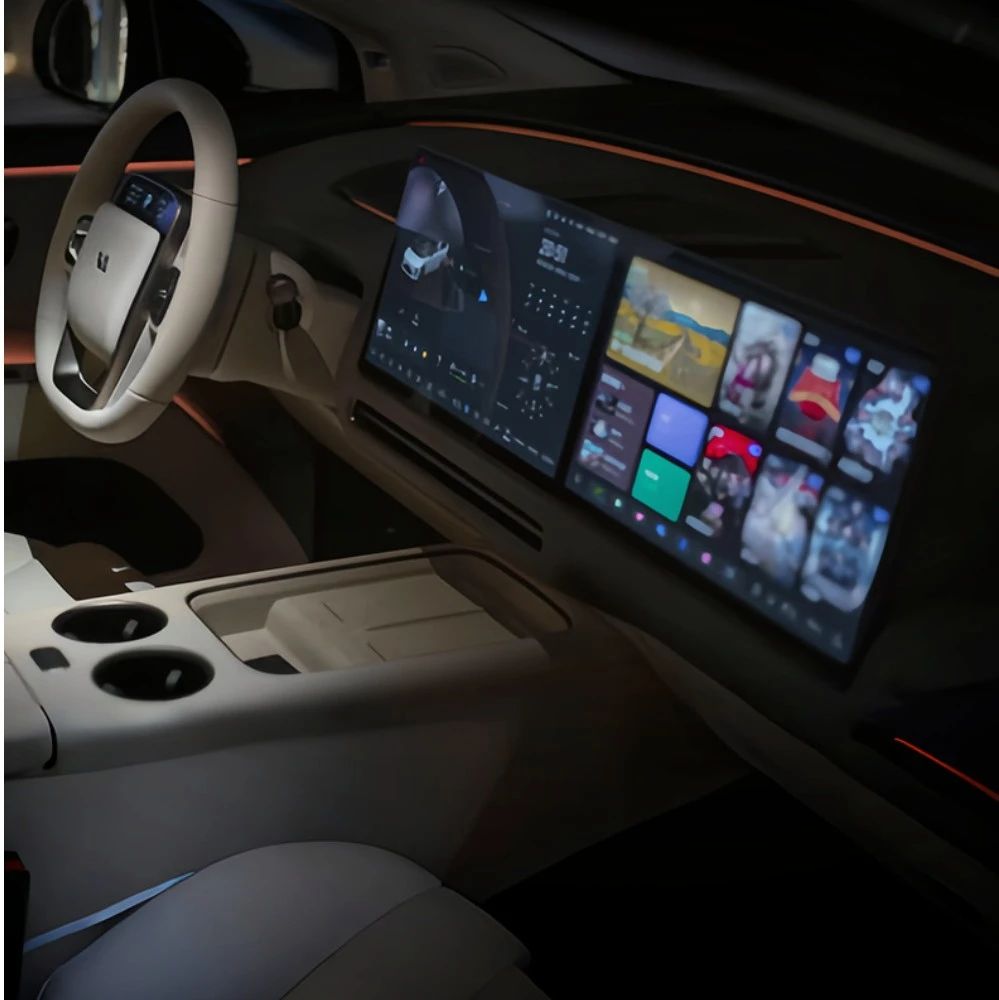
Core Viewpoint - The launch of the Li Auto i8 six-seat pure electric SUV marks a significant step in the electric vehicle market, with three configurations priced between 321,800 to 369,800 yuan, and deliveries set to begin on August 20 [1]. Group 1: Product Details - The Li Auto i8 series features displays supplied by Tianma Microelectronics and BOE Technology Group [2]. - Tianma Microelectronics provides a 15.7-inch dual-screen for the center and co-driver, along with a 9.2-inch streaming rearview mirror for all models, while the Ultra version includes a 21.4-inch rear cabin entertainment screen from BOE [3]. - The 21.4-inch rear cabin entertainment screen from BOE is the first of its kind in Li Auto vehicles, boasting a 3K resolution, 1000 nit brightness, and a 1500:1 contrast ratio, along with low blue light eye protection technology certified by TÜV Rheinland [5]. Group 2: Market Landscape - BOE and Tianma Microelectronics are leading companies in the automotive display sector, with projected shipments of 41 million and 35.8 million units respectively in 2024 [8]. - BOE's customer base is primarily domestic, especially in the electric vehicle sector, with over half of its shipments expected to be for displays larger than 10 inches, and 10% for displays larger than 15 inches this year [8]. - Tianma Microelectronics focuses on European and American automotive manufacturers, with 90% of its shipments being for instrument panels and central information displays, while its 10-15 inch products are becoming a key segment as it expands in the domestic market [8].


京东方A:行业内厂商持续践行“按需生产”的经营策略
Zheng Quan Ri Bao Wang· 2025-07-30 08:17
Core Viewpoint - BOE Technology Group Co., Ltd. (京东方A) announced that the industry is adopting a "demand-driven production" strategy, adjusting production line utilization rates flexibly according to market demand changes [1] Industry Summary - In the first quarter, driven by strong export demand and the "trade-in" policy, overall terminal demand was robust, leading to high utilization rates across the industry, with prices of mainstream LCD TV panel sizes rising [1] - Since the second quarter, changes in the international trade environment and policy effects have led to a cooling of panel procurement demand, prompting companies to quickly adjust their utilization rates in response to demand fluctuations [1] - As of July, manufacturers continued to reduce inventory, resulting in a slight decline in prices for certain sizes of LCD TV panels [1] - Looking ahead to August, with the gradual recovery of peak season panel stocking demand, the industry utilization rate is expected to recover, and LCD TV panel prices are likely to stabilize [1]

曼恩斯特:核心产品已应用于锂电池、钙钛矿太阳能电池等领域
Jin Rong Jie· 2025-07-30 00:50
Core Viewpoint - The company is focused on the industrial application of new materials, leveraging advanced coating technology to establish a diversified industry layout in "new energy + semiconductor" sectors [1] Group 1: Business Strategy - The company acknowledges the suggestion from investors to concentrate on its core business and aims to strengthen its position in niche markets [1] - The company is committed to the industrialization of new materials, indicating a strategic focus on innovation and application [1] Group 2: Product Applications - Core products of the company are currently applied in various fields including lithium batteries, perovskite solar cells, display panels, and energy storage [1]


京东方A(000725) - 020-2025年7月29日投资者关系活动记录表
2025-07-30 00:50
Group 1: LCD Market Trends - The industry is adopting a "production on demand" strategy, adjusting production rates based on market demand fluctuations [1] - In Q1, driven by strong export demand and the "old-for-new" policy, the overall terminal demand was robust, leading to a comprehensive price increase for mainstream LCD TV panel sizes [1] - Since July, a trend of inventory reduction has continued, resulting in a slight price decrease for certain LCD TV sizes [1] Group 2: Flexible AMOLED Business Progress - The company has established a capacity scale and technological advantage in the flexible AMOLED sector, covering major top brand clients in mobile phones with a significant increase in high-end product share [3] - The flexible AMOLED shipment target for 2025 is set at 170 million units, following a projected shipment of 140 million units in 2024, reflecting continued growth despite competitive market pressures [3] Group 3: Revenue Structure for Display Devices - In 2024, the revenue structure for the company's display devices is projected to be: TV products (26%), IT products (34%), LCD mobile phones and others (13%), and OLED products (27%) [4] Group 4: OLED Technology in IT Sector - Flexible AMOLED products are expected to gain market share in high-end IT products due to their superior display quality and lightweight design [5] - The company announced an investment in an 8.6-generation AMOLED production line, aimed at producing high-end touch OLED displays for laptops and tablets, with mass production expected by the end of 2026 [6] Group 5: Future Industry Trends - The display industry is entering a rebalancing phase, shifting from a focus on scale and market share to high profitability, technology, and added value [7] - LCD technology will remain the mainstream application in the medium to long term, while OLED is expected to capture more opportunities in high-end segments and mid-size markets [7]
董事长专访|京东方陈炎顺:以“屏之物联”拓展产业边界
Sou Hu Cai Jing· 2025-07-30 00:11
Core Viewpoint - The interview with BOE's Chairman Chen Yanshun highlights the company's strategic layout, technological breakthroughs, and future plans in the global display industry, emphasizing the potential of screens in various applications [1][3]. Group 1: Strategic Layout and Core Competencies - BOE's strategy, termed "Screen IoT," focuses on leveraging three core competencies: semiconductor display technology, glass-based processing capabilities, and large-scale integrated intelligent manufacturing [5][6]. - The company aims to expand the functionalities and forms of screens, integrating them into various industries to enhance their value [5][6]. Group 2: Market Trends and Industry Dynamics - The display industry is entering a rebalancing phase, characterized by a shift from competition based on scale and market share to competition based on high profitability, advanced technology, and added value [4][5]. - LCD technology remains the mainstream in the medium to long term, with a notable trend towards larger TV sizes and high-resolution products, while OLED technology is gaining traction in high-end segments [5][6]. Group 3: Innovation and R&D Investment - Innovation is central to BOE's strategy, with approximately 7% of annual revenue allocated to R&D, resulting in over 100,000 patent applications [9][10]. - The company is focused on breakthroughs across the entire value chain, including technology, materials, processes, and applications, with recent advancements in AMQLED quantum dot displays and low-power display technologies [9][10]. Group 4: Capital Operations and Global Expansion - BOE has engaged in significant capital operations, including acquisitions and investments to enhance its industrial layout and resource allocation [7][8]. - The company has established a global business network, with marketing platforms in six regions and production bases in Mexico and Vietnam to improve service efficiency [7][8]. Group 5: Shareholder Value and Future Commitments - BOE is transitioning its capital strategy from scale expansion to creating shareholder value, committing to a comprehensive shareholder return plan that includes cash dividends and share buybacks [9][10]. - The company has already executed share buybacks worth approximately 1 billion yuan and plans to maintain a minimum annual cash dividend of 35% of net profit [9][10].

京东方陈炎顺:以“屏之物联”拓展产业边界
Shang Hai Zheng Quan Bao· 2025-07-29 17:49
Core Insights - The article discusses the strategic layout, technological breakthroughs, and future plans of BOE Technology Group, a leading player in the global display industry, as articulated by Chairman Chen Yanshun [1][3][7] - BOE's core competitive advantages are identified as semiconductor display technology, glass-based processing capabilities, and large-scale integrated intelligent manufacturing [1][3] Industry Trends - The display industry is entering a rebalancing phase, characterized by a shift from scale and market share competition to high profitability, high technology, and high added value competition [2] - LCD technology remains the mainstream in the medium to long term, with a notable trend towards larger TV sizes and high-resolution, high-refresh-rate products [3] Company Strategy - BOE's strategy, termed "Screen IoT," aims to integrate more functions and forms into screens, expanding their applications across various industries [3] - The company is focusing on new growth areas such as glass-based innovation and perovskite photovoltaic devices, which are seen as potential new business tracks [4] Capital Operations - BOE has engaged in significant capital operations, including acquisitions to enhance its industrial layout and resource allocation [5] - The company has established a global business network, with marketing platforms in six regions, including the U.S. and Japan, and has set up production bases in Mexico and Vietnam to improve service efficiency [6] Innovation and R&D - Innovation is emphasized as a lifeline for BOE, with approximately 7% of annual revenue allocated to R&D, resulting in over 100,000 patent applications [7] - The company is continuously launching innovative technologies and products, such as the AMQLED quantum dot display, which enhances brightness and color performance [7] Shareholder Value - BOE's capital strategy is shifting from scale expansion to creating shareholder value, with a commitment to annual cash dividends of no less than 35% of net profit and a minimum of 1.5 billion yuan for share buybacks over the next three years [7][8]
惠科要收购JDI液晶面板制造设备?
WitsView睿智显示· 2025-07-28 05:36
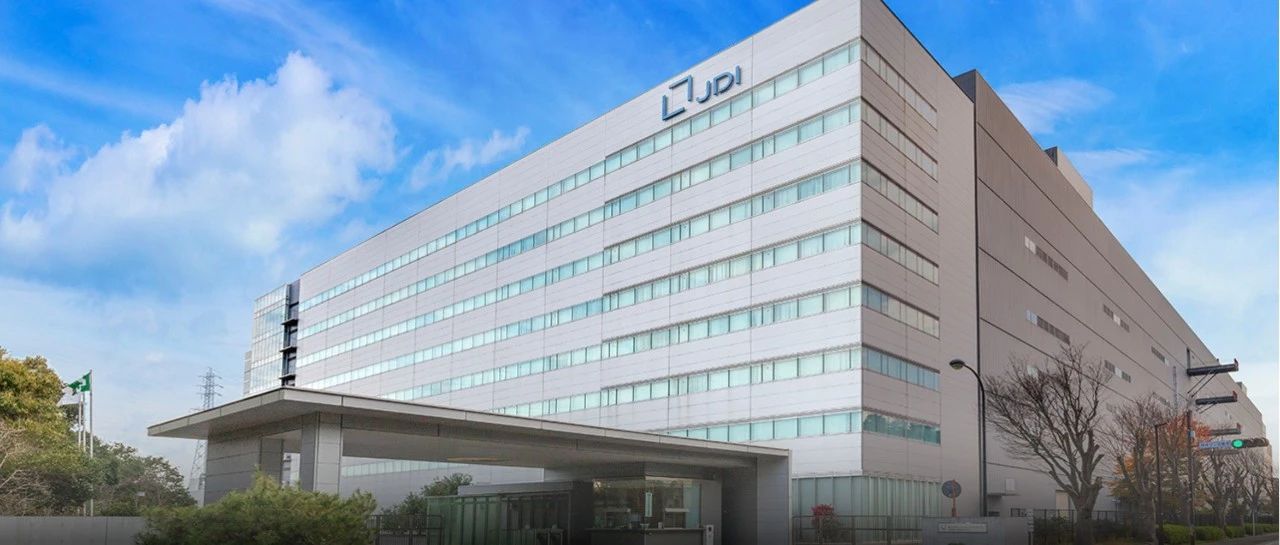
Core Viewpoint - JDI is undergoing significant strategic adjustments to address financial pressures and competitive challenges in the display industry, including the sale of equipment from its Mobara factory and a shift in focus towards high-growth semiconductor packaging and sensor businesses [1][4]. Group 1: Equipment Sale and Factory Closure - JDI plans to sell equipment from its Mobara factory, with some of it being taken over by Chinese company Huike [1] - The Mobara factory, which primarily produced panels for Apple Watch, is set to close by March 2026, but there are indications that this may be moved up to 2025 [3] - The equipment being sold includes LCD and OLED manufacturing devices, with a significant portion expected to be sold to intermediaries, and Huike is anticipated to acquire some LCD panel manufacturing equipment for a transaction price in the tens of billions of yen [3] Group 2: Financial Performance and Strategic Shift - For the fiscal year from April 1, 2024, to March 31, 2025, JDI reported sales of 188.01 billion yen (approximately 9.27 billion RMB), a year-on-year decline of 21.4%, and a net loss of 78.22 billion yen (approximately 3.87 billion RMB), which is an increase from a loss of 44.31 billion yen in the previous year [4] - To combat long-term losses in the competitive display industry, JDI is implementing a "BEYOND DISPLAY" growth strategy, which includes a comprehensive restructuring of its business to achieve profitability and sustainable growth [4] - JDI is reducing costs in its display business while leveraging its technological capabilities to expand into advanced semiconductor packaging and sensor markets [4]
Q3’25中国大陆OLED面板产线稼动率或将增至80%,环比上升2个百分点
CINNO Research· 2025-07-27 14:50
Core Viewpoint - The average utilization rate of OLED panel production lines in mainland China is expected to increase to 80% in Q3'25, representing a 2 percentage point increase from the previous quarter [1]. Group 1: Production Capacity and Utilization Rates - The report provides the latest production capacity list for OLED panel production lines in China [2]. - The average utilization rate for Q2'25 for OLED production lines in mainland China is detailed [4]. - Specific utilization rates for rigid and flexible OLED panel production lines in Q2'25 are included [4]. - The report includes statistics on the production area share of various OLED manufacturers in Q2'25 [4]. Group 2: Manufacturer-Specific Utilization Rates - The utilization rate statistics for BOE's OLED panel production lines in Q2'25 are presented [4]. - The utilization rate statistics for Tianma's OLED panel production lines in Q2'25 are provided [4]. - The utilization rate statistics for Visionox's OLED panel production lines in Q2'25 are included [4]. - The utilization rate statistics for CSOT's OLED panel production lines in Q2'25 are detailed [4]. - The utilization rate statistics for EDO and Huayi's OLED panel production lines in Q2'25 are mentioned [4].
京东方A(000725) - 019-2025年7月24日投资者关系活动记录表
2025-07-25 00:40
Group 1: LCD Market Trends - The LCD industry is implementing a "demand-driven production" strategy, adjusting production rates based on market demand fluctuations [1] - In Q1 2025, the industry maintained high production rates due to strong export demand and "trade-in" policies, leading to a comprehensive price increase for mainstream LCD TV panel sizes [1] - By July 2025, prices for certain LCD TV sizes experienced a slight decline, while prices for MNT and NB panels remained stable [2] Group 2: Production Capacity and Utilization - The average utilization rate in the LCD industry began to recover in November 2024, remaining high in Q1 2025; however, it decreased in Q2 2025 due to a drop in demand [3] - Panel manufacturers are continuing to adjust production rates in Q3 2025 to align with demand [3] Group 3: Flexible AMOLED Business Development - The company has established a strong position in the flexible AMOLED sector, building capacity and technical advantages while accumulating a solid customer base [4] - The company is actively expanding into automotive and IT applications, aiming to capture market opportunities and meet downstream customer needs [4] Group 4: Future Industry Trends - The trend towards larger sizes in TV products is expected to continue, driving growth in area demand; IT demand is relatively stable with some high-end product trends emerging [5] - The penetration rate of flexible AMOLED products in smartphones is steadily increasing, with further growth anticipated in mid-size IT and automotive applications as technology matures [5] Group 5: MLED Business Progress - The MLED business is a key component of the company's "1+4+N+ecosystem" strategy, focusing on a full industry chain including COB, COG, SMD, and Micro LED technologies [6][7] - The launch of the Zhuhai Crystal Chip COB production line marks a significant advancement in the company's MLED manufacturing capabilities [7] - A joint venture with Shanghai Film Group aims to enhance movie screening experiences through MLED technology [7]