养老服务

Search documents
十地开展综合改革试点,要素市场化配置改革迈向纵深
21世纪经济报道· 2025-09-11 15:14
Core Viewpoint - The State Council has approved a comprehensive reform pilot program for market-oriented allocation of factors in ten regions, aiming to enhance the efficiency of resource allocation and promote differentiated reforms based on local conditions [1][3]. Group 1: Reform Objectives - The pilot program will focus on the market-oriented allocation of technology, land, human resources, data, capital, and environmental resources, with an emphasis on improving collaborative allocation efficiency [1][3]. - The ten selected regions are expected to explore innovative reforms and will be granted greater autonomy to adjust existing laws and regulations as needed [3][9]. Group 2: Economic Impact - The combined economic output of the ten pilot regions is projected to exceed one-quarter of the national total by 2024, indicating their strong economic foundation and potential for driving reform [3][9]. - The pilot regions will serve as a testing ground for efficient allocation of various resources, supporting major economic provinces in their development [3][9]. Group 3: Specific Reforms by Region - Each pilot region will implement tailored measures, such as Beijing's exploration of a state-owned enterprise R&D reserve fund and the Guangdong-Hong Kong-Macao Greater Bay Area's reform of state-owned venture capital institutions [7][8]. - The regions will also focus on optimizing land use, labor mobility, and capital allocation to enhance economic development [6][9]. Group 4: New Factor Allocation - The pilot program will not only address traditional factors like land and labor but will also explore new types of factors such as data, computing power, and airspace [10][12]. - Regions like Hefei and the Greater Bay Area will develop comprehensive systems for utilizing new factors, which could lead to the emergence of new industries and economic growth [10][12]. Group 5: Service Sector Reforms - The pilot regions will implement reforms in the service sector, particularly in areas like elderly care and commercial health insurance, to meet the growing demand for high-quality services [12][13]. - The reforms aim to eliminate systemic barriers that hinder the growth of the service sector, thereby enhancing consumer spending and domestic demand [12][13].


破解居家养老“十难”,愉悦集团打出“居家养老四件套”组合拳
Qi Lu Wan Bao Wang· 2025-09-11 13:21
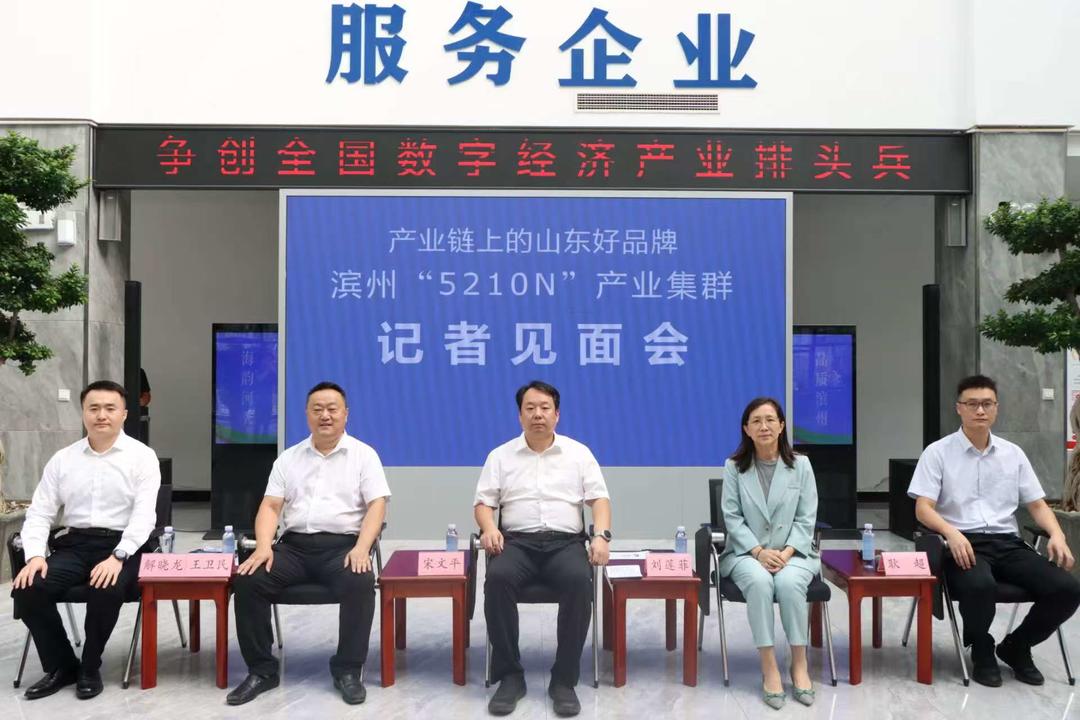
Core Insights - The meeting highlighted the development of the "5210N" industrial cluster in Binzhou, focusing on high-quality growth and the promotion of quality brands in Shandong [3] Group 1: Company Overview - Yuyue Group, represented by Liu Lianfei, is a comprehensive enterprise group driven by "home textiles" and "healthcare," with an asset scale of 16.5 billion [3] - Since its strategic transformation to the healthcare industry in 2017, Yuyue Group has built an integrated ecosystem focusing on home-based elderly care, recognized as a national model for smart health and elderly care [3] Group 2: Challenges in Home-Based Elderly Care - Liu Lianfei identified ten major challenges in home-based elderly care, including unsuitable housing for the elderly, difficulties in home care, and inadequate medical support [3] - Specific issues include the difficulty of accessing medical care, lack of appropriate elderly products, and challenges in maintaining nutrition and sleep for the elderly [3] Group 3: Solutions Offered by Yuyue Group - Yuyue Group has developed a comprehensive solution termed the "Home-Based Elderly Care Four-Piece Set," which includes: 1. **Elderly-Friendly Environment Renovation**: Free safety assessments and targeted modifications to homes to eliminate safety hazards [4] 2. **Home Delivery of Aids**: A platform for matching and renting medical aids like beds and wheelchairs to address issues of availability and waste [4] 3. **In-Home Medical Services**: A health management ecosystem that utilizes wearable devices for continuous monitoring of elderly patients, enabling proactive medical interventions [4] 4. **Home Care Training**: Professional caregivers provide services at home while also training family members and caregivers to enhance long-term care capabilities [4]
安全、舒适、智能!北京首批9个适老化改造多功能公共样板间落地
Sou Hu Cai Jing· 2025-09-11 10:01
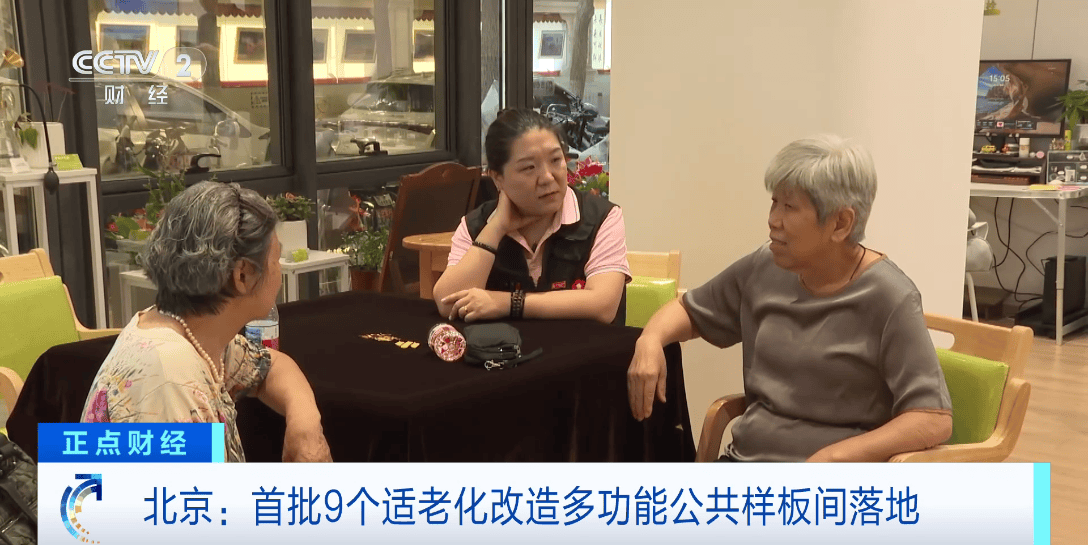
(央视财经《正点财经》)据北京市民政部门统计,截至2024年底,北京市常住老年人共有514万人,首次突破500万人大关,占常住人口的23.5%。目 前,北京市首批9个适老化改造多功能公共样板间在全市7个区落地,为老年人提供了一系列安全、舒适、智能的居住解决方案。 在位于海淀区的养老服务驿站,光线柔和的防眩光灯、轻巧便携的圆角桌椅、弧形防撞的墙体立柱,一系列针对老年人的适老化设计映入眼帘。这个适老 化改造样板间主要服务社区及周边的约2.8万名60岁以上的老年人,为有需要的老年人提供科普、适老化体验等服务。 82岁的陈爱华住在百万庄小区,自从家附近有了适老化改造多功能公共样板间,她就经常来看一看,体验感受里面的各种设施。之后,再把适合自己的产 品安进自己家。 转载请注明央视财经 编辑:潘煦 ...
清远市清新区探索“公建民营”居家社区养老模式
Nan Fang Ri Bao Wang Luo Ban· 2025-09-11 08:24
Core Viewpoint - The article highlights the innovative approach of Qingxin District in addressing the challenges of an aging population through the establishment of a comprehensive elderly care service system, focusing on community integration and professional service delivery [1][2][4]. Group 1: Elderly Care Service Development - Qingxin District has over 90,000 residents aged 60 and above, prompting the local government to enhance the elderly care service system through a "public-private partnership" model [1][2]. - The district has established a three-tiered elderly care service network that includes district, town, and village levels, ensuring services are accessible within a 15-minute radius [2][3]. Group 2: Funding and Resource Allocation - The local government allocates at least 55% of its annual lottery public welfare funds to support the elderly care service system, ensuring stable financial backing [2]. - An annual operational budget of 900,000 yuan is dedicated to the Qingxin Comprehensive Elderly Care Service Center, which has served over 90,000 elderly individuals to date [2][3]. Group 3: Service Offerings and Community Engagement - The center offers a variety of activities and services, including wellness classes, psychological counseling, and specialized programs like the "Elderly Learning Center" to enrich the lives of seniors [2][4]. - The "Happy Bathing" service brand provides free bathing assistance to economically disadvantaged and elderly individuals with disabilities, showcasing the center's commitment to personalized care [4]. Group 4: Dining Services - Qingxin District has established 21 senior dining halls, utilizing a "three-point" subsidy model to keep meal costs affordable for the elderly, with a standard meal price of 15 yuan [5][6]. - The dining service aims to provide nutritious meals at a low cost, making it convenient for seniors who may struggle with meal preparation [6].
当养老从“负担”变为“机遇”
Qi Lu Wan Bao Wang· 2025-09-11 07:41
服务下沉与业态创新则让养老消费有了质感。社区嵌入式机构、"老年父母+残疾子女" 共住服务等场景 创新,让养老服务从"有没有"迈向"好不好";而智慧化设备与黄河口生态资源的结合,更拓宽了养老消 费的边界,让"养老+"成为经济增长新支点。 东营的实践证明,养老不是负担而是机遇。当政策善意、市场活力与创新思维同频共振,银发经济便能 既守护"夕阳红",又点亮"朝阳产业",为老龄化社会转型提供有益借鉴。 东营在银发经济浪潮中,交出了一份"民生 + 经济"的双赢答卷。紧扣老年人美好生活需求,以政策为 基、服务为核、融合为径、创新为翼,养老消费既充满民生温度,又迸发经济活力。 政策精准滴灌是破题关键。东营将补贴同时投向消费端与供给端,既让老年人用得上助听器、护理床等 适老化产品,又通过税费优惠、信贷支持让企业有动力深耕养老市场。近两月带动 600 余万元直接消 费,印证了"真金白银"的扶持正在激活市场。 ...
以互惠合作促进共同繁荣
Xin Hua She· 2025-09-10 22:21
Group 1 - China's commitment to expanding high-level opening-up and promoting high-quality development of service trade is emphasized in Xi Jinping's message [1][4] - The 2025 China International Service Trade Fair (CIFTIS) features nearly 2,000 enterprises participating, with over 20% internationalization rate [2] - Australia, as the guest country, showcases significant participation, with companies like Canva leveraging AI technology for visual content creation [2] Group 2 - The aging population in China presents vast opportunities for businesses focused on elder care services, as highlighted by Japanese companies [3] - COFCO Group is showcasing its digital transformation in the global agricultural supply chain, aiming for enhanced resilience and safety [3] - The emphasis on aligning with international high-standard trade rules indicates a strategic direction for service industry reforms in China [5]
以互惠合作促进共同繁荣——习近平主席致2025年中国国际服务贸易交易会贺信凝聚开放共赢信心和力量
Xin Hua She· 2025-09-10 15:22
Group 1 - China's commitment to expanding high-level opening-up and promoting high-quality development of service trade is emphasized in President Xi Jinping's congratulatory letter [1][4] - The 2025 China International Service Trade Fair aims to enhance international cooperation and provide better public goods for global enterprises [1][3] - The theme of this year's fair, "Digital Intelligence Leading, Service Trade Renewed," reflects the structural transformation in the service industry driven by digitalization [2] Group 2 - Australia, as the guest country for the 2025 fair, showcases significant participation, with companies like Canva demonstrating AI visual technology applications [2] - The aging population presents vast opportunities for service industries, particularly in elder care, as highlighted by Japanese companies seeking to expand their services in China [3] - The focus on digital transformation in the agricultural supply chain is underscored by COFCO Group's initiatives to enhance resilience and safety in global food supply [3][5] Group 3 - The importance of aligning with international high-standard trade rules is highlighted, with plans for pilot programs in free trade zones and service trade innovation demonstration areas [5] - The fair serves as a platform for exploring new service models and fostering practical cooperation with global partners [3][5] - The overall sentiment among international investors is increasingly positive regarding opportunities in China as the country continues to open up [4][5]
江苏发文推动乡镇敬老院改革
Jiang Nan Shi Bao· 2025-09-10 14:54
江南时报讯(记者 钱海盈) 为深化养老服务改革发展,近日,江苏省民政厅、省发展改革委、财政 厅、农业农村厅等十部门联合出台《关于推动全省乡镇敬老院改革发展的指导意见》(以下简称《意 见》),围绕优化布局、管理机制、服务效能及工作保障等方面提出4个方面11项具体举措,旨在进一 步优化农村养老服务资源配置,推动农村养老服务高质量发展。该《意见》是江苏贯彻落实中央关于深 化养老服务改革发展部署的重要举措,将为构建高质量农村养老服务体系提供制度保障。 围绕服务效能提升,《意见》鼓励规模较大的敬老院拓展服务范围,提供居家上门、康复护理、探访关 爱等多元服务;推动医养结合,支持敬老院与乡镇卫生院协作运营。各地还将根据实际需求动态调整护 理人员配置,保障服务质量。 《意见》要求各地保留的敬老院床位原则上不少于100张,鼓励提高护理型床位比例,增设认知障碍照 护专区,切实缓解农村养老服务结构性矛盾。 在管理体制改革方面,《意见》指导有条件的地区由县级民政部门直接管理乡镇敬老院,稳妥推进公建 民营模式,引入企业或社会组织参与运营。同时明确县级民政部门与乡镇(街道)的权责划分,并要求 妥善安置原有工作人员。 同时,突出改革导向, ...
河北康养新标杆落地!远洋椿萱蕙・裕馨康养社区试运营 60余位长辈抢鲜开启院落享老新生活
Xin Lang Zheng Quan· 2025-09-10 08:34
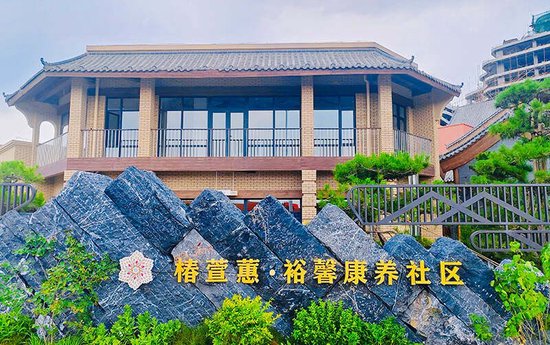
Core Viewpoint - The launch of the Yuan Yang Chun Xuan Hui Yuxin Health Community marks a significant step in enhancing elderly care services in Hebei Province, aiming to provide high-quality, autonomous living options for seniors in the Beijing-Tianjin-Hebei region [1][6]. Group 1: Project Overview - The Yuan Yang Chun Xuan Hui Yuxin Health Community officially began trial operations on September 4, 2025, welcoming over 60 seniors on its first day, indicating strong demand for quality elderly care services [1]. - The community covers approximately 39,600 square meters with a total construction area of 77,000 square meters, featuring 622 rooms and 1,209 beds, divided into three functional areas: active living area, centralized elderly care area, and medical care support area [3]. - The community aims to create a closed-loop health guarantee system with a professional rehabilitation hospital, ensuring that minor illnesses can be treated on-site and major illnesses can be referred appropriately [3]. Group 2: Service Model and Features - The community adopts an innovative model combining "medical care integration, shared travel, vibrant autonomy, and continuous care," redefining elderly care in Hebei [3]. - It emphasizes a low-density, home-like living environment that integrates traditional Chinese garden aesthetics with modern elderly-friendly design, enhancing the comfort of home-based elderly care [4]. - The service model encompasses a full lifecycle care system, addressing diverse needs from independent living to professional nursing and rehabilitation [3][4]. Group 3: Policy and Market Context - The establishment of the community aligns with national priorities for building a robust elderly care service system, responding to the increasing demand for diversified and quality elderly care services [6]. - The community has been approved as a "Beijing Chaoyang District Off-site Elderly Care Travel Demonstration Zone," providing new options for elderly care for seniors from Beijing [6]. - The initiative is part of the "Accelerating the Construction of a Happy Hebei for the Elderly Action Plan (2023-2027)," which aims to promote high-quality development in elderly care services [6]. Group 4: Future Outlook - The community plans to continue enhancing service quality and innovation, aiming to extend its influence to surrounding communities and the broader North China region [8]. - The goal is to ensure that more seniors can enjoy a fulfilling and happy retirement, contributing to the vision of "京畿福地、老有颐养" (a blessed land for the elderly) in Hebei [8].
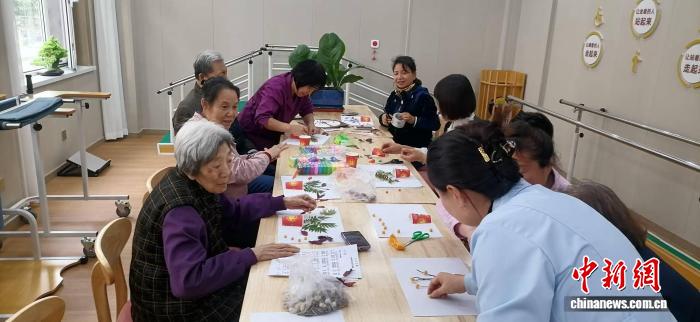
从照料中心到“老年乐园” 山西晋中嵌入式养老守护“银发族”
Zhong Guo Xin Wen Wang· 2025-09-10 07:19
Core Viewpoint - The article discusses the development of embedded elderly care services in Jinzhong, Shanxi, transforming care centers into "senior amusement parks" to enhance the quality of life for the elderly population [1][3]. Group 1: Embedded Elderly Care Services - Jinzhong has prioritized elderly care services as a key aspect of public welfare, with the municipal government actively promoting the construction of a comprehensive elderly care system [3][5]. - The city has implemented various policies and integrated resources to address the challenges posed by a large elderly population and insufficient care facilities [3][4]. - The "Yuci Model" of embedded elderly care services has emerged as a successful example, providing diverse and multi-layered services tailored to community needs [3][4]. Group 2: Community Integration and Services - The Jinzhong Civil Affairs Bureau has strengthened community resource integration, creating an innovative mechanism combining "Internet + property + elderly care" to facilitate local elderly care services [3][4]. - The Huasheng "Our Home" Smart Community Elderly Care Service Center exemplifies the city's efforts, recognized as a national advanced unit in elderly care services [3][4]. - The center offers a range of services including long-term care, daytime care, meal delivery, and medical care, all under a one-stop smart health care model [4][5]. Group 3: Quality of Life Enhancements - The center provides a variety of cultural and recreational activities, such as handicrafts, calligraphy, and Tai Chi, contributing to the mental well-being of the elderly [5][6]. - The "Ten Assistance" service model has been established, offering comprehensive support to over 10,800 elderly individuals across 132 residential communities [5]. - Smart technologies, such as heart rate monitoring and fall detection systems, are utilized to enhance the safety and quality of life for residents, allowing families to monitor their loved ones remotely [4][8].