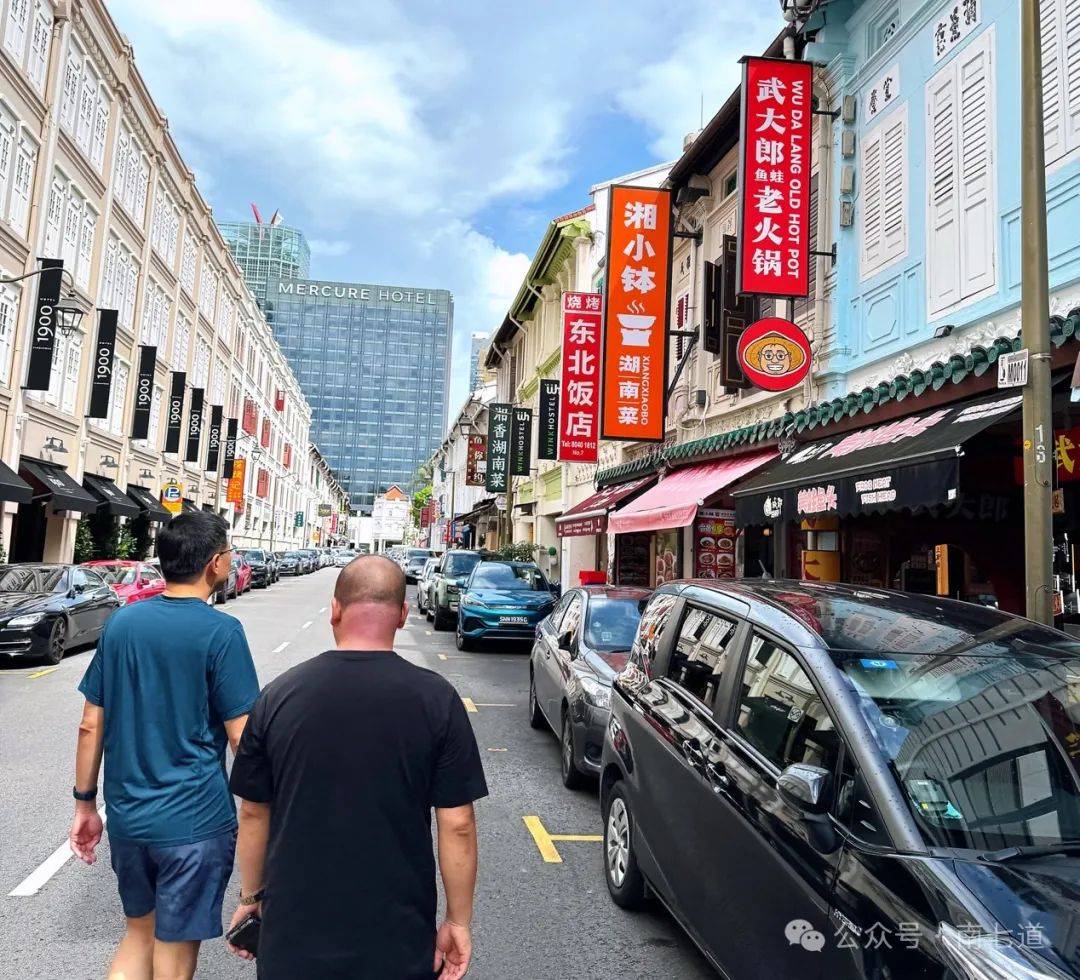
中餐厅

Search documents
中餐厅,解锁多种打开方式
Ren Min Ri Bao· 2025-09-24 06:58
Group 1: Industry Trends - The Chinese restaurant industry is experiencing a fusion of innovation, with diverse dining experiences catering to both local and foreign visitors [1] - The development of the cultural tourism industry is shifting from a sightseeing era to an experience era, emphasizing the importance of creating engaging dining environments [2] - There is a growing trend towards personalized dining experiences, such as "late-night kitchens," which focus on chef interaction and unique service [3] Group 2: Company Strategies - The "Quyuan Teahouse" in Yangzhou integrates cultural elements and traditional cuisine to attract tourists, aiming to create a memorable dining experience [2] - "Old Xing Xian," a Shanghai-based restaurant, emphasizes fresh ingredients and aims to preserve local culinary traditions while adapting to modern tastes [4][5] - The focus on personalized service and unique culinary offerings is seen as essential for attracting and retaining customers in a competitive market [3][5]
Chowbus助力纽约高端中餐厅"浙里"实现运营效率全面升级
Zhong Guo Shi Pin Wang· 2025-08-04 10:26
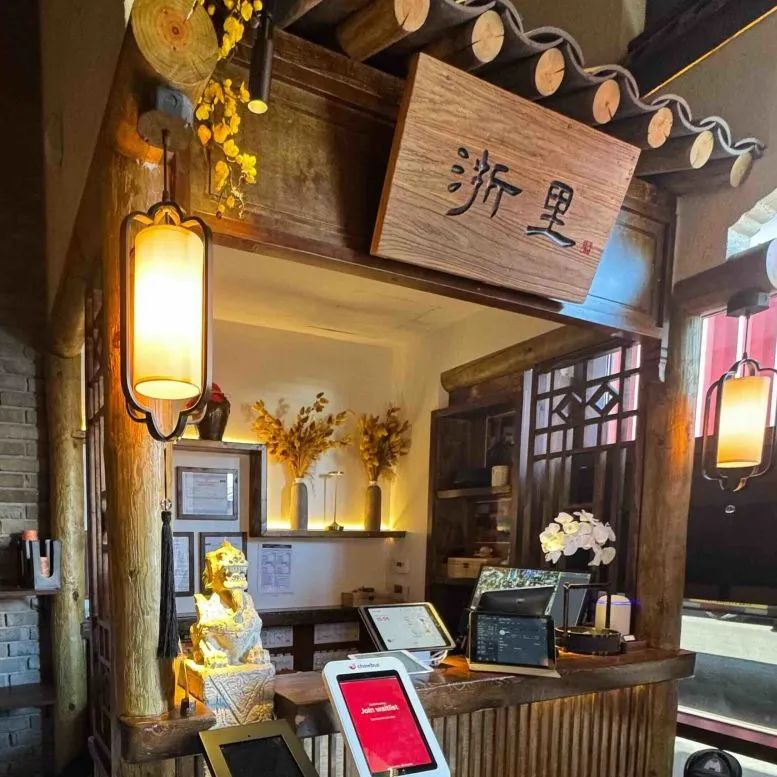
Core Insights - The high-end Chinese restaurant "Zheli" in New York has adopted the Chowbus smart dining system, achieving a comprehensive upgrade in ordering experience and operational management, addressing traditional pain points in the industry [1][3]. Group 1: Operational Efficiency - Chowbus's Kitchen Display System (KDS) has shown significant advantages over common systems like Toast, enhancing operational convenience and functionality, allowing kitchen staff to monitor preparation progress in real-time [5]. - The system has achieved a 100% accuracy rate in food delivery, and waitstaff can track dish progress through a central KDS, significantly increasing table turnover rates [5]. - Chowbus's simplified operation design allows for single-click dish operations, greatly improving work efficiency compared to the cumbersome two-step confirmation process of Toast [5]. Group 2: Cost Savings - Chowbus's integration of various functionalities into a single solution is expected to save "Zheli" nearly $6,000 annually, compared to the previous costs incurred with the Toast system [7]. - The local service team of Chowbus has received high praise for its efficiency, with online customer support responding and resolving issues within 2 minutes, contrasting with the 40-minute wait times typical of other systems [7]. Group 3: Customer Experience - The electronic menu feature of Chowbus showcases high-definition images of dishes, enhancing the cultural and artistic value of the offerings, which supports the restaurant's high-end positioning and improves the dining experience for customers [7]. Group 4: Industry Impact - The success of "Zheli" illustrates that specialized smart dining systems are becoming crucial for the international expansion of Chinese cuisine, with Chowbus helping more overseas Chinese restaurants achieve digital transformation while promoting Chinese culinary culture [7][8].

我劝你别出海
Hu Xiu· 2025-04-27 10:25
Core Insights - The trend of Chinese companies going abroad for business has become increasingly popular, especially due to tariff issues impacting domestic operations [1] - Many companies are ill-prepared for international expansion, often treating market exploration as a casual endeavor rather than a serious business venture [2][5] - A significant number of companies fail to establish a genuine commitment to overseas markets, leading to poor outcomes [3] Group 1: Market Exploration and Preparation - Many Chinese business owners show interest in overseas markets but often rely on superficial online consultations and brief visits without serious market analysis [5][6] - The majority of overseas business trips are more akin to tourism than genuine market exploration, with little effort made to understand local conditions [5][7] - A very small percentage of companies that express interest in international markets actually follow through with serious commitments [6] Group 2: Management and Operational Challenges - Companies often send ordinary managers abroad, which is insufficient for successful market entry; a dedicated and empowered team is essential [8][9] - Projects should be treated as independent ventures with separate budgets and teams, rather than being mixed with domestic operations [10] - Relying solely on local agents without establishing a physical presence often leads to failure [11][12] Group 3: Trust and Product Quality Issues - Trust issues arise when domestic owners do not fully empower overseas managers, leading to operational inefficiencies [13] - Many products that struggle in the domestic market do not succeed abroad, as companies fail to adapt their offerings to local tastes and standards [14] - Successful examples, such as a Chinese restaurant in Singapore, demonstrate the importance of local adaptation and quality [14] Group 4: The Role of Intermediaries - Many Chinese intermediaries abroad mislead companies into believing that profits are easily attainable, which can lead to significant pitfalls [15] - Finding reliable intermediaries is crucial for understanding local market conditions and avoiding common traps [16]