养生茶饮

Search documents
非遗古法传承+高校科研赋能!茯灵记携手山东中医药大学发布新品
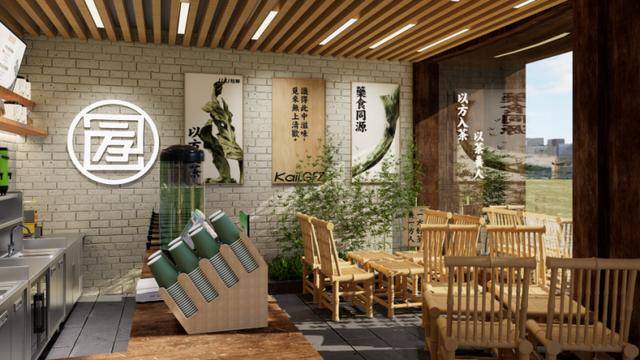
Qi Lu Wan Bao· 2025-12-09 07:59
Core Viewpoint - The article highlights the launch of a new series of reishi mushroom-based health drinks by the brand Fulingji, in collaboration with Shandong University of Traditional Chinese Medicine, emphasizing the integration of traditional Chinese medicine with modern scientific research to cater to contemporary health needs [1][2][4]. Group 1: Product Development and Innovation - Fulingji has established a "Joint Research Laboratory" with Shandong University to decode the health benefits of reishi mushrooms using modern scientific techniques, validating traditional claims of health benefits such as immune regulation and anti-fatigue [1][2]. - The development team has spent 18 months and conducted over 300 formula adjustments to create products that retain over 90% of the active ingredients of reishi while utilizing low-temperature extraction techniques to enhance nutrient absorption [2][3]. - The reishi series products are crafted using high-quality, wild-simulated reishi sourced from the Tai Mountain area, which has a 12-month growth cycle, resulting in a 30% higher active ingredient content compared to regular reishi [2][3]. Group 2: Cultural and Market Positioning - The brand emphasizes the importance of traditional techniques, inviting representatives of intangible cultural heritage in Chinese medicine to ensure that the production process aligns with ancient methods, thus enhancing product quality [3]. - The flagship product, "Lingyue Sansheng," is designed to resonate with young couples, combining health benefits with romantic themes, making it suitable for various social occasions [3][4]. - Fulingji aims to make the ancient health benefits of reishi accessible to younger consumers by integrating health and taste, positioning its products as convenient and appealing options for daily consumption [4]. Group 3: Future Directions - Fulingji plans to continue leveraging the research capabilities of Shandong University to explore the cultural and health values of the "Immortal Herb Series," aiming to launch more innovative products that blend cultural heritage with practical health benefits [4].
大雪・“脆皮”年轻人,带火养生经济?|财经二十四节气
2 1 Shi Ji Jing Ji Bao Dao· 2025-12-07 00:17
Core Viewpoint - The rise of health consciousness among young people in China is driving a significant trend in the wellness economy, with traditional health practices gaining popularity and becoming integrated into daily life [3]. Group 1: Young Consumers Driving Wellness Trends - During the recent "Double Eleven" shopping festival, the total sales of nutritional and health products reached 23.8 billion yuan across major e-commerce platforms [5]. - Young consumers are increasingly prioritizing health management, with approximately 42% of millennials focusing on health, and 47% of Gen Z frequently purchasing health products or services [5]. - The average annual spending on health by nearly 60% of Gen Z is between 1,000 to 5,000 yuan, indicating a shift from trial purchases to habitual spending on health [5]. Group 2: Popularity of Traditional Chinese Health Practices - The concept of "food and medicine being of the same origin" is gaining traction, with the market for related products exceeding 20 billion yuan and growing by 22.3% year-on-year [9]. - There is a notable increase in the search volume for special medical purpose foods and health supplements, with a nearly 40% rise in searches during the first week of "Double Eleven" [9]. - Young consumers are favoring light health products that combine immediate taste satisfaction with health benefits, leading to the popularity of health tea drinks that incorporate traditional Chinese medicinal ingredients [9]. Group 3: Expansion of the Wellness Economy - The wellness economy is expanding into various aspects of daily life, with a significant increase in health-related content shared on social media platforms, such as a 100% year-on-year growth in health-related posts on Xiaohongshu [11]. - The health industry is witnessing rapid growth in segments like health tea drinks, nutritional supplements, and traditional Chinese medicine services, reflecting a heightened national awareness of health and a pursuit of a better quality of life [15]. - However, the industry faces challenges such as concept hype, exaggerated claims, and a lack of standards, necessitating regulatory guidance to ensure that wellness practices remain genuinely beneficial [15].


2024年中国养生茶饮行业现状研究及消费者洞察报告
Sou Hu Cai Jing· 2025-09-23 02:48
Core Insights - The Chinese health tea beverage industry is experiencing explosive growth, with the market size reaching 41.16 billion yuan in 2023, a year-on-year increase of 27.3%, and is expected to exceed 100 billion yuan by 2028, reaching 118.95 billion yuan [1][8] - The growth is driven by the revival of traditional Chinese medicine culture, the upgrading of national health demands, and changes in consumer habits [1][2] Industry Development Drivers - Policy support has injected strong momentum into the health tea beverage sector, with the inclusion of nine substances into the "food and medicine homologous" directory by the National Health Commission and the State Administration for Market Regulation [1][21] - The increasing health consciousness among the public has laid a solid foundation for industry growth, with the health product market reaching 328.2 billion yuan in 2023 and expected to exceed 400 billion yuan by 2026 [2][24] Market Characteristics - The industry is characterized by product diversification and a younger consumer demographic, with nearly 50% of consumers preferring health tea beverages [2][10] - The main product categories include bagged tea, solid paste, bottled beverages, powdered drinks, and in-store freshly made tea, with bagged tea being the most favored, accounting for 45.9% of the market [2][19] Consumer Insights - The consumer base for health tea beverages is no longer limited to the elderly, with 37.6% of consumers aged 25-35, and 48.8% of this group indicating an increased willingness to consume in the future [3][14] - Female consumers represent 56.1% of the market, with middle-income earners (monthly income of 5,001-15,000 yuan) being the primary consumer group [3][14] Consumer Preferences - Taste and efficacy are the core concerns for consumers, with 65.2% prioritizing taste when purchasing, followed by consumer reviews (42.6%) and brand recognition (41.7%) [3][10] - The most sought-after health benefits include calming and sleep aid (53.5%) and spleen health (49.7%), with preferences varying by demographic [3][14] Sales Channels - Online platforms have become the primary sales and communication channels for health tea beverages, with 71.2% of consumers purchasing through e-commerce platforms like Taobao and Pinduoduo [3][10] - Short video platforms are significant for information acquisition, with 45.6% of consumers using them for insights [3][10] Future Trends - Product innovation and channel expansion will be key directions for the health tea beverage industry, with consumers showing high interest in increasing vitamin content and organic products [3][10] - Companies need to optimize product formulations through technological upgrades and develop niche products tailored to regional and demographic needs [3][10]
国内8城齐放,海外再下一城!陆藜·开了个方子养生版图加速扩张
Sou Hu Cai Jing· 2025-06-26 10:53
Core Insights - The company "陆藜·开了个方子" is expanding its presence in the health and wellness market by opening new stores in eight cities across China and launching its first overseas store in Kuala Lumpur, Malaysia, by June 2025, marking a significant step in its global health lifestyle strategy [1][5]. Domestic Expansion - The new store openings in China reflect a deep understanding of urban dynamics, with each location tailored to specific consumer needs and lifestyles, such as a "life-extending" base in Qingdao and a "vitality charging station" in Yuyao [3]. - The Chengdu strategy includes two stores that cater to tech workers and shoppers, offering unique herbal drinks and a sensory experience that aligns with local culture and consumer behavior [3]. - Each store emphasizes distinctive product offerings and services, utilizing authentic ingredients and creating atmospheres that resonate with various customer segments, from modern minimalism to cultural heritage [3]. International Market Strategy - The Kuala Lumpur store addresses the local climate and dietary preferences by integrating local flavors with traditional herbal offerings, such as a spicy combination of Luo Shen and pepper pork bone tea [5]. - To celebrate the opening, the company launched promotional activities and social media campaigns to engage local consumers, enhancing brand visibility and connection with the community [5]. Brand Philosophy and Market Positioning - The expansion strategy combines local cultural elements with the brand's herbal core, creating a dual engine of growth that enhances its market presence both domestically and internationally [7]. - The brand aims to redefine global health consumption patterns by integrating Eastern herbal traditions into modern lifestyles, as evidenced by the diverse experiences offered in its stores [7].