
商事调解

Search documents
“推动中国仲裁制度与国际接轨”,中国贸促会答中证报记者问
Zhong Guo Zheng Quan Bao· 2026-01-28 08:29
Group 1 - The implementation of the revised Arbitration Law and Commercial Mediation Regulations is a significant step in improving China's diversified dispute resolution mechanism, aiming to enhance the internationalization and professionalism of arbitration and mediation institutions [1] - The revised Arbitration Law marks the first major adjustment in 30 years, promoting alignment with international arbitration standards and enhancing China's position as a preferred destination for global commercial arbitration [1] - The new Commercial Mediation Regulations signify a transition to a rule-based development phase for commercial mediation in China, providing stronger legal support for overseas investments and cross-border trade [1] Group 2 - During the 14th Five-Year Plan period, the China Council for the Promotion of International Trade (CCPIT) has handled over 50,000 commercial mediation cases with a total value of 94.5 billion yuan, reflecting a threefold increase in case numbers and a 19-fold increase in value compared to the previous five-year period [2] - The CCPIT has also led the establishment of an international organization for the prevention and resolution of commercial disputes, with its Investment Dispute Arbitration Rules included in the outcomes of the third Belt and Road Forum [2] - In 2025, the CCPIT issued a total of 8.413 million various certificates, with a year-on-year growth of 18.94%, indicating the effectiveness of policies aimed at stabilizing foreign trade [3]
昆明市致和商事调解院入驻西山法院
Xin Lang Cai Jing· 2026-01-07 22:25
Group 1 - The core viewpoint of the article highlights the establishment of the Kunming Commercial Mediation Institute at the Xishan District People's Court, which signifies a collaborative effort to enhance commercial dispute resolution services [1] - The signing of the agreement and the unveiling of the mediation workspace is part of the court's initiative to innovate and develop the "Fengqiao Experience" in the new era [1] - The Kunming Commercial Mediation Institute, established by the Kunming Lawyers Association, aims to address the challenges of long resolution cycles and high costs associated with commercial disputes [1] Group 2 - The initiative aligns with the requirements of the "Commercial Mediation Regulations" to promote specialized commercial mediation services and improve the multi-faceted dispute resolution mechanism [1] - This effort represents a beneficial exploration towards creating a new pattern of multi-faceted dispute resolution involving both the court and the legal profession [1]
全文|商事调解条例
Xin Lang Cai Jing· 2026-01-06 09:32
Core Points - The regulation aims to standardize commercial mediation activities, effectively resolve commercial disputes, protect the legal rights of parties, promote the development of the commercial mediation industry, and optimize the business environment [1][29] - Commercial mediation activities refer to voluntary and friendly negotiations to resolve disputes in areas such as trade, investment, finance, transportation, real estate, construction, and intellectual property, excluding family, inheritance, guardianship, labor, consumer rights disputes, and other disputes that should be resolved by other means [1][29] Group 1 - The regulation defines commercial mediation organizations as non-profit entities established according to the regulation to conduct mediation activities [2][30] - The development of the commercial mediation industry aligns with national policies and aims to serve high-quality development and high-level opening-up [3][30] - The State Council's judicial administrative department is responsible for guiding and regulating national commercial mediation work and planning the industry's development [3][31] Group 2 - The regulation encourages the establishment of self-regulatory organizations within the commercial mediation industry to conduct self-discipline in accordance with laws and regulations [4][32] - The government aims to cultivate internationally influential commercial mediation organizations to enhance their global competitiveness [5][33] - The judicial administrative department will promote the use of mediation to resolve commercial disputes and support regions in developing the industry through resources like talent and technology [6][34] Group 3 - The regulation outlines the conditions for establishing commercial mediation organizations, including being a non-profit entity, having a proper name, a physical address, assets of at least 300,000 yuan, and a minimum of five mediators [8][36] - The application process for establishing a commercial mediation organization involves submitting an application to the local judicial administrative department, which must review it within 20 working days [8][37] - Changes to the name, address, or articles of association of a commercial mediation organization must be legally processed [9][38] Group 4 - The regulation mandates that commercial mediation organizations must maintain internal management systems for business management, conflict of interest review, and complaint handling [13][41] - The mediation activities must adhere to principles of voluntariness, legality, integrity, and confidentiality [15][43] - Commercial mediation organizations can charge fees, which must be fair and reasonable, and publicly disclosed [16][44] Group 5 - The regulation encourages the use of technology such as artificial intelligence and big data to improve the quality and efficiency of commercial mediation [19][45] - Mediation agreements reached through commercial mediation have legal binding force, and parties are required to fulfill them [22][48] - The regulation supports the establishment of business institutions by commercial mediation organizations abroad to conduct mediation activities [24][49] Group 6 - The regulation emphasizes the importance of training for mediators and the international recognition of their capabilities [25][51] - The regulation supports the integration of mediation rules and mechanisms in the Guangdong-Hong Kong-Macao Greater Bay Area to promote collaborative development [26][52] - The regulation outlines penalties for unauthorized mediation activities and non-compliance with the established procedures [28][52]
【省司法厅】陕西商事调解试点工作取得阶段性成效
Shan Xi Ri Bao· 2025-12-26 00:23
Group 1 - The core viewpoint of the article highlights the successful mediation of over 4,200 commercial cases with a total value exceeding 2.53 billion yuan as of the end of November, indicating the effectiveness of the commercial dispute resolution system in Shaanxi [1] - The Shaanxi Provincial Justice Department has established five commercial mediation organizations in Xi'an, Baoji, and Yulin to initiate pilot mediation work, aiming to create a structured and supportive framework for resolving commercial disputes [1] - The pilot program emphasizes the importance of resolving conflicts and maintaining social harmony, with a comprehensive management process for commercial disputes that includes acceptance, mediation, and enforcement [1] Group 2 - The Shaanxi Provincial Justice Department has formed strategic partnerships with various organizations and established online and offline platforms for collaboration, enhancing the support for commercial mediation [2] - The establishment of the "Chang'an·Rome" legal service alliance aims to foster international cooperation in commercial mediation, exploring a dual mediation model for foreign-related commercial cases [2] - Future efforts will focus on building a brand for Shaanxi commercial mediation, contributing to the creation of a market-oriented, rule-of-law, and international business environment [2]
从观望到狂奔:海南封关,把工厂搬过来
Sou Hu Cai Jing· 2025-12-18 01:20
Core Insights - The establishment of the Hainan Free Trade Port (FTP) is progressing towards its full operation by December 18, 2025, with significant interest from various enterprises aiming to capitalize on the opportunities presented by the new policies [1][2][9]. Group 1: Company Developments - Hainan Oscar International Grain and Oil Co., Ltd. has successfully established its production facility in Hainan, achieving a record production timeline of just 8 months from signing to operation, reflecting the favorable business environment [4][6]. - The company reported a production value of 10 billion yuan in its first year of operation, which increased to 59.5 billion yuan by 2024, showcasing substantial growth driven by the FTP policies [6][8]. - The company has benefited from tax incentives, including a nearly 3 billion yuan reduction in costs due to various tax exemptions and incentives provided by the FTP [6][8]. Group 2: Policy Impact - The FTP's "zero tariff" policy has been a significant draw for businesses, allowing for the import of goods without tariffs, which is expected to expand from 1,900 to approximately 6,600 tariff items post-closure [9][10]. - The policy is designed to enhance the competitiveness of local businesses by reducing raw material costs, with estimates indicating savings of 24-26 million yuan on imported materials due to tariff exemptions [8][9]. - The overall business environment in Hainan has improved, with a reported increase in the number of operating entities surpassing the total from the previous 30 years, and 104 multinational companies establishing regional headquarters in the area [2][9]. Group 3: Future Opportunities - The upcoming full operation of the FTP is anticipated to create a surge in cross-border e-commerce, international logistics, and tourism-related industries, presenting new challenges and opportunities for local enterprises [14][15]. - Entrepreneurs are encouraged to engage in sectors that align with the FTP's incentive policies, particularly in high-end manufacturing, biotechnology, and deep processing of agricultural products, to maximize benefits from the favorable tax environment [15][16]. - The local population is expected to benefit from improved job opportunities and enhanced living standards as more businesses establish operations in Hainan [12][13].


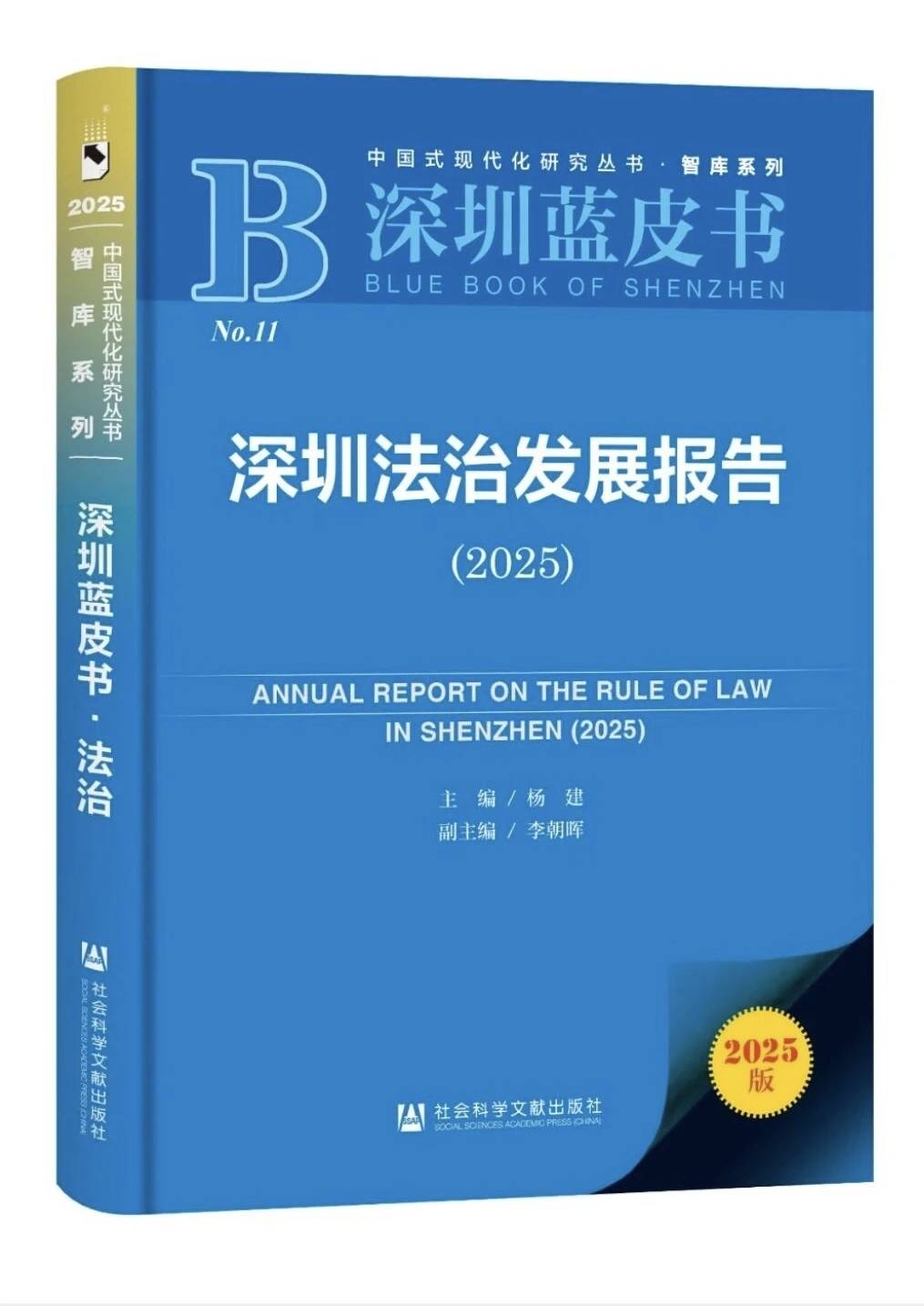
汇聚政校研智慧,法治蓝皮书首揭深圳商事调解答卷
Sou Hu Cai Jing· 2025-12-11 10:56
Core Viewpoint - Shenzhen's commercial mediation is a key component of its diversified dispute resolution mechanism, supporting the optimization of the legal business environment and promoting high-quality economic development [1][4]. Group 1: Report Overview - The "Shenzhen Blue Book: Shenzhen Legal Development Report (2025)" was jointly published by the Shenzhen Academy of Social Sciences and the Social Sciences Academic Press, systematically summarizing Shenzhen's legislative and legal development under the "Dual Zone" construction context [3]. - The "Shenzhen Commercial Mediation Development Report" is the first of its kind, led by the Shenzhen Judicial Bureau in collaboration with various academic institutions, filling a gap in urban-level comprehensive research in this field [1][3]. Group 2: Practical Achievements - Shenzhen's commercial mediation has shown a distinct characteristic of "accelerating from the start and steadily improving quality," with significant progress in system improvement, institutional cultivation, team building, and quality enhancement [7]. - The implementation of the "Shenzhen Special Economic Zone Multi-Dispute Diversification Resolution Regulations" provides a solid legal guarantee for the establishment and healthy development of commercial mediation organizations, propelling the work into a "fast lane" [7]. - As of September this year, Shenzhen has registered 54 commercial mediation organizations and has 3,885 registered mediators, including 365 from Hong Kong, Macau, Taiwan, and foreign countries, handling 317,350 disputes involving approximately 113.72 billion yuan [7]. Group 3: Future Development - To build an international commercial dispute resolution hub, Shenzhen is developing a one-stop international legal service system in the He Tao Shenzhen-Hong Kong Science and Technology Innovation Cooperation Zone, providing support for commercial mediation organizations [8]. - There is an increasing demand for high-quality commercial mediation services due to the growing number of market entities and the increasing complexity of commercial disputes [8]. - The Shenzhen Judicial Bureau aims to accelerate the introduction of specialized commercial mediation legislation, enhance the professional level of mediators, stimulate market demand, and improve the digitalization of commercial mediation services [8].
专访深圳河套国际商事调解中心理事长朱虹:为企业解纷做减法
Sou Hu Cai Jing· 2025-11-03 11:49
Core Viewpoint - The Guangdong Provincial Government has recognized 100 collectives and 100 individuals for their outstanding contributions to the construction of the Guangdong-Hong Kong-Macao Greater Bay Area, highlighting the importance of commercial mediation as a new avenue in the legal industry [2][5]. Group 1: Commercial Mediation - Commercial mediation is seen as a "blue ocean" opportunity, providing a new pathway for the legal industry, especially as the number of lawyers increases and traditional litigation practices become less viable [6][7]. - The Shenzhen Futian District He Tao International Commercial Mediation Center, established in April 2022, aims to promote a "mediation first" approach to dispute resolution, offering professional and efficient services to domestic and international commercial entities [5][12]. - The mediation process not only resolves business disputes but also creates commercial value, allowing companies to focus on more productive activities [7][18]. Group 2: Development and Challenges - The He Tao International Commercial Mediation Center has handled approximately 30,000 cases since its inception, with a total value of around 28 billion yuan, covering various commercial sectors [18]. - The center's development has faced challenges, including funding and the establishment of operational protocols, which required significant effort and collaboration among legal professionals [12][13]. - Increasing the volume of cases is identified as a key focus for the center's future growth, as many businesses still prefer traditional court litigation over mediation [14][18]. Group 3: International Collaboration - The mediation center has successfully integrated with international legal frameworks, having established partnerships with over 40 legal institutions in Hong Kong, Macao, and abroad, including Singapore and Malaysia [18][21]. - A notable cross-border mediation case involved resolving a dispute between a Wenzhou businessman and a Somali transport team, showcasing the center's capability in handling international cases [15][19]. - The center is also involved in operating a one-stop multi-dispute resolution center for foreign-related cases, which has been recognized as a significant legal initiative in Shenzhen [20]. Group 4: Future Outlook - The center aims to leverage its resources to create a comprehensive legal service platform that is professional, market-oriented, and internationalized, with aspirations to attract foreign legal institutions [21][22]. - The ongoing optimization of regulatory frameworks in the Greater Bay Area presents unprecedented opportunities for the commercial mediation sector [21].

解读|全球商事调解“黄金法则” ——《示范法》
Sou Hu Cai Jing· 2025-11-03 05:13
Core Insights - The rise of international commercial mediation as a preferred method for resolving international business disputes is highlighted, emphasizing the importance of learning from international best practices and policies in this field [1][3]. Group 1: Overview of the Model Law - The "Model Law on International Commercial Mediation and International Settlement Agreements Resulting from Mediation" (hereinafter referred to as "Model Law") is recognized as the "gold standard" for global commercial mediation, published by UNCITRAL in 2018 [3]. - The Model Law consists of three main parts: general provisions, international commercial mediation, and international settlement agreements, aiming for uniformity and coordination in regulation and protection [4][5]. Group 2: Key Innovations of the Model Law - The definition of "international" mediation is clarified, establishing criteria such as parties having business locations in different countries or the mediation location being different from the parties' business locations [5]. - The Model Law emphasizes party autonomy in the mediation process, allowing parties to freely agree on the mediation's conduct, including the selection of mediators and the rules governing the mediation [6]. - Confidentiality is a core advantage of mediation, with obligations to keep mediation-related information confidential unless otherwise agreed or required by law [9][10]. - The Model Law introduces a mechanism for the direct enforcement of international settlement agreements, allowing parties to apply for enforcement in the competent court of a country that has adopted the Model Law without needing to initiate a new lawsuit [11][12]. Group 3: Relationship with the Singapore Convention - The Model Law and the Singapore Convention complement each other, with the Model Law providing a framework for domestic legislation and the Convention establishing a direct international mechanism for the enforcement of settlement agreements [14]. Group 4: Implications and Impact - The Model Law serves as a modern legislative template for countries, aiding in the improvement of their Alternative Dispute Resolution (ADR) systems and enhancing the business environment to attract international investment [15]. - It offers businesses a more efficient and cost-effective dispute resolution tool, fostering better commercial relationships and promoting international trade and cooperation [15]. - The Model Law creates new professional opportunities for lawyers and mediators, raising the bar for professional competencies in international rules and techniques [15].
深圳罗湖:开展商事调解主题培训,以法治之力优化营商环境
Sou Hu Cai Jing· 2025-10-21 12:52
Core Viewpoint - The training session held on October 17 aims to deepen the reform of the commercial mediation system in Shenzhen's Luohu District, promoting the standardized construction of mediation organizations to help local enterprises efficiently resolve disputes and create a market-oriented, law-based business environment [1]. Group 1: Training Focus - The training focused on the standardized development needs of commercial mediation, covering three main modules: the definition and development of commercial mediation, the current status of commercial mediation in Luohu District, and mainstream development trends in commercial mediation [3]. Group 2: Legal Framework and Advantages - The speaker elaborated on the core points of commercial mediation, including legal definitions, applicable scope, organizational establishment conditions, and procedures, clarifying the differences between commercial mediation and people's mediation [5]. - Through case analysis, the unique advantages of commercial mediation were highlighted, such as flexibility, efficiency, confidentiality, cost reduction, and the restoration of business relationships, positioning commercial mediation as one of the "three pillars" of commercial dispute resolution alongside litigation and arbitration [5]. Group 3: Current Status and Challenges - As of now, Luohu District has established 19 commercial mediation organizations with 584 mediators, and the number of cases accepted has significantly increased in the first three quarters of 2025, showcasing several mediation institutions with professional characteristics in finance and intellectual property [5]. - Challenges identified include the need to enhance the marketization of case sources, strengthen industry self-discipline mechanisms, and build a professional talent pool [5]. Group 4: Complaint Analysis and Education - The "Complaint Case Analysis and Warning Education" segment provided insights into recent typical complaint cases in commercial mediation, addressing issues such as non-standard procedures and insufficient neutrality, serving as a warning for mediation organizations [6]. Group 5: Interactive Discussion and Future Directions - The interactive session allowed participants to discuss practical issues in standardized construction, focusing on adapting to future regulatory requirements, improving internal management systems, and enhancing service quality [10]. - The training outlined a path for the advancement of commercial mediation towards intelligence, legality, branding, and standardization, including exploring AI-enabled mediation, creating specialized service brands, applying a series of group standards, and strengthening full-process supervision [10].

《长三角区域商事调解示范规则》正式发布
Guo Ji Jin Rong Bao· 2025-10-20 11:57
Core Viewpoint - The introduction of the "Demonstration Rules for Commercial Mediation in the Yangtze River Delta" aims to enhance the professionalism and standardization of commercial mediation in the region, aligning with international practices and improving the business environment [1][2] Group 1: Professionalism and Guidance - The "Demonstration Rules" provide a high-quality unified text for commercial mediation organizations in the Yangtze River Delta, enhancing the professionalism of mediation processes [1] - The rules cover all aspects of mediation management, including procedures, agreements, and fees, offering clear and practical guidance for organizations to develop or refine their own mediation rules [1] Group 2: Fairness and Neutrality - The rules emphasize principles of voluntariness, fairness, integrity, and confidentiality, establishing a comprehensive set of procedural rules to ensure that all parties involved have clear guidelines to follow [1] - This structure highlights the neutrality of commercial mediation, ensuring that organizations, mediators, and disputing parties have legal frameworks to rely on [1] Group 3: International Standards and Competitiveness - The "Demonstration Rules" are designed to align with international standards, referencing the World Bank's business environment assessment and the UNCITRAL Model Law on International Commercial Mediation [1] - This alignment aims to position the Yangtze River Delta as a leading region in commercial mediation within China and enhance its competitiveness on a global scale [1][2]