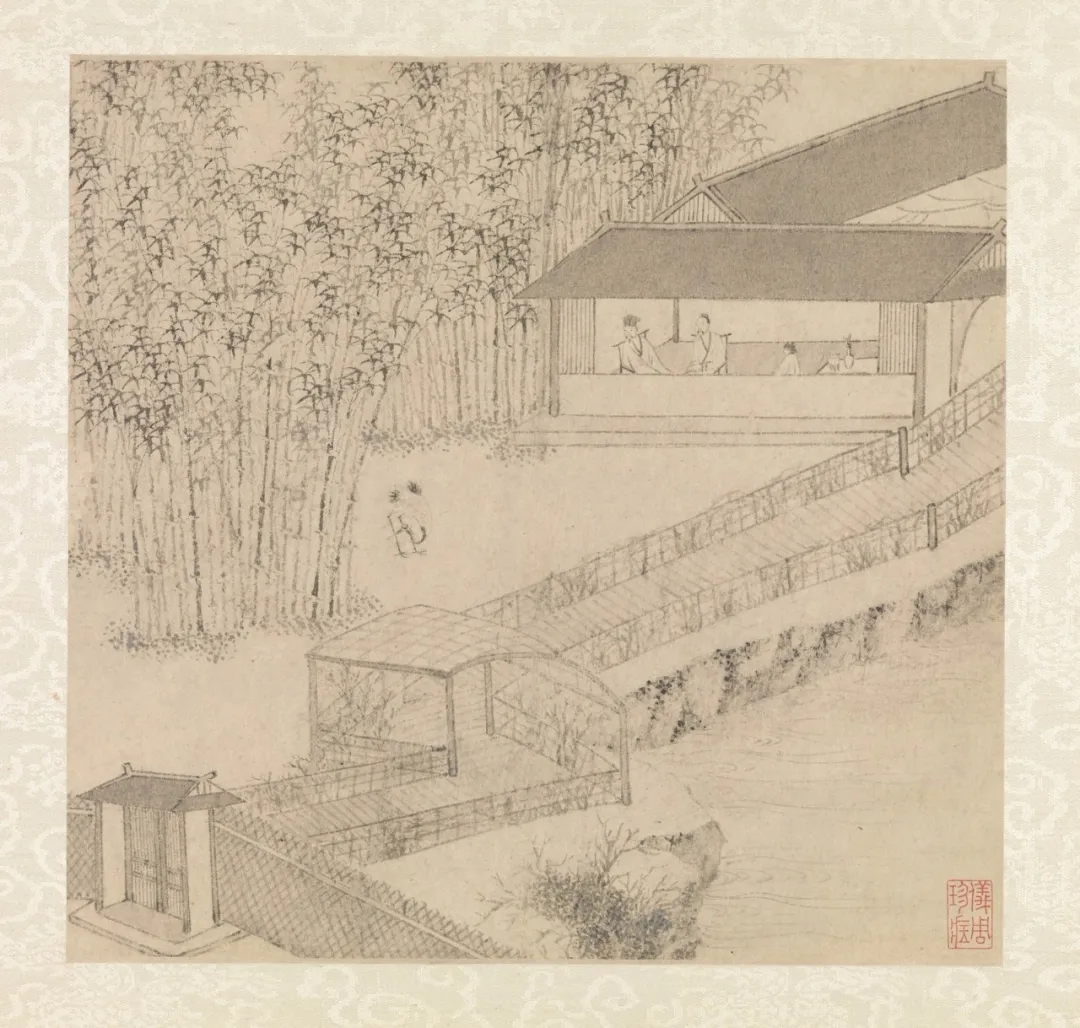
园林文化

Search documents
欣赏园林不能急,要慢慢地像打开盲盒一样期待美好
Xin Lang Cai Jing· 2026-01-31 14:19
Core Viewpoint - The article emphasizes the significance of gardens in Chinese culture, highlighting their role as a medium for storytelling, philosophical reflection, and emotional expression, while also suggesting that gardens should be recognized as a distinct academic discipline [5][11][14]. Summary by Sections Gardens as Cultural Narratives - Gardens are portrayed as spaces that tell stories about human emotions, destinies, and life experiences, transforming mere landscapes into narratives [5][6][7]. - Notable examples include famous gardens associated with literary works, such as the Shen Garden, which symbolizes tragic love, and the Grand View Garden from "Dream of the Red Chamber," where love both flourishes and fades [6][7]. Philosophical and Historical Reflections - Gardens serve as mirrors of history and philosophy, encapsulating the thoughts and lives of past scholars and poets, thus reflecting the cultural and intellectual heritage of China [8][11]. - The concept of "folding" is introduced, suggesting that gardens embody a rich tapestry of historical, literary, and artistic elements, creating a multidimensional experience [11][12]. Gardens as Utopian Spaces - Gardens are described as idealized realms that evoke freedom and childhood innocence, where individuals can connect with nature and reflect on life [9][10]. - The article references various literary works that illustrate the emotional and philosophical depth associated with gardens, reinforcing their role as spaces for personal and collective reflection [9][10]. Gardens as Living Traditions - The enduring nature of garden culture in China is highlighted, with gardens representing a continuous tradition that integrates natural beauty into daily life [14]. - Contemporary examples, such as the Yexiu Tao Garden in Hangzhou, illustrate how modern individuals are cultivating gardens as spaces for artistic and personal growth, rooted in traditional values [13][14].

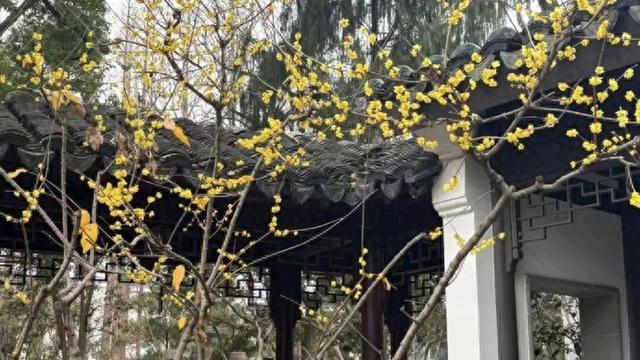
大会议案聚焦“提振消费”“园林出海” 作为主席团交由苏州市人大常委会在大会会议闭会后审议决定的代表议案
Su Zhou Ri Bao· 2026-01-25 00:47
Group 1 - The first proposal emphasizes the importance of high-quality supply and boosting consumption as core strategies for expanding effective demand and stabilizing economic recovery in Suzhou [2][3] - The proposal identifies several key issues hindering the release of domestic demand potential, including structural shortages in quality goods and services, insufficient consumer confidence, and inadequate infrastructure [2] - A systematic set of countermeasures is suggested, focusing on enhancing quality supply, improving consumer support systems, optimizing investment structures, and strengthening market linkages [2] Group 2 - The second proposal aims to enhance the international influence of Suzhou's gardens, aligning with national strategies to promote Chinese culture and build a culturally strong province [3][4] - It highlights existing challenges such as insufficient coordination, inconsistent standards, and a lack of talent, which hinder the transformation of Suzhou's gardens from cultural resources to development advantages [3] - Specific actionable recommendations are provided, including promoting garden construction models abroad and extending the aesthetic economic value chain [3][4]
苏州园林代表团出访北美 以园为媒深化友城合作 推动文化国际传播
Xin Hua She· 2025-09-16 01:21
Core Viewpoint - The Suzhou delegation's visit to North America aims to strengthen cultural exchanges through garden art, enhancing Suzhou's garden culture on a global scale and fostering international cooperation [1][6]. Group 1: Cultural Exchange Activities - The delegation visited Victoria, Canada, to celebrate the 45th anniversary of the friendship between Suzhou and Victoria, marking the beginning of the North American exchange [1]. - A "Friendly Garden" agreement was signed between Suzhou's Lion Grove Garden and Butchart Gardens, focusing on long-term cooperation in ecological protection, garden skills transmission, tourism resource sharing, and cultural activities [1][3]. Group 2: Exhibitions and Events - In Vancouver, the "Suzhou Garden Aesthetics Exhibition" was held, celebrating the 28th anniversary of the sister garden relationship between Suzhou's Humble Administrator's Garden and the Yiyuan Garden [2]. - The exhibition showcased Suzhou's garden aesthetics through various displays, including seasonal garden images and a 1:1 replica of the "Jia Shi Pavilion" with AR interactive features [2]. Group 3: Celebrations in Portland - The delegation attended the 25th anniversary celebration of the Lan Su Chinese Garden in Portland, which is designed in the style of Suzhou gardens and has received multiple awards for its design [5]. - The celebration featured traditional performances, including Suzhou embroidery and Kunqu opera, providing an immersive cultural experience for attendees [5][7]. Group 4: Future Plans - Suzhou's Garden and Greening Management Bureau plans to continue leveraging garden culture to enhance cultural exchanges globally, contributing to the creative transformation and innovative development of traditional Chinese culture [6].

从秋霞圃到课植园,上海六大古园林你都去过吗
Yang Shi Wang· 2025-06-14 03:45
Core Viewpoint - The event on June 14, 2023, marked the "Cultural and Natural Heritage Day" in Shanghai, featuring the launch of the book "Cultural Heritage Perspective of Jiangnan: Shanghai Classical Gardens" and six cultural tourism routes that highlight the cultural heritage of Jiangnan in Shanghai [1][3]. Group 1: Cultural Heritage and Tourism - The book "Cultural Heritage Perspective of Jiangnan: Shanghai Classical Gardens" is the second volume in a series aimed at showcasing the multi-dimensional value of cultural heritage in Shanghai [3]. - Six cultural tourism routes were introduced, combining ancient towns, classical gardens, and culinary experiences to provide visitors with an immersive experience of Jiangnan culture [6]. - The event included free access to 30 cultural heritage sites and museums, along with various activities designed to deepen public engagement with Shanghai's cultural heritage [6]. Group 2: Historical Significance of Classical Gardens - Shanghai's classical gardens, such as Yuyuan, Quxue Garden, and Qiuyuan, are recognized for their artistic and historical value, reflecting the exquisite layout and rich cultural background of Jiangnan gardens from the Ming and Qing dynasties [3][4]. - The gardens are classified as national or municipal cultural heritage sites, emphasizing the importance of preserving their original appearance during restoration [3]. - The historical context of these gardens is linked to the broader narrative of Chinese garden aesthetics, particularly during the peak of garden construction in the Ming dynasty [4]. Group 3: Modern Engagement and Challenges - There is a need to adapt the presentation and utilization of classical gardens to attract younger audiences while maintaining their historical essence [5]. - The challenges of preserving traditional gardening techniques and the loss of skilled artisans are highlighted as significant issues facing the future of these cultural sites [5]. - The integration of modern communication methods and new experiences in classical gardens is essential for their continued relevance in contemporary society [5].