宠物药品

Search documents
走进「瑞德制药」「KK集团」「赫基集团」,洞察AI时代产业创新新变量|混沌创新院校友企业参访回顾
混沌学园· 2025-11-20 11:58
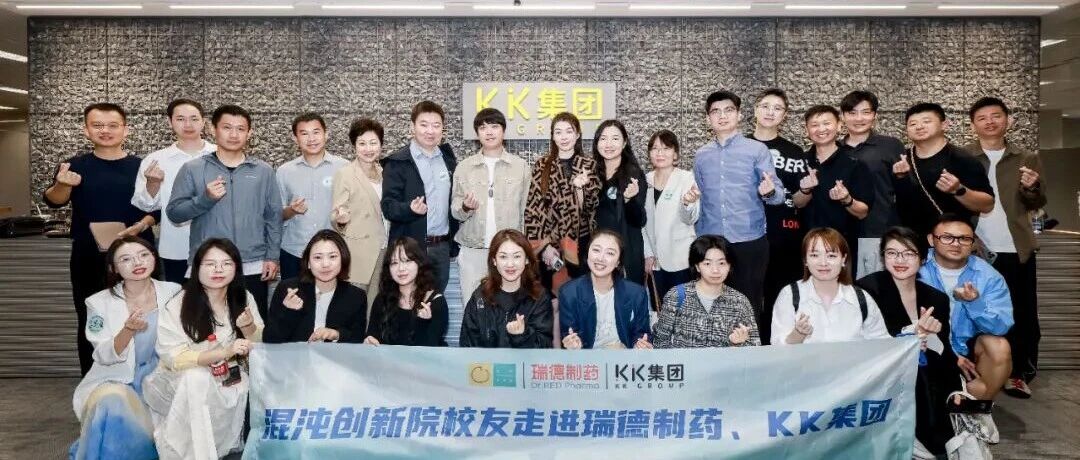
Core Insights - The article emphasizes the importance of returning to the business scene to find answers amidst the rapid advancement of AI across various industries. It highlights a visit organized by Chaos Innovation Institute to alumni companies in the Greater Bay Area, focusing on deep interactions and real-world insights [3]. Group 1: Red Pharmaceutical - Red Pharmaceutical is a pioneer in pet medicine manufacturing, with its brand "Dr.Red" specializing in pet pharmaceuticals and care products. It has established China's first high-level GMP factory dedicated to pet medicines [8][11]. - The pet industry in China is experiencing explosive growth, with the market size expanding from approximately 20 billion yuan in 2013 to 400 billion yuan currently. Although future growth rates may decline, the annual growth rate remains at 7%-8%, with pharmaceuticals growing at around 15%. The market is expected to reach one trillion yuan in ten years [13]. - Red Pharmaceutical aims to enter the European and American markets within five years and is exploring AI applications for pet health management and consultations [15]. Group 2: KK Group - KK Group is a leading trend retail enterprise in China, operating multiple brands including KKV, THE COLORIST, and X11, with 800 offline stores across 34 cities globally [22][24]. - The CTO of KK Group shared insights on implementing large models in enterprises, emphasizing the importance of identifying AI-appropriate scenarios and accumulating internal data to enhance business efficiency [26][28]. - KK Group has developed a series of AI products, including an answer engine, super search engine, and hyper-automation engine, aimed at improving knowledge management, information retrieval, and process automation [28][29]. Group 3: Heki Group - Heki Group, a benchmark in China's fashion retail sector, was founded in 1999 and has established a diverse brand matrix through self-creation, agency, and acquisition strategies [34][40]. - The CEO of the Five Plus brand within Heki Group discussed the digital transformation strategies in the fashion retail sector, focusing on user-centric approaches and small, beautiful product strategies to meet personalized consumer needs [42]. - The discussion also covered the challenges of organizational change in the AI era, highlighting the need for new standards in AI application and the importance of training employees to adapt to AI developments [43].

2025-2031年中国宠物驱虫药行业市场供需状况分析与投资策略研究预测
Sou Hu Cai Jing· 2025-10-20 01:38
Market Growth Drivers - The pet deworming market in China is driven by the continuous increase in the number of pet dogs and cats, projected to reach 52.58 million dogs and 71.53 million cats by 2024, totaling 124 million pets [3] - The average deworming cost is 62.51 CNY per dog and 90.02 CNY per cat, with an average of 3.47 and 3.45 deworming sessions per year respectively, leading to a total market size of 33.609 billion CNY for pet deworming drugs in 2024 [3] Market Share and Position - Pet deworming has become the largest core category in the domestic pet health care market, accounting for 20.7% of the market share in 2024, indicating significant importance and future growth potential [5] Product and Competitive Advantages - The pet deworming drugs are categorized into internal and external dewormers, targeting various parasites [6] - International companies dominate the market with a comprehensive product matrix and global presence, allowing them to meet diverse market needs effectively [6] - Leading international brands include Boehringer Ingelheim's NexGard with sales of 1.46 billion USD and Merck's Bravecto with 1.25 billion USD, showcasing their strong R&D capabilities and market strategies [6] Competitive Landscape - Chinese companies initially relied on low-cost generic drugs but are now accelerating innovation due to supportive policies, exemplified by Haizheng Animal Health's breakthrough for young and pregnant dogs [7] - In 2024, the usage rate of domestic brands in dog deworming is 50% for Fipronil and 48% for Bravecto, indicating a narrowing gap with international brands [7] Future Industry Outlook - The pet deworming drug industry in China is expected to continue growing due to expanding pet markets and increasing consumer health awareness [8] - Challenges include competition from established international brands and potential product homogenization, necessitating innovation from domestic companies [8]
AI创变正在发生,一切品类都值得重做一遍
36氪· 2025-03-20 10:50
Core Viewpoint - The article discusses the transformation in e-commerce driven by AI, emphasizing that brands must leverage AI for strategic decision-making to achieve growth and adapt to changing consumer behaviors [1][10]. Group 1: AI's Impact on E-commerce - AI is reshaping the competition logic in e-commerce, moving from budget-based strategies to intelligent decision-making processes [2][6]. - The shift from "experience + tools" to "AI + decision-making" signifies a fundamental change in how brands operate and strategize [4][6]. - AI enables brands to predict market trends and optimize marketing strategies, enhancing operational efficiency and decision-making accuracy [6][10]. Group 2: Case Studies of Successful Brands - Skechers utilized AI to identify a significant demand for "slip-on" shoes among young consumers, allowing them to adjust their marketing strategies and product offerings swiftly [12][14]. - Fenjiu, a traditional liquor brand, successfully engaged younger consumers by creating a new drinking culture and leveraging AI to optimize their marketing strategies, resulting in a 200% increase in GMV [16][18]. - Cotton Era enhanced its brand recognition and consumer engagement through AI-driven strategies, achieving significant growth in new customer conversion rates [20][21]. Group 3: Future Directions and Strategies - The article highlights that AI will continue to play a crucial role in helping brands achieve predictable and efficient growth, with a focus on creating a healthy operating environment for merchants [29][30]. - The integration of AI into brand strategies is seen as essential for navigating the complexities of consumer engagement and market dynamics [30][31].