
潮流零售

Search documents
名创优品MINISO LAND双核落子武汉,IP沉浸空间成潮玩盲盒哪里买新地标
Jin Tou Wang· 2026-02-26 05:10
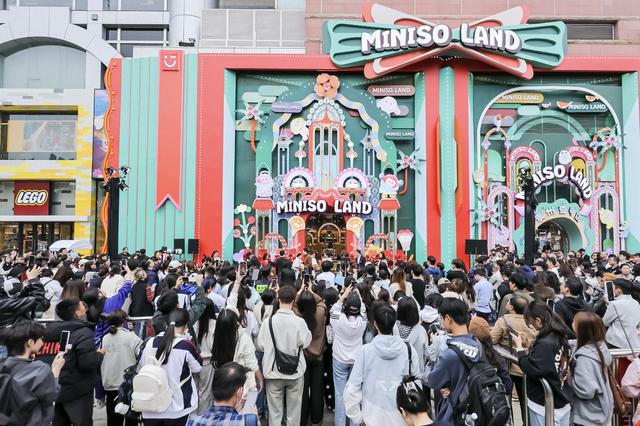
Core Insights - MINISO has successfully launched its strategic innovation store MINISO LAND in the central markets of Wuhan, marking a significant step in its large store strategy centered around "IP parks" [1] - The dual-store opening injects strong vitality into Wuhan's "first store economy," providing a new destination for trend enthusiasts to purchase blind boxes [1] Group 1: Market Positioning - MINISO's strategic placement in Wuhan captures the city's commercial pulse, with the Jianghan Road pedestrian street representing historical commerce and the Chu River Han Street embodying youthful fashion trends [2] - The dual-store approach achieves comprehensive coverage of cultural tourism and local young consumers, establishing a robust multi-channel network for diverse consumer needs [2] Group 2: Store Design and Experience - MINISO LAND breaks traditional retail models by creating an immersive experience space with a curatorial design, featuring a "Castle Park" in the Chu River Han Street store (approximately 2,300 square meters) and a "Wonderland" in the Jianghan Road store (approximately 1,400 square meters) [3] - Both stores showcase over 6,000 SKUs, with more than 80% being IP products, transforming shopping into an exploratory journey filled with discovery [3] Group 3: Brand Strategy - The dual-store opening exemplifies MINISO's "dual-wheel IP strategy," combining international licensed IPs and exclusive artist IPs, attracting significant market interest [4] - The original IP "YOYO" represents the company's ability to incubate original content, with popular blind box series like "YOYO ICON BOX" drawing consumers specifically to the stores [4] Group 4: Commercial Evolution - The opening day events, including "YOYO" interactive sessions and "Pokémon meet-and-greet," successfully attracted large crowds, validating MINISO LAND's potential as a space for interest-driven consumption [5] - The strategic store model, previously validated in cities like Shanghai, continues to drive MINISO's high-quality growth through its IP and large store strategies [5] Group 5: National Expansion - The successful launch of the Wuhan stores is a key step in MINISO's nationwide "park series" store layout, addressing the question of where to buy trendy blind boxes [6] - The company is expanding its mature large store and IP strategy to major cities across the country, enhancing its market competitiveness while providing a reference model for commercial innovation and consumption upgrades [6]
名创优品叶国富:兴趣消费的未来竞争在于懂文化和懂IP
Zheng Quan Ri Bao Wang· 2026-02-02 12:13
Core Insights - MINISO has opened its MINISO LAND store in Guangzhou, marking a significant step in its strategy to enhance cultural consumption and IP ecosystem [1] - The company aims to transform into a leading global IP operation platform, shifting its focus from merely selling products to offering experiences and dreams [1][2] - MINISO's founder emphasizes the importance of understanding culture and IP in future competition, highlighting the company's commitment to nurturing original IP [2] Group 1: Company Vision and Strategy - MINISO's new vision is to become a global leader in IP operations, representing a fundamental upgrade in its business core [1] - The company plans to drive growth through a dual focus on retail and entertainment, transitioning from a product-centric model to an experience-driven one [1][2] - MINISO is committed to incubating original IP and enhancing its capabilities in full-chain IP operations to compete effectively in the global market [2] Group 2: Market Trends and Consumer Behavior - The shift from material consumption to cultural consumption is recognized as an undeniable trend, positioning MINISO favorably within this evolving landscape [2] - The founder notes that while material consumption offers broad consensus on functional value, cultural consumption provides precise emotional value, which can lead to significant market opportunities [2] - MINISO aims to leverage "interest consumption" as a guiding principle, investing approximately 100 million yuan annually to develop original IP and strengthen its market position [2]
名创优品发布新愿景:成为全球领先的IP运营平台,启动IP天才少年计划
Xin Lang Cai Jing· 2026-02-02 07:09
Core Insights - MINISO has launched its new vision to become a global leading IP operation platform, marking a significant upgrade in its business model from product and channel focus to a comprehensive IP value ecosystem [2][5][14] - The opening of MINISO LAND in Guangzhou aims to enhance cultural consumption and activate the market during the Spring Festival, featuring over a hundred popular IPs and immersive experiences [1][3] Group 1: Business Strategy and Vision - The company aims to transition from "selling products" to "selling experiences and dreams," emphasizing the importance of understanding culture and IP [5][16] - MINISO has partnered with over 180 international IPs, showcasing its capability in IP operation and planning to deepen these collaborations [5][11] - The launch of the "IP Genius Plan" aims to recruit top talent in IP creation, offering annual salaries up to 10 million yuan to foster original IP development [11][13] Group 2: Market Positioning and Consumer Engagement - MINISO LAND stores are designed to be urban cultural landmarks that integrate consumption, social interaction, and cultural experiences, enhancing regional consumer engagement [3][13] - The company is focusing on original IP incubation, with the character YOYO becoming a significant emotional connection for young consumers, driving user participation and content co-creation [7][9] - The shift towards cultural consumption is seen as a response to structural changes in global consumer behavior, with MINISO positioned to capitalize on this trend [14][16] Group 3: Future Growth and Expansion - MINISO plans to expand its store network to over 10,000 locations globally within three years, aiming to lead the globalization of Chinese IP [14][16] - The company is committed to investing 100 million yuan annually to enhance its IP incubation capabilities and strengthen its competitive position in the global market [16]

遭强制清退后,曾估值200亿的新零售巨头求变
3 6 Ke· 2026-01-21 01:56
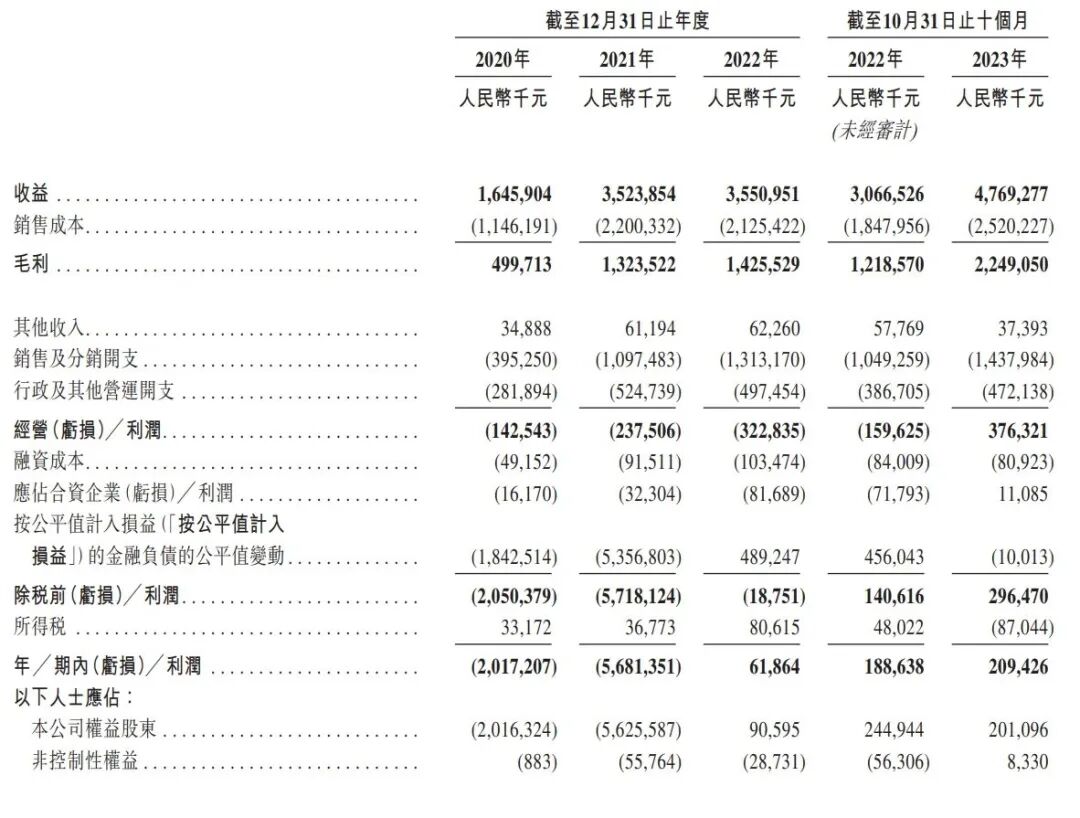
Core Viewpoint - The retail brand KKV is facing significant challenges due to a dispute with Shenzhen's Zhuoyue Center over unpaid performance rent and poor business performance, leading to the termination of their lease agreement [1][4]. Group 1: Company Overview - KKV, launched in 2019, was once a leading example in the new retail sector, known for its large store format and diverse product offerings, quickly capturing prime shopping center locations [1][2]. - At its peak, KKV had nearly 800 stores nationwide, with KKV accounting for over 50% of the total store count within its parent company, KK Group, which was valued at 20 billion RMB after its Series F financing in 2021 [2][11]. - The company reported a cumulative loss of 7.636 billion RMB from 2020 to 2022, but achieved a net profit of 209 million RMB in the first ten months of 2023, with KKV contributing over 75% to this profit [2][3]. Group 2: Business Challenges - KKV has been closing stores in major markets due to poor performance, with over 10 locations shut down in 2025 alone, as consumer preferences shift towards high cost-performance and practical value rather than just aesthetic appeal [1][3][12]. - The dispute with Zhuoyue Center centers on rental agreements, with KKV claiming it has paid all base rents while the center argues KKV failed to meet performance rent obligations [4][7]. - KKV's sales per square meter are reportedly less than one-tenth of competitors like Pop Mart, leading to concerns about its ability to generate sufficient revenue to justify its prime retail space [7][12]. Group 3: Market Dynamics - The retail landscape is shifting from a focus on attracting foot traffic through visually appealing stores to prioritizing profitability and operational efficiency, impacting KKV's business model [5][13]. - KKV's reliance on third-party sourcing has made it difficult to compete on price with direct-to-consumer brands, resulting in lower repeat purchase rates and increased vulnerability to market fluctuations [10][12]. - Competitors like Miniso and other emerging brands are focusing on cost efficiency and product differentiation, which poses a threat to KKV's market position as it struggles to adapt to changing consumer expectations [15][16]. Group 4: Strategic Adjustments - KKV is shifting its strategy by reducing franchise operations and focusing on self-operated stores to enhance efficiency, while also exploring expansion into lower-tier cities and Southeast Asian markets [13][15]. - The company is increasing the proportion of self-branded and co-branded products in its offerings to strengthen its supply chain control and competitive edge [13][15].
调查!四年“合作伙伴”一朝翻脸,KKV与深圳卓悦中心的租约罗生门
Hua Xia Shi Bao· 2026-01-09 03:54
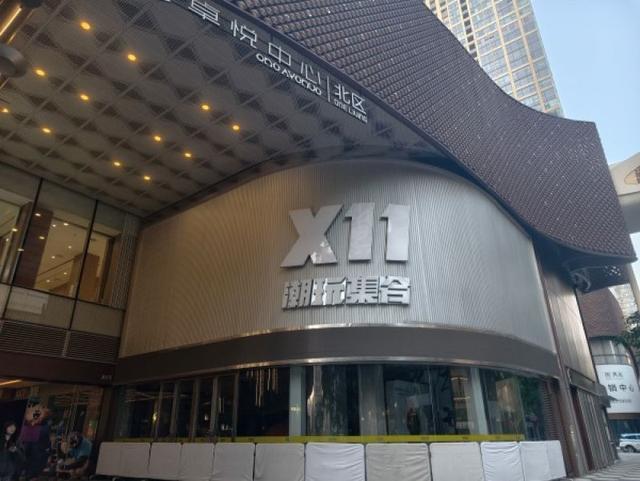
Core Viewpoint - The dispute between Shenzhen One Avenue and KKV has escalated due to allegations of unpaid performance rent and fundamental breach of contract, leading to the forced closure of KKV's store [2][4][5]. Group 1: Contractual Dispute - KKV claims that it has consistently paid the basic rent and has not defaulted on rent payments, while One Avenue asserts that KKV has failed to pay the agreed performance rent, constituting a fundamental breach of contract [2][5]. - One Avenue cites a specific clause in the lease agreement that allows for termination if KKV fails to pay performance rent for three consecutive months or accumulates six months of non-payment within a year [5][9]. - KKV argues that One Avenue has never raised concerns about unpaid performance rent during the four years of operation, suggesting that the right to terminate the contract has lapsed [5][8]. Group 2: Performance Evaluation - One Avenue claims that KKV's store has consistently underperformed, failing to meet the agreed sales targets, which has led to the issue of unpaid performance rent [5][8]. - KKV counters that the poor performance is not solely due to its management but is also influenced by low foot traffic and unfulfilled promises from One Avenue regarding brand placement and customer attraction [8][11]. - The ongoing debate highlights the challenges in the retail sector, where the initial expectations of high foot traffic and brand appeal have not materialized as anticipated [11][12]. Group 3: Industry Context - The breakdown of the partnership reflects broader changes in the retail landscape, where the previous model of attracting customers through flagship stores is becoming less effective in a market characterized by oversupply and low conversion rates [11][12]. - Experts suggest that the focus has shifted from merely attracting brands to ensuring that they contribute to stable revenue and profitability, indicating a transition in commercial real estate towards a more sustainable model [12]. - The situation underscores the need for both parties to recognize the dynamic nature of their relationship and the importance of long-term collaboration over short-term gains [12].
业绩不佳违约又遭清退,网红KKV已成明日黄花?
Ge Long Hui· 2026-01-08 21:02
Core Viewpoint - Shopping centers are increasingly distancing themselves from once-popular influencer brands like KKV due to poor performance and declining traffic [2][5][12] Group 1: KKV's Performance Issues - KKV has been underperforming since its opening, failing to meet contractual obligations for performance-based rent, leading to a breach of contract [2][6] - The management of One Avenue provided KKV with nearly 440,000 yuan in operational support, including rent reductions and marketing resources, but these efforts did not yield improvements [2][6] - KKV's sales figures have consistently fallen short, with actual monthly sales being less than one-third of the agreed amount, and its sales efficiency being significantly lower than competitors [6][12] Group 2: Market Trends and Brand Evolution - The retail landscape is shifting from a focus on traffic and concept-driven brands to a more refined selection based on profitability, product innovation, and contract compliance [15][16][20] - The number of new commercial projects has declined, indicating a move away from blind expansion towards meticulous operational management [14][15] - KKV's reliance on third-party sourcing has led to a lack of product differentiation and innovation, contributing to its declining brand strength and customer loyalty [13][20] Group 3: Implications for the Retail Industry - The exit of KKV from shopping centers reflects a broader trend of commercial real estate prioritizing brands that can deliver consistent performance and customer engagement [17][19] - The decline of influencer brands like KKV signals a return to the fundamentals of retail, emphasizing product quality and sustainable profitability over mere marketing hype [20]
各执一词!KKV与深圳卓悦中心商业纠纷升级
Xin Lang Cai Jing· 2026-01-08 13:53
Core Viewpoint - The commercial dispute between KKV and Shenzhen Zhuoyue Center has escalated, with KKV facing a second forced closure due to alleged poor performance and failure to pay performance-based rent [1][3]. Group 1: Background of the Dispute - KKV, a trendy retail brand, was once a core tenant in Shenzhen Zhuoyue Center but has faced significant challenges, leading to a conflict that began in December 2025 [3]. - The lease agreement between KKV and Shenzhen Zhuoyue Center was established in 2021, with a term extending to 2027, incorporating a "low rent + performance rent" model [3][4]. - KKV was first forced to close on December 14, 2025, due to the mall's claim of "business adjustment," which KKV disputes, stating they have consistently paid rent and have not breached the contract [3][4]. Group 2: Key Issues in the Dispute - The main contention revolves around performance rent, which is based on the store's monthly sales. Shenzhen Zhuoyue Center claims KKV has not met the agreed performance standards and has not paid the performance rent [4][6]. - Shenzhen Zhuoyue Center asserts that they attempted to negotiate with KKV for three months, offering various solutions such as reducing the rental area and relocating to a more popular section of the mall, all of which were rejected by KKV [4][6]. - KKV argues that the mall's foot traffic and occupancy rates have not met expectations, and the mall's initial promises during the leasing process were not fulfilled, impacting their sales performance [6][7]. Group 3: Company Performance and Future Outlook - KKV operates over 700 stores globally, with the group surpassing 1,200 stores, indicating that this single store dispute will not affect their overall operational strategy [6][7]. - KKV's revenue for the first ten months of 2023 was approximately 4.77 billion yuan, with a net profit of about 210 million yuan, showing a trend towards profitability [7]. - KKV's brand revenue accounted for 66.5% of the group's total revenue in 2022, highlighting its significance as a core income source for the company [7].
围栏封门、断水断电……卓悦中心与KKV陷入“业绩租金”罗生门
Guan Cha Zhe Wang· 2026-01-08 01:51
Core Viewpoint - The conflict between KKV and Shenzhen One Avenue has escalated, leading to the termination of the lease agreement due to KKV's failure to meet performance standards and pay agreed-upon rent [1][3][4]. Group 1: Lease Termination - Shenzhen One Avenue announced the formal termination of the lease with KKV, citing KKV's long-term failure to pay performance-based rent as the reason for exercising their right to terminate the contract [1][3]. - The management of One Avenue stated that they had fulfilled their obligation to inform KKV and had engaged in multiple rounds of communication over the past three months regarding the lease termination [3][4]. - The termination was executed in accordance with the lease agreement and relevant legal provisions, aiming to maintain normal operations and protect the interests of compliant tenants [4]. Group 2: Background and Previous Incidents - This incident marks the second forced closure of the KKV store within a month, with the first closure occurring on December 14, 2025, due to alleged contract violations by One Avenue [5][7]. - KKV's parent company, KK Group, indicated that the store had been one of the better-performing outlets in the area despite low foot traffic and claimed that One Avenue had not previously raised concerns about unpaid rent during the four years of operation [7][8]. - The management of One Avenue had previously provided various forms of operational support to KKV, totaling approximately 440,000 yuan, despite KKV's failure to pay performance rent [8]. Group 3: Market Dynamics and Future Plans - The ongoing dispute may be influenced by the urgent need for One Avenue to adjust its tenant mix, as it has recently introduced popular dining brands to attract higher foot traffic [9]. - KKV has announced plans to open its 700th store globally in Malaysia, indicating that the dispute will not affect its overall operational strategy [9].

究竟谁在违约?卓悦中心与KKV各执一词
Shen Zhen Shang Bao· 2026-01-08 00:21
Core Viewpoint - The ongoing dispute between Shenzhen Zhuoyue Center and the retail brand KKV highlights the challenges faced by commercial real estate during its transformation phase, particularly regarding contract ambiguities and performance metrics [1][4]. Group 1: Dispute Details - Zhuoyue Center terminated KKV's operations citing "business adjustment" and initiated forced closure actions, leading to physical confrontations between the parties [2]. - KKV claims it has consistently paid fixed rent and disputes the assertion of unpaid performance rent, arguing that the center has not previously raised concerns about this issue [3]. - Zhuoyue Center states that KKV's long-term poor performance has led to significant unpaid performance rent, justifying their decision to terminate the contract after extensive communication and support efforts [2][3]. Group 2: Contractual Ambiguities - The dispute reveals significant ambiguities in key contractual terms, including performance rent payment, performance standards, and termination rights, which have contributed to escalating tensions [4]. - The prevalent "fixed rent + performance rent" model in commercial real estate raises questions about how to objectively monitor actual sales figures, which has become a focal point of contention [4]. - The lack of effective buffering mechanisms and third-party mediation in contracts has exacerbated disagreements, highlighting the need for clearer performance evaluation standards and reasonable termination clauses [4]. Group 3: Industry Implications - The incident reflects the pressures and challenges traditional leasing relationships face in a rapidly changing commercial environment, as seen in Zhuoyue Center's shift from a focus on trendy brands to a stronger emphasis on dining options [4]. - The trend of splitting larger stores into smaller units to enhance overall rental income poses risks for larger retail formats like KKV, especially during periods of business model adjustments [4]. - The situation prompts the industry to reconsider the establishment of fair, transparent, and adaptable cooperation frameworks to prevent similar disputes in the future [5].
两次遭强制闭店,KKV和卓悦中心正面“开战”
3 6 Ke· 2026-01-07 02:33
Core Viewpoint - A commercial dispute has escalated between KKV, a trendy retail brand, and the Zhuoyue Center in Shenzhen's Futian district, leading to KKV's second forced closure and a conflict between the two parties [1][2]. Group 1: Background of the Dispute - KKV opened its store in Zhuoyue Center in 2021 under a lease agreement that was set to last until 2027, but after four years, the relationship deteriorated [1][2]. - The first forced closure occurred on December 14, 2025, when Zhuoyue Center unilaterally requested an early termination of the lease, citing "business adjustment" and implemented measures such as cutting off water and electricity [2][3]. Group 2: Reasons for Dispute - The core issue revolves around performance-based rent, where KKV has reportedly failed to meet agreed sales targets, leading to a breach of contract according to Zhuoyue Center [6][9]. - Zhuoyue Center claims to have engaged in three months of discussions with KKV, proposing various solutions such as reducing rental space, which KKV rejected [6][9]. Group 3: Responses from Both Parties - KKV plans to resolve the dispute through legal means, arguing that Zhuoyue Center's claims regarding foot traffic and occupancy rates are unfounded and that they have consistently paid rent [6][9]. - KKV asserts that their sales data is strong compared to competitors in the same area and that the store's performance is improving, countering Zhuoyue Center's claims of poor performance [9][10]. Group 4: Legal and Market Implications - Legal experts suggest that the "low rent + performance-based rent" model is suitable for emerging brands but carries risks related to sales performance and contract clarity [10]. - KKV operates over 700 stores globally and maintains that this dispute will not affect its overall operational strategy or expansion plans [9][10].
